Key Points to Explore
- What Are Anal Glands and Why Do They Cause Trouble?
- Spotting the Problem: Signs Your Dog's Glands Are Infected
- Step-by-Step: How Vets Diagnose and Treat Gland Infections
- The Home Care Chapter: Supporting Your Dog's Recovery
- Stopping It Before It Starts: Diet and Prevention Strategies
- Common Myths and Mistakes to Avoid
- Your Questions, Answered
- Wrapping It Up: Your Action Plan
Let's be honest, if you're searching for "how do you treat a gland infection in a dog," you're probably dealing with a smelly, uncomfortable pup and a whole lot of worry. You might have noticed the scooting, the constant licking under the tail, or maybe even a foul odor that's hard to ignore. I've been there with my own dog, a Labrador who seemed to have a knack for developing these issues, and I remember feeling overwhelmed trying to figure out the right steps. Is it a vet emergency? Can I handle it at home? What even causes this?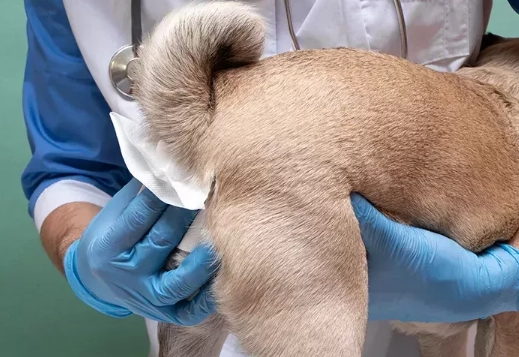
Well, take a breath. You're in the right place. This guide is going to walk you through everything, step-by-step, without the confusing jargon. We'll cover what these glands are, why they get infected, the clear signs to watch for, and most importantly, the vet-recommended ways on how do you treat a gland infection in a dog. We'll also talk about what you can do at home to support your dog and, hopefully, prevent it from happening again. My goal is to give you the clear, practical information you need to help your furry friend feel better fast.
What Are Anal Glands and Why Do They Cause Trouble?
First things first, let's demystify the glands we're talking about. Most often, when people ask about treating a gland infection in a dog, they're referring to the anal sacs or anal glands. These are two small, pea-sized pouches located just inside your dog's rectum, at about the 4 and 8 o'clock positions. They produce a strong-smelling, oily fluid that's unique to each dog—it's their personal scent signature.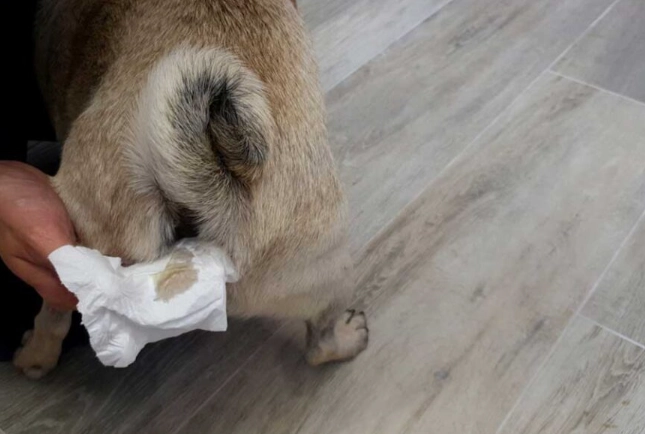
Normally, this fluid is expressed in small amounts when your dog poops, acting as a territorial marker. Think of it as your dog's way of leaving a "message" for other dogs. The problem starts when this natural expression doesn't happen. The fluid builds up, gets thick, and becomes a perfect breeding ground for bacteria. That's when impaction happens, and if left unchecked, that impaction can turn into a painful infection or even a dreaded abscess that ruptures through the skin. It's as unpleasant as it sounds.
Other glands can get infected too, like salivary glands, but anal gland issues are the undisputed top cause for a vet visit related to gland problems. So that's our main focus here.
Spotting the Problem: Signs Your Dog's Glands Are Infected
Dogs can't tell us where it hurts, so we have to be detectives. The signs of an infected anal gland are pretty distinct once you know what to look for. It often starts subtly and gets worse.
- The Scoot: Dragging their bottom across your carpet or grass. This is their attempt to relieve pressure or itch.
- Excessive Licking or Biting: Constant attention to the area under the tail or around the rectum.
- Fishy, Metallic Odor: A sudden, persistent foul smell that seems to come from their rear end. This is a classic sign.
- Straining or Discomfort During Pooping: They might cry out, take longer than usual, or seem constipated.
If the issue progresses to a full-blown infection or abscess, the signs become more severe and painful.
- Visible Swelling or Redness: One or both sides of the anus look puffy, red, and angry.
- Obvious Pain: Your dog yelps when sitting down, having their tail touched, or when the area is pressed. They may become withdrawn or aggressive due to pain.
- A Visible Lump or Wound: An abscess may appear as a hot, firm lump that eventually softens and can rupture, leaking pus or bloody fluid.
- Blood or Pus: You might see streaks of blood or pus on your dog's stool, bedding, or where they were sitting.
- Lethargy and Fever: A systemic infection can make your dog tired, lose their appetite, and run a fever.
Seeing any of these later signs means you shouldn't wait. This directly leads us to the core question: how do you treat a gland infection in a dog once it's identified?
Step-by-Step: How Vets Diagnose and Treat Gland Infections
Alright, so you've spotted the signs and you're at the vet's office (or planning to go). Here’s what the professional process of treating a dog's gland infection typically looks like. It's not a one-size-fits-all approach; it depends on how severe things are.
The Veterinary Diagnosis
Your vet will start with a physical exam, which includes a rectal palpation. I know, it sounds uncomfortable, but it's the quickest way for them to feel if the glands are full, impacted, or if there's a painful abscess forming. They'll check for swelling, heat, and pain response. Sometimes, if there's discharge, they might take a sample to look at under a microscope to identify the specific bacteria involved, which helps pick the most effective antibiotic. Organizations like the American Veterinary Medical Association (AVMA) stress the importance of a proper diagnosis before treatment, as what looks like a simple infection could sometimes be a tumor or another issue.
The Treatment Ladder: From Expression to Surgery
Treatment escalates based on severity. Let's break it down.
| Condition Stage | Primary Treatment | Additional Support & Notes |
|---|---|---|
| Mild Impaction | Manual Expression. The vet or tech gently empties the clogged glands. This is a quick procedure but should be done by a pro to avoid injury. | May recommend adding fiber (canned pumpkin, psyllium) to the diet to firm up stools and promote natural expression. |
| Infection (Anal Sacculitis) | Expression + Antibiotics. The glands are expressed, and your dog is prescribed a course of oral antibiotics. Often, an antibiotic infusion is the gold standard—after expression, the vet flushes the sac with an antibiotic solution and injects some directly into it. | They will likely also prescribe anti-inflammatory pain medication (like carprofen) to reduce swelling and discomfort. A cone (e-collar) is crucial to prevent licking. |
| Abscess (Ruptured or Not) | Medical & Surgical Management. If ruptured, the area is clipped, cleaned, and flushed. It's left open to drain. If not ruptured, the vet may lance it to allow drainage. Oral antibiotics and pain meds are mandatory. | Warm compresses applied at home 2-3 times a day can help promote drainage and healing. This stage often requires follow-up visits. |
| Chronic/Recurrent Issues | Anal Sacculectomy. This is the surgical removal of the anal sacs. It's considered for dogs who have frequent, severe infections or abscesses that don't respond to other management. | A permanent solution but with surgical risks like temporary incontinence or infection. Should be performed by an experienced vet or surgeon. The Merck Veterinary Manual provides detailed medical insights on this procedure. |
So, the direct answer to how do you treat a gland infection in a dog professionally? It's almost always a combination of physically emptying the glands, using targeted antibiotics, and managing pain. The antibiotic infusion is key—it puts the medicine right where the problem is.
The Home Care Chapter: Supporting Your Dog's Recovery
Your job starts when you get home from the vet. Proper home care is a massive part of successful treatment and preventing a quick comeback. If you're figuring out how to treat your dog's gland infection holistically, this is your role.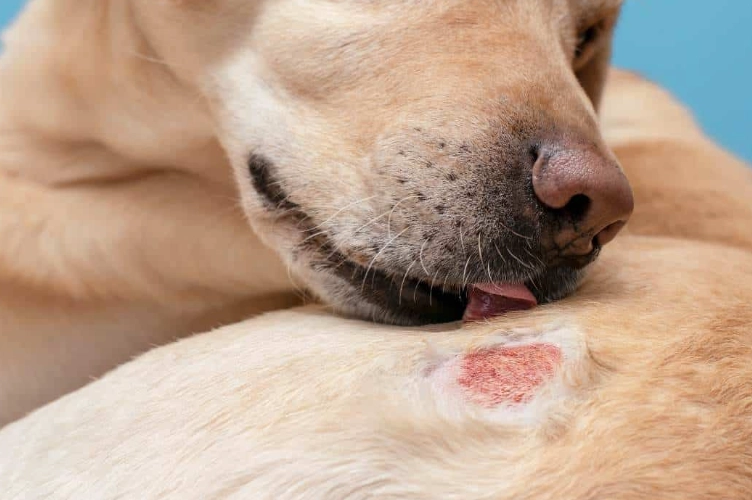
What can you do after the vet visit?
- Medication Faithfulness: This is non-negotiable. Finish the entire course of antibiotics, even if your dog seems better after a few days. Stopping early is a surefire way to breed antibiotic-resistant bacteria and cause a relapse.
- The Cone of Shame is Your Friend: I know, they hate it. You hate seeing them in it. But licking the area reintroduces bacteria and prevents healing. Keep it on until the vet says otherwise, especially if there's a wound.
- Warm Compresses: For abscesses or significant swelling, applying a clean, warm, damp washcloth to the area for 5-10 minutes a few times a day can stimulate blood flow, soothe pain, and encourage drainage. Be gentle.
- Keep it Clean: If there's a draining wound, gently wipe away any discharge with a clean, damp cloth or a vet-recommended antiseptic wipe. Keep the area dry otherwise.
Now, let's talk about a huge piece of the puzzle that often gets overlooked until there's a problem: diet and prevention.
Stopping It Before It Starts: Diet and Prevention Strategies
If you want to avoid ever having to deeply research how do you treat a gland infection in a dog again, prevention is your best bet. For many dogs, this is a manageable condition, not an inevitable one.
The main goal is to promote healthy, firm bowel movements that naturally compress and empty the glands during defecation. Soft stools don't provide enough pressure.
The Fiber Factor
Adding soluble fiber is the most common and effective dietary tweak. It bulks up the stool. Good sources include:
- Canned Pumpkin (plain, not pie filling): A tablespoon per meal for medium dogs. Start slow to avoid gas.
- Psyllium Husk Powder (like unsweetened Metamucil): A vet can give you the correct dosage for your dog's weight. It must be mixed with plenty of water.
- High-Fiber Dog Foods: Some commercial or prescription diets are formulated for gland health.
- Cooked Sweet Potato or Green Beans: Healthy, fibrous veggie options.
Weight management is critical too. Overweight dogs have weaker muscle tone and more fat around the glands, which hinders natural expression.
Regular Checks and Expression
For dogs prone to issues, some owners learn to recognize the early signs of fullness (the fishy smell, occasional scoot) and have their groomer or vet express the glands preventatively every 4-8 weeks. I'm not a fan of overly frequent, unnecessary expression, but for chronic cases, a schedule can prevent a crisis.
Exercise helps keep everything moving regularly, both in terms of metabolism and bowel habits.
Common Myths and Mistakes to Avoid
There's a lot of bad advice out there. Let's clear some things up.
Myth 1: All dogs need their glands expressed regularly. False. Most dogs empty them naturally. Routine expression can actually cause inflammation and create dependency.
Myth 2: Scooting always means worms. While worms can cause itching, scooting is far more commonly a sign of anal gland issues.
Mistake: Using human hemorrhoid cream. Don't do this. The ingredients aren't formulated for dogs and can be toxic if licked or absorbed through thin rectal skin.
Mistake: Delaying the vet visit. An infection won't go away on its own. It gets worse, more painful, and more expensive to treat.
Your Questions, Answered
Wrapping It Up: Your Action Plan
So, let's tie this all together. If you suspect a gland problem:
- Don't Panic, But Don't Ignore It. Watch for the signs—scooting, odor, licking.
- Call Your Vet. Describe the symptoms. They'll tell you if it can wait for an appointment or if you need to come in sooner.
- Follow the Professional Treatment Plan. Whether it's expression, antibiotics, or wound care, do exactly what they say. Ask questions if you're unsure.
- Execute Diligent Home Care. Meds, cone, compresses, cleanliness.
- Look to the Future with Prevention. Talk to your vet about dietary fiber, weight management, and a monitoring plan.
Learning how do you treat a gland infection in a dog is about partnering with your vet. It's a common, treatable issue. With the right knowledge and prompt action, you can get your dog through this uncomfortable episode and take steps to make it their last. Your dog is counting on you to notice and to help, and now you're equipped to do just that.


Leave a comment