- Why Face Stings Are a Bigger Deal
- The Top Dog Bee Sting Face Symptoms: A Tiered Guide
- Step-by-Step: What to Do When You See Dog Bee Sting Face Symptoms
- When is it a Definite Vet Visit?
- Treatment and Recovery: What to Expect
- Long-Term Considerations and Prevention
- FAQs: Your Top Questions Answered
- Putting It All Together: Your Action Plan
So your dog was just nosing around the bushes, and now they're acting strange. Maybe they yelped, maybe they're pawing frantically at their snout. Your first thought? "Oh no, did they get stung?" It's a heart-sinking feeling, especially when the sting is on their face. The face is such a sensitive area, packed with nerves and close to airways. Seeing your pup in distress there can make any pet owner panic.
I remember when my own dog, a curious Labrador named Barney, got his first bee sting right on the lip. One minute he was happily digging near a flower bed, the next he was sprinting towards me, shaking his head and rubbing his face on the grass. I had no idea what to look for beyond the obvious swelling. Was the drooling normal? Should I be worried about his breathing? It was a stressful hour of frantic googling and calling the vet. I wish I'd had a clear, calm guide to walk me through it.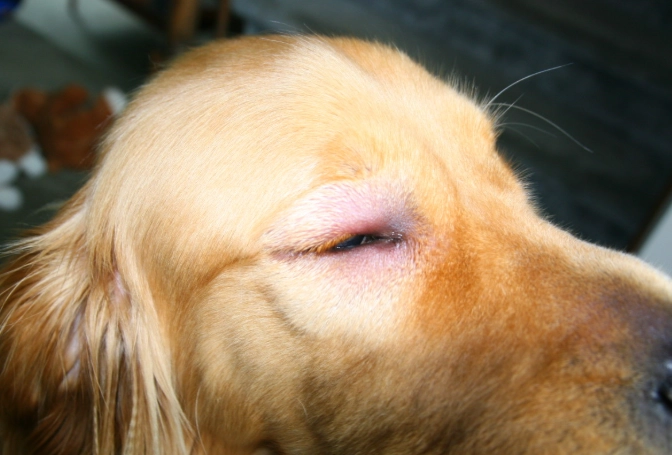
That's exactly what this is. We're going to break down every single dog bee sting face symptom you might see, from the "keep an eye on it" signs to the "get to the vet now" emergencies. We'll talk about what's happening under the skin, why the face is a special concern, and exactly what you should do step-by-step.
Why Face Stings Are a Bigger Deal
Let's get this out of the way first. A sting on the paw or leg is often less alarming than one on the face. Why? Anatomy. The tissues on a dog's muzzle, lips, and around the eyes are loose and vascular—meaning they have a lot of blood flow. This allows swelling to happen quickly and dramatically. A little swelling on a paw might just cause a limp. The same reaction on the face can close an eye or distort the muzzle in a way that looks terrifying (even if it's not always life-threatening).
More importantly, the airway is right there. Swelling in the throat or the back of the mouth is the primary danger of a facial sting. It doesn't take much to start obstructing breathing. That's why monitoring dog bee sting face symptoms related to respiration is job number one.
Also, think about behavior. A stung paw is easy for a dog to lick and care for. A stung face is confusing and frustrating. They can't see the stinger, they just feel the pain and itch in a place they can't easily reach. This leads to frantic pawing, rubbing on the floor, and head shaking, which can sometimes make things worse (like driving a stinger in deeper).
The Top Dog Bee Sting Face Symptoms: A Tiered Guide
Not every dog reacts the same. Most will have a local reaction. Some will have a more severe systemic response. Here’s how to categorize what you're seeing. I find it helpful to think in terms of severity levels. It stops you from overreacting to minor swelling or, worse, underreacting to a major crisis.
Mild to Moderate Symptoms (Usually Manageable at Home)
These are the most common dog bee sting face symptoms. They're confined to the sting site and don't indicate a body-wide allergic reaction.
- Sudden Yelping or Crying: This is usually the first sign. A sharp, surprised pain reaction.
- Immediate Pawing at the Face: They'll try to swat at the source of pain on their muzzle, cheek, or lips.
- Localized Swelling: This is the hallmark. A bee sting on a dog's lip might make one side look like a cartoon character's, all puffy and enlarged. Swelling around the eye can cause it to nearly shut. It often looks worse than it is, peaking within 6-12 hours.
- Redness and Warmth: The area will be inflamed, red to the touch, and warmer than the surrounding skin.
- Mild Hives: You might see raised, itchy welts (urticaria) around the sting site or even a little beyond it.
- Drooling: If the sting is on the lip or tongue, expect some extra slobber. The swelling and odd sensation can make it hard for them to swallow normally.
My friend's terrier got stung on the nose, and the swelling made her look like a little tapir for a day. It was startling, but with some Benadryl (more on that later) and a cold compress, she was back to normal in 48 hours. The key was that her breathing and behavior were otherwise fine.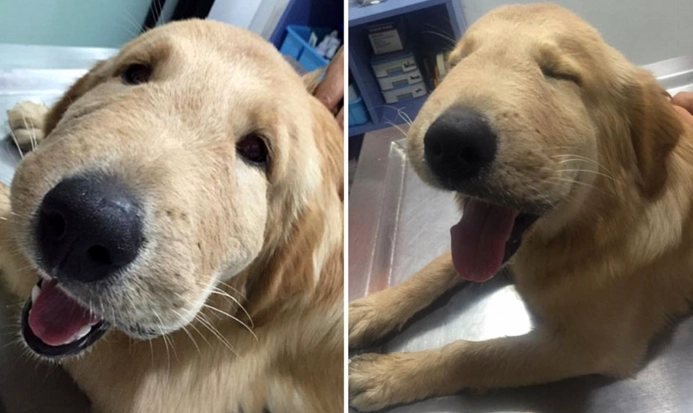
Severe Symptoms (Time to Call or Visit the Vet)
These dog bee sting face symptoms indicate a more significant allergic reaction or a dangerous complication. This is where home care isn't enough.
- Excessive Swelling: We're talking swelling that spreads rapidly down the neck or causes the throat tissues to visibly puff up.
- Widespread Hives: Hives breaking out all over the body, not just near the face.
- Intense Itching All Over: The dog is scratching at its sides, back, and belly incessantly.
- Vomiting or Diarrhea: A sign the body is having a systemic reaction.
- Significant Lethargy or Weakness: Your normally energetic dog just wants to lie down and seems unsteady.
- Pale Gums: Check their gums. They should be a healthy pink. If they're pale, white, or bluish, it's a major red flag for shock.
Critical Symptoms (Life-Threatening Emergency)
These are the dog bee sting face symptoms that mean anaphylactic shock. This is rare, but it happens fast and is deadly without immediate veterinary intervention.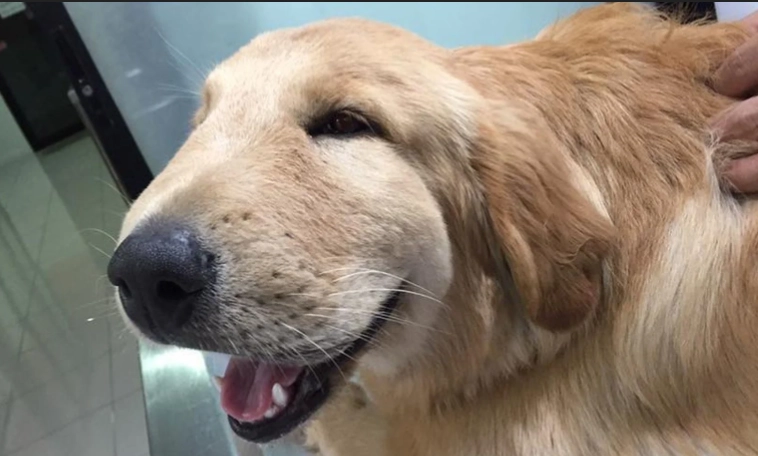
- Difficulty Breathing: This is the big one. Listen for wheezing, raspy breaths, or choking sounds. Watch for exaggerated chest movements as they struggle to pull in air. If the tongue or gums start looking blue (cyanosis), it's a critical oxygen shortage.
- Severe Swelling of the Throat or Tongue: The dog may seem to be gagging or trying to swallow repeatedly.
- Collapse or Inability to Stand: The cardiovascular system is failing.
- Sudden Onset of Severe Diarrhea and Vomiting: Coupled with any other symptom here, this points to systemic collapse.
- Extreme Agitation Followed by Sudden Lethargy/Unconsciousness: The dog may seem panicked, then quickly become weak and unresponsive.
I've never had to deal with this, thank goodness, but a vet tech once told me the cases she sees often involve multiple stings or dogs with unknown prior sensitivities. The onset can be within minutes. There's no room for "wait and see."
Step-by-Step: What to Do When You See Dog Bee Sting Face Symptoms
Okay, you've spotted the signs. Your heart is racing. What's the actual playbook? Follow these steps in order.
- Stay Calm and Restrain Your Dog Gently. Your panic will feed their anxiety. Speak softly. You may need to gently muzzle them with a soft bandage or have someone help hold them if they're pawing at their face. A scared, painful dog might nip unintentionally.
- Locate and Remove the Stinger (If it's a Bee). Wasps and hornets don't leave stingers. Only honeybees do. Look for a tiny black barb in the center of the swelling. Don't use tweezers! Pinching the venom sac can inject more venom. Instead, scrape it out with the edge of a credit card, your fingernail, or a butter knife. A quick, firm flick is all it takes.
- Apply a Cold Compress. Wrap an ice pack or a bag of frozen peas in a thin towel. Hold it gently against the swollen area for 5-10 minutes at a time, with breaks. This reduces swelling, numbs pain, and slows the spread of venom. My go-to is a damp washcloth thrown in the freezer for 5 minutes—it conforms to their face nicely.
- Call Your Veterinarian Immediately. Even for mild symptoms, call. Describe the dog bee sting face symptoms precisely: where the sting is, the size of the swelling, your dog's breed and weight, and their overall behavior. They will give you specific advice and tell you if you need to come in. This call is your safety net.
- Administer Medication ONLY If Directed by Your Vet. The most common at-home treatment is diphenhydramine (Benadryl). But the dose is critical and depends entirely on your dog's weight. Giving the wrong dose or the wrong formulation (e.g., one with decongestants like pseudoephedrine, which is toxic to dogs) can be dangerous. Your vet will give you the correct mg/kg dosage over the phone.
What about baking soda paste or vinegar? The old wisdom was baking soda for bees (alkaline venom) and vinegar for wasps (acidic venom). Most modern vets I've spoken to say it's not very effective because the venom is injected deep, and the paste doesn't neutralize much. The cold compress is universally agreed to be more helpful for relief.
When is it a Definite Vet Visit?
Let's make this crystal clear. You should physically go to the vet if:
- The sting is inside the mouth or on the tongue. Swelling here can block the airway incredibly fast.
- Your dog has multiple stings. The venom load is higher.
- Any of the Severe or Critical symptoms listed above appear.
- Your dog is a brachycephalic breed (like a Pug, Bulldog, or Boston Terrier). Their already-compromised airways make them extremely high-risk. Even mild facial swelling can be dangerous for them.
- Your dog has a known history of severe allergic reactions to anything.
- The swelling continues to worsen after 12 hours or hasn't improved significantly in 48 hours.
- You're simply too worried and unsure. Trust your gut. A vet visit for peace of mind is never a waste.
The vet has tools you don't: injectable antihistamines, steroids like prednisone to aggressively reduce inflammation, and potentially epinephrine (adrenaline) to reverse anaphylactic shock. They can also provide stronger pain relief if your dog is really suffering.
Treatment and Recovery: What to Expect
So you've handled the emergency, or maybe the vet has treated your dog. What's next?
For a standard local reaction, the swelling will be the most obvious issue. It will likely get a bit worse before it gets better, peaking hours after the sting. The vet may send you home with a short course of oral anti-inflammatory medication. Your job is to prevent your dog from traumatizing the area. An Elizabethan collar (the cone of shame) is often necessary, as much as they hate it. It stops them from pawing or rubbing the site, which can cause secondary infections or make the swelling worse.
Keep offering cool water. Soft food might be easier to eat if their mouth is sore. Mostly, just let them rest. The body is doing its healing work. Most mild to moderate reactions resolve fully within 2-3 days.
Long-Term Considerations and Prevention
One sting doesn't mean your dog is now allergic. In fact, a mild reaction doesn't predict a severe one next time. However, each exposure does carry a small risk of sensitizing the immune system. So, what can you do?
Prevention is the best medicine. During bee and wasp season (late spring through fall):
- Keep trash cans tightly sealed.
- Don't leave sweet drinks or food outside.
- Check for nests under eaves, in sheds, or in ground holes in your yard.
- Be cautious on walks near flowering gardens or fallen fruit.
If your dog had a severe reaction, talk to your vet about creating an emergency action plan. This might involve them prescribing a pre-measured epinephrine auto-injector (like an EpiPen) for you to keep on hand if you live far from emergency care. It's a serious piece of kit that requires training to use, but for high-risk dogs, it can be lifesaving.
There's also something called venom immunotherapy (allergy shots for insect stings), but it's less common for dogs than humans and would require a consultation with a veterinary dermatologist.
FAQs: Your Top Questions Answered

Putting It All Together: Your Action Plan
Let's end with a simple table you can mentally bookmark. This isn't meant to replace veterinary advice, but to help you triage the situation in the moment.
| Symptom Level | Key Dog Bee Sting Face Symptoms | Your Immediate Action |
|---|---|---|
| Mild/Moderate | Local swelling, redness, pawing, yelp, mild hives near site. | 1. Remove stinger (if bee). 2. Apply cold compress. 3. Call your vet for advice/medication dosage. 4. Monitor closely. |
| Severe | Widespread hives, vomiting, significant lethargy, pale gums, swelling spreading down neck. | 1. Call vet and head to clinic. This needs professional assessment and likely injectable medication. |
| Critical (Anaphylaxis) | Difficulty breathing, choking sounds, collapse, blue gums, extreme weakness/unconsciousness. | GO TO THE EMERGENCY VET IMMEDIATELY. This is a race against time. Call from the car if you can. |
Knowledge is the antidote to panic.
Seeing your dog with a puffed-up face is scary. But now you're armed with more than just fear. You know the spectrum of dog bee sting face symptoms. You know how to scrape out a stinger the right way, when to apply ice, and exactly which signs mean you need to drop everything and get professional help. You know the right questions to ask your vet.
The goal isn't to make you a paranoid wreck every time a bee buzzes by. It's to give you the confidence to handle a common, often minor, summer mishap calmly and effectively. To turn that moment of panic into a series of sensible, loving steps that get your best friend comfortable again as quickly as possible.
For further reading on pet first aid and poisoning, the ASPCA Animal Poison Control Center website is an invaluable resource. The American Animal Hospital Association (AAHA) also provides guidelines used by veterinary professionals, which can help you understand the standard of care.
Now, go enjoy the outdoors with your pup. Just keep an eye on those flower beds.





Leave a comment