Your Quick Guide
- Why Your Cat's Weight Matters More Than You Think
- The Big Picture: Average Weight Ranges for Cats
- Your Hands Are Your Best Tool: The Body Condition Score (BCS)
- Breed Matters: A kg-by-kg Breakdown
- From Kitten to Senior: How Weight Changes Through Life
- What To Do If Your Cat Is Over or Under the Normal Weight
- Answering Your Burning Questions (FAQ)
- Wrapping It Up: It's a Journey, Not a Number
You know that feeling when you pick up your cat and wonder, "Hmm, are you getting a bit heavy?" Or maybe you look at them and think they seem a bit skinny compared to your friend's fluffy monster. Figuring out a normal weight for a cat in kg isn't as simple as looking up one magic number. I used to think my cat, Milo, was just "big-boned" until my vet gave me a gentle reality check. It's a conversation I have with other cat owners all the time. We love them, we feed them, but sometimes we're genuinely unsure what a healthy size looks like.
The truth is, the number on the scale only tells part of the story. A healthy weight for a cat depends on a whole bunch of things – their breed, their age, their frame size, and even their sex. A 5kg Maine Coon might be underweight, while a 5kg Siamese is definitely overweight. It's confusing, right?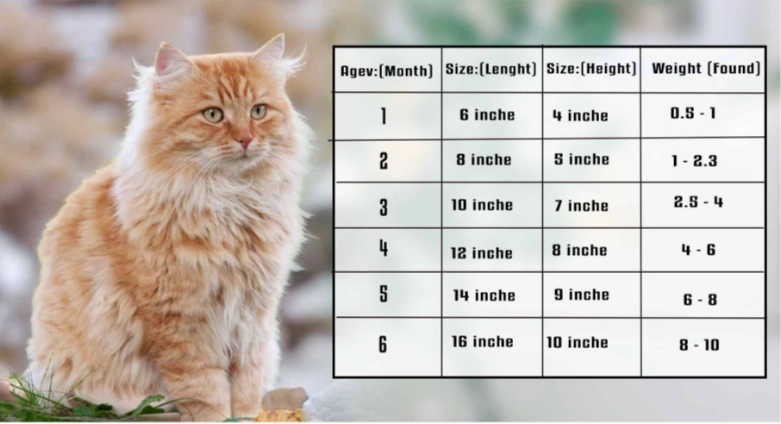
So let's ditch the guesswork. This guide is going to walk you through everything, from average breed weights to the hands-on tests you can do at home. We'll look at why the normal weight for a cat in kg varies so much and what you can actually do about it.
Why Your Cat's Weight Matters More Than You Think
I get it. A chubby cat can look cute. There's a whole internet genre dedicated to it. But here's the personal, slightly uncomfortable bit: I learned the hard way. My previous cat, a lovely domestic shorthair, slowly packed on the pounds over a few years. I didn't think much of it until he was diagnosed with diabetes at age 8. The vet was clear – the obesity was a major contributing factor. The injections, the constant monitoring, the worry... it was a brutal lesson in prevention being better than cure.
Carrying extra weight isn't just about looks. It's a serious health stressor. Think of it like this: for a 4kg cat, gaining just 500g is equivalent to a human gaining over 15kg. That's a huge burden on their little bodies.
What are the risks? The list is sobering.
- Diabetes Mellitus: Overweight cats are up to four times more likely to develop this lifelong, expensive, and demanding condition. My cat's experience cemented this fact for me.
- Arthritis and Joint Pain: All that extra weight grinds down their joints. You might think they're just getting lazy, but they could be in chronic pain.
- Hepatic Lipidosis (Fatty Liver Disease): This is a deadly one. If an overweight cat stops eating for even a couple of days (due to stress or another illness), their body dumps fat into the liver, which can fail. It's a veterinary emergency.
- Urinary Tract Diseases: More common in overweight cats.
- Skin Problems: They can't groom properly, leading to matted fur and skin infections.
- A shorter lifespan. Studies consistently show that lean cats live longer, healthier lives.
On the flip side, being underweight is a massive red flag too. It can signal hyperthyroidism (very common in older cats), kidney disease, intestinal problems, or dental issues that make eating painful.
The Big Picture: Average Weight Ranges for Cats
Okay, let's talk numbers. If we ignore breed for a second and just talk about your average mixed-breed domestic cat (the kind most of us have), what are we looking at?
Most veterinary sources, like the Cornell Feline Health Center, will give you a general range. For a typical adult domestic shorthair or longhair:
- Healthy Weight Range: Approximately 3.6 kg to 4.5 kg (8 to 10 pounds).
- Common "Ideal" Point: Many vets cite 4 kg (about 8.8 lbs) as a good benchmark for an average-framed cat.
But here's where it gets fuzzy. "Average" is useless if your cat isn't average. My Milo is a large-framed domestic shorthair. At his vet-checked ideal weight, he sits comfortably at 5.2 kg. He's not fat; he's just a big guy with a broad chest. A friend's petite female cat is perfectly healthy at 3.2 kg.
Sex plays a role too. Males are often, but not always, larger and heavier than females. An intact male (not neutered) might be more muscular and heavier than a neutered male. So you see, that 3.6-4.5 kg range is a starting point, not a rule.
The scale gives a data point. Your eyes and hands give the context.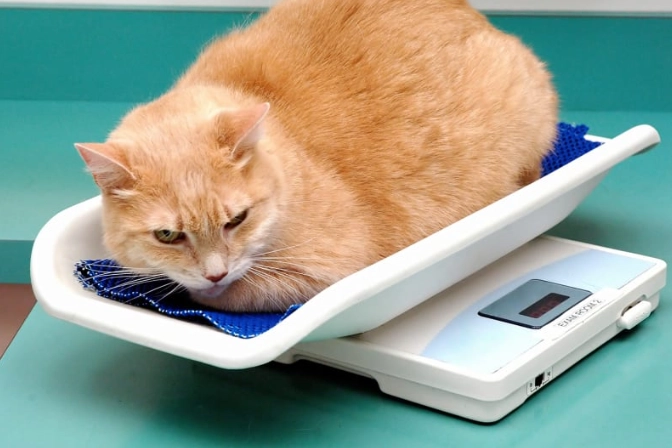
Your Hands Are Your Best Tool: The Body Condition Score (BCS)
Forget just the scale. The single most useful skill you can learn is how to Body Condition Score your cat. This is what vets use, and it's way more accurate than weight alone. It's a hands-on assessment on a scale of 1 to 9 (some use 1 to 5, but 9 is more detailed).
Here’s how you do it. Get your cat when they're relaxed, maybe purring on your lap.
- Rib Check: Run your hands along their sides. You should be able to easily feel their ribs with a very thin layer of fat over them, like the back of your hand. If you have to press hard to find ribs, that's too fat. If the ribs feel sharp and prominent with no covering, that's too thin.
- Waist Check: Look down at your cat from directly above. You should see a clear waist – an indent behind the ribs. No waist (a straight or bulging line) means overweight. A severe, dramatic hourglass means underweight.
- Abdomen Check: Look at your cat from the side. The abdomen should tuck up from the bottom of the rib cage to the hind legs. A sagging, pendulous belly (a "primordial pouch" is normal skin, but it shouldn't be jiggly with fat) is a sign of excess weight.
The World Small Animal Veterinary Association (WSAVA) provides excellent global resources on pet health, and their guidelines align with this. A BCS of 4 or 5 on a 9-point scale is ideal. That's the sweet spot.
This method trumps any single number. It helps you understand what a healthy normal weight for a cat in kg feels like for your individual pet.
Breed Matters: A kg-by-kg Breakdown
This is where a single "normal" weight falls apart. Breed standards create huge variation. Let's put this in a table because it's the clearest way to see the dramatic differences. Remember, these are typical adult ranges. Males are often at the higher end.
| Cat Breed | Typical Adult Weight Range (kg) | Notes & What "Normal" Looks Like |
|---|---|---|
| Singapura, Devon Rex | 2 – 3 kg | Petite breeds. A 3.5kg Singapura would be overweight. |
| Siamese, Abyssinian, Russian Blue | 3 – 4.5 kg | Slender, sleek, and muscular. They should look elegant, not skinny. |
| Domestic Shorthair/Longhair (Average) | 3.6 – 4.5 kg | The "standard" range, but frame size is key. |
| British Shorthair | 4 – 8 kg | Stocky and dense! A 6kg British Shorthair can be perfectly fit. They're built like rugby players. |
| Maine Coon, Norwegian Forest Cat | 5 – 10 kg | Gentle giants. They grow slowly, reaching full size at 3-5 years. A 7kg male is common. |
| Ragdoll | 4.5 – 9 kg | Large, floppy, and semi-longhaired. They have substantial bone structure. |
See what I mean? Asking for a normal weight for a cat in kg is like asking for a normal height for a person. Without knowing the breed (or mix), the number is almost meaningless. If you have a purebred, your breeder or breed club can give you specific guidance. For mixes, you have to guess the dominant breed and use the BCS as your primary guide.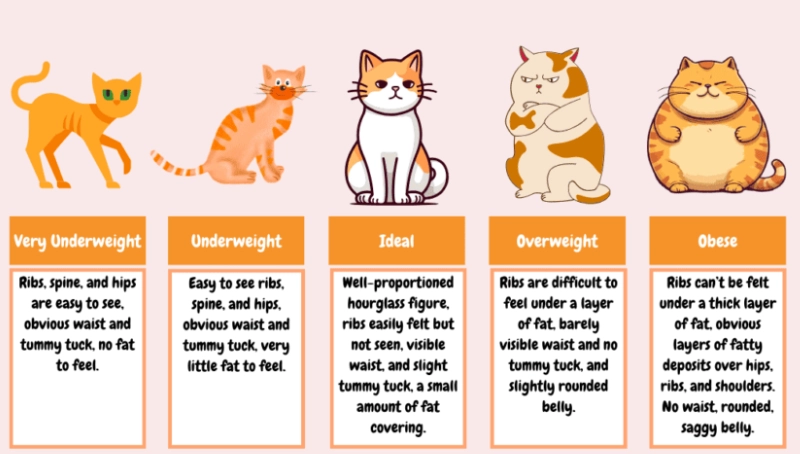
From Kitten to Senior: How Weight Changes Through Life
A cat's weight isn't static. They grow, they mature, they age. Their needs change. Let's walk through the life stages.
Kittenhood (0-12 months)
Kittens gain weight rapidly. They should be weighed weekly. A general rule is about 100g per week, but it varies. They're growing machines and need constant access to high-quality kitten food. There's no "overweight" at this stage if they're on appropriate food – you're building a healthy frame. Your vet will track their growth against standard curves.
Young Adult (1-6 years)
This is the maintenance phase. Growth has stopped (around 12-18 months for most, longer for giants). Activity is often high. This is the time to find and maintain that ideal BCS of 4-5/9. This is the weight you'll think of as their "normal weight for a cat in kg." Regular monitoring is key because slow, creeping weight gain happens here.
Mature Adult to Senior (7+ years)
Metabolism slows. Activity often decreases. Many cats will start to gain weight if their food intake isn't adjusted. Then, in old age (12+), a new problem arises: sarcopenia – the loss of muscle mass. An old cat may weigh the same, but the composition changes: less muscle, more fat. Or, they may start to lose weight due to underlying disease. Weighing your senior cat monthly is crucial. Any unexplained change of more than 5-10% of their body weight warrants a vet visit. For a 4kg cat, that's just 200-400g – not much at all.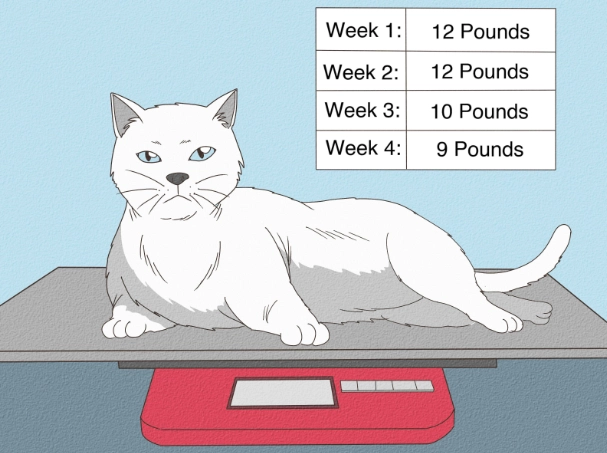
What To Do If Your Cat Is Over or Under the Normal Weight
So you've done the BCS, checked the scale, and realized your cat isn't in the ideal zone. Don't panic. And please, don't just randomly cut their food in half tomorrow.
If Your Cat Is Overweight...
First, rule out medical causes with your vet (it's rare, but hypothyroidism can happen). Assuming it's simply too many calories, you need a plan.
- Vet Consultation is NON-NEGOTIABLE. Rapid weight loss in cats can cause fatty liver disease. Your vet will calculate a safe daily calorie intake and target weight loss rate (usually 0.5-2% of body weight per week). They might recommend a specific therapeutic diet.
- Measure Food. Stop free-feeding. Use a measuring cup or, better yet, a kitchen scale for absolute accuracy. Feed set meals.
- Switch to a High-Protein, Lower-Carb Diet. Cats are obligate carnivores. Protein keeps them full and preserves muscle during weight loss. The American Animal Hospital Association (AAHA) has guidelines that support this nutritional approach.
- Increase Activity. Play. Use puzzle feeders to make them work for their food. Even 10-15 minutes of active chasing a wand toy twice a day helps.
It's a slow process. Expect it to take 6-12 months to reach a healthy goal. Patience is everything.
If Your Cat Is Underweight...
This is more urgent. Weight loss in an adult cat is almost always a symptom, not the disease itself.
- Veterinary Investigation is CRITICAL. This is your first and most important step. The vet will check for hyperthyroidism, kidney disease, diabetes, intestinal parasites, dental disease, and cancer.
- Address the Underlying Cause. Treatment depends entirely on the diagnosis.
- Nutritional Support. Once medical issues are managed, your vet may recommend a high-calorie, highly palatable recovery diet or appetite stimulants.
Never just try to "fatten up" a skinny cat without a vet check. You could be masking a serious illness.
Answering Your Burning Questions (FAQ)
Wrapping It Up: It's a Journey, Not a Number
Chasing a specific number on the scale can drive you crazy. I've been there. The real goal is a healthy, agile, and comfortable cat. Finding the normal weight for a cat in kg for your feline friend is the start of that journey, not the end.
Use the breed charts as a rough guide. Master the Body Condition Score – it's your superpower. Partner with your vet, especially if you need to make a change. And pay attention. You know your cat better than anyone. You'll notice if their silhouette changes, if they struggle to jump, or if their energy dips.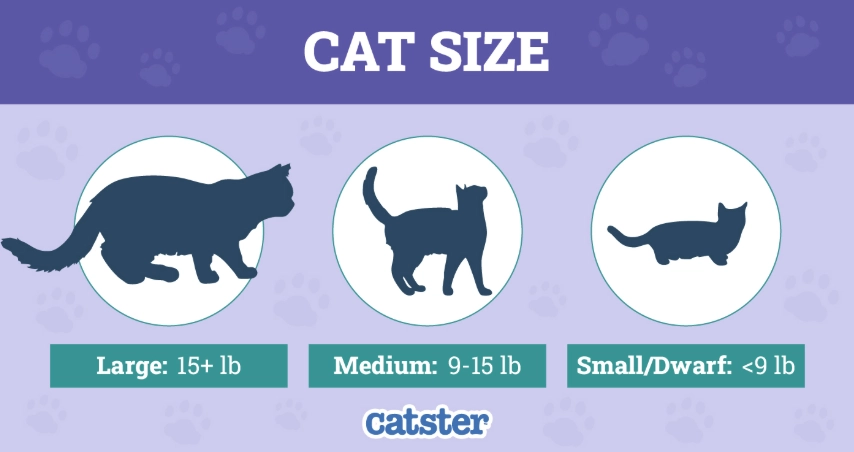
It's an act of love, really. Making sure they're fit for a long, playful, and healthy life by your side.
Start today. Give them a gentle rib check. Look at them from above. You might be surprised at what you learn. And if you're worried, just pick up the phone and call your vet. It's always the right move.



Leave a comment