You turn your back for five seconds. A buzz, a snap, a gulp. Your heart drops. Your puppy just ate a bee. That moment of panic is real, and I've been there. My own labrador, Barley, did this twice in his puppyhood. The first time, I was a frantic mess. The second time, I knew exactly what to do. This guide is that hard-earned knowledge, distilled into clear, actionable steps.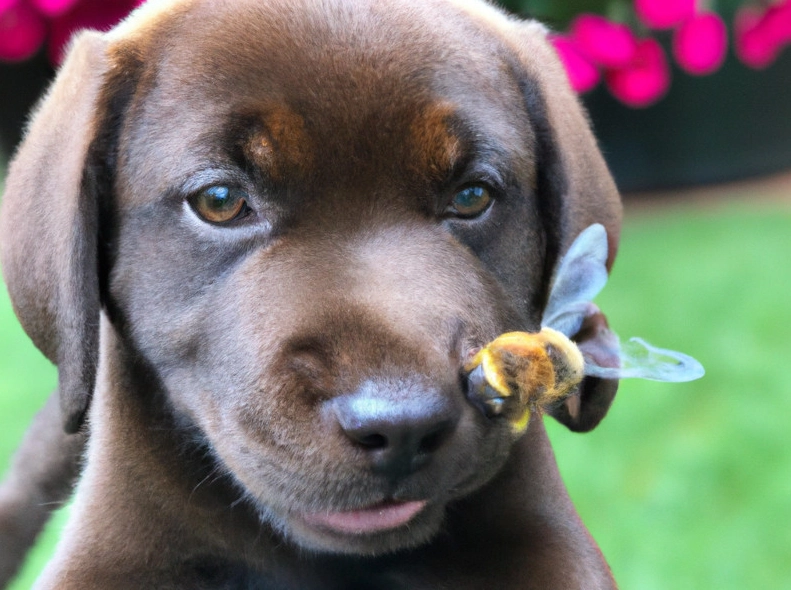
Quick Navigation: What You'll Find Here
Why a Puppy Eating a Bee Is a Legit Emergency
It's not just about a sore mouth. The stakes are higher with puppies for a few key reasons. First, their smaller body size means the same amount of venom has a more concentrated effect. Second, you have no idea if your puppy is allergic to bee venom—the first sting is the test, and that's a terrifying test to run.
The biggest risk isn't the stomach; it's the mouth and throat. When a puppy chomps a bee, the insect often stings on the way down—inside the lips, on the tongue, or in the throat. Swelling in these areas can obstruct breathing very quickly. That's the primary reason this scenario needs your full attention.
Also, puppies are curious and reactive. The pain and surprise of the sting can cause them to paw frantically at their face or even panic, which can escalate the situation.
Your Action Plan: The 4 Immediate Steps
Stay calm. Your puppy will pick up on your anxiety. Breathe, and move through this list.
1. Secure Your Puppy and Assess
Gently get your puppy to come to you. Don't chase. Offer a treat if they'll take it. Once you have them, check their mouth if you can do so safely. Look for obvious swelling on the lips or gums. Do you see a stinger? If it's embedded and easy to flick out with a credit card edge, do it. If it's deep or your puppy is resisting, do not force it. The priority is not getting bitten yourself.
2. Identify the Culprit (If Possible)
Was it a honeybee (typically fuzzy, leaves a barbed stinger) or a wasp/hornet (sleeker, can sting multiple times)? This matters for your vet. A honeybee sting leaves the stinger and venom sac behind, which can keep pumping venom. Removing it quickly is helpful.
3. Contact Your Veterinarian Immediately
This is non-negotiable. Call your vet or the nearest emergency animal hospital. Describe exactly what happened: "My [breed] puppy, [age] months old, just ate a bee. I saw/heard it happen." They will give you specific advice for your puppy and tell you if you need to come in. Have your puppy's weight handy—it's critical for medication dosing.
Pro Tip: Save your vet's number and the local emergency vet's number in your phone now, before you ever need it. In a panic, searching for a number wastes precious minutes.
4. Observe Like a Hawk
While you're on the phone or preparing to go to the vet, start monitoring. The next 30-60 minutes are the most critical for a severe allergic reaction (anaphylaxis).
Red Flags: When to Rush to the Emergency Vet
Some symptoms mean you shouldn't wait. If you see any of these, get in the car and call the vet on the way.
| Symptom | What It Looks Like | Why It's Urgent |
|---|---|---|
| Difficulty Breathing | Wheezing, raspy sounds, exaggerated chest movements, stretching neck to breathe. | Indicates throat swelling; oxygen supply is compromised. |
| Excessive Swelling | Swelling spreads from the mouth to the face, neck, or around the eyes. | Shows a systemic reaction; airway could be next. |
| Pale or Blue Gums | Gums turn pale white, grey, or bluish instead of healthy pink. | Sign of shock or poor oxygenation; a major emergency. |
| Vomiting or Diarrhea | Multiple episodes, especially if lethargy follows. | Can be a sign of systemic reaction or shock. |
| Severe Lethargy/Collapse | Puppy goes limp, won't stand, is unresponsive. | The most severe sign of anaphylactic shock. |
Trust your gut. If your puppy just seems "off" in a way that worries you deeply, it's better to get them checked. Vets understand and would rather see a cautious owner.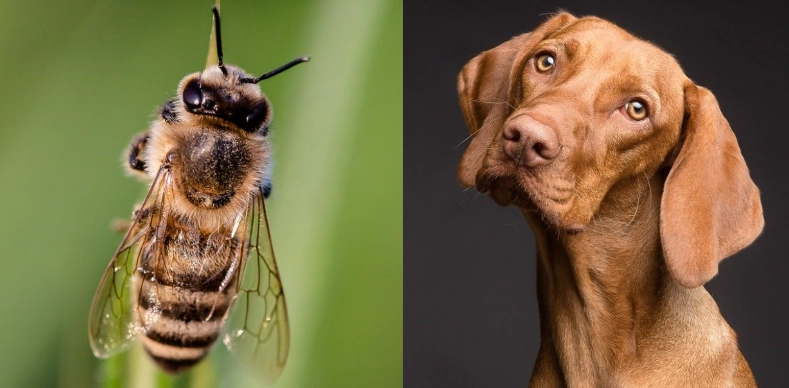
If The Vet Says to Monitor at Home
If the reaction appears mild and your vet advises home observation, here's how to provide comfort and stay vigilant.
Comfort Measures:
- Cold Compress: Gently hold a wrapped ice pack or cold, wet cloth against the outside of their muzzle where it's swollen. Do this for 5-10 minutes at a time.
- Hydration: Offer cool water. Swelling can make drinking awkward, so you might need to hold the bowl.
- Soft Food: If it's mealtime, soften their kibble with warm water or offer plain, boiled chicken and rice. A sore mouth needs an easy meal.
Medication Warning: Do not give your puppy human antihistamines like Benadryl (diphenhydramine) without explicit dosage instructions from your vet. The dose for dogs is weight-specific and can vary. Other common human painkillers (ibuprofen, acetaminophen, naproxen) are highly toxic to dogs and can cause fatal organ failure.
Your monitoring shift lasts 12-24 hours. Keep them quiet and indoors. Check their breathing and gum color every 30 minutes for the first few hours, then every few hours after that.
Breaking the Habit: How to Stop Your Puppy From Eating Bees
After Barley's second bee incident, I got serious about prevention. It's about management and training.
Environmental Management:
- Mow and Inspect: Bees love clover. Keep your lawn trimmed. Before letting your puppy out, do a quick scan of the patio and grass for foraging bees.
- Cover Trash & Food: Wasps are attracted to sugary drinks and meat scraps. Secure outdoor trash and don't leave pet food or human snacks outside.
- Consider Planting: Bees are vital pollinators, so we don't want to harm them. Instead, plant bee-friendlier zones away from main play areas. Some sources suggest herbs like mint or citronella may be less attractive to them.
Training is Key: A rock-solid "Leave It" command is your best defense. Practice daily with low-value items, then higher-value ones. Reward massively for compliance. When you see your puppy's ears perk up at a buzzing insect, use the command before the chase begins, and redirect to a fun toy.
Your Questions, Answered
Here are the deeper questions I had, and the ones I get asked most often by other worried puppy owners.
The bottom line is this: a puppy eating a bee is a scare you don't need. But with a clear plan, you can act decisively. Know the signs, have your vet's number ready, and trust your instincts. Here's to many more safe, bee-free adventures with your furry best friend.

Leave a comment