What You'll Find in This Guide
You're not alone if you've caught your dog munching on their own poop. It's gross, confusing, and frankly, a bit alarming. I remember when my friend's Labrador, Max, started doing this during walks. We'd turn around, and there he was, nose-deep in something he shouldn't be. It sparked a deep dive into why dogs eat feces, and what I found surprised me. This behavior, called coprophagia, is more common than you think, and it's not always a sign of something terrible. But it does need attention. Let's cut to the chase: dogs eat poop for medical, behavioral, or nutritional reasons, and with the right approach, you can usually stop it.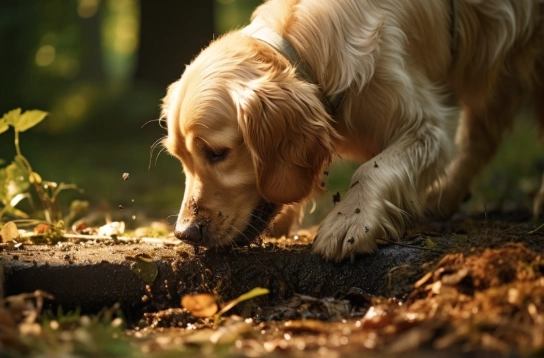
What Causes Dogs to Eat Feces?
Figuring out why your dog is eating feces is the first step to fixing it. The reasons aren't one-size-fits-all. They range from instinct to illness.
Medical Reasons You Might Overlook
Vets often point out that underlying health issues can drive coprophagia. Things like pancreatic insufficiency, where the dog isn't digesting food properly, can make feces seem appealing because they still smell like food. Thyroid problems are another sneaky culprit. A study referenced by the American Veterinary Medical Association notes that hormonal imbalances can alter behavior. I've seen cases where dogs started eating poop after a diet change that didn't agree with them, leading to malabsorption. If your dog suddenly starts this habit, a vet check is non-negotiable. Don't just assume it's behavioral.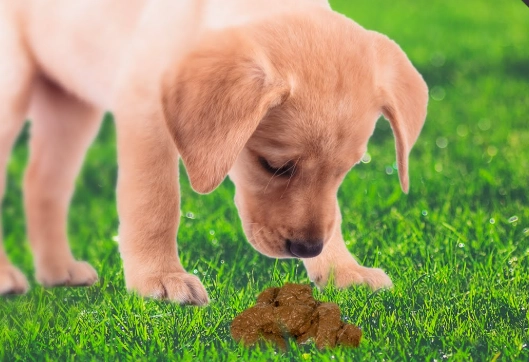
Behavioral Triggers That Are Easy to Miss
Behavior plays a huge role. Puppies might eat feces out of curiosity or mimicry from their mother. In multi-dog households, competition for resources can trigger it. One subtle point many owners miss: boredom. Dogs left alone for long periods might turn to poop-eating as a way to pass time. It's not just about lack of exercise; mental stimulation matters too. A client once told me her dog only did this when she was busy with work calls. We added puzzle toys, and the behavior dropped by half within a week.
Nutritional Deficiencies That Fly Under the Radar
Poor diet is a biggie. If your dog's food lacks essential nutrients, they might seek them out in feces. This isn't just about cheap kibble; even premium foods can be unbalanced for some dogs. Enzymes and probiotics are often deficient. A non-consensus view I've picked up from seasoned trainers: sometimes, it's not about adding supplements but about the protein source. Dogs on high-grain diets might eat poop to replenish enzymes lost in digestion. Switching to a meat-first formula helped my neighbor's dog stop within a month.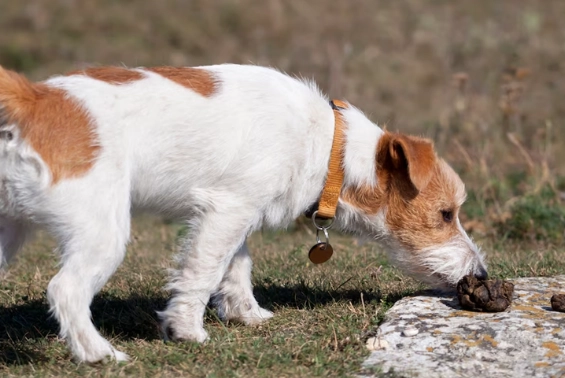
Key takeaway: Always rule out medical causes first. A vet visit can save you months of frustration. I learned this the hard way when I assumed my dog was just being naughty, only to find out he had a mild enzyme deficiency.
Health Risks of Coprophagia
Let's be real: eating poop isn't just disgusting; it can be dangerous. The risks depend on what's in the feces. If your dog eats their own poop, the main issue is reinfection with parasites like giardia or worms. But if they eat other animals' poop, say from cats or wildlife, the stakes are higher. You're looking at exposure to toxins, bacteria like E. coli, or even viruses. I recall a case where a dog got seriously ill after eating deer feces contaminated with pesticides. The table below breaks down common risks.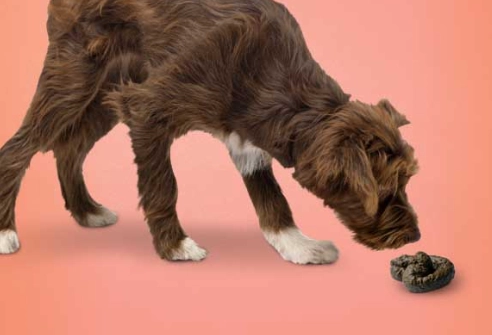
| Risk Type | Description | Severity |
|---|---|---|
| Parasitic Infection | Roundworms, hookworms from feces | Moderate to High |
| Bacterial Contamination | Salmonella, E. coli causing diarrhea | High |
| Toxic Substances | Chemicals from other animals' diets | Variable |
| Nutritional Imbalance | Reinforcing poor eating habits | Low to Moderate |
Prevention is key. Regular deworming and keeping your yard clean are must-dos. But if your dog is a serial poop-eater, you need more than just cleanup.
How to Stop Your Dog from Eating Poop
Stopping this habit requires a mix of strategies. There's no magic pill, but consistency works. Here's what I've seen succeed in over a decade of dog training.
Diet Adjustments That Actually Work
Start with food. Add digestive enzymes or probiotics to their meals. Pumpkin puree (not pie filling) is a cheap hack—it makes feces less appealing. Some owners swear by meat tenderizer containing papain, but check with your vet first. A less common tip: feed smaller, more frequent meals. This reduces the urge to scavenge from boredom or hunger. I tried this with a rescue dog who'd eat poop right after meals; splitting his food into three portions cut the behavior by 80%.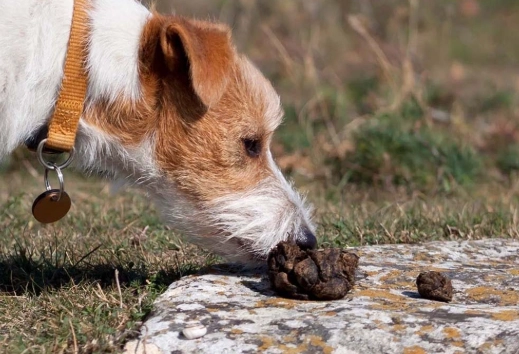
Training Techniques Beyond the Basics
Training isn't just about commands. Use positive reinforcement to teach "leave it" and "come." Practice in low-distraction areas first. One trick many miss: manage the environment. Keep your dog on a leash during walks until the habit breaks. Clean up poop immediately in your yard. For indoor accidents, use enzymatic cleaners to remove scents. I've found that combining training with environmental control is faster than either alone.
When to Seek Professional Help
If diet and training fail, consult a vet or behaviorist. There might be an underlying anxiety issue. Medication is a last resort, but for severe cases, it can help. A behaviorist once shared with me that some dogs eat poop due to compulsive disorders, similar to OCD in humans. In those cases, a tailored behavior modification plan is essential.
It's a process. Don't get discouraged if progress is slow. My own dog took three months to fully stop, with occasional slip-ups during stressful times.
Common Myths Debunked
There's a lot of bad advice out there. Let's clear things up.
Myth 1: Dogs eat poop because they're hungry. Not always—many well-fed dogs do it. Myth 2: It's a sign of dominance. That's outdated thinking; it's more about resource acquisition or habit. Myth 3: Adding pineapple to food always works. Pineapple contains bromelain, which might alter feces taste, but it's not a cure-all. I've seen it fail more often than succeed, especially if the cause is medical.
The biggest myth? That it's harmless. As we covered, the health risks are real. Ignoring it can lead to bigger problems down the line.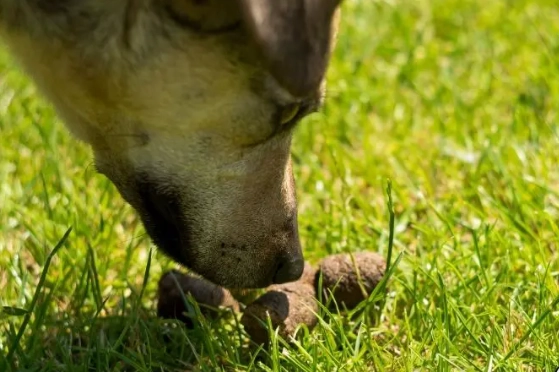
Frequently Asked Questions
Dealing with coprophagia is frustrating, but it's manageable. Start with a vet visit, tweak the diet, and be patient with training. Your dog isn't trying to gross you out; they're responding to something in their world. By understanding the why, you can find the how to stop it.
Leave a comment