Quick Navigation
- The Core Cat Feeding Chart: Your Starting Point
- What Really Changes the Numbers? The 5 Key Factors
- How to Use a Feeding Chart in Real Life: A Step-by-Step Walkthrough
- Specialized Feeding Guides Beyond the Basic Chart
- Wet Food vs. Dry Food vs. Mixed Feeding: Portion Translation
- Answers to the Questions You're Actually Typing Into Google
- Putting It All Together: Your Action Plan
Let's be honest. Staring at that bag of cat food, scoop in hand, is one of the most common moments of doubt for a cat owner. Is this too much? Is it too little? That little meow after you put the bowl down doesn't help – are they still hungry or just being a cat? You're not alone in this. I've been there too, standing in my kitchen at 11 PM wondering if I'm slowly turning my cat into a furry little football or, worse, starving him.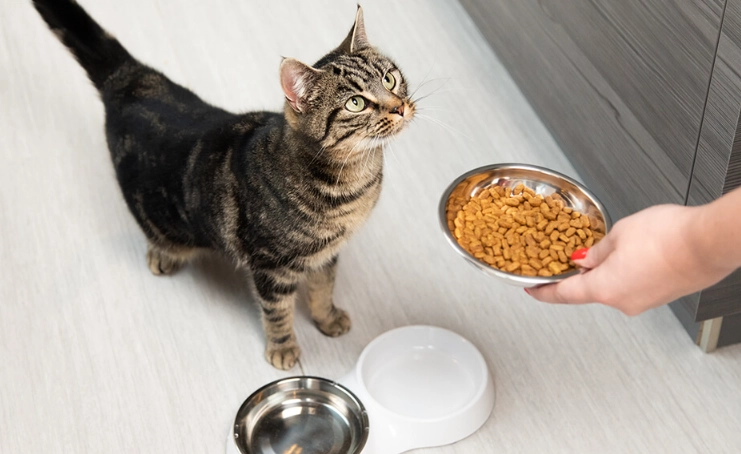
The internet is full of vague advice. "Feed based on weight." Great. But my cat's weight fluctuates. "Follow the bag." Have you seen the ranges on those labels? They're huge! It's enough to make you want to just free-feed and hope for the best (spoiler: that's usually a bad idea).
What we all really need is a clear, sensible, and adaptable how much to feed a cat chart. Not a rigid rule, but a starting point that you can tweak for your specific feline friend. A chart that considers more than just a number on a scale. That's what this is. Think of it as your foundational blueprint, which we're then going to build a whole house of understanding around.
This isn't just another generic feeding table. We're going to dig into the why behind the numbers, teach you how to read your cat's body, and tackle all the real-world variables that a simple chart can't capture on its own. By the end, you'll have the confidence to make the right call, every meal.
The Core Cat Feeding Chart: Your Starting Point
Alright, let's get to it. Here is a baseline cat feeding chart. This assumes you're feeding a standard, good-quality commercial dry food (kibble) to an average, moderately active adult indoor cat. It's the "textbook" answer. Please, please don't stop here – the next sections are where the magic (and accuracy) happens.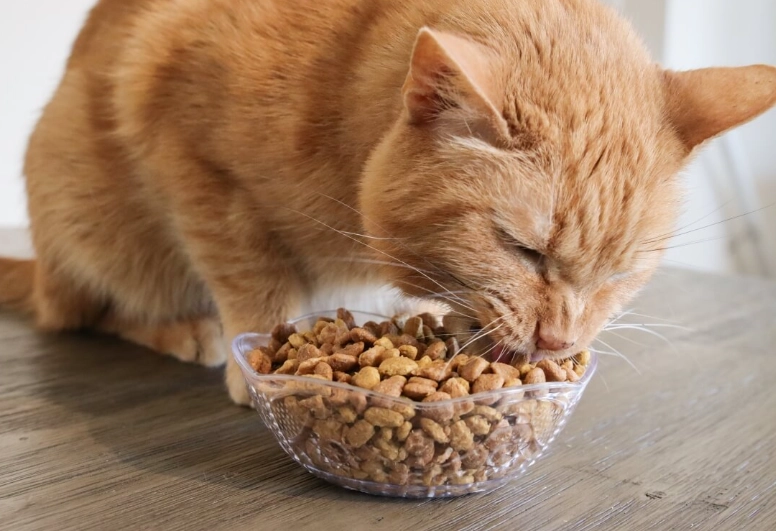
| Cat's Weight (lbs) | Cat's Weight (kg) | Daily Calories (approx.) | Daily Dry Food (cups, approx.) |
|---|---|---|---|
| 5 lbs | 2.3 kg | 150-180 kcal | 1/4 to 1/3 cup |
| 8 lbs | 3.6 kg | 200-240 kcal | 1/3 to 1/2 cup |
| 10 lbs | 4.5 kg | 240-280 kcal | 1/2 to 5/8 cup |
| 12 lbs | 5.4 kg | 280-320 kcal | 5/8 to 3/4 cup |
| 15 lbs | 6.8 kg | 340-400 kcal | 3/4 to 1 cup |
See? Those ranges are still pretty broad. That's because your cat is an individual.
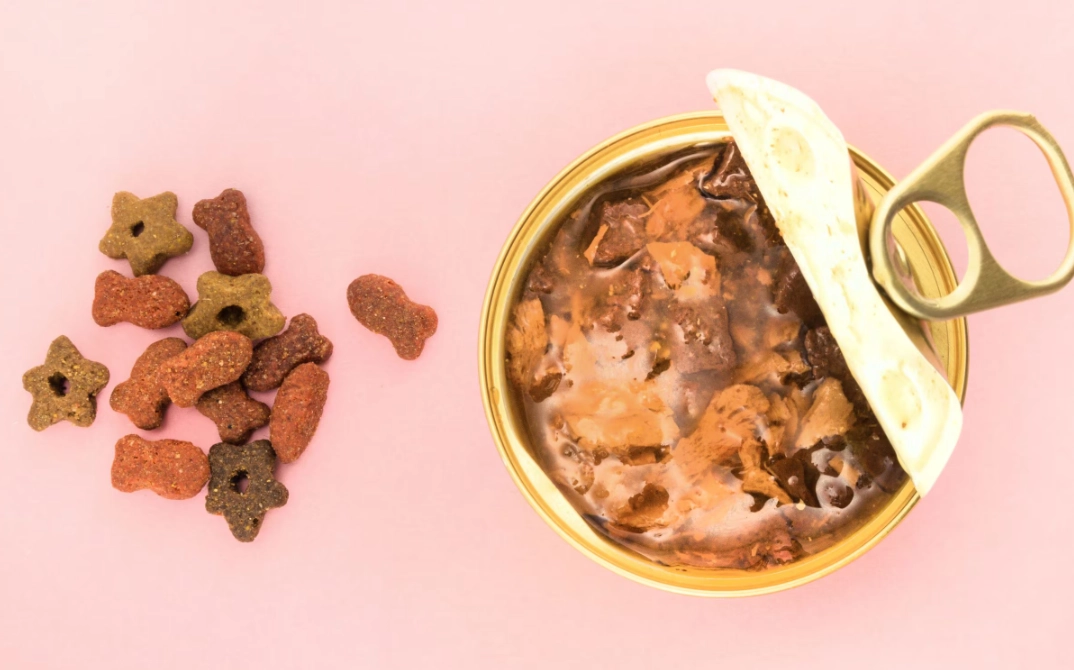
Now, if you're feeding wet food, throw the "cup" measurements out the window. You need to think in calories and grams. A typical 5.5oz (156g) can of wet food can range from 120 to 200 calories. That's a massive difference! This is why learning to read the caloric content on the label is your #1 superpower. The FDA's guide to pet food labels is a dry but useful resource for understanding what you're looking at.
Big Red Flag: This chart is a starting point for healthy adult cats. Kittens, seniors, pregnant cats, and cats with medical conditions (like diabetes or kidney disease) have completely different needs. Using a standard adult how much to feed a cat chart for them is a mistake. We'll cover them separately.
What Really Changes the Numbers? The 5 Key Factors
If you just follow the chart above, you might be right, or you might be way off. Here’s what actually moves the needle on how much your specific cat needs. It’s like adjusting the thermostat.
1. Age & Life Stage (This is a HUGE One)
A kitten isn't a tiny adult. They're a growth missile. They need almost 2-3 times the energy per pound than an adult cat. They should be fed nutrient-dense kitten food, and the answer to "how much" is usually "as much as they want to eat in 3-4 meals a day." Seriously. They're burning calories like crazy. The AAFP's Life Stage Guidelines are a fantastic, vet-backed resource that breaks this down in detail.
Senior cats (around 11+ years) are the opposite. Their metabolism slows down, and they often become less active. But they might need more protein to maintain muscle mass. So you might feed less in volume, but the food itself needs to be different. You can't just use a regular adult cat feeding chart for a senior.
2. Activity Level: Couch Potato vs. Parkour Master
This is the most common reason for adjustment. My friend has a cat who sleeps 22 hours a day. My cat, Leo, acts like he's had three espressos and thinks 3 AM is prime hunting time. Guess who needs more food? Leo, obviously. An indoor-only cat typically needs about 20% fewer calories than an outdoor cat who patrols and explores. If your cat's main exercise is walking to the food bowl and back, you need to be on the lower end of any chart.
3. Body Condition & Your Goal
This is where you become a detective. Is your cat at an ideal weight? You're in maintenance mode. Use the chart as a guide and monitor.
Is your cat a bit… rotund? You need a weight-loss plan, which means feeding less than the chart suggests for their current weight. You should aim to feed for their target weight. So if your cat weighs 15 lbs but should weigh 12 lbs, use the 12 lbs row on the how much to feed a cat chart. Do this gradually, under a vet's guidance, to avoid hepatic lipidosis (a serious liver condition).
Is your cat skinny? You might need to feed more, but first, a vet visit is crucial to rule out medical issues.
How to Body Condition Score (BCS): Look from above. Your cat should have a visible waist behind the ribs. Run your hands along their sides. You should be able to feel their ribs with a slight fat covering (like feeling the back of your hand), not see them. If you have to press hard to feel ribs, that's extra padding. The WSAVA Global Nutrition Guidelines include great diagrams for this.
4. Neutering/Spaying Status
A fixed cat has a slower metabolism. It can drop by up to 30%. This is why so many cats gain weight after the procedure. The chart numbers often assume a neutered/spayed adult. If your cat is intact (rare for most pets), they might need a bit more.
5. The Food Itself: Not All Calories Are Created Equal
This is the curveball. A cup of one brand is not equal to a cup of another. A high-protein, low-carb food might be more satiating, so your cat might eat less volume and still feel full. A food full of fillers (like corn, wheat) provides less usable energy, so your cat might eat more to feel satisfied. Always, always check the kilocalorie per cup (or per can) statement on the bag or can. It's law that it's there. This number is the key to using any cat feeding chart correctly.
How to Use a Feeding Chart in Real Life: A Step-by-Step Walkthrough
Let's make this practical. Meet two fictional cats, and let's build their meal plans.
Case Study: Mochi, the Indoor Lounge Artist
- Stats: 3-year-old, spayed female domestic shorthair.
- Weight: 11 lbs. Body Condition: Ideal (you can feel her ribs easily).
- Activity: Low. Enjoys napping in sunbeams, occasional bursts of zoomies.
- Food: "Premium Indoor Cat Formula" dry food. The bag says: "3,500 kcal/kg" and "1 cup = approx. 120g."
Calculation:
1. Find kcal per cup: 120g/cup * (3,500 kcal / 1000g) = 420 kcal per cup.
2. Check the how much to feed a cat chart: For 11 lbs (~10 lb row), it suggests 240-280 kcal.
3. Adjust for activity: She's low activity. Let's aim for the lower end: 250 kcal/day.
4. Portion: 250 kcal / 420 kcal per cup = ~0.6 cups per day (or just under 2/3 cup).
5. Split into two meals: ~0.3 cups per meal.
I'd start Mochi on 0.6 cups daily, weigh her in two weeks, and see if she maintains. If she gains, drop to 0.55 cups. If she loses (unlikely), bump it up. The chart got us close, but she's the final judge.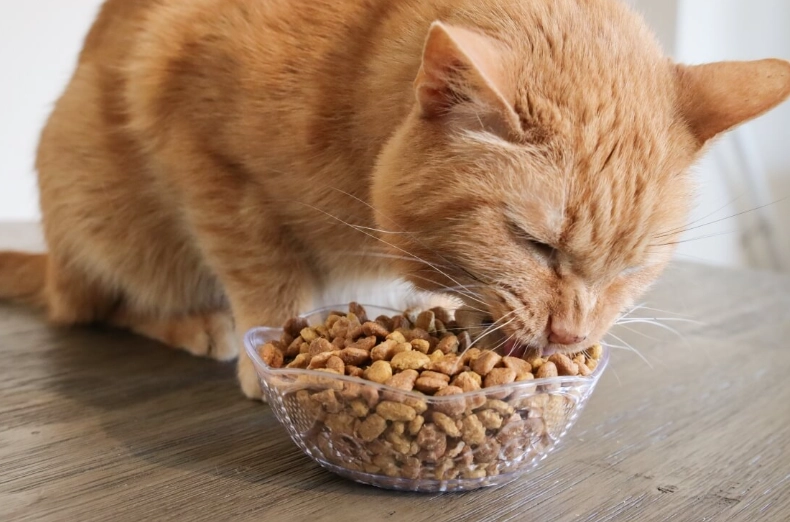
Case Study: Simba, the Active Youngster
- Stats: 1-year-old, neutered male, mixed breed.
- Weight: 9 lbs. Body Condition: A tad lean (ribs a bit prominent). Goal: slight weight gain/maintenance.
- Activity: Very high. Constantly playing, climbing cat trees.
- Food: High-protein wet food. The can says: "156g can, 180 kcal per can."
Calculation:
1. Kcal are given: 180 kcal per can.
2. Check chart: For 9 lbs (~8 lb row), suggests 200-240 kcal.
3. Adjust for activity & goal: He's very active and lean. Let's aim higher: 230 kcal/day.
4. Portion: 230 kcal / 180 kcal per can = ~1.28 cans per day.
5. Split into three meals (better for weight gain/energy): ~0.43 cans per meal, or roughly half a can per meal with a little extra at one.
The chart gave us the ballpark. Their lifestyle fine-tuned the target.
Specialized Feeding Guides Beyond the Basic Chart
Kittens (0-12 months)
Forget strict portion control initially. From weaning to about 6 months, feed a high-quality kitten food 3-4 times daily, allowing them to eat as much as they want at each sitting. Their stomachs are small but their needs are enormous. After 6 months, you can move to 2-3 scheduled meals, but still be generous. Monitoring their growth and body condition is more important than sticking to a rigid how much to feed a cat chart meant for adults.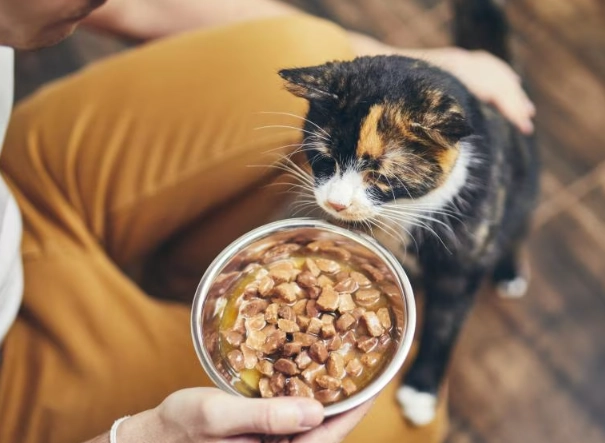
Senior Cats (11+ years)
Metabolism drops, but protein requirements may stay high to fight muscle loss (sarcopenia). Many seniors have dental issues or decreased sense of smell, so wet food often works better. The key is frequent, smaller, highly palatable meals. You might feed less than a basic chart says, but the food must be senior-formulated. Regular vet check-ups are non-negotiable to adjust for aging kidneys, thyroid, etc.
Pregnant/Nursing Queens
Their nutritional demand skyrockets. In late pregnancy and peak lactation, she may need 2-4 times her normal maintenance calories! Feed a high-calorie kitten or pregnancy-formulated food, and let her eat freely. This is one time where an unlimited buffet is the right answer.
Wet Food vs. Dry Food vs. Mixed Feeding: Portion Translation
This trips everyone up. Let's clear the air.
- Dry Food (Kibble): Calorie-dense, convenient, good for dental health (to some debate). Measured in cups/grams. Easy to overfeed because a little scoop adds a lot of calories.
- Wet Food (Cans, Pouches): Higher moisture content (great for hydration), generally lower in carbs, more satiating per calorie. Measured in cans/grams. You often need a larger volume to meet calorie needs.
- The Mix: A popular and often recommended approach. It gives hydration from wet food and dental/ convenience from dry.
How to mix: Decide your total daily calories from the chart/adjustment. Then split the calories. For example, if Mochi needs 250 kcal/day, you could do 125 kcal from wet food (maybe 2/3 of a 180-kcal can) and 125 kcal from dry food (about 0.3 cups of her 420-kcal/cup kibble). This prevents the common mistake of giving a full can and a full scoop of dry, which doubles their intake.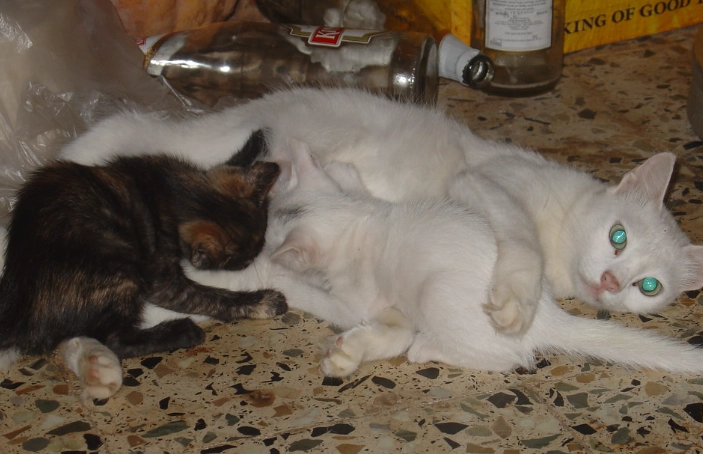
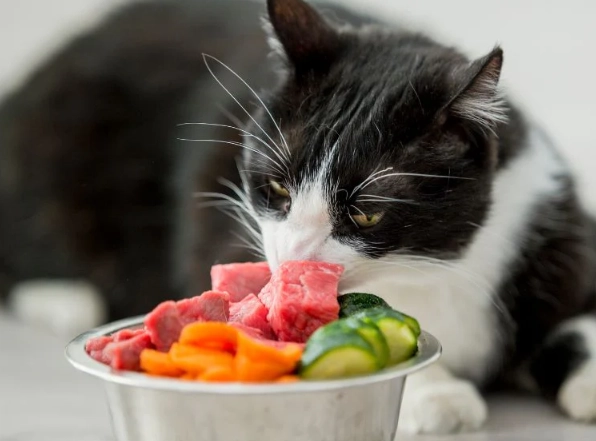
If you're considering a raw or homemade diet, you absolutely cannot use a standard commercial food cat feeding chart. The nutritional balance is completely different and must be formulated with the help of a veterinary nutritionist. Imbalance can cause severe deficiencies or toxicities over time. Organizations like the Association of American Feed Control Officials (AAFCO) set the nutrient profiles that commercial foods meet.
Answers to the Questions You're Actually Typing Into Google
Let's get straight to the stuff that keeps you up at night.
Putting It All Together: Your Action Plan
- Find the Kcal: Locate the "kcal/kg" or "kcal/cup" or "kcal/can" on your food's label. This is your most important number.
- Get a Baseline: Use a reputable how much to feed a cat chart (like the one above) to get a calorie range for your cat's weight.
- Adjust for Reality: Move up or down within that range based on your cat's age, activity, and body condition goal. Pick a target daily calorie number.
- Do the Math: Calculate the exact portion (cups, grams, fraction of a can) that delivers those target calories.
- Measure & Split: Use a real measuring cup (not a random scoop) or a kitchen scale for absolute accuracy. Split into scheduled meals.
- Monitor & Tweak: This isn't set-and-forget. Weigh your cat monthly. Feel their ribs every two weeks. Adjust the portion up or down by small increments (e.g., 1/8 of a cup or 10% of a can) as needed.
The perfect cat feeding chart is the one you create for your own cat. It starts with general guidelines, but it's finalized through observation, a little math, and a lot of love. It's not about restriction; it's about providing the precise fuel they need to live a long, healthy, and playful life. Ditch the guilt and the guesswork. You've got this.
And remember, when in doubt, or if your cat has any health issues, your veterinarian is the ultimate authority. They can help you create a tailored plan, especially for weight loss or managing medical conditions. A good how much to feed a cat chart empowers you to have a smarter conversation with them.


Leave a comment