Quick Guide
- The Short Answer vs. The Long Reality
- The Three Main Reasons Almonds Are "Bad"
- "My Dog Just Ate an Almond!" – What to Do Right Now
- How Almonds Stack Up: The Nut Risk Ranking
- What About Other Almond Products? (Almond Butter, Milk, Flour)
- So, What CAN I Give My Dog Instead?
- Your Questions, Answered (The FAQ Section)
- The Bottom Line: A Clear Path Forward
So, you're wondering, are almonds bad for dogs? Maybe you dropped one on the floor and your furry vacuum cleaner snapped it up before you could react. Or perhaps you're considering sharing a few from your snack bowl. It's a common question, and the internet is full of conflicting, sometimes downright scary, advice. Let's clear the air right now.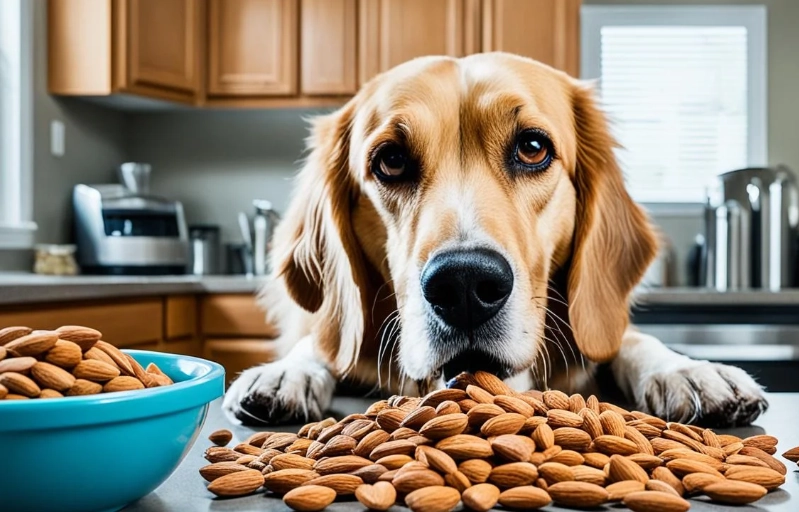
The short, simple answer is yes, almonds are generally considered bad for dogs. They're not a good snack choice. But here's where it gets interesting – and where most articles stop. Unlike chocolate or grapes, almonds aren't classified as acutely toxic in the same way by major animal poison control centers like the ASPCA Animal Poison Control Center. You won't find them on the "Top 10 Most Dangerous" lists. But "not acutely toxic" is a far cry from "safe." It's this gray area that causes so much confusion for pet owners.
I've seen this panic firsthand. A friend once called me in a frenzy because her Beagle ate three almonds. She was googling frantically, reading forums that said everything from "it's fine" to "rush to the emergency vet." The truth, as usual, was somewhere in the middle, and it depended entirely on her specific dog.
The Core Truth: Feeding almonds to your dog is a risk, not a reward. While a single almond might not send a large, healthy dog into immediate crisis, the potential for problems – some serious – is significant enough that veterinarians unanimously advise against it. There are simply too many better, safer options.
The Short Answer vs. The Long Reality
If you need a quick rule: Don't feed your dog almonds. Keep them out of reach. End of story for most practical purposes.
But if you're like me, you want to know why. What exactly makes almonds bad for dogs? Understanding the "why" helps you make better decisions not just about almonds, but about a whole category of human foods. It's not about fear-mongering; it's about informed pet parenting.
The risks aren't about a single poison. It's a combination of physical and physiological hazards that stack the deck against your pup.
The Three Main Reasons Almonds Are "Bad"
1. Choking and Intestinal Blockage (The Physical Hazard): This is the most immediate and concrete danger, especially for smaller breeds. Almonds are hard and oddly shaped. A dog, particularly an eager one, might not chew them properly. A whole almond can easily become lodged in the windpipe, esophagus, or intestines. An intestinal blockage is a surgical emergency. I can't stress this enough – it's painful, expensive, and life-threatening. Even pieces of almonds can cause issues.
2. High Fat Content and Pancreatitis (The Silent Threat): Almonds are high in fat. Dogs' digestive systems aren't designed to handle large, rich doses of fat like ours. For some dogs, even a relatively small amount of high-fat food can trigger pancreatitis – a painful and dangerous inflammation of the pancreas. Symptoms include severe vomiting, diarrhea, abdominal pain, and lethargy. Pancreatitis requires immediate veterinary care. Some breeds, like Miniature Schnauzers, are predisposed to it, but any dog can be affected.
3. Salt, Seasonings, and Mold (The Hidden Dangers): Most almonds we eat are processed. They're salted, flavored with onion or garlic powder (which are toxic to dogs), smoked, or covered in chocolate or candy coatings. Salt can lead to sodium ion poisoning in high amounts, causing excessive thirst, urination, and even seizures. Furthermore, almonds (and other nuts) can sometimes harbor mold that produces aflatoxins, which are poisonous and can cause liver damage. The risk here is lower with commercially sold almonds, but it's another variable in the risk equation.
See what I mean? It's a perfect storm of potential problems. A large dog eating one plain, unsalted almond might just have a bit of an upset stomach or pass it without issue. But you're rolling the dice. Why gamble with your dog's health when the prize is... an almond?
"My Dog Just Ate an Almond!" – What to Do Right Now
Okay, take a breath. Panic doesn't help. Let's walk through the steps logically. This is the information people are desperately searching for when they type "are almonds bad for dogs" after an incident.
- Assess the Situation. How many almonds did they eat? Were they plain, salted, or flavored? What size is your dog? A 10-pound Chihuahua eating five salted almonds is a much bigger concern than a 90-pound Labrador eating one plain almond.
- Check for Immediate Choking. Is your dog pawing at its mouth, drooling excessively, or struggling to breathe? If yes, this is an emergency. You may need to perform a canine Heimlich maneuver or rush to the nearest vet immediately.
- Don't Induce Vomit Unless Instructed. This is crucial. Never induce vomiting without explicit guidance from a veterinarian or poison control expert. If the almond is causing a partial blockage, vomiting could make it worse.
- Call for Professional Advice. This is your best course of action. Contact your regular veterinarian or an emergency animal hospital. For expert, specific toxicology advice 24/7, you can call the ASPCA Animal Poison Control Center (888-426-4435) or the Pet Poison Helpline (855-764-7661). Have your dog's weight and the details of what they ate ready.
- Monitor Closely. If the professional advises monitoring at home, watch for these red flag symptoms over the next 24-48 hours:
- Vomiting or retching
- Diarrhea (especially if it's bloody or unusually foul)
- Loss of appetite or refusing water
- Lethargy or unusual weakness
- Signs of abdominal pain (whining, a hunched back, reluctance to move)
- Straining to defecate or producing no stool (a sign of potential blockage)
A Personal Note: I keep the ASPCA number saved in my phone. It's worth the potential consultation fee for the peace of mind and expert guidance. When in doubt, make the call. It's always better to be told it's minor than to wait and discover it's major.
How Almonds Stack Up: The Nut Risk Ranking
People often ask, "If almonds are bad, what about other nuts?" It's a great question. Not all nuts are created equal in the canine world. Here's a straightforward breakdown. Think of this as your quick-reference guide.
| Nut Type | Risk Level for Dogs | Primary Dangers | Veterinary Advice |
|---|---|---|---|
| Macadamia Nuts | VERY HIGH / TOXIC | Can cause weakness, vomiting, tremors, hyperthermia. Even small amounts are dangerous. Mechanism is not fully understood but well-documented. | STRICTLY AVOID. Consider an emergency if ingested. |
| Walnuts (especially Black Walnuts) | HIGH / TOXIC | High risk of mold (tremorgenic mycotoxins) causing seizures. Black walnuts also contain juglone, which is toxic. Whole nuts are a major blockage hazard. | STRICTLY AVOID. Moldy walnuts are particularly dangerous. |
| Pecans | HIGH | Similar mold risk as walnuts (mycotoxins). High fat content also poses a pancreatitis risk. | STRICTLY AVOID. |
| Almonds | MODERATE to HIGH | Choking/blockage, high fat (pancreatitis), salt/seasonings. Not acutely toxic like macadamias, but significant physical and health risks. | AVOID. Not recommended under any circumstances due to risk/reward imbalance. |
| Pistachios | MODERATE to HIGH | High fat, salt, and major choking/blockage risk from shells. Also potential for mold (aflatoxin). | AVOID. Shells are a severe hazard. |
| Cashews | LOW to MODERATE | Lower risk of mold and not toxic. However, they are very high in fat, so pancreatitis is a real concern. Always unsalted, plain, and given in tiny amounts only if at all. | NOT RECOMMENDED. If given rarely, must be plain, unsalted, and in minute quantities. |
| Peanuts | LOW (with strict conditions) | Not a true nut (legume). Generally non-toxic. Main risks are fat, salt, and choking. Xylitol in some peanut butters is HIGHLY TOXIC. | Plain, unsalted peanuts or xylitol-free peanut butter can be an occasional tiny treat. Always check for xylitol. |
The pattern is clear. Nuts and dogs are a messy mix. The cons almost always outweigh the pros.
What About Other Almond Products? (Almond Butter, Milk, Flour)
This is where people get tripped up. If the almond itself is risky, what about its processed forms? The answer changes because the physical choking hazard is removed, but other risks remain.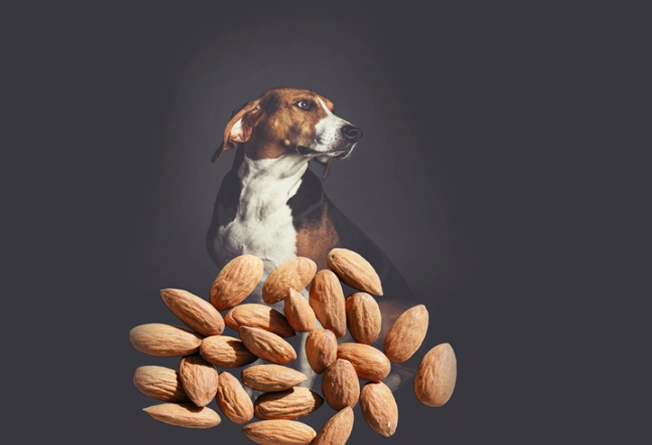
Almond Butter: This is the most common query. Plain, unsalted, xylitol-free almond butter is less dangerous than whole almonds because the blockage risk is gone. However, it is an incredibly concentrated source of fat. A spoonful of almond butter packs the fat of many almonds. Giving your dog almond butter is like inviting pancreatitis to dinner. My personal take? It's just not worth it. If you want to use a nut butter for pill-giving or as a rare treat, 100% pure, xylitol-free peanut butter is a far better (though still high-fat) choice, and even then, only a tiny dab.
Almond Milk: Commercial almond milk is mostly water, with a small percentage of almonds. The plain, unsweetened variety is unlikely to cause harm in a small lick or two. But it offers zero nutritional benefit for dogs and often contains additives like emulsifiers or sweeteners (some use xylitol!). It can also cause stomach upset due to the unfamiliar ingredients. There's simply no good reason to give it to them. Water is perfect.
Almond Flour/Meal: If it's in a baked good your dog snuck, the primary concern shifts to the other ingredients (chocolate, raisins, sugar, xylitol). The almond flour itself, being finely ground, removes the physical hazard and disperses the fat content. It's probably the least concerning form, but again, not an ingredient you should actively seek to feed.
So, What CAN I Give My Dog Instead?
This is the positive flip side! Instead of focusing on what's bad, let's talk about what's good. You want to give your dog a treat? Fantastic! Choose from this safe, vet-approved list. These are lower-risk, healthier options that dogs genuinely love.
- Fresh Fruits & Veggies: Apple slices (no seeds), banana slices, blueberries, strawberries, watermelon (no rind), carrot sticks, cucumber slices, green beans. These are low-calorie, vitamin-rich, and often crunchy!
- Lean Proteins: Small pieces of plain, cooked chicken, turkey, or fish (no bones, no skin, no seasoning).
- Commercial Dog Treats: Formulated specifically for canine digestion. Look for reputable brands with simple ingredients.
- Plain, Air-Popped Popcorn: A few pieces as a fun, low-calorie snack.
- Pumpkin Puree: Plain canned pumpkin (not pie filling) is great for digestion. A spoonful mixed in food is a treat many dogs adore.
See? The options are endless and far safer than rolling the dice with an almond.
Your Questions, Answered (The FAQ Section)
I've been talking to pet owners about this for years. Here are the most common follow-up questions that bubble up after the initial "are almonds bad for dogs" search.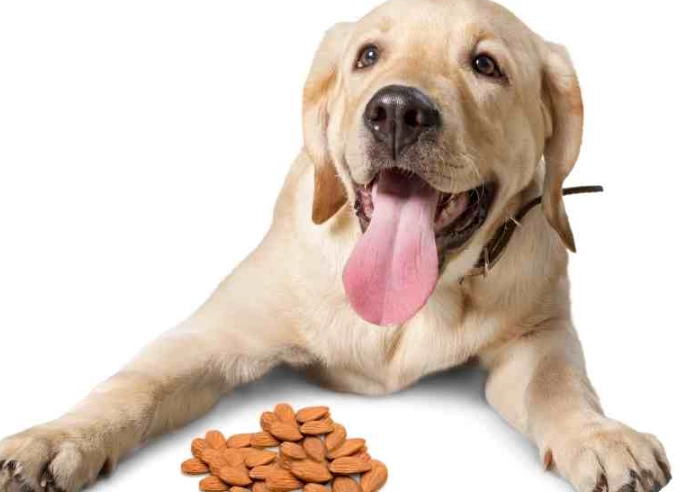
The Bottom Line: A Clear Path Forward
Let's wrap this up with actionable takeaways. After all this talk about whether almonds are bad for dogs, what should you actually do?
First, adopt a firm policy: Almonds are not dog food. They don't belong in your dog's bowl, in their treat pouch, or in their mouth. This simplifies everything. No more wondering, no more guilt about not sharing.
Second, practice safe storage: Keep almonds, trail mix, and baked goods containing nuts in sealed containers in cabinets. Don't leave bowls of nuts on low tables. Dogs are clever and opportunistic.
Third, invest in safe alternatives: Buy or make dog treats you can give freely. Carrot sticks are cheap, crunchy, and dogs love them. You'll feel good giving them, and your dog will be healthy.
Finally, trust professional resources. When questions arise, skip the anonymous forums. Bookmark the AVMA's pet emergency care page or the Merck Veterinary Manual for reliable information. Have your vet's and poison control's numbers handy.
Caring for a dog means making thousands of little decisions for them. The decision about almonds is an easy one. The risks are real, the benefits are nonexistent, and the safe alternatives are plentiful.
So, the next time you're snacking on almonds and see those puppy-dog eyes, you'll know exactly what to do. Give them a loving scratch behind the ears, and then reach for a treat that's made just for them. That's the true sign of a great pet owner.


Leave a comment