Quick Guide
- Why Almonds Are a Problem for Your Cat's Biology
- What If My Cat Just Ate One? Recognizing the Signs
- The Immediate Action Plan: What to Do Step-by-Step
- What About Almond Butter or Almond Milk?
- Safe & Yummy Alternatives: What *Can* You Give Your Cat?
- Your Questions, Answered (The FAQ Section)
- The Bottom Line: Keeping Your Curious Cat Safe
You're standing in the kitchen, maybe cracking open a bag of almonds for your afternoon snack. Your cat, being the ever-curious creature they are, wanders over and gives you that look. You know the one. The "I see you have food, therefore it is also my food" look. And a thought pops into your head: can cats eat almonds? Is it okay to just toss them one? I've been there. With two cats who think they're gourmet food critics, I've had to look this up more than once.
Here's the short answer you probably came for: No, cats should not eat almonds. It's not a good idea. It's not recommended as a treat. It's one of those human foods that falls firmly into the "just don't do it" category for our feline friends. But you're probably wondering why. I mean, almonds are super healthy for us, right? What's the big deal?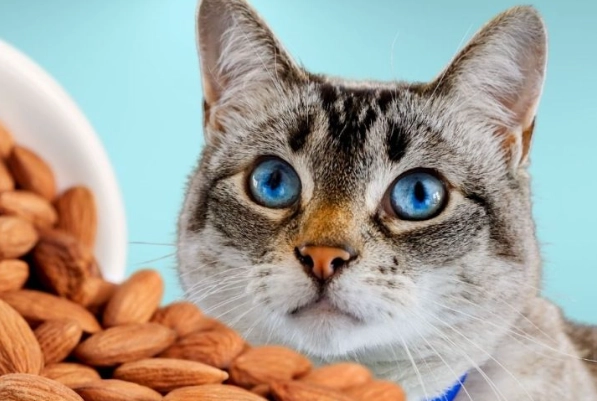
Let's be crystal clear from the start: Feeding almonds to your cat is risky. While a single almond might not be an immediate death sentence for a large, healthy cat, it introduces unnecessary hazards with zero nutritional benefit for them. It's simply not worth the potential vet bill—or the worry.
Why Almonds Are a Problem for Your Cat's Biology
To understand why the answer to "can cats eat almonds" is a resounding no, we need to look at what's in an almond and how a cat's body is wired. They're not just small, furry humans. Their digestive systems are built for meat, not plants and nuts.
The Trouble with Fats and Oils
Almonds are packed with fats. Good fats for us, problematic fats for cats. A cat's pancreas isn't designed to handle large, sudden loads of plant-based fats. This can lead to pancreatitis—a painful and serious inflammation of the pancreas. I've seen a cat with pancreatitis, and it's heartbreaking. Lethargy, hunched posture, vomiting. It's a trip to the emergency vet, for sure.
Think about it. A few almonds for us is nothing. For a 10-pound cat, that's a massive fat intake relative to their size. Their little bodies just can't process it efficiently.
The Hidden Danger: Cyanogenic Glycosides
This is the sciency bit, but stick with me. Bitter almonds (a specific variety, though trace amounts can be in sweet almonds) contain a compound called amygdalin. When chewed and digested, this can break down into hydrogen cyanide. Yes, cyanide.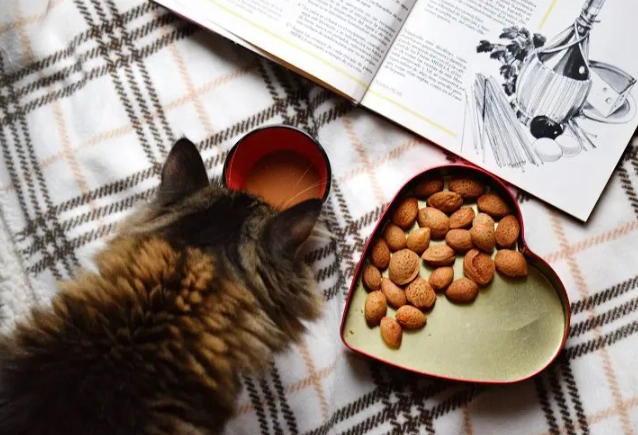
While the risk of acute cyanide poisoning from a few store-bought sweet almonds is very low for cats, the potential exists, especially with bitter almonds or large quantities. The ASPCA Animal Poison Control Center lists compounds that can release cyanide as a concern. Why even flirt with that possibility?
Commercial almonds are usually heat-treated, which reduces this risk, but it's another mark in the "con" column. It adds to the overall burden on your cat's system.
Choking and Obstruction Hazards
This one is often overlooked. Almonds are hard and oddly shaped. A cat might not chew it properly (or at all) and try to swallow it whole. This is a major choking hazard. Even if swallowed, that hard, indigestible lump can cause an intestinal blockage. Surgery for a blockage is expensive, invasive, and terrifying for your pet.
I remember my old cat, Jasper, once tried to swallow a large piece of dry food whole and started choking. The thirty seconds it took for him to cough it up were some of the longest of my life. An almond is harder and more awkward.
Salt, Seasonings, and Other Additives
Let's be real. When we eat almonds, they're rarely plain. They're salted, smoked, honey-roasted, covered in chocolate or wasabi. Salt is terrible for cats in excess, leading to sodium ion poisoning. Symptoms include vomiting, diarrhea, tremors, and even seizures. Garlic or onion powder (common in some seasonings) is highly toxic to cats, damaging their red blood cells.
And chocolate? That's a whole other level of toxic. If you're asking "can cats eat almonds" that are chocolate-covered, the danger is doubled.
What If My Cat Just Ate One? Recognizing the Signs
Okay, so maybe you turned your back for a second, or a piece fell on the floor, and your cat grabbed it before you could react. What now? First, don't panic. One almond is unlikely to cause severe poisoning in a large, adult cat, but you need to be vigilant.
Watch for these symptoms over the next 12-24 hours. If you see any of them, it's time to call the vet.
- Upset Stomach: This is the most common. Vomiting or diarrhea. It might just be their system rejecting the unfamiliar, fatty food.
- Lethargy: Your normally playful cat is just lying around, uninterested in anything. This is a red flag for many issues, including pancreatitis.
- Loss of Appetite: If they're turning their nose up at their next meal, something's wrong.
- Abdominal Pain: They might yowl when picked up, not want to be touched on the belly, or sit in a hunched position.
- Tremors or Difficulty Walking: This could indicate salt poisoning or a more severe reaction.
- Pacing, Restlessness, or Distress: A sign of pain or discomfort.
The size of your cat matters a lot here. One almond for a 15-pound Maine Coon is a very different scenario than one almond for a 5-pound kitten. Kittens, older cats, and cats with pre-existing conditions like diabetes or kidney disease are at much higher risk.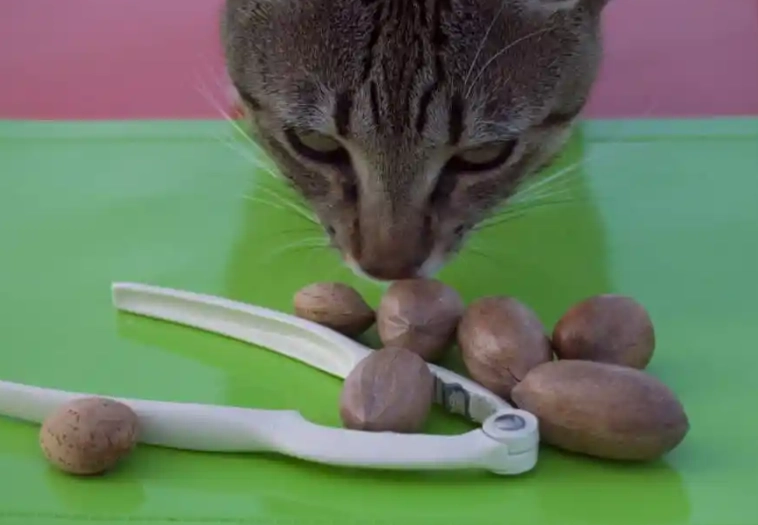
The Immediate Action Plan: What to Do Step-by-Step
Let's make this a simple checklist. If you suspect your cat ate an almond, run through this.
- Don't Induce Vomiting. Unless your vet explicitly tells you to, do not try to make your cat vomit. You could cause more harm, like aspiration pneumonia.
- Assess the Situation. How many did they eat? Were they plain, salted, or flavored? What's your cat's size and usual health?
- Remove Access. Get the almonds and the bag far away from your cat to prevent a second helping.
- Call for Professional Advice. This is the most important step. Call your regular vet or an emergency pet poison hotline immediately. Have the following info ready:
- Your cat's approximate weight and age.
- The type and approximate amount of almonds ingested.
- Any symptoms you're observing, no matter how minor.
- Follow Instructions. The vet might tell you to monitor at home, or they might ask you to bring them in. Follow their lead. They might want to induce vomiting professionally or provide supportive care.
Keep these numbers handy: Your regular vet's number and the ASPCA Animal Poison Control Center (888-426-4435) or the Pet Poison Helpline (855-764-7661). These hotlines have veterinary toxicologists on staff and are available 24/7. There may be a consultation fee, but it's worth it for expert guidance.
What About Almond Butter or Almond Milk?
This is a logical next question. If the whole nut is bad, what about the processed forms? The answer gets a bit more nuanced, but the core principle remains: it's not recommended.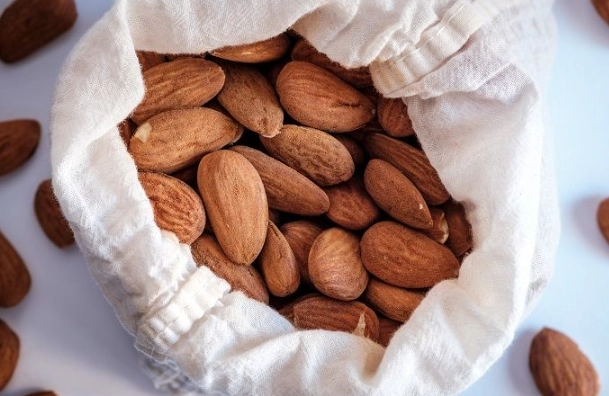
Almond Butter: Usually just ground almonds and maybe salt. It still has the high fat content, posing a pancreatitis risk. It's also sticky and could be a choking hazard. Many commercial brands add sugar or xylitol—a sweetener that is extremely toxic to dogs and whose effects on cats are not fully understood but are best avoided. So no, skip the almond butter.
Almond Milk: This is mostly water. The plain, unsweetened variety in a tiny lick is less likely to cause immediate harm. But here's the thing—it offers no benefit. Cats are obligate carnivores; they get no nutrition from it. Many almond milks contain additives like emulsifiers, vitamins, or sweeteners that aren't meant for cats. It can also cause stomach upset or diarrhea due to the unfamiliar ingredients. So while a tiny accidental lap might not be an emergency, it's not something to offer intentionally.
It always comes back to this: why risk it when there's no upside? Cats need meat-based protein and specific nutrients like taurine, which you won't find in any almond product.
Safe & Yummy Alternatives: What *Can* You Give Your Cat?
I get it. You want to share a snack with your furry buddy. That bonding moment is special. The good news is, there are plenty of safe, cat-approved treats that will make them much happier than an almond ever could.
Here’s a quick comparison of human snacks vs. cat-safe options:
| Human Snack (Not Recommended) | Why It's Risky for Cats | Cat-Safe Alternative | Why It's Better |
|---|---|---|---|
| Almonds (any kind) | High fat, choking, potential toxins, salt. | Freeze-dried chicken or salmon bites | Pure protein, no additives, crunchy texture they love. |
| Almond Butter | High fat, potential xylitol, sticky. | A tiny bit of plain, cooked chicken or turkey | Familiar, delicious, species-appropriate protein. |
| Almond Milk | Additives, no nutritional value, stomach upset. | A catnip or silvervine toy | Mental stimulation and play, zero calories. |
| Other Nuts (walnuts, pecans) | Similar high-fat risks, mold concerns. | Commercial cat treats (used sparingly) | Formulated for their dietary needs, controlled portions. |
The best treats are simple. A small piece of cooked, unseasoned meat (chicken, turkey, beef) is like filet mignon to them. You can find high-quality, single-ingredient freeze-dried treats at pet stores. Or, use a few pieces of their regular kibble as a "treat"—it's balanced for their diet and keeps calories in check.
Your Questions, Answered (The FAQ Section)
The Bottom Line: Keeping Your Curious Cat Safe
Look, our cats are family. We want to give them the world. Sometimes that impulse leads us to share our food. But their little bodies are built so differently from ours. What's a healthy snack for us can be a genuine hazard for them.
So, to finally and conclusively answer the question, can cats eat almonds? No. They shouldn't. It's not a treat. It carries risks of stomach upset, pancreatitis, obstruction, and exposure to toxic seasonings for absolutely no nutritional gain on their part.
The best policy is to keep all nuts and human snacks out of their reach. Enjoy your almonds, but when those pleading eyes look up at you, reach for the bag of freeze-dried liver treats instead. Or give them an extra chin scratch. They'll love you just as much for it, and you'll both sleep easier knowing they're safe and healthy.
For the most reliable, science-backed information on feline nutrition and toxins, always refer to authoritative sources like the ASPCA Animal Poison Control Center, the Cornell Feline Health Center, or have a conversation with your own veterinarian. They know your cat's unique health history best.
At the end of the day, a little caution goes a long way in ensuring we have many happy, healthy years with our quirky, wonderful feline companions.

Leave a comment