You've probably seen them—those hard, off-white sticks that look like giant cheese puffs. Yak chews are everywhere in pet stores and online. And the question I get asked more than any other is simple: "Are these things actually safe for my dog?" The short answer is yes, yak chews can be a safe and fantastic treat for most dogs. But that "yes" comes with a stack of conditions thicker than the chew itself. After a decade of working with dogs and seeing everything from blissful gnawing to frantic vet visits, I can tell you that safety isn't about the product alone. It's about the dog, the situation, and how you use it. Let's cut through the marketing and get real about what makes a yak chew safe or a potential hazard.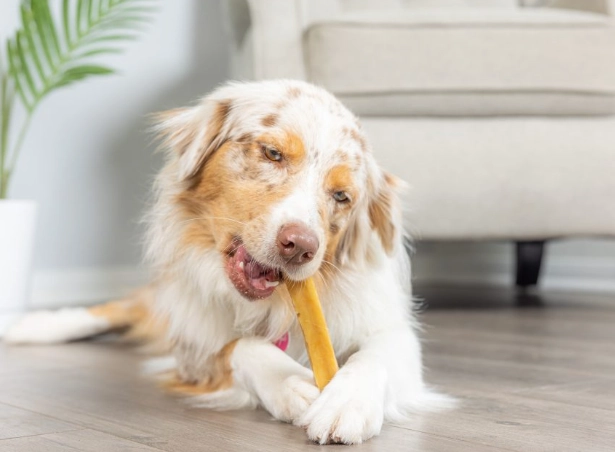
What's Inside This Guide
What Exactly Are Yak Chews?
Let's start with the basics. A yak chew isn't just a dried piece of meat. It's a hardened cheese snack made from a simple recipe: yak milk, cow milk, a bit of lime juice, and salt. The mixture is cooked, smoked, and then dried for weeks until it becomes rock-hard. This process is similar to making hard cheeses like Parmesan. The result is a highly durable, long-lasting chew that satisfies a dog's natural urge to gnaw. They originate from the Himalayan regions, where they've been made for centuries. The key to their safety profile starts with this simple, natural ingredient list—no artificial preservatives, flavors, or rubber and plastic like some synthetic chews.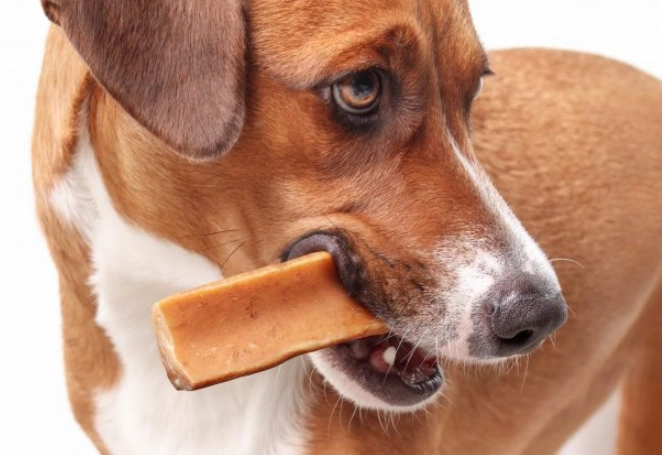
The Safety Benefits (Why They're So Popular)
Compared to many other chews on the market, yak chews have some clear safety advantages. It's why I often recommend them over rawhide or plastic bones.
Dental Health Boost: The hard texture provides excellent mechanical scraping against the teeth. This can help reduce plaque and tartar buildup, contributing to better gum health. It's not a substitute for brushing, but it's a helpful addition. The American Veterinary Dental College notes that chewing activities can help with oral hygiene, and a hard, abrasive chew like this fits the bill.
Long-Lasting and Mentally Stimulating: A good yak chew can keep a dog occupied for hours, providing mental enrichment and reducing boredom-related behaviors like destructive chewing. A tired, mentally engaged dog is generally a safer and happier dog.
Low Odor and Less Messy: They don't leave greasy stains on your carpet like some meaty chews, and the smell is mild. From a practical safety standpoint, that means you're more likely to allow your dog to enjoy it on the couch without worry.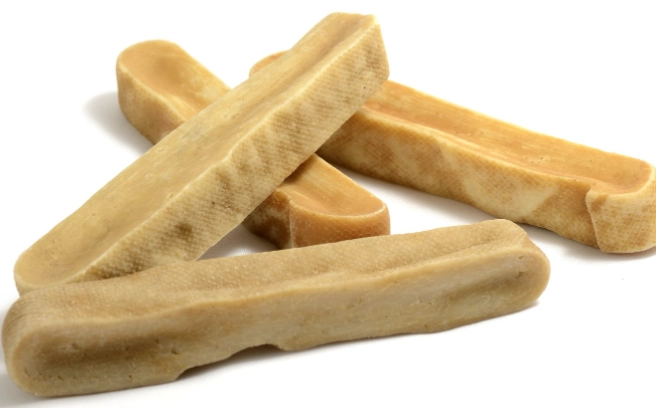
The Potential Risks You Can't Ignore
Now, here's where most generic articles stop. But the real safety discussion starts with the risks. Ignoring these is how problems happen.
1. The Tooth Fracture Risk (Especially for Power Chewers)
This is the big one. A fully dried, premium yak chew is extremely hard. I've seen dogs with teeth strong enough to crack elk antlers go straight to work on these. For a dog that chews with intense, focused force (think: German Shepherds, Malinois, some Labs), there is a genuine risk of cracking a premolar or molar. The risk is highest with a fresh, full-sized chew. It's less about the dog's size and more about their chewing style. The gentle, patient gnawer is at low risk. The "crack-it-open-now" chewer needs careful management.
2. The Choking and Intestinal Blockage Hazard
As the chew gets worked down, a small, hard remnant is left. This "nub" or "end piece" is the most dangerous part. It's the perfect size to be swallowed whole, posing both a choking risk and a serious blockage risk in the intestines. This is the number one cause of yak chew-related vet emergencies. Letting your dog have free reign over the final inch is a major mistake.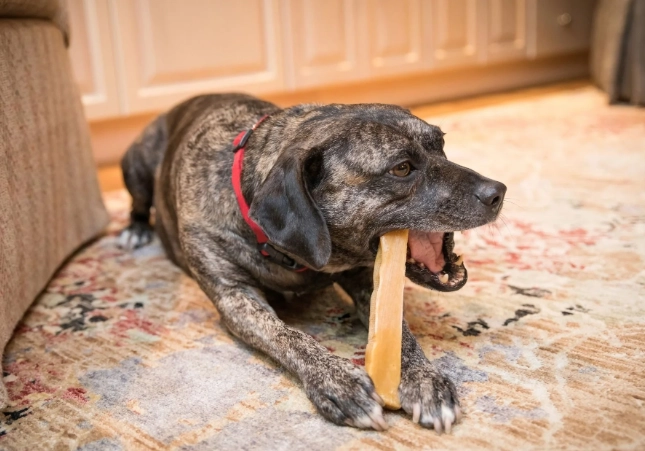
3. Stomach Upset in Sensitive Dogs
While digestible for most, yak chews are rich in dairy and protein. Dogs with sensitive stomachs, food allergies, or lactose intolerance may experience vomiting, diarrhea, or gas. Introducing any new treat slowly is key.
4. Calorie Content and Weight Gain
They are a treat, not a food. A standard chew can have 100-200 calories. Giving one too frequently without adjusting meal portions can lead to weight gain, which brings its own set of health and safety issues.
How to Choose a Safe Yak Chew for Your Dog
Safety starts at the point of purchase. Picking the right one is half the battle.
| Dog Size/Type | Recommended Chew Size | Special Considerations |
|---|---|---|
| Small Dogs & Puppies (e.g., Chihuahua, Yorkie) | Mini or Small | Supervise closely. Puppies' teeth are developing. Choose softer "starter" chews if available. The final nub is especially dangerous for tiny throats. |
| Medium Dogs & Average Chewers (e.g., Beagle, Cocker Spaniel) | Medium | The most common and generally safe size. Still enforce the nub rule. |
| Large Dogs & Power Chewers (e.g., German Shepherd, Pit Bull) | Large or Extra Large | Soak the end first. This expert tip is rarely mentioned. Soak the first inch of the chew in warm water for 5-10 minutes before giving it. This slightly softens the initial impact zone, reducing the shock to the teeth. It's a game-changer for safety. |
| Senior Dogs or Dogs with Dental Issues | Mini or avoid altogether | If your dog has worn teeth, dental disease, or missing teeth, consult your vet. The hardness may be inappropriate. |
Beyond size, look at the brand. Reputable brands are more consistent in their drying process. A poorly made chew might be brittle and splinter more easily. Check reviews and look for companies that are transparent about sourcing.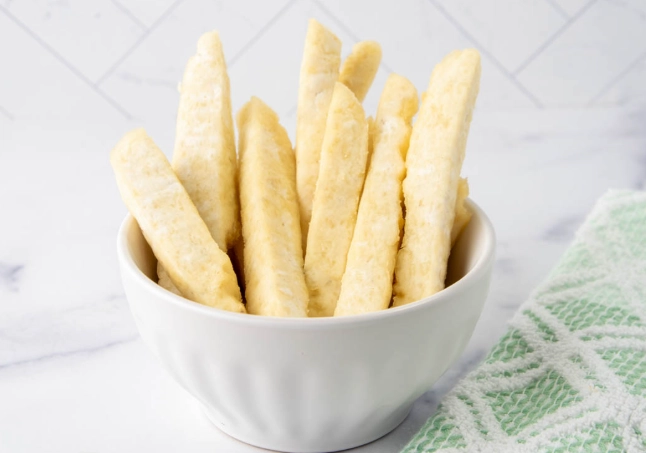
The Right Way to Supervise Your Dog With a Yak Chew
You wouldn't leave a toddler alone with a new toy with small parts. Don't leave your dog alone with a yak chew, especially in the early sessions. Here's your supervision checklist:
- First 10 Minutes: Watch the chewing style. Is it aggressive and forceful, or slow and gnawing? Aggressive chewing means shorter, more supervised sessions.
- The Swap Trick: When the chew gets down to that dangerous small size, don't just take it. Offer a high-value trade—a piece of chicken, a favorite toy. This prevents resource guarding and makes the process positive.
- Know When to Soak: For power chewers, remember the pre-soak. For all dogs, when the nub is too small to chew but you don't want to waste it, you can microwave it. 20-45 seconds turns it into a puffed, crunchy, fully edible (and safe-to-swallow) treat. Let it cool completely first.
- Set a Time Limit: Even for gentle chewers, limit sessions to 20-30 minutes. This gives their jaw muscles a rest and prevents overconsumption.
I learned the hard way with my own dog, a sturdy mixed breed. I gave him a large chew and got distracted on a work call. Twenty minutes later, I heard a frantic crunching—he'd powered through half of it and was trying to break off a huge chunk. No harm done, but it was a wake-up call. Active supervision isn't optional.
Your Yak Chew Safety Questions Answered
So, are yak chews safe for dogs? They can be an exceptionally safe and satisfying option—if you are an active participant in the process. Choose the right size, supervise every session, enforce the nub rule religiously, and understand your own dog's chewing personality. When used correctly, they're a tool for dental health and mental enrichment. Used carelessly, they're a hazard. Your dog's safety doesn't depend on the chew in the bag; it depends on the owner holding the other end of it.



Leave a comment