You hear a yelp from the backyard. You rush out to find your dog, Buddy, limping with a fresh cut on his paw pad. Your mind races—you need to clean it. The brown bottle of hydrogen peroxide in the medicine cabinet flashes in your mind. It bubbles, it must be working, right? Hold on. Before you reach for it, let's talk. The advice on using hydrogen peroxide for dog wounds has shifted dramatically. Many vets now actively discourage its routine use. This isn't about being overly cautious; it's about understanding how wound healing actually works and why that familiar fizz might be doing more harm than good.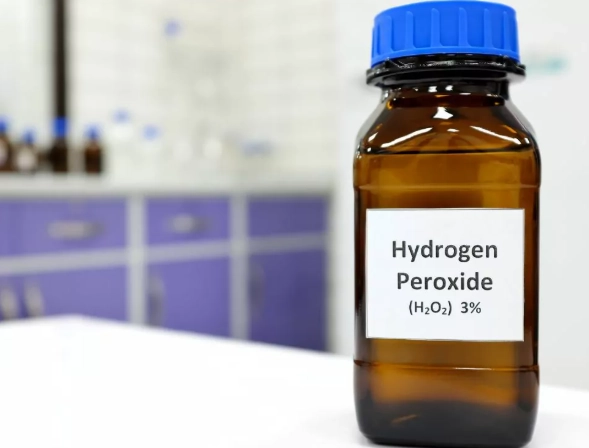
What's Inside This Guide
The Problem with the Fizz: Why Vets Are Wary
That satisfying foam is hydrogen peroxide breaking down into water and oxygen. It's this oxidative action that kills bacteria. Sounds perfect. Here's the catch everyone misses: it's not selective. It can't tell the difference between bad bacteria and the brand-new, healthy cells your dog's body is desperately trying to grow to repair the wound.
Think of these new cells—fibroblasts and epithelial cells—as tiny, delicate construction workers arriving at a damaged site. Hydrogen peroxide is like dumping a harsh chemical on the entire construction zone. It might wash away some debris, but it also injures or kills the workers. This delays the entire healing project.
A key insight from practice: I've seen countless minor scrapes turn into stubborn, slow-healing wounds because well-meaning owners diligently applied hydrogen peroxide twice a day. The wound looked "clean" but was stuck in a cycle of surface damage, never progressing to proper closure. The skin around it often became red, irritated, and even more vulnerable.
Beyond tissue damage, there's the pain factor. Pouring it on an open wound stings. A lot. This can make your dog fearful of future wound care, turning a simple cleaning into a stressful battle.
When You Should Absolutely Avoid Hydrogen Peroxide
In some situations, using hydrogen peroxide isn't just unhelpful; it's dangerous. Mark these down.
Deep Punctures or Lacerations
For a deep wound from a bite, nail, or sharp object, the foaming action can trap oxygen bubbles and push debris deeper into the tissue tract. This can spread contamination and create a perfect environment for a deep-seated infection or abscess. These wounds need professional flushing and often antibiotics.
Wounds Near Eyes, Ears, or Mouth
The mucous membranes in these areas are extremely sensitive. Accidental contact can cause significant pain and damage. Never risk it.
Chemical Burns or Unknown Substances
If the wound is from a chemical, mixing hydrogen peroxide with it can cause an unpredictable and potentially harmful reaction. Flush extensively with cool water instead and call your vet.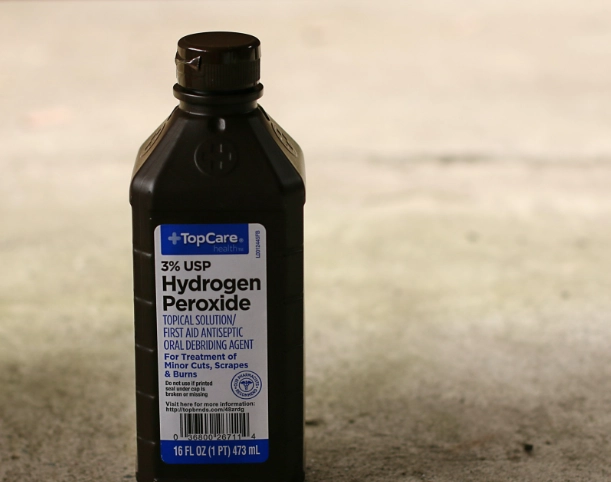
Stitches or Surgical Incisions
Using it on a vet-closed wound can break down the sutures and the delicate new tissue holding the incision together. Only use what your veterinarian specifically prescribed for post-op care.
Critical reminder: Hydrogen peroxide should never be used to induce vomiting unless directed by a veterinarian or animal poison control center in real-time. The foaming can cause severe esophagitis or aspiration pneumonia.
If You Must Use It: The Only Safe Method
Let's say you're dealing with a very superficial scrape on a dog's knee, it's dirty, and saline or chlorhexidine isn't available. You decide hydrogen peroxide is your only immediate option. If you go this route, you must dilute it.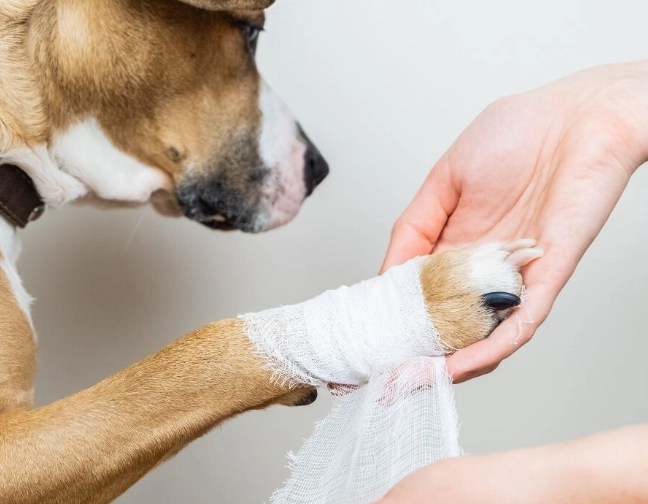
The Golden Rule: Dilute 3% hydrogen peroxide with an equal part of clean, lukewarm water. This makes a 1.5% solution, reducing (but not eliminating) the tissue toxicity.
Here’s the step-by-step no one gives you:
- Gather your supplies: The diluted peroxide, sterile gauze pads (cotton balls can leave fibers), a bowl, and a towel.
- Restrain gently but firmly. Have someone help hold your dog if needed. Anxiety makes everything harder.
- Soak, don't pour. Soak a gauze pad thoroughly in the diluted solution. Gently dab and wipe the wound from the center outward. Do NOT pour the liquid directly into the wound.
- Rinse it off. This is the step most people skip. After cleaning, take a new gauze pad soaked in plain warm water and wipe the area to rinse away any residual peroxide. Leaving it on continues the damaging effect.
- Pat dry gently with a clean, dry gauze pad.
Use this method once only for the initial clean of a dirty, minor abrasion. Do not make it part of a daily cleaning routine.
Safer, More Effective Alternatives for Canine First Aid
For most at-home wound care, you have better options. Here’s what I recommend keeping on hand instead.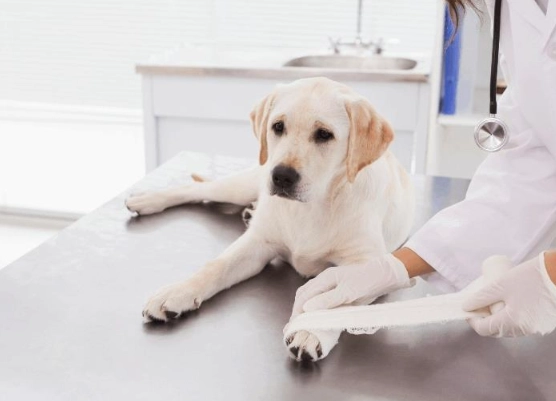
Sterile Saline Solution
This is the gold standard for simple wound flushing. It's isotonic, meaning it matches the salinity of body fluids, so it cleans without damaging cells. You can buy sterile saline in bottles or ampules. Use it to liberally flush out debris. Pressure is key—a gentle stream from a syringe works better than a dab.
Dilute Chlorhexidine Solution
Chlorhexidine (often sold as Hibiclens, but ensure it's the non-irritating, surgical scrub version) is a much better antiseptic for skin. It has persistent activity and is less damaging to tissue. Important: You must dilute it. A 0.05% solution is typical for wound care—that's about one ounce of 2% chlorhexidine in a gallon of water. Pre-diluted veterinary solutions are available and take the guesswork out.
Mild Liquid Soap and Water
For cleaning the fur and skin around a wound (not directly in it), a mild, fragrance-free soap with lots of warm water is perfectly effective and gentle.
Building Your Dog's First Aid Kit: What to Actually Stock
Let's get practical. Here’s what to put in your kit so you're never tempted to misuse the peroxide.
- Sterile Saline: For eye rinsing and wound flushing.
- Veterinary Antiseptic: A bottle of pre-diluted chlorhexidine or povidone-iodine solution.
- Sterile Gauze Pads and Roll Gauze: For cleaning and wrapping.
- Self-Adhering Vet Wrap: This sticks to itself, not fur. Essential for holding bandages.
- Blunt-tipped Scissors: For cutting bandage materials safely.
- Tweezers: For removing splinters or debris.
- Digital Thermometer: Know your dog's normal temp (100-102.5°F).
- Your Vet's & Emergency Clinic's Numbers: Programmed in your phone and printed in the kit.
Notice what's not on the must-have list? Hydrogen peroxide. If you have a bottle, put it in the back of the cabinet for disinfecting human first aid tools, not for your dog's skin.
Your Top Questions, Answered Honestly
The bottom line is this: wound care is about supporting the body's natural healing process, not attacking the wound. In nearly every scenario for dogs, there is a safer, more modern alternative to hydrogen peroxide. Stock your kit with those alternatives. Use the peroxide for cleaning your own scrapes if you like, but for Buddy's sake, let that bottle sit this one out. When you're unsure, a call to your vet is always the best first step—it can save you a lot of worry and your dog unnecessary discomfort.


Leave a comment