In This Guide
Let's be real – the internet is full of conflicting advice about what's good for our dogs. One minute you're reading about a miracle herb, the next you're down a rabbit hole of horror stories. It's enough to make any pet parent's head spin. I've been there, staring at my dog, wondering if that sprinkle of parsley in his food is a genius move or a terrible mistake.
After years of talking to holistic vets, sifting through research (the real kind, not just forum posts), and a fair bit of cautious trial and error with my own senior Labrador, I've come to see herbs not as a magic bullet, but as a powerful, gentle tool in our pet-care toolkit. The key isn't just knowing the best herbs for dogs, but understanding the why, the how, and the very important "be careful."
This isn't about replacing your vet. Think of it like this: modern medicine is the emergency brake and the engine. Herbs are the regular maintenance, the high-quality oil, the little tweaks that keep everything running smoothly for longer. So, if you're curious about giving your dog a more natural boost, you're in the right place. We're going to cut through the hype and look at what actually works.
First Things First: Can Dogs Even Have Herbs?
This is the big question, right? We all know chocolate is a no-go, but what about the green stuff from the garden? The answer is a careful "yes, but." Dogs have been self-medicating with plants in the wild for ages. Their bodies can process many plant compounds, but they are not small humans. Their metabolism is different.
The absolute golden rule? Consult your veterinarian before starting any new herb. I can't stress this enough. If your vet isn't knowledgeable about herbs, ask for a referral to a holistic or integrative vet. A great resource to start that conversation is the American Holistic Veterinary Medical Association (AHVMA) website, where you can find a practitioner near you. This is crucial for safety.
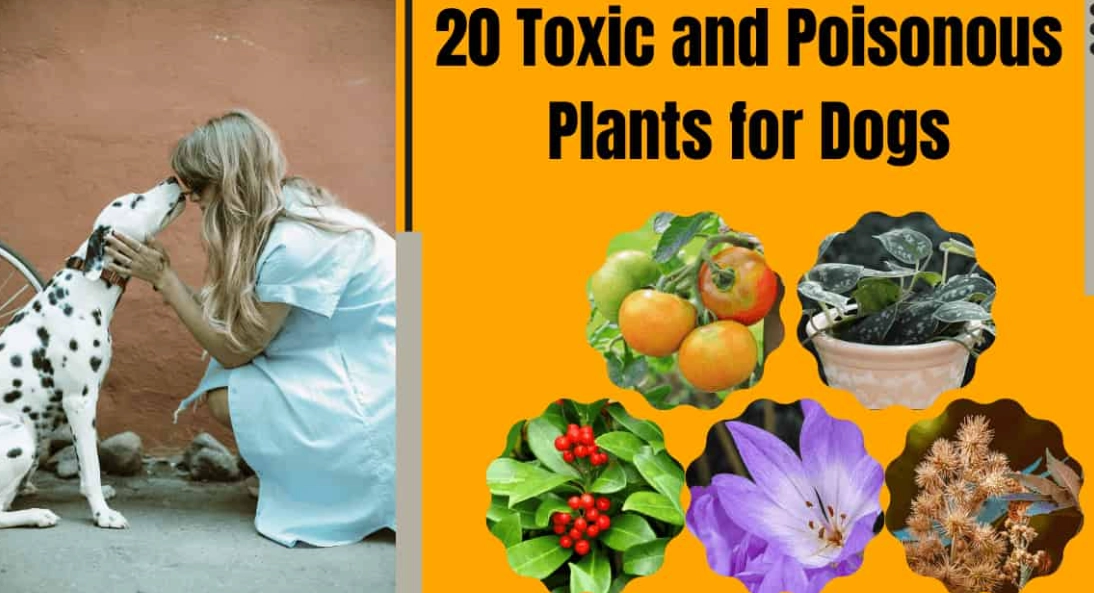
Red Flag Alert: Some common human herbs are toxic to dogs. Never give your dog garlic or onion in large amounts (small, cooked bits in food are usually okay, but why risk it?). Avoid pennyroyal, comfrey (especially long-term), and wormwood unless under direct veterinary supervision. When in doubt, leave it out.
Alright, with the safety talk out of the way (sorry, but it had to be front and center), let's dive into the good stuff. What are the genuine, time-tested, and research-backed best herbs for dogs?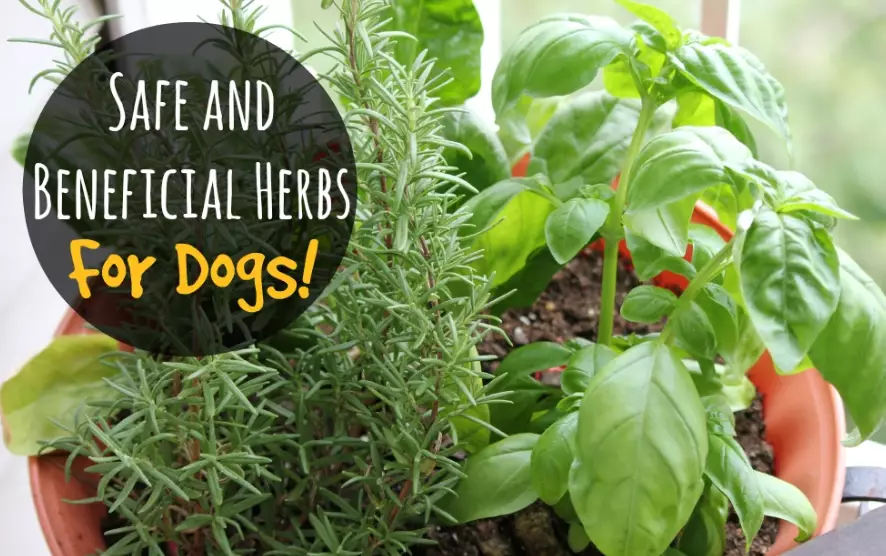
The Top Contenders: Herbs That Actually Deliver
I like to break these down by what they're good for. Because let's face it, you're probably here looking for something specific – maybe your dog's joints are creaking, or their nerves are frayed during thunderstorms.
For the Anxious Pooch: Calmers and Stress-Busters
If fireworks season turns your brave guard dog into a trembling pile of fur under the bed, these herbs might be a game-changer.
Chamomile: This isn't just for tea. Chamomile is a fantastic mild sedative and anti-inflammatory. I've used a cooled chamomile tea (just the plain, caffeine-free kind) added to my dog's water bowl on vet visit days. It takes the edge off without making him dopey. It's great for minor stomach upsets too. You can find it in tinctures or simply use the tea bags.
Valerian Root: Think of this as nature's Valium (but much gentler). It's potent for anxiety and stress. The smell is... distinctive (think old socks), so dogs usually accept it in a capsule or a treat rather than a powder on food. It's one of the best herbs for dogs with noise phobias. Start with a low dose a few hours before the anticipated stressor.
Ashwagandha: This is an adaptogen, which is a fancy word for an herb that helps the body manage stress. It's not a sedative; it helps your dog's system become more resilient to stressors over time. This is more of a long-term supplement than an acute fix for a thunderstorm. I'm a bit skeptical about trends sometimes, but the research on adaptogens for pets is growing and pretty compelling.

For Tummy Troubles: Digestive Aids
Dogs eat gross things. It's a fact of life. These herbs can help soothe the aftermath.
Ginger: The king of nausea relief. Motion sickness, post-operative nausea, or just an upset tummy from scavenging – a little fresh grated ginger (about 1/4 tsp for a medium dog) or a ginger chew can work wonders. It's also anti-inflammatory. I always keep a ginger root in the fridge.
Slippery Elm Bark: This is a demulcent, meaning it coats and soothes irritated mucous membranes in the digestive tract. For dogs with occasional diarrhea or mild IBS symptoms, it's a godsend. You mix the powder with cold water to form a gel, then mix that into food. It's messy, but effective.
Fennel Seed: A great carminative, which means it helps expel gas and reduce bloating. If your dog tends to get gassy after meals, a pinch of fennel seed powder can help. It's also mildly sweet, so some dogs like the taste.
For the Creaky Senior: Joint and Mobility Support
Watching your dog struggle to get up is heartbreaking. While herbs won't reverse arthritis, they can reduce inflammation and pain significantly.
Turmeric (with Black Pepper): This is probably the poster child for natural anti-inflammatories. Curcumin, the active compound in turmeric, is powerful. But here's the critical part: it's poorly absorbed on its own. You must give it with a fat (like coconut oil) and a pinch of black pepper (piperine), which boosts absorption by a huge margin. I make a "golden paste" for my Lab, and the improvement in his morning stiffness was real. Don't expect overnight miracles, but over a few weeks, you might see a real difference.
Boswellia (Frankincense): This resin is a potent anti-inflammatory specifically for joint and connective tissue. It works differently from turmeric, so they can be used together for a synergistic effect. Look for extracts standardized for AKBA content. It's one of the more expensive herbs, but for good reason.
Devil's Claw: Don't let the name scare you. It's a renowned analgesic and anti-inflammatory for musculoskeletal pain. It can be harsh on the stomach for some dogs, so it's best given with food. Some vets prefer it over turmeric for more acute pain. Again, vet guidance is key here.
Pro Tip: For joint health, herbs work best as part of a package deal: a good diet, maintaining a healthy weight (so important!), and appropriate, gentle exercise. The herbs support the body's efforts; they don't do all the work alone.
For Overall Vitality: Immune and General Health Tonics
These are the everyday heroes, the herbs you might use to just keep your dog's system running in top gear.
Milk Thistle: This is the liver's best friend. The active compound, silymarin, protects and helps regenerate liver cells. It's fantastic for older dogs, dogs on long-term medications (always check for interactions!), or after an exposure to toxins. Many detox blends feature milk thistle as the star. I give it to my dog for a month twice a year as a general cleanse.
Echinacea: The classic immune stimulant. The key with echinacea is to use it at the first sign of a cold or infection, and only for short periods (7-10 days). Don't give it daily long-term, as it can overstimulate the immune system. It's great for that occasional "kennel cough" type of situation.
Parsley: Yes, the common garnish! It's a mild diuretic, great for urinary tract health and freshening breath. Just use the flat-leaf or curly parsley, not spring parsley which can be toxic in large amounts. A sprinkle on food is perfect.
How to Give Herbs to Your Dog: A Practical Guide
Knowing the best herbs for dogs is half the battle. The other half is getting them into your dog. You can't just hand them a sprig of rosemary.
- Fresh: Some, like ginger or parsley, can be finely grated or chopped and added to food.
- Dried/Powdered: You can buy herbs in powder form and mix them into wet food. Start with a tiny amount to ensure they'll eat it.
- Tinctures/Liquid Extracts: These are concentrated alcohol or glycerin extracts. Glycerin-based ones are sweet and alcohol-free, often preferred for pets. You drop the dose directly into the mouth or onto food. They're potent and easy to dose.
- Capsules: Easy to administer if your dog is a pill-pro. You can also open the capsule and mix the powder into a strong-smelling treat like liver pâté.
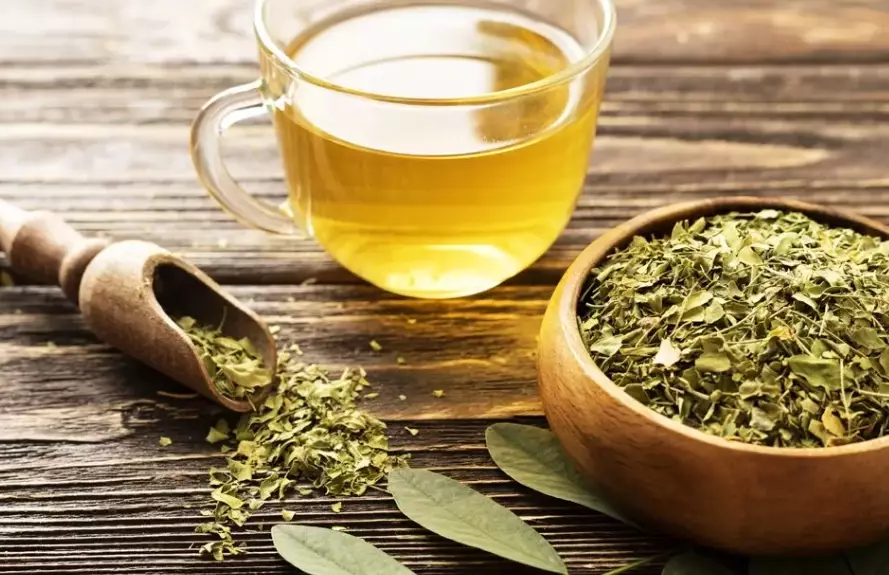
- Teas/Infusions: As mentioned with chamomile, you can brew a weak tea, let it cool, and add it to drinking water or food.
Dosage is everything. It depends on the herb, the form, your dog's size, and their health condition. There is no one-size-fits-all chart. A reputable herbal product for pets will have dosage instructions. When in doubt, the advice on the American Botanical Council's HerbalGram site is to start low and go slow. Sometimes, less is more.
Safety First: A Quick-Reference Table of Herb Uses & Cautions
This table sums up some of the top best herbs for dogs and what you need to watch out for. It's a cheat sheet, not a replacement for professional advice.
| Herb | Primary Uses For Dogs | Best Form To Use | Key Cautions & Notes |
|---|---|---|---|
| Turmeric | Arthritis, general inflammation, antioxidant support | Powder (as Golden Paste), capsule | ALWAYS give with fat & black pepper for absorption. Can stain. May thin blood. |
| Chamomile | Mild anxiety, stomach upset, skin irritation (topical) | Tea, tincture, dried | Very safe. Rare allergic reaction possible. Don't use if on sedatives. |
| Milk Thistle | Liver support & detoxification, after toxin exposure | Tincture, capsule | Very safe. Can cause loose stool at high doses. Essential for medicated dogs. |
| Ginger | Nausea, motion sickness, digestive aid, anti-inflammatory | Fresh grated, powder, crystallized (sugar-free) | Very safe. Large amounts may cause heartburn. Great for car rides. |
| Valerian Root | Anxiety, hyperactivity, insomnia | Tincture, capsule | Strong smell. Can cause drowsiness. Don't mix with prescription sedatives. |
| CBD Oil (Hemp) | Anxiety, pain, inflammation, seizures | Oil tincture, treats | NOT an herb but often grouped here. Use THC-free, full-spectrum from reputable brands. Vet consultation crucial. |
| Slippery Elm | Diarrhea, IBS, soothing digestive tract | Powder (mixed to a gel) | Give 2 hours apart from other medications, as it can hinder absorption. |

Answering Your Questions: The Herbal FAQ
I get asked these all the time. Let's tackle them head-on.
Can I grow my own herbs for my dog?
Absolutely! It's a fantastic way to ensure quality. Grow organic parsley, mint (great for breath), basil, and rosemary (in small amounts) in a pot. You know exactly what's gone into them. Just avoid using pesticides.
How long does it take to see results from herbal remedies?
This is where people get impatient. Acute issues (like nausea from ginger) can see results in hours. Chronic issues (like arthritis pain with turmeric) may take 4-6 weeks of consistent use to show noticeable improvement. Herbs work by supporting the body's own healing processes, which isn't always instant.
Are there any herbs that are bad for specific dog breeds?
Yes, and this is a nuanced point many guides miss. For example, some herding breeds (Collies, Shelties) can have a genetic mutation (MDR1) that makes them sensitive to certain drugs and plant compounds. It's another huge reason to talk to a vet who knows your dog's history. The FDA's Animal & Veterinary resource center sometimes has alerts on natural products that can be valuable to check.
My dog is on medication. Can I still use herbs?
This is the million-dollar question. Maybe, but only with your vet's approval. Some herbs interact with medications. For example, turmeric (blood thinner) shouldn't be mixed with NSAIDs like Rimadyl. Milk thistle can interact with certain chemotherapy drugs. A full disclosure to your vet is non-negotiable.
How do I choose a quality herbal product for my pet?
The market is flooded with junk. Look for companies that:
- Use organic or ethically wildcrafted herbs.
- List the scientific (Latin) name of the herb on the label.
- Standardize their extracts (meaning they guarantee a certain amount of the active compound).
- Have clear dosing instructions for pets.
- Offer third-party testing or are transparent about their sourcing.
It often costs more, but with herbs, you truly get what you pay for.
The Final Word: A Balanced Approach
Exploring the best herbs for dogs has been a rewarding journey for me and my old boy. It's given me a way to proactively support his health in his golden years. But the biggest lesson I've learned is about balance. Herbs aren't a cure-all. They're part of a bigger picture that includes excellent nutrition, regular vet care, plenty of love, and a good walk in the sunshine.
Start with one herb for one specific issue. Observe your dog closely. Keep a little journal if you have to. Note any changes, good or bad. And always, always keep that line of communication open with your veterinarian. When used wisely, responsibly, and with a healthy dose of common sense, these gifts from nature can help your dog live a happier, more comfortable life. And isn't that what we all want?
 Honestly, if you take away one thing from this, let it be this: trust your gut as a pet parent, but verify with a professional. Your dog is counting on you to make the smart calls. Now go give your pup a scratch behind the ears – they probably deserve it just for being them.



Leave a comment