What You’ll Find Here
- So, What's Actually in Chicken Broth That's Good for Cats?
- The Top Benefits of Chicken Broth for Cats (Backed by Common Sense)
- The Non-Negotiable Safety Rules: What Makes Broth Bad for Cats
- Store-Bought vs. Homemade: Which is Better for Your Cat?
- How to Make Cat-Safe Chicken Broth at Home (Simple Recipe)
- Answering Your Burning Questions (FAQ)
- Wrapping It Up: A Simple, Powerful Tool
Let's be honest, getting a cat to drink enough water can sometimes feel like a part-time job. You buy the fancy fountain, you put bowls in every room, and still, your furry overlord turns their nose up. I've been there, staring at a full water bowl while my cat, Mochi, gave me that classic look of feline disdain. That's when I started poking around for other ways to get fluids into her. And you know what kept popping up? Chicken broth.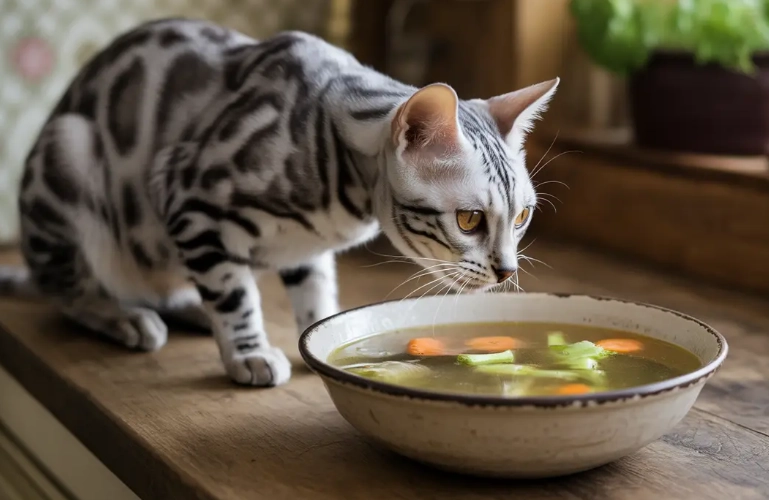
But is it just a trendy pet hack, or are there real benefits of chicken broth for cats? I dug deep, talked to sources, and even tried it myself (safely, of course). What I found surprised me. It's not a magic potion, but when done right, it can be a pretty useful tool in your cat-care kit. We're not just talking about a little flavor boost here. The potential perks touch on hydration, nutrition, and even comfort for older cats.
This isn't about pouring your canned soup into a bowl. There's a right way and a very wrong way to do this. Getting it wrong can do more harm than good. So let's cut through the noise and look at what chicken broth can actually do for your cat, how to make it safe, and answer all those questions you're probably typing into Google right now.
So, What's Actually in Chicken Broth That's Good for Cats?
Before we get to the benefits, it helps to know what you're working with. At its core, a proper, plain chicken broth is just water that's had chicken bones, meat, and maybe some cat-safe veggies simmered in it for a long time. That slow cooking pulls out some good stuff.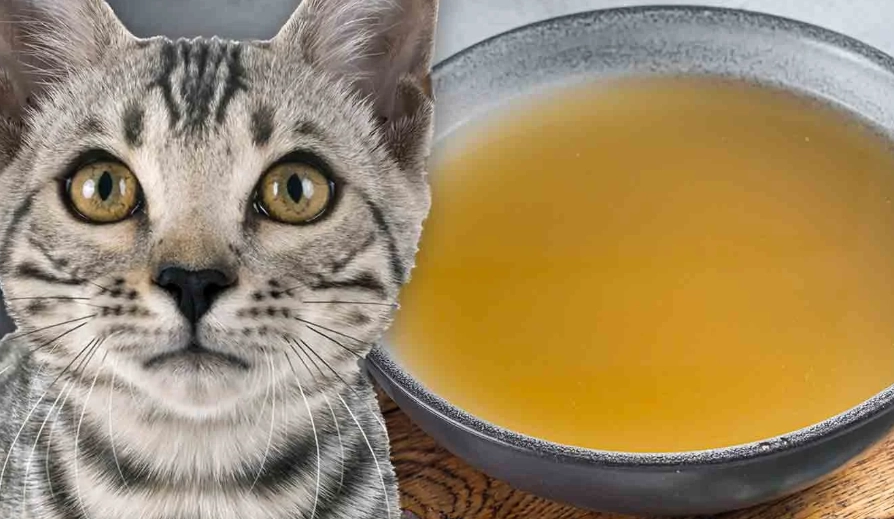
You get minerals like calcium, magnesium, and phosphorus from the bones. Gelatin and collagen start to seep out, which is where some of the bigger health claims come from. There's also a small amount of protein and some amino acids. But let's be clear—the main component is still water. That's the foundation of almost all the benefits of chicken broth for cats. It's a vehicle for hydration that happens to carry along some extra nutrients and a smell that cats usually find irresistible.
I think a lot of people expect it to be a superfood, but it's more of a helpful supplement. The real value is in how it encourages behaviors (like drinking) and provides supportive nutrients, not in being a complete meal replacement.
The Top Benefits of Chicken Broth for Cats (Backed by Common Sense)
Okay, let's get into the meat of it (pun intended). Why would you bother? Based on the nutritional profile and a ton of anecdotal evidence from vets and cat owners, here are the key areas where it seems to help.
Hydration, Hydration, Hydration
This is the big one, the headline act. Cats are famously bad at drinking enough water. Their ancestors got most of their moisture from prey, so the instinct to seek out standing water isn't strong. Dehydration in cats is a sneaky problem that can lead to urinary tract issues, like crystals or infections, and kidney stress.
Offering a small bowl of warm, savory chicken broth can be a game-changer. The enticing smell and flavor often convince even the most stubborn drinker to lap it up. It's like turning water into a tempting snack. For cats recovering from illness, dealing with kidney disease (where fluid intake is crucial), or just being generally picky, this can be a simple and effective strategy. It adds to their total daily water intake without them even realizing it.
Think of it as a hydration hack.
A Kickstart for a Picky Appetite
Has your cat ever gone on a hunger strike? Maybe after a vet visit, during a period of stress, or when they're just feeling finicky. It's worrying. A few tablespoons of warmed chicken broth can work wonders here. Pour it over their regular kibble or mix it into wet food. The aroma wakes up their senses and makes the whole meal more appealing. It can be especially helpful for senior cats whose sense of smell might be fading, or for cats on medication that dampens their appetite.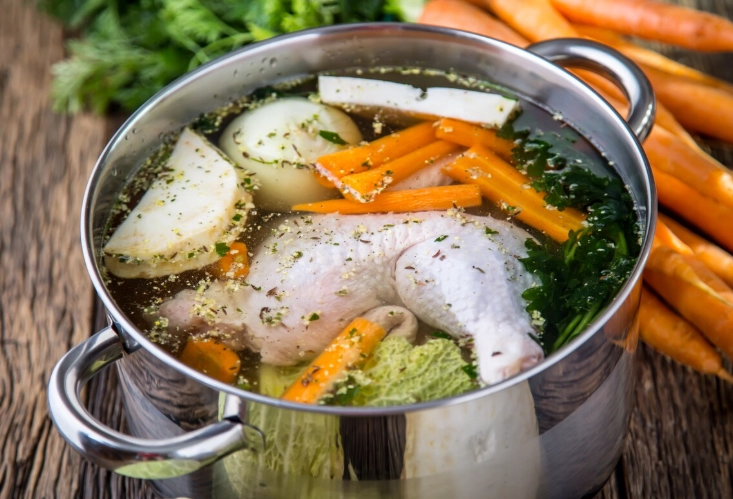
I've used this trick with Mochi when she was feeling off after her shots. She turned her head away from her favorite wet food, but a little broth drizzled on top brought her right back to the bowl. It's not a long-term solution for appetite loss (always see a vet for that), but it's a great first-line tool to try at home.
Gentle on the Gut and Easy to Digest
For cats with sensitive stomachs or those recovering from a bout of digestive upset (vomiting or diarrhea), plain chicken broth is incredibly easy on the system. It's bland, hydrating, and provides some electrolytes that may have been lost. It's a classic "sick day" food for a reason. The gelatin in properly made bone broth might even help soothe and coat the digestive tract lining.
It's important to start with just a small amount to see how they tolerate it. But for many, it's a comforting, easy way to get some nutrients back in when they're not ready for solid food.
Joint and Mobility Support (The Long-Game Benefit)
This is where the collagen and gelatin come into play. These compounds, extracted from simmered bones and connective tissue, are the building blocks for cartilage—the cushioning in your cat's joints. As cats age, this cartilage can wear down, leading to stiffness and arthritis.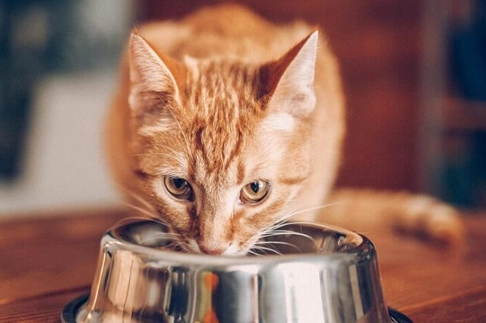
While chicken broth isn't a cure for arthritis, providing a dietary source of these building blocks may offer some supportive benefits for joint health over time. Think of it as nutritional support for their moving parts. The anti-inflammatory properties of the broth might also help ease minor aches. It's a gentle, dietary approach to complement other vet-recommended treatments for senior cat mobility.
A Low-Calorie, High-Reward Treat or Food Topper
Compared to many commercial cat treats, which can be high in calories and carbs, plain chicken broth is very low-calorie. This makes it an excellent treat for cats on a weight management plan. You can use it to fill a lick mat, freeze it into popsicles for summer, or simply offer a few spoonfuls as a special reward. It feels like a big treat to them without blowing their daily calorie budget.
So, when you add it all up, the benefits of chicken broth for cats are pretty compelling. It's a multi-tool: a hydration aid, an appetite stimulant, a digestive soother, and a joint supporter. Not bad for something you can make in your own kitchen.
The Non-Negotiable Safety Rules: What Makes Broth Bad for Cats
This is the most critical part of the whole discussion. The wrong broth can poison your cat. I can't stress this enough. The benefits of chicken broth for cats only apply if it's prepared with their biology in mind.
The #1 Rule: NO ONIONS, NO GARLIC, NO LEEKS, NO SHALLOTS. These alliums are highly toxic to cats, damaging their red blood cells and causing anemia. Even powdered forms, small amounts, or the water they were cooked in are dangerous. Just don't go near them.
Other major no-nos:
- Salt (Sodium): Cats process sodium very poorly. Store-bought broths and bouillons are almost always loaded with salt, which can lead to sodium ion poisoning, causing vomiting, diarrhea, tremors, and even seizures. Always choose no-salt-added or, better yet, make it yourself so you control everything.
- Artificial Additives: Preservatives, flavor enhancers like MSG, and artificial flavors or colors have no place in your cat's broth. Their systems aren't designed for these chemicals.
- Certain Spices and Herbs: Avoid anything beyond maybe a tiny bit of cat-safe parsley. No pepper, no bouillon cubes (again, salt and onion/garlic powder are common), no mystery seasoning blends.
- Fat Content: Skim the fat off the top after the broth cools. Too much fat can cause pancreatitis, a serious and painful condition.
When in doubt, simpler is always safer. Water + plain chicken parts (bones optional) = perfect cat broth. For authoritative guidance on foods toxic to cats, the ASPCA's comprehensive poison control list is an essential resource every cat owner should bookmark.
Store-Bought vs. Homemade: Which is Better for Your Cat?
You basically have two options: buy a product made for pets or make it yourself. I've tried both, and here's my honest breakdown.
Higher upfront (pot, ingredients), but much cheaper per batch.
Potentially higher if you use bones and simmer long enough to extract gelatin.
Short shelf life. 3-4 days in fridge, or freeze in ice cube trays for months.
Convenience, trying it out for the first time, or as a backup.
Cat owners who want the purest, cheapest, and most customizable option long-term.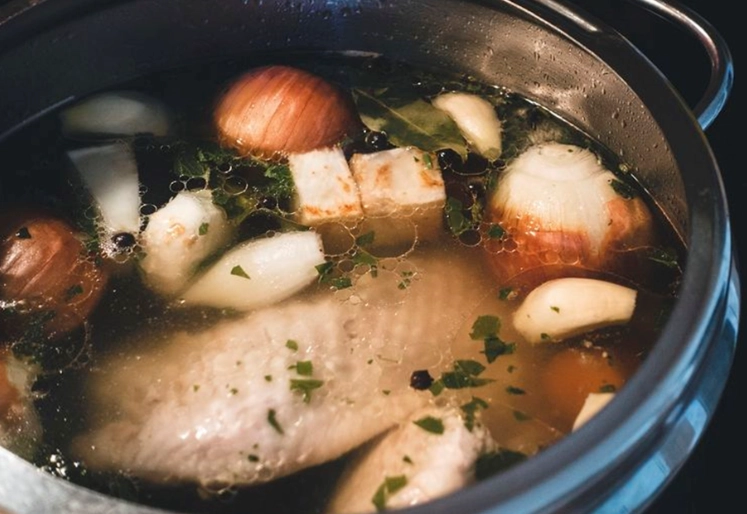
| Aspect | Store-Bought (Pet-Specific) | Homemade Chicken Broth |
|---|---|---|
| Convenience | High. Just open and serve. | Low. Requires time to prepare and cook. |
| Cost Control | Lower upfront cost per bottle, but higher per serving. | Higher upfront (pot, ingredients), but much cheaper per batch. |
| Ingredient Control | You must read labels meticulously. Look for 100% broth, no salt, no additives, no onion/garlic. | Total control. You know every single thing that goes in the pot. |
| Nutritional Value | Can vary. Some are just flavored water; others are true bone broths. | Potentially higher if you use bones and simmer long enough to extract gelatin. |
| Shelf Life & Storage | Long shelf life (unopened). Opened lasts a few days in the fridge. | Short shelf life. 3-4 days in fridge, or freeze in ice cube trays for months. |
| Best For | Convenience, trying it out for the first time, or as a backup. | Cat owners who want the purest, cheapest, and most customizable option long-term. |
My personal take? I started with a trusted pet store brand to see if Mochi even liked it. She did. Then, once I saw the value, I switched to making my own. It's not hard, it's way cheaper in the long run, and I feel better knowing exactly what's in it. But if you're short on time, a high-quality, simple pet-brand broth is a perfectly good option. Just be a label detective.
How to Make Cat-Safe Chicken Broth at Home (Simple Recipe)
Don't be intimidated. This is easier than cooking a regular meal for yourself. Here's my go-to, no-fuss method.
What You'll Need: A large pot or slow cooker, a strainer, a few containers for storage, and these ingredients:
- 2-3 pounds of chicken parts: Necks, backs, wings, or feet are great because they're bony and collagen-rich. You can also use a carcass from a roasted chicken you ate (just remove any seasoned skin).
- Water: Enough to cover the bones by about 2 inches.
- Optional, Cat-Safe: A couple of carrot chunks or a celery stalk (no leaves). Absolutely no onion, garlic, or leek.
- That's it. No salt. No pepper. No spices.
The Process:
- Throw everything into your pot or slow cooker.
- Cover with water.
- Bring to a boil, then immediately reduce to the lowest possible simmer.
- Let it cook for at least 12 hours, up to 24 hours. The long, slow heat is what pulls the minerals and gelatin out of the bones. In a slow cooker, the "low" setting for 24 hours is perfect.
- Let it cool slightly, then strain it through a fine-mesh sieve into a bowl. Discard all the solids.
- Let the broth cool completely in the fridge. The fat will rise and solidify on top. Scrape this fat layer off completely and throw it away.
- Portion the clear, gelatinous broth (it should jiggle when cold!) into ice cube trays or small jars. Store in the fridge for 3-4 days or freeze for up to 3 months.
One ice cube of broth, thawed or gently warmed, is a perfect serving for most cats. Always serve it at room temperature or slightly warm—never hot.
Answering Your Burning Questions (FAQ)
Can I use beef or turkey broth instead?
Absolutely. The same principles apply. Plain, bone-in turkey parts make a fantastic broth. Beef bones work too but may need longer simmering. The key is always the same: only the meat/bones and water, no seasoning. The benefits of a properly made bone broth for cats aren't exclusive to chicken.
How much chicken broth can I give my cat, and how often?
Start small. Think of it as a supplement or treat, not a meal. For an average-sized cat, start with 1-2 tablespoons per day. You can offer it daily if they enjoy it and tolerate it well, but it shouldn't replace their regular water intake. It's an addition to their diet. For specific medical conditions, like chronic kidney disease, your vet might recommend a specific amount as part of a fluid therapy plan. Always check with them first.
My cat has kidney disease. Is chicken broth okay?
This is a vet question first, last, and always. Hydration is crucial for kidney cats, so broth can be a great tool. However, the phosphorus content in bone broth can be a concern for compromised kidneys. Your vet may recommend a broth made from meat only (no bones) to minimize phosphorus. Never start supplementing without your vet's guidance on this one. The Cornell Feline Health Center is a superb resource for understanding complex conditions like kidney disease.
What if my cat doesn't like it?
Not every cat will. Some are suspicious of new things. Try warming it slightly to enhance the smell. Try drizzling a tiny bit on their food instead of offering it alone. If they still refuse, don't force it. There are other ways to encourage hydration, like wet food or water fountains.
Can I give my kitten chicken broth?
For very young kittens still nursing or on formula, stick to what your breeder or vet recommends. For weaned kittens, a tiny taste of safe, plain broth is usually fine as an occasional treat. Their primary nutrition must come from a high-quality, balanced kitten food. Their little digestive systems are sensitive, so introduce any new thing, even broth, slowly.
Wrapping It Up: A Simple, Powerful Tool
Looking back, the core benefits of chicken broth for cats really boil down to two things: it gets them to drink more water, and it does so while providing some gentle nutritional support. In a world where feline dehydration and urinary issues are so common, that's a pretty powerful one-two punch.
It's not a cure-all. It won't replace a balanced diet or veterinary care. But as a supportive, hydrating, palatable supplement? It's earned its place in my fridge. Making it yourself is the gold standard for safety and cost, but a carefully chosen commercial product can work too.
Start slow, keep it plain, and watch your cat enjoy a little extra something that's actually good for them.
After writing all this and living it with Mochi, my final thought is this: it's one of those simple, old-school remedies that actually holds up. It's not flashy, but it works. Seeing a cat who's iffy about water eagerly lick up a bowl of broth is proof enough for me. Just please, for the love of all things furry, skip the onions and the salt.



Leave a comment