Staring at a bowl of plain boiled chicken and rice, then at your dog's equally plain expression, is a shared experience for many owners who cook for their pets. The thought crosses your mind: "This looks so boring. Could I add just a little something?" The internet screams warnings about toxic foods, leaving you paralyzed. But here's the truth the fear-mongering lists often miss: not all flavor is the enemy. In fact, many herbs and spices are not just safe but actively beneficial for dogs. The key isn't avoidance; it's knowledge. Let's cut through the noise and talk practically about seasonings good for dogs, how to use them, and the one critical mistake most well-meaning owners make.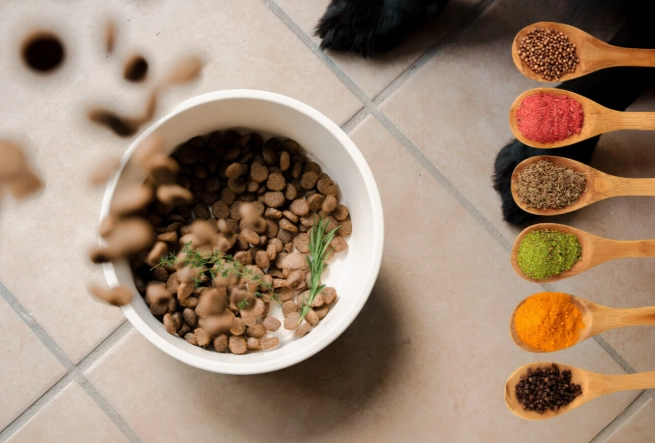
What's Inside This Guide
Why Bother Seasoning Your Dog's Food?
If dogs eat kibble, why add anything? For starters, think about the picky eater. A sprinkle of a savory herb can turn a refused meal into an anticipated one. But it's deeper than that. Many herbs are functional. They offer anti-inflammatory, digestive, or antioxidant benefits. Turmeric, for example, has been studied for its joint-supporting properties (you can find research on its compound, curcumin, on sites like the National Institutes of Health). Using dog safe herbs is about enriching their diet, not just masking it. For seniors on bland diets or dogs transitioning to homemade food, these flavors can make a world of difference in acceptance and enjoyment.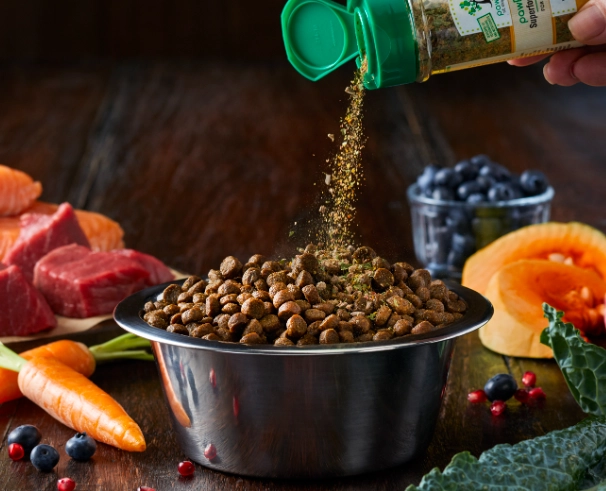
Quick Reality Check: Your dog's primary nutrition must come from a balanced diet. Think of these seasonings as supplements and flavor enhancers, not the main course. Always discuss major dietary changes with your vet.
The Vet-Approved Safe List: Herbs & Spices for Dogs
This isn't a random list. These are seasonings with a track record of safety and specific benefits. Fresh is often best, but dried works too—just ensure it's pure, with no added salt, onion, or garlic powder.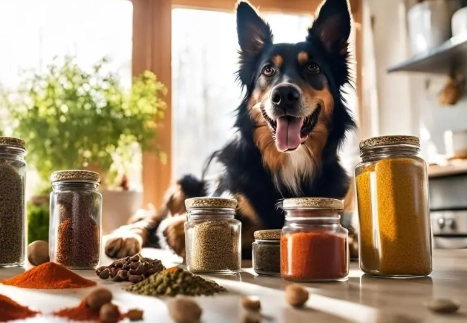
| Seasoning | Form to Use | Key Benefits for Dogs | How Much to Use (per 20 lbs of body weight) |
|---|---|---|---|
| Parsley | Fresh, finely chopped | Freshens breath, contains vitamins A, C, K, and antioxidants. | 1/2 teaspoon |
| Basil | Fresh or dried | Antioxidant, anti-inflammatory, may help with arthritis discomfort. | 3-5 fresh leaves or 1/4 tsp dried |
| Oregano | Dried (more potent) | Antimicrobial properties. Use sparingly—it's strong. | A tiny pinch (less than 1/8 tsp) |
| Ginger | Fresh, grated or powdered | Excellent for nausea, motion sickness, and bloating. | 1/4 teaspoon fresh grated |
| Turmeric | Powder (with black pepper) | Powerful anti-inflammatory. Piperine in black pepper boosts absorption. | 1/8 – 1/4 teaspoon (mixed with a dash of pepper) |
| Cinnamon (Ceylon) | Ground | Antioxidant, may help regulate blood sugar. Stick to Ceylon type. | A light sprinkle (1/8 tsp max) |
| Dill | Fresh or dried | Can aid digestion and help reduce gas. | 1/2 teaspoon fresh |
I started adding a tiny pinch of dried basil and parsley to my own dog's evening kibble years ago when he was being finicky. The change was immediate. He went from sniffing and walking away to cleaning the bowl. It wasn't magic, just a more interesting smell.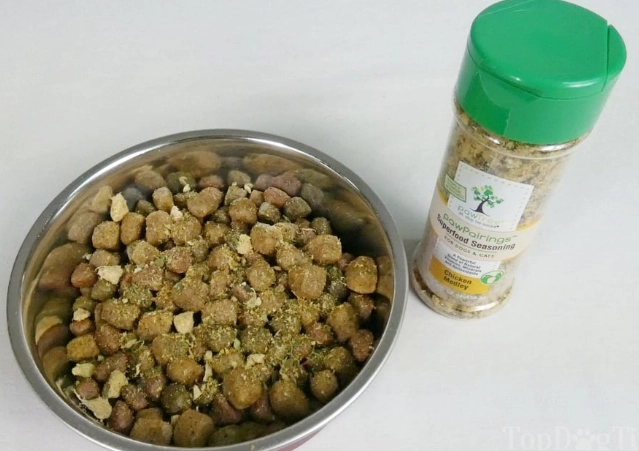
The Absolute No-Go Zone: Toxic Seasonings
This part is non-negotiable. While exploring seasonings good for dogs, you must know the enemies. The toxicity isn't always about immediate poisoning; sometimes it's cumulative damage to red blood cells.
- Onion & Garlic (All forms): Powder, salt, fresh, cooked—it doesn't matter. They contain thiosulfate, which causes hemolytic anemia in dogs, destroying red blood cells. Garlic is more potent than onion. That "garlic powder" hidden in many seasoning blends is a silent hazard.
- Salt (in large amounts): A tiny dash in a big pot of food? Probably fine. But salting your dog's food like your own can lead to sodium ion poisoning—excessive thirst, vomiting, even seizures. Avoid it as a deliberate seasoning.
- Nutmeg: Contains myristicin, which can cause hallucinations, high heart rate, and seizures in dogs.
- Macadamia Nuts: While not a seasoning per se, they're sometimes found in blends. Highly toxic, even in small amounts.
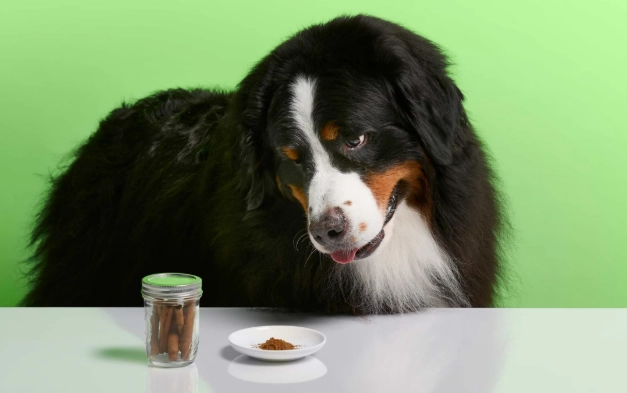
The Hidden Danger: The biggest risk isn't you adding a clove of garlic. It's the pre-made spice mixes, stocks, gravy granules, or human food scraps that contain onion/garlic powder. Always, always check the ingredient list of anything you mix in.
How to Use Them: Dosage, Prep, and Simple Recipes
You have the safe list. Now, how do you actually use these healthy dog food toppers? It's not about dumping a spoonful on their food.
Start Low, Go Slow
Introduce any new seasoning one at a time, in a minuscule amount. Watch for 24-48 hours for any signs of stomach upset or allergic reaction (itching, hives). If all is clear, you can slowly incorporate it.
Preparation Matters
For dried herbs like oregano or basil, crumbling them between your fingers before adding releases the oils. For fresh herbs like parsley or dill, give them a fine chop. For ginger and turmeric, a microplane grater is your best friend—you get flavor without fibrous chunks.
Simple "Savory Sprinkle" Recipe
This is my go-to blend for topping kibble or mixing into a bland chicken and rice meal.
- 2 tablespoons dried parsley
- 1 tablespoon dried basil
- 1 teaspoon ground turmeric
- 1/2 teaspoon ground ginger
- A generous grind of black pepper (for the turmeric)
Mix all ingredients in a small jar. Shake well. Storage: Keep in a cool, dark place for up to 3 months.
To Use: Sprinkle about 1/4 teaspoon over your medium-sized dog's meal once a day. Start with half that amount for small dogs.
The Big Mistake Everyone Makes (And How to Avoid It)
Here's the non-consensus insight from a decade of talking to owners and vets: The mistake is focusing only on addition, not on the base.
People get excited about adding turmeric for joints or ginger for digestion, but they pour it over a diet of low-quality kibble filled with fillers and artificial junk. Or they add these supplements to a homemade diet that's critically deficient in calcium or taurine. The seasoning becomes a distraction from the foundational nutritional balance.
The seasoning should complement an already sound diet. If you're feeding homemade, ensure it's formulated with the help of a veterinary nutritionist or a thoroughly researched, balanced recipe from a source like the Balance IT service. The herbs are the icing, not the cake. Get the cake right first.
Your Seasoning Questions, Answered
Exploring seasonings good for dogs opens up a new dimension in caring for your pet. It's about engagement, enrichment, and targeted support. Start small, be consistent, and always prioritize a balanced diet first. Watch your dog's reaction—their renewed interest at mealtime will be the best reward. Now, go freshen up that bowl.





Leave a comment