You're sitting on the couch, cracking open some mixed nuts. Your dog gives you the look. Those big, pleading eyes. A tiny piece of almond falls on the floor, and before you can think, they've vacuumed it up. Your heart skips a beat. Wait… can dogs eat nuts?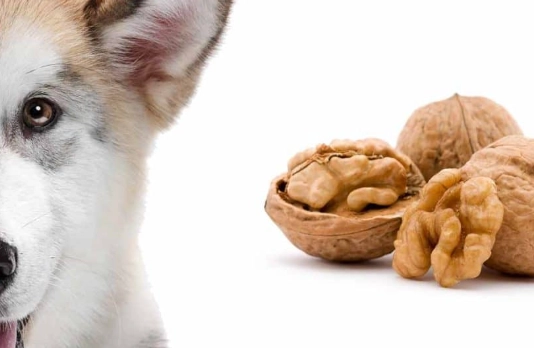
Let's cut to the chase. The short answer is: It's complicated, and mostly a bad idea. While a single peanut might not send your dog to the emergency room, the world of nuts is a minefield for our canine friends. Some are outright toxic, others are a choking or blockage hazard, and almost all are too fatty for their digestive systems. After ten years in veterinary practice and fielding this question countless times, I've seen the full spectrum—from mild tummy upset to life-threatening pancreatitis from a seemingly innocent handful of macadamias.
This guide isn't about scaring you. It's about giving you the clear, actionable information you need to make safe choices. We'll go beyond the basic "yes/no" list and dig into the why, the hidden risks, and what to do in a real-life "oops" moment.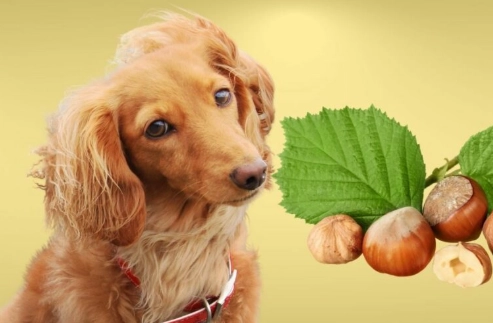
What's Inside This Guide
The Red Zone: Nuts That Are Straight-Up Toxic
These are the ones you need to treat like chocolate or grapes. Zero tolerance. If you have these in your house, keep them locked away like medication.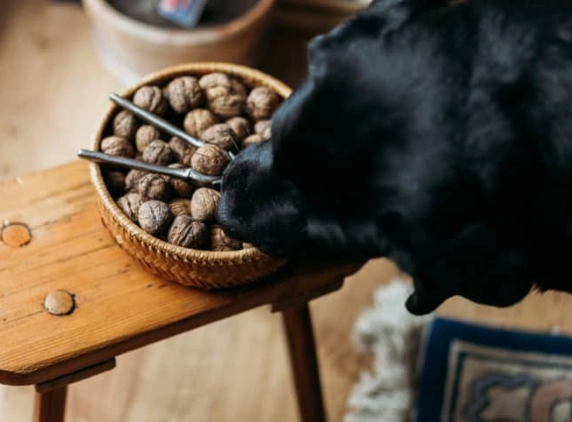
Macadamia Nuts: This is the big one. Even a small amount (as few as 2-3 nuts for a small dog) can cause macadamia nut toxicosis. Symptoms hit within 12 hours: weakness (especially in the hind legs), vomiting, tremors, fever, and an elevated heart rate. The exact toxin is unknown, but the effect is well-documented. I once treated a Labrador who got into a tin of chocolate-covered macadamias—a double whammy. The recovery took days of supportive care.
Walnuts (especially Black Walnuts): This is a triple threat. First, old, moldy walnuts can contain tremorgenic mycotoxins, which cause severe neurological seizures. Second, the shells pose a major intestinal blockage risk. Third, black walnut wood and nuts contain juglone, which can be toxic. English walnuts (the common ones) are less risky but still high in fat and prone to mold. My rule? Just avoid all walnuts.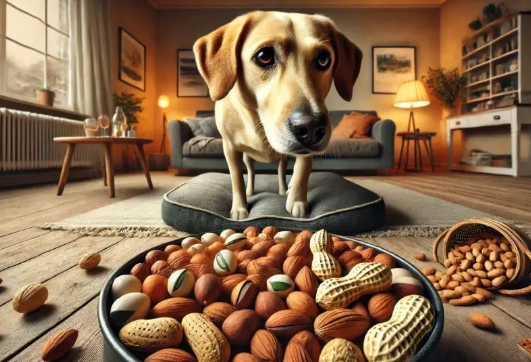
Pecans: They fall into the same category as walnuts. High mold risk, high fat, and the shells are a serious choking/blockage hazard. Not worth the risk.
The Yellow Zone: Nuts That Require Extreme Caution
These aren't "toxic" in the same way, but they come with significant baggage that makes them poor choices.
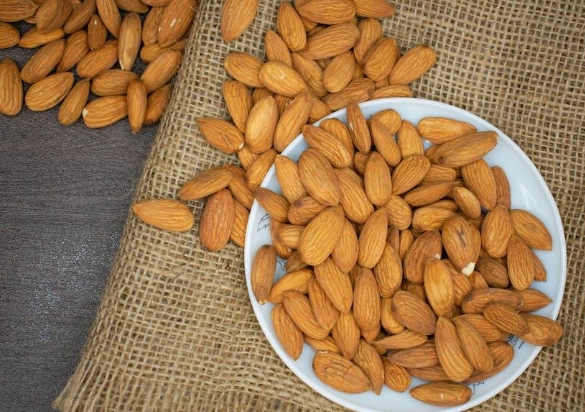
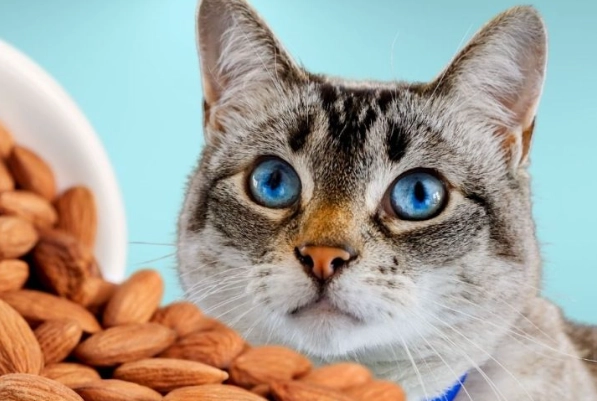
Almonds: Here's a common misconception: "Almonds are healthy, so they must be okay for my dog." Wrong. Almonds are very hard for dogs to digest and are a prime cause of gastric intestinal distress—think vomiting and diarrhea. Their shape and size also make them a serious choking hazard, especially for smaller breeds. Salted or flavored almonds add the risk of sodium ion poisoning.
Cashews: I get asked about cashews a lot. Technically, unsalted, plain cashews are not toxic. But that's where the "okay" ends. They are incredibly high in fat. A few too many can trigger pancreatitis, a painful and dangerous inflammation of the pancreas. Think of it this way: a single ounce of cashews has about 13 grams of fat. For a 20-pound dog, that's a massive load. If you must, one plain cashew as a very rare treat for a large dog is the absolute max. But honestly, there are better treats.
Quick Reference: Nut Safety Chart
| Nut Type | Risk Level | Primary Danger(s) | Vet's Verdict |
|---|---|---|---|
| Macadamia | HIGH - Toxic | Neurotoxin, weakness, vomiting | NEVER |
| Walnut (Black/English) | HIGH - Toxic Risk | Mold toxins, blockage, juglone | AVOID |
| Pecan | HIGH - Toxic Risk | Mold toxins, high fat, blockage | AVOID |
| Almond | MODERATE - Hazard | Choking, indigestion, high fat | NOT RECOMMENDED |
| Cashew (plain) | MODERATE - Hazard | Extremely high fat, pancreatitis risk | EXTREME CAUTION |
| Peanut (plain, unsalted) | LOW - Not Recommended | Fat, salt, choking, potential allergen | OK in tiny, rare amounts |
The (Very) Rare Exception: Peanuts & Peanut Butter
Peanuts are technically legumes, not true tree nuts, which is why they sit in their own category. Plain, unsalted, shelled peanuts are generally considered non-toxic. The key words are plain and unsalted.
But—and this is a big but—they are still high in fat and can be a choking hazard. A couple of peanuts as a very occasional treat for a medium or large dog is probably fine. For peanut butter, which many dogs love, you must be vigilant:
- Avoid Xylitol: This sugar substitute is deadly for dogs, causing rapid insulin release and liver failure. It's increasingly common in "sugar-free" or "natural" peanut butters. Always, always read the ingredient label.
- Choose natural, unsalted varieties with no added sugar or oil.
- Peanut butter is a calorie bomb. Use it sparingly, like in a Kong toy.
"What If" My Dog Already Ate Some?
Don't panic. But act quickly. Follow these steps:
- Identify the Nut: What did they eat? How much? Find the container if you can.
- Check for Symptoms: Is your dog acting lethargic, vomiting, trembling, or having trouble walking?
- Call Your Vet or Animal Poison Control Immediately: Have your dog's weight ready. In the US, call the ASPCA Animal Poison Control Center (888-426-4435) or the Pet Poison Helpline (855-764-7661). These are fee-based services, but they are staffed by veterinary toxicologists and provide life-saving guidance. Tell them exactly what happened.
Do not induce vomiting unless explicitly instructed to do so by a professional. For some toxins or if a nut is causing a blockage, vomiting can make things worse.
The Real Reasons Nuts Are Trouble for Dogs
Beyond specific toxins, nuts are a poor fit for canine biology. Here's the breakdown most articles gloss over:
Fat Content is the Silent Killer: Dogs' digestive systems aren't built to handle the concentrated fat in nuts. A sudden fatty meal can overwhelm the pancreas, leading to pancreatitis. This isn't just an upset stomach; it's a hospitalization-level event with symptoms like severe abdominal pain, persistent vomiting, and dehydration.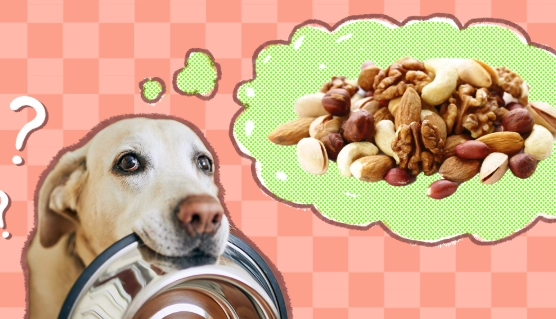
Choking and Intestinal Blockage is More Common Than You Think: Nuts, especially whole ones, are the perfect size to get lodged in the esophagus, stomach, or intestines. This isn't a "wait and see" situation—it requires emergency surgery. I've removed compacted nut fragments from a dog's intestine; it's not pretty.
Sodium & Seasoning Overload: Salted, honey-roasted, or spiced nuts are packed with sodium and other ingredients that can cause salt poisoning, leading to excessive thirst, urination, and even sodium ion poisoning in large amounts.
The Bottom Line: There is no nutritional need for nuts in a dog's diet. High-quality commercial dog food or a vet-approved homemade diet provides complete nutrition. The risks of nuts (toxicity, choking, pancreatitis) far, far outweigh any potential benefit.
Your Top Nut Questions Answered
- Dehydrated sweet potato or apple slices: They offer a great chew and crunch.
- Specialty dental chews: Many are designed to be crunchy and help clean teeth.
- Carrots or frozen green beans: A low-calorie, crunchy option many dogs adore.
- Commercial "training treats" that are small and crunchy.
Look, I know it's tempting to share our snacks. We love our dogs and want to include them. But when it comes to nuts, the safest and kindest choice is to keep the bowl to yourself. The potential for a late-night emergency vet visit, a huge bill, and a suffering pet just isn't worth that moment of sharing. Give them a belly rub or an extra play session instead. They'll love you just as much, and you'll both sleep better.
Leave a comment