Quick Navigation
Let's be honest. The first time you picture a cat on a leash toy, it might seem a bit... silly. Or impossible. I thought the same thing. My cat, Whiskers, used to give me this look of utter betrayal if I so much as jingled a harness near him. But after a lot of trial, error, and a few scratched hands, we figured it out. Now, our backyard adventures are the highlight of his week (and mine).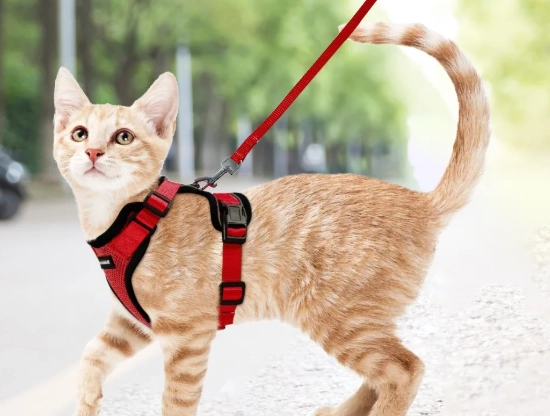
This isn't about forcing your indoor cat to become a dog. It's about enrichment, safety, and sharing a new experience. An outdoor world full of fascinating smells, textures, and sights is the ultimate cat on leash toy—a living, breathing playground. But doing it wrong can be stressful or even dangerous. So, let's skip the frustration and get to the good part: safe, happy explorations.
Why Bother? The Real Benefits of Leash Training Your Cat
You might be wondering if all this effort is worth it. From my experience and talking to other cat owners, the benefits are pretty convincing, especially for cats who live strictly indoors.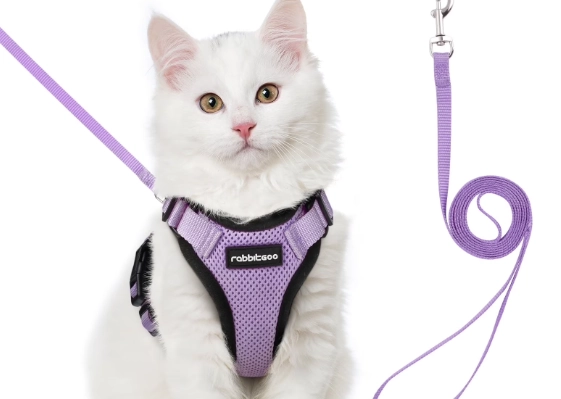
Mental stimulation is the big one. Indoor life can be boring. Same walls, same windows, same routines. A controlled outdoor adventure provides novel stimuli that nothing indoors can match. It satisfies their natural curiosity in a safe way.
Then there's exercise. Chasing a laser pointer is fun, but navigating real grass, climbing on a log (supervised, of course), and tracking scents engages their whole body. It can help prevent obesity and related health issues.
For cats with anxiety or behavioral issues like excessive scratching or vocalizing, the extra stimulation can sometimes work wonders. It's not a cure-all, but it gives them a positive outlet for their energy. The American Society for the Prevention of Cruelty to Animals (ASPCA) lists environmental enrichment as a key component of feline well-being, and supervised outdoor time can be a fantastic part of that. You can read more about their enrichment tips on the ASPCA website.
And honestly, the bonding experience is incredible. You're not just a food dispenser anymore; you're their adventure buddy. The trust it builds is tangible.
The Non-Negotiables: Picking Your Cat's Adventure Gear
This is where most people fail right out of the gate. You cannot, I repeat, cannot use a dog collar or a flimsy figure-eight harness. Cats are masters of escape and have delicate throats. The right gear is 90% of your success.
Harness Styles: The Good, The Bad, and The Houdini-Proof
Not all harnesses are created equal. Here’s a breakdown of the main types you’ll see when shopping for a cat on leash toy setup.
| Harness Type | What It Looks Like | Pros | Cons | Best For... |
|---|---|---|---|---|
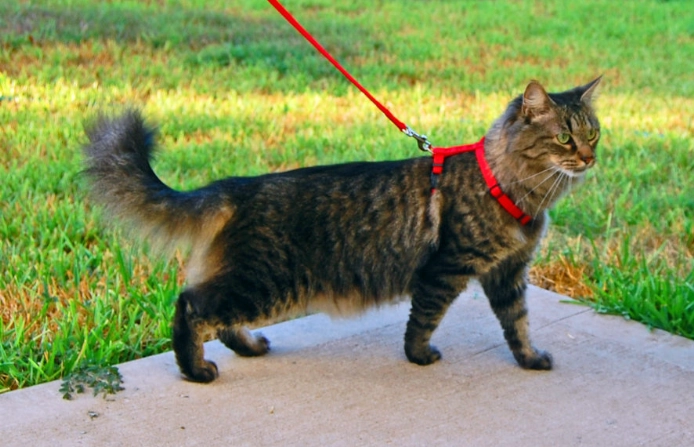
| H-Style/Vest Harness | Two loops (neck & chest) connected by a strap over the back. | Secure, good distribution of pressure, hard to escape from. | Can be bulky, some cats dislike things over their head. | Most cats, especially beginners or strong pullers. |
| Figure-8/Halter | Loops around neck and chest, forming an "8". | Lightweight, less restrictive. | EASY for cats to escape! Pressure on neck if pulled. | I don't really recommend these. Too risky. |
| Jacket/Vest Style | Like a little fabric vest that clips on the back. | Very secure, comfortable, often has a handle. | Can be warm in summer, may require more adjustment. | Anxious cats, escape artists, or those who need extra security. |
My personal go-to is a sturdy H-style or a vest harness. The vest style worked miracles for Whiskers because he couldn't back out of it. The handle on top is also a lifesaver if you need to gently lift them away from something quickly.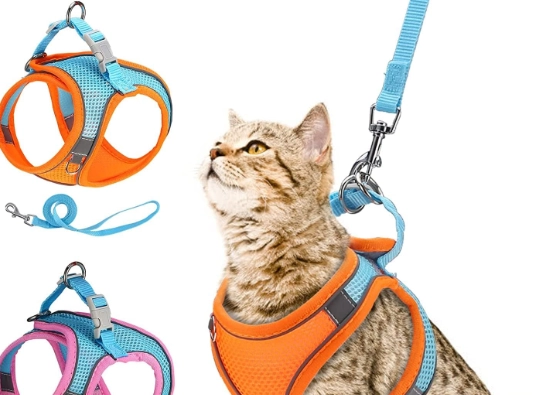
Leashes and Extras: More Than Just a String
The leash matters too. A retractable leash? Big no-no for initial training. They teach the cat that pulling creates more slack, which is the opposite of what you want. The sudden jerk if they hit the end can also scare or injure them.
Start with a standard, lightweight 4-6 foot leash. This gives them a little room to explore but keeps them close and communication clear. A bungee-style leash can absorb the shock of a sudden pounce or jump, which is a nice feature later on.
And what about the "toy" part? I always bring a familiar, portable toy—a feather wand or a crinkle ball—on our outings. If they get spooked, I can use the toy to redirect their attention and lure them back to me. It's a great confidence booster.
The Training Blueprint: Patience Over Pressure
Expecting to strap on a harness and waltz outside is like expecting to run a marathon without training. It will end in disaster. This process can take days, weeks, or even months. Go at your cat's pace.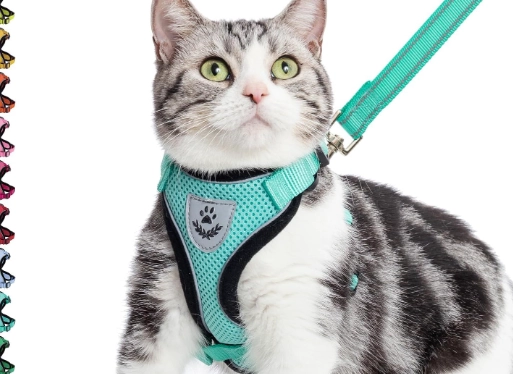
Step 1: Make the Harness a Positive Thing
Leave the harness and leash near their bed or food bowl for a few days. Let them sniff it, rub on it, ignore it. Associate it with good stuff. Then, try draping it lightly over their shoulders while they eat a treat. No buckling yet. Just getting used to the weight and feel.
The goal is zero stress. If they freeze or run, you've moved too fast. Take a step back.
Step 2: The Fitting Room
Once they're curious, try buckling it on. Do this in a safe, familiar room. Keep the first sessions super short—like 30 seconds to a minute—and distract them with their favorite treats or playtime the entire time it's on. Then, take it off before they get annoyed.
This phase is all about building a positive association. Harness on = chicken treats happen. Do this multiple times a day if you can.
Step 3: Adding the Leash (Indoors)
Clip the leash on and just let it drag behind them in the house (supervised, so it doesn't get caught). They need to get used to the sensation. After a few sessions, pick up the other end. Don't guide them. Just follow them around. Let them lead you to the food bowl, the couch, the window.
This teaches them that leash pressure isn't a trap. If they feel tension, they'll likely stop. That's your cue to ease up. You're not walking them; you're being walked.
Step 4: The Grand (Controlled) Debut
Your first outdoor trip is not a walk. It's a sit. Choose a quiet time of day. Carry your cat (in the harness and leash) to a calm spot in your yard or a balcony. Sit down. Let them sit in your lap or next to you. Just observe.
Let them watch a bird, sniff the air, feel the grass. Keep it to five minutes max. If they panic, calmly pick them up and go back inside. No fuss. Try again tomorrow. The goal is to make the outdoors just another interesting, non-scary place.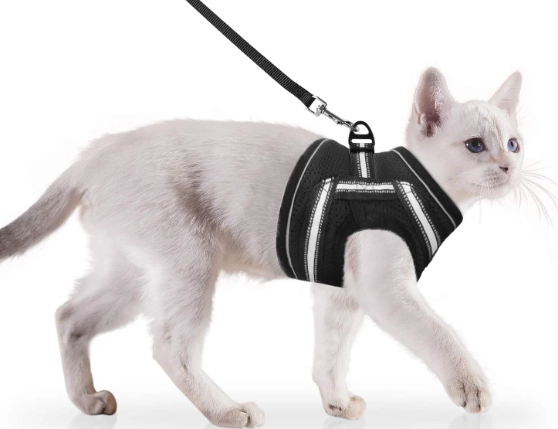
Slowly, over many sessions, you can let them explore a little further from your base. Let them set the pace. Some cats will want to sniff every blade of grass. Others might just want to find a sunny patch and nap. Both are perfect.
Safety First, Always: Navigating the Real World
The outdoors is unpredictable. Your job is to be the vigilant safety officer. This isn't a passive activity.
Always check the harness fit before going out. Be hyper-aware of your surroundings: other animals (especially off-leash dogs), loud noises, cars, and people. I avoid areas with heavy foot traffic or known dog-walking routes.
Watch for signs of stress in your cat: flattened ears, dilated pupils, low crouch, twitching tail, trying to bolt. If you see these, the adventure is over for the day. It's better to end on a slightly positive note than push them into a negative experience.
Be mindful of plants. Many common garden plants are toxic to cats. Lilies, for example, are extremely dangerous. The American Society for the Prevention of Cruelty to Animals (ASPCA) has a comprehensive list of toxic and non-toxic plants that's worth bookmarking.
Parasites are another real concern. Outdoor exposure increases the risk of fleas, ticks, and internal parasites. Ensure your cat is on a vet-recommended preventative regimen. The Companion Animal Parasite Council (CAPC) provides excellent, up-to-date maps and guidelines on parasite prevalence, which can help you and your vet make informed decisions.
And finally, weather. Pavement gets hot. Sun can be relentless. Keep sessions short in extreme heat or cold. Always have water available.
Common Questions (And Real Answers)
I get asked these all the time by friends who see my cat on a leash toy setup.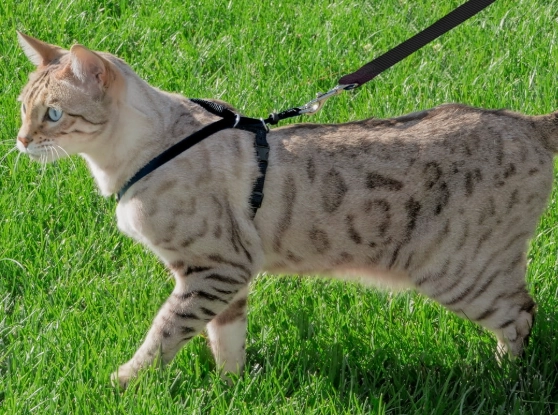
When It's Just Not Working
Let's be real. Some cats will never be adventure cats, and that's perfectly fine. My other cat, Mochi, wants nothing to do with the harness. He's a happy, enriched indoor cat who prefers watching birds from his catio perch.
If your cat is chronically stressed, becomes aggressive, or simply doesn't enjoy it after a long, patient try, listen to them. The goal is enrichment, not a checkbox. Forcing it defeats the whole purpose.
You can still provide an amazing "outdoor" experience with a secure catio (a patio for cats), window perches with great views, or even bringing safe, pesticide-free grass and leaves indoors for them to explore.
At the end of the day, whether you're successfully exploring the backyard with your cat on a leash toy system or simply watching them watch the world from a window, it's about understanding and respecting your unique feline friend. It's about providing choice and stimulation in a way that makes them feel safe and happy.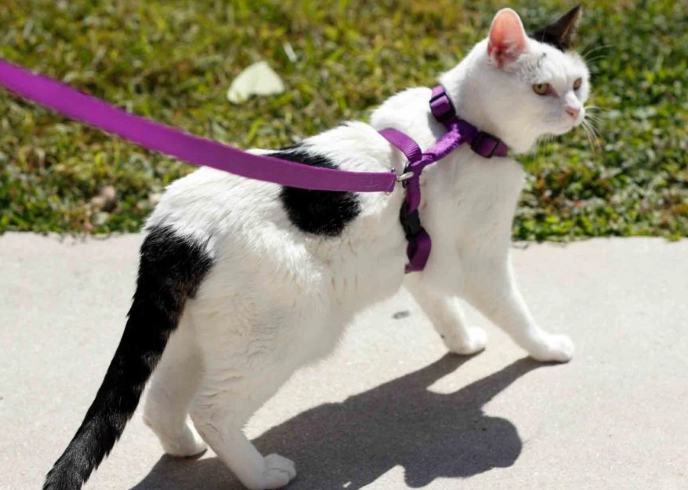
Start slow. Celebrate the tiny victories. That first time your leashed cat tentatively sniffs a dandelion on their own terms? That's the magic. It's worth the effort.





Leave a comment