You want a home that’s both beautiful and safe for your furry family members. The good news is, you don’t have to choose. Plenty of stunning, pet friendly flowers can coexist with your cats and dogs without worry. But a single mistake—like bringing home a common lily—can turn a lovely gesture into a veterinary emergency. Let’s cut through the confusion and build a space that’s safe for paws and pleasing to the eye.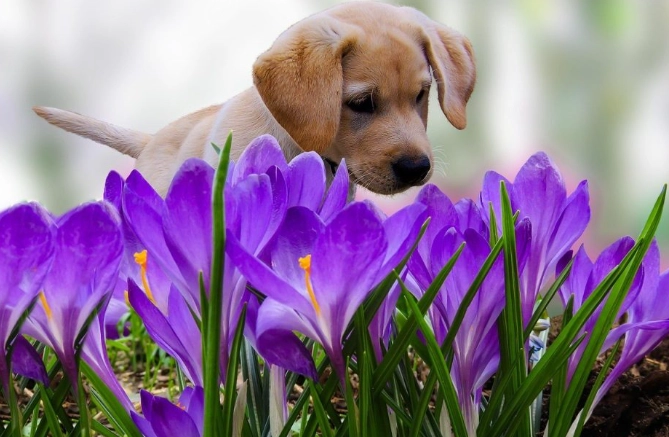
What’s Inside: Your Quick Guide
Why Pet Safe Flowers Matter More Than You Think
It’s not just about nibbling. Pets interact with plants in ways we don’t always predict. A cat batting at a fallen leaf might ingest it. A dog might dig up a bulb, mistaking it for a toy. Pollen from a toxic flower can fall into a water bowl or get groomed off fur.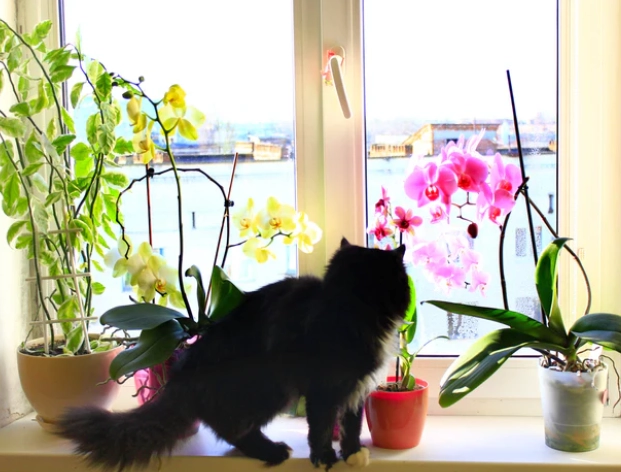
The American Society for the Prevention of Cruelty to Animals (ASPCA) runs a Poison Control Center that fields thousands of calls yearly for plant-related incidents. Many involve common garden and bouquet flowers. Symptoms aren’t always immediate vomiting. They can be subtle at first—lethargy, drooling, loss of appetite—before escalating to kidney failure, seizures, or worse.
I learned this the hard way years ago with my first dog, a curious Labrador. I had a pot of geraniums on the patio, thinking they were fine. He brushed against them repeatedly, and a few days later developed a patch of red, irritated skin. The vet asked about my garden. Turns out, some geraniums (Pelargonium species) can cause dermatitis. It was a mild lesson, but it shifted my entire perspective. “Pet friendly” isn’t a label to guess on.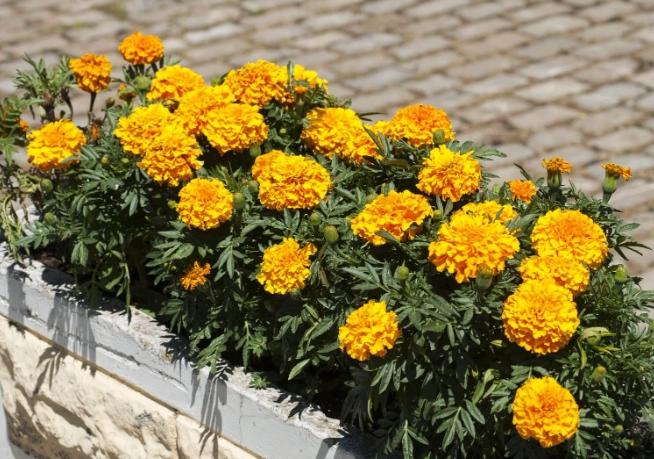
The Ultimate List: Common Toxic Flowers to Avoid
This isn’t about fear-mongering, but about informed choices. You’ll see some of these everywhere—in florist shops, gardens, and holiday decorations. Knowing them by sight is your first line of defense.
| Flower/Plant | Toxic Parts | Primary Risk To | Common Symptoms |
|---|---|---|---|
| Lilies (Lilium, Hemerocallis spp.) | All parts, including pollen and water in vase | Cats (Extremely toxic) | Vomiting, lethargy, kidney failure, can be fatal |
| Sago Palm (Cycas revoluta) | All parts, seeds most toxic | Dogs, Cats | Vomiting, diarrhea, liver failure, seizures |
| Oleander (Nerium oleander) | All parts | Dogs, Cats, Horses | Severe GI upset, abnormal heart function, can be fatal |
| Azalea/Rhododendron | All parts | Dogs, Cats | Drooling, vomiting, diarrhea, weakness, coma |
| Tulips & Hyacinths | Bulbs most toxic | Dogs, Cats | Intense GI irritation, drooling, loss of appetite |
| Daffodils (Narcissus) | Bulbs most toxic | Dogs, Cats | Severe vomiting, diarrhea, abdominal pain, tremors |
| Lily of the Valley | All parts | Dogs, Cats | Vomiting, diarrhea, drop in heart rate, seizures |
| Kalanchoe | All parts | Dogs, Cats | Vomiting, diarrhea, abnormal heart rhythm |
Lilies: The #1 Danger for Cats
This deserves its own spotlight. True lilies (Lilium) and daylilies (Hemerocallis) are so toxic to cats that even licking a few grains of pollen off their fur or drinking water from the vase can cause acute, fatal kidney failure within 36-72 hours. There’s no safe part of the plant. Peace lilies (Spathiphyllum) are less lethal but contain irritants. My rule? If it has “lily” in the common name and I have a cat, it doesn’t come in the house. Period.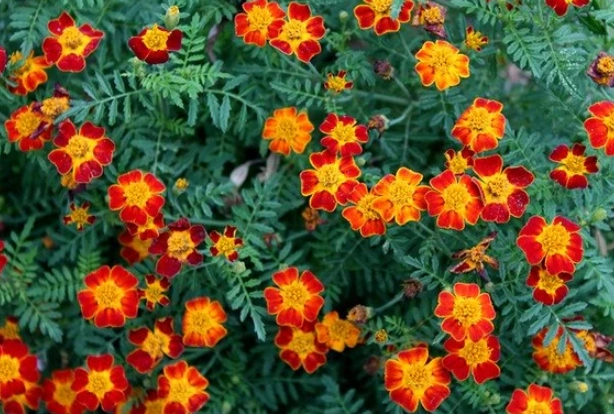
Sago Palm: A Landmine for Dogs
Often used in landscaping and sold as houseplants, Sago Palms are highly toxic. The seeds (“nuts”) are the worst, but every part is poisonous. Ingestion can lead to severe liver damage and has a high fatality rate in dogs, even with aggressive treatment. They’re deceptively attractive but have no place in a pet-friendly yard.
Building Your Pet-Safe Oasis: Top Non-Toxic Flower Choices
Now for the fun part. Here are reliable, beautiful, and widely available flowers that are generally considered safe for cats and dogs. Always confirm the botanical name when buying, as common names can be misleading.
| Flower | Best For | Pet-Safe Notes & Care Tip |
|---|---|---|
| Orchids (Phalaenopsis, Oncidium) | Indoor elegance, low light | Vast majority are non-toxic. A fantastic, long-lasting indoor option. Let the potting mix dry slightly between waterings. |
| African Violets (Saintpaulia) | Colorful indoor pots | Completely safe and compact. Perfect for bright, indirect light indoors. Water from the bottom to avoid leaf spots. |
| Snapdragons (Antirrhinum) | Cut flowers, garden borders | Safe and add wonderful vertical interest. They’re cool-weather annuals. Great for a spring bouquet. |
| Roses (Rosa spp.) | Garden, cut bouquets | Thorns are the main hazard! Opt for “knock out” or other shrub roses with fewer thorns if your pet is a chewer. Remove thorns from cut stems. |
| Sunflowers (Helianthus annuus) | Garden, cheerful bouquets | Generally safe. The sheer size might tempt a dog to play with the stalk. Ensure the pot or plant is stable. |
| Zinnias | Summer garden, cut flowers | Easy to grow from seed and completely safe. They attract butterflies, adding another layer of garden joy. |
| Boston Fern (Nephrolepis exaltata) | Hanging baskets, indoor greenery | A classic, safe fern that adds lush texture. It prefers humidity, so mist it or place it in a bathroom. |
| Spider Plant (Chlorophytum comosum) | Easy-care indoor plant | Non-toxic and nearly indestructible. Cats are often attracted to the long, dangling “pups.” It’s mildly hallucinogenic to cats (like catnip) but safe if eaten. |
I’ve filled my sunroom with orchids, African violets, and a sprawling spider plant. My dog ignores them, and my cat occasionally bats at the spider plant’s babies—a harmless pastime. The color and life they bring are worth the minimal care.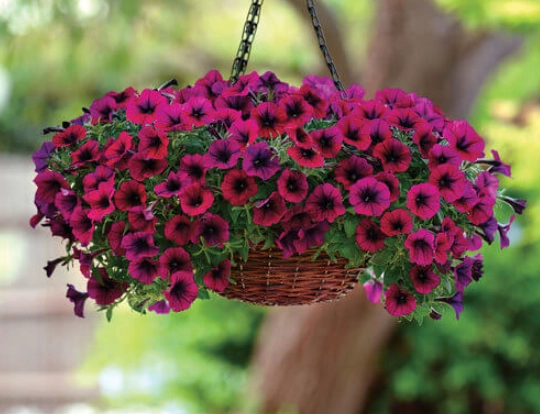
Beyond the Bloom: Other Pet-Safe Plant Considerations
Flowers are one thing, but your green space includes more.
Herbs: Many culinary herbs are excellent, functional, and safe. Think rosemary, thyme, basil, and dill. They smell great and you can use them in cooking. Avoid chives, garlic, and leeks, which are in the allium family and toxic.
Grasses: Cats, in particular, often crave greens. Planting a small pot of cat grass (usually wheatgrass or oat grass) gives them a designated, safe outlet for their chewing instincts and may distract them from other plants.
Soil and Fertilizers: Even a non-toxic plant can be a hazard if the potting soil contains mold from overwatering, or if you’ve used systemic pesticides or certain organic fertilizers (like bone meal, which can be very enticing and dangerous if dug up and eaten).
Expert Tips for a Truly Pet-Friendly Home
Knowledge is power, but strategy is key. Here’s how to put it all together.
1. Placement is Everything. Use high shelves, hanging planters, or dedicated rooms with closed doors for any plants you’re unsure about or that are mildly irritating. Even non-toxic plants can cause an upset stomach if a dog decides to make a salad out of your prized fern.
2. Train and Distract. A firm “leave it” command is invaluable. More effectively, provide better alternatives. Cat grass for cats, sturdy chew toys for dogs. Make the safe option more interesting.
3. Inspect Bouquets Ruthlessly. Tell your florist you have pets. Ask them to avoid filler greens like ivy, eucalyptus, or baby’s breath (which can cause GI upset). Remove any questionable stems immediately upon receiving an arrangement. I’ve had to pluck lilies and gladiolus from “get well” bouquets more than once.
4. Watch for the Unseen. Fallen leaves, dropped petals, and spilled potting soil are all fair game for a curious pet. Regular tidying around your plants is part of pet-safe plant care.
Your Pet Safe Flower Questions Answered
Creating a home with pet friendly flowers isn’t about limiting beauty; it’s about choosing it wisely. It’s the peace of mind that comes from knowing the vibrant orchid on your table or the sunflowers in your yard add only joy, not risk. Start with one safe plant, maybe a resilient spider plant or a cheerful zinnia pot. You’ll find that a pet-safe home is the most beautiful kind of all.





Leave a comment