Let's cut to the chase. Using treats to train your dog isn't just a nice idea—it's the most effective, science-backed method we have. It's called positive reinforcement. You reward the behavior you want, and your dog is more likely to repeat it. Simple, right? Well, the concept is simple, but the execution is where most people, including myself when I started, get tripped up. This isn't about bribing your dog. It's about clear communication. Over the years, I've seen the same subtle mistakes derail progress: using low-value treats for a difficult task, mistiming the reward by half a second, or creating a dog that only listens when the treat bag is in sight. We'll fix all of that here.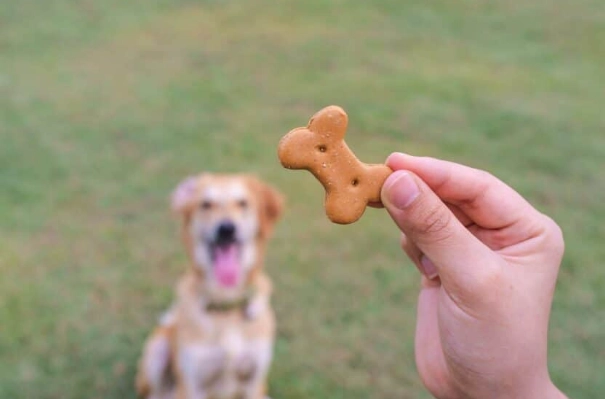
What's Inside This Guide?
How to Choose the Right Treats for Training
Not all treats are created equal for training. The bag of large, crunchy biscuits you buy for a bedtime snack is useless for a training session. You need something small, soft, and smelly. Think of it as currency. In a distracting environment, you need high-value currency.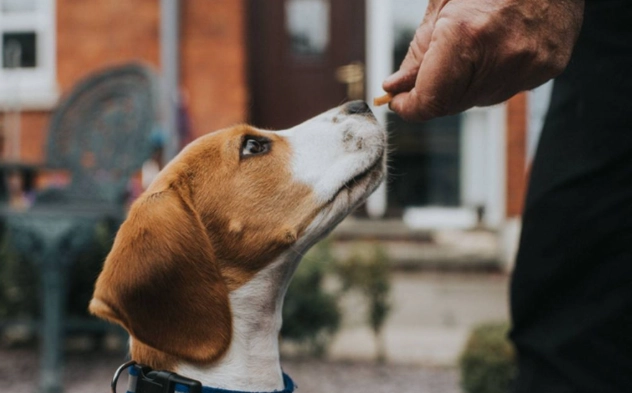
Here’s a breakdown I wish I had when I got my first dog:
| Treat Type | Examples | Best For | Notes |
|---|---|---|---|
| Low-Value (Kibble) | Your dog's regular dry food | Quiet, low-distraction environments at home. Practicing behaviors your dog already knows well. | Free! Easy to portion. Most dogs won't work hard for it if there's anything more interesting around. |
| Medium-Value (Standard Treats) | Commercial soft training treats (like Zuke's Mini Naturals), small pieces of cheese, hot dog bits. | Most indoor training sessions, learning new commands, moderate distractions. | The workhorse of treat training. Soft enough to swallow quickly, motivating for most dogs. |
| High-Value (Jackpot!) | Freeze-dried liver, real chicken breast, salmon bits, special wet food from a tube. | High-distraction environments (parks, around other dogs), introducing scary objects, fixing major behavioral issues like recall. | Reserve these for when you really need your dog's absolute focus. Using them too often can diminish their power. |
Pro Tip from the Trenches: I keep a dedicated "training treat" pouch. In it, I mix kibble (70%) with medium-value treats (30%). My dog never knows if the next reward will be boring kibble or a delicious bit of chicken, so he stays engaged—it's like a slot machine. This is called a variable reinforcement schedule, and it's incredibly powerful for maintaining behavior.
Size matters. A training treat should be no bigger than the size of your pinky nail. You're going to be giving out dozens, maybe hundreds, in a session. You don't want to fill up your dog or slow down the training pace.
Mastering the Basics: Your Step-by-Step Training Blueprint
Okay, you have your treats. Now what? Throwing food at your dog randomly teaches nothing. The magic is in the sequence. Forget long, tedious sessions. Five minutes, two or three times a day, beats one marathon 30-minute session every time.
The Golden Rule: Mark and Reward
This is the core engine of treat training. You need a marker—a clear sound that tells your dog, "Yes! That exact thing you just did is what I'm paying you for." The most common marker is a clicker (a little box that makes a distinct "click" sound), but you can also use a short, consistent word like "Yes!" or "Good!".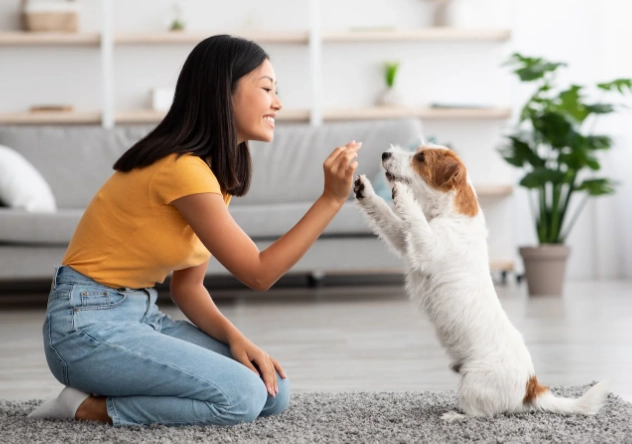
Here’s how it works in real time for teaching a "sit":
- Get the behavior. Hold a treat near your dog's nose, then slowly move it up and back over their head. Their bottom will naturally go down.
- MARK IT. The *instant* their rear touches the floor, you click or say "Yes!". This is the most common timing error—marking too late. It has to be precise.
- Reward. Immediately after the mark, give them the treat. The mark predicts the treat.
Do this 5-10 times. Then, start saying the cue word "Sit" just *as* they begin to move into the position. Soon, they'll associate the word with the action.
Building a Reliable Recall (The "Come" Command)
This is the most important command, and treat training is the only humane way to build it reliably. The mistake? Calling your dog for something they don't like (a bath, nail trim, end of playtime) and not rewarding them lavishly when they do come.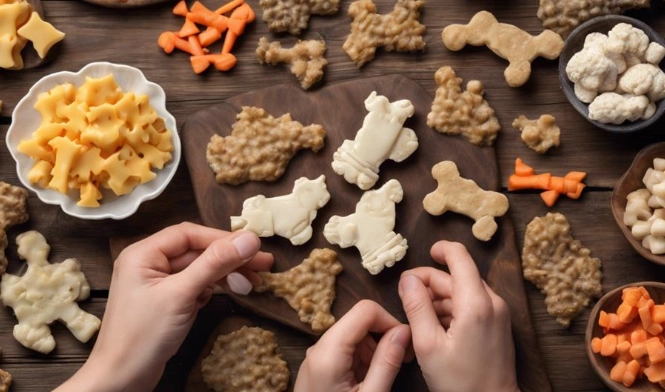
My method:
- Start indoors, on a leash. Say "Fido, come!" in a happy voice, take a step back, and gently guide them to you with the leash if needed.
- The *second* they reach you, MARK and give a high-value treat jackpot (3-5 treats in rapid succession).
- Make coming to you the best party ever. Pet them, praise them, then release them to go play again. Never call them to you just to end fun.
- Gradually increase distance and distractions, always setting them up for success. If they ignore you outside, you've moved too fast—go back to an easier step.
The Subtle Error Everyone Makes: Repeating the cue. You say "Come." Your dog sniffs a bush. You say "Come... come on... COME HERE!" You've just taught your dog that "Come" is a meaningless sound you make while they ignore you. Say it once. If they don't respond, calmly go get them or make yourself more interesting—don't nag.
Why Isn't My Dog Treat Training Working? (Common Mistakes)
You're doing the steps, but progress is slow or stalled. Let's troubleshoot. I've made every one of these.
Mistake 1: The Treat is a Bribe, Not a Reward. If you show the treat *before* you ask for the behavior, you're bribing. Your dog only performs when they see the goods. Instead, keep treats hidden (in a pouch or behind your back). Ask for the behavior. *Then* produce the treat as the reward after they comply. This shifts their motivation from "I see food, so I'll sit" to "I'll sit, and then I might get food."
Mistake 2: Inconsistent or Slow Rewarding. That half-second delay between the correct behavior and the reward is an eternity for a dog. They might be standing up by the time you treat, accidentally rewarding the stand. Speed is everything, especially for new behaviors.
Mistake 3: Moving Too Fast, Too Soon. Your dog sits perfectly in the kitchen. Great! That doesn't mean they'll do it at the busy park tomorrow. You need to proof the behavior. Practice in different rooms, with mild distractions (like a toy on the floor), then in the yard, then on a quiet street. Increase difficulty in tiny increments. If they fail, you pushed too far—take a step back.
Mistake 4: Getting Frustrated. Dogs read energy. If you get tense or annoyed, the session is over. End on a success, even if you have to ask for an easier behavior they know perfectly. Keep it fun.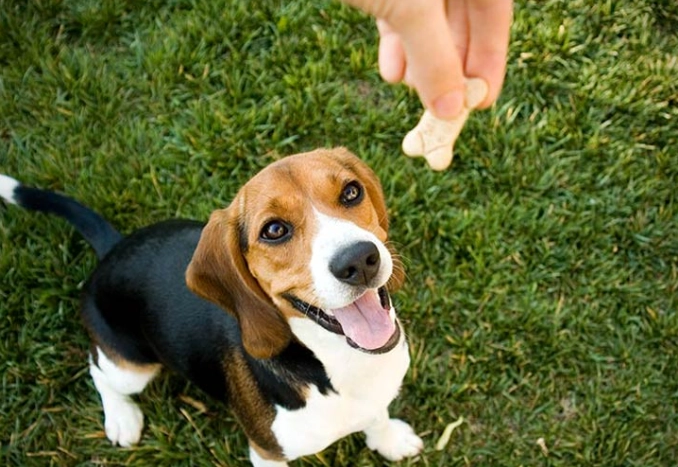
Leveling Up: Advanced Tips for Real-World Reliability
You've got the basics down. Your dog sits, stays, comes indoors. Now, how do you get them to listen in the real world, where squirrels exist?
Fading the Treats (The End Goal): You don't want to carry treats forever. The goal is to move from a continuous reward schedule (treat every time) to a variable or intermittent one. Once a behavior is solid, start rewarding unpredictably. Sometimes give a treat, sometimes just praise and a pet, sometimes a game of tug. This actually makes the behavior stronger and more resistant to extinction, because your dog keeps working in hope of the payoff.
Life Rewards: The ultimate goal is to use real-life things your dog wants as rewards. You want to go through the door? Sit first. You want me to throw the ball? Drop it first. You want to greet that other dog? A calm sit earns you the permission. This integrates training into daily life and reduces dependence on food.
The Premack Principle: This is a fancy term for "Grandma's Rule": First do what I want, then you get to do what you want. It's incredibly powerful. For a dog that pulls on the leash, the rule becomes: "Loose leash walking gets us to the sniffing spot faster." The sniffing is the reward.

Leave a comment