Let's get one thing straight right away. "Overnight" doesn't mean magic. You won't tuck a screaming puppy into a crate at 10 PM and wake up to a perfectly trained angel at 7 AM. Any guide promising that is setting you up for failure. What "overnight" really means here is the first critical night—and the process you start then. It's about establishing the routine from day one that leads to peaceful nights within days, not months.
I learned this the hard way with my Labrador, Max. I followed bad advice to "let him cry it out" in a distant kitchen. The result? A stressed puppy, sleepless neighbors, and zero progress. The method that actually worked was gentler, smarter, and based on understanding his instincts, not just my convenience.
What You'll Learn in This Guide
The "Overnight" Myth vs. The Reality of Puppy Biology
Searching for a quick fix is natural. Puppy exhaustion is real. But a puppy is a baby animal. They have tiny bladders, they miss their littermates, and the world is new and scary. The American Veterinary Society of Animal Behavior emphasizes that force and flooding (overwhelming exposure) are ineffective and can worsen anxiety.
The realistic goal for "overnight" training isn't silence. It's management and foundation. It's about getting through the first night with minimal trauma for both of you, so you can build on success the next night and the night after. Success looks like progressively longer stretches of quiet, not immediate perfection.
Your Step-by-Step Plan for Night One
This is the actionable blueprint. Do these things in order.
1. The Pre-Bedtime Wind Down (7 PM - 10 PM)
No crazy play right before bed. The last hour should be calm. Offer the final water about an hour before crate time. Take them for their final potty break immediately before they go in the crate. I mean, walk them until they go. This is your biggest leverage for a longer first sleep stretch.
2. The Crate Entry (Make It a Non-Event)
Have a super high-value treat ready—something they only get at crate time, like a bit of plain chicken or a special chew. Toss it into the back of the crate. Let them go in on their own. When they're in, calmly close the door without fanfare. No emotional "goodnight, sweetie!" speeches. You want boring and routine.
3. Location, Location, Location
This is the most important decision for night one. Place the crate right next to your bed, at arm's reach if possible. Your puppy needs to smell and hear you. This single step cuts nighttime anxiety by about 80%. For Max, the moment I moved the crate from the kitchen floor to beside my bed, the frantic crying stopped. He just needed to know I was there.
4. The First Response to Whining
They will whine. Be ready. If it's a little grumble, wait it out. They might settle. If it escalates to distressed crying, do not open the crate door. Instead, put your fingers through the bars near where they are. Let them sniff and lick. Often, that contact is enough. If they were quiet for a few seconds, praise them softly: "good quiet."
The Non-Negotiable Crate Setup Checklist
A poorly set up crate is a torture chamber. A well-set up crate is a sanctuary. Get these elements wrong, and you're fighting a losing battle.
- The Right Size Crate: It should be just big enough for the puppy to stand up, turn around, and lie down. If it's too big, they'll use one corner as a bathroom. Use a divider panel for adjustable crates.
- Comfortable Bedding: A soft, washable mat. Avoid fluffy beds a puppy can shred and potentially ingest. An old towel works perfectly.
- Security Items: A snuggle puppy (a toy with a heartbeat simulator) is a game-changer for many. A t-shirt you've worn all day, stuffed in the corner, works wonders too.
- Dark & Quiet: Covering the crate with a light breathable blanket on three sides creates a den-like feel. It also blocks visual stimuli that might keep them awake.
- Nothing to Chew or Choke On: No collars, leashes, or toys with small parts inside the crate at night. Safety first.
How to Handle Whining and Crying (Without Losing Your Mind)
This is the breaking point for most people. The sound triggers something primal in us. Here’s a decision tree based on what I learned from professional trainers and my own failures.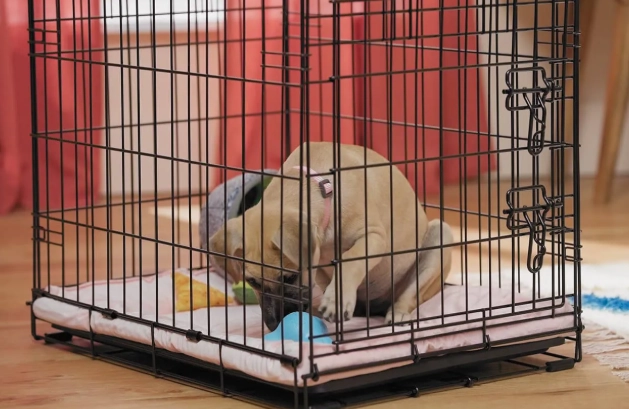
First, ask: Is this a "need" cry or a "protest" cry?
"Need" Cry Signs: They just went potty but are circling, sniffing, or scratching. It's been 2-3 hours for a young puppy. They sound panicked. Action: Take them out immediately. Keep it boring—no lights, no talk, just business. Then straight back to the crate.
"Protest" Cry Signs: They settled, then started up again when you moved. It's a rhythmic, attention-seeking whine. They stop when they see you. Action: This is where you hold the line. Do not make eye contact. Do not speak. You can try the finger-through-the-bars comfort. But do not open the door until there is a moment of quiet. You are teaching that quiet gets them nothing bad, and crying doesn't make the door open.
A Realistic First-Week Overnight Schedule
This table isn't a rigid rulebook, but it shows you the progression you're aiming for. A 10-week-old puppy's bladder simply isn't wired for 8 hours.
| Night | Realistic Goal | Your Likely Wake-Up Calls | Key Focus |
|---|---|---|---|
| 1 & 2 | 2-3 hour sleep stretches | 12 AM, 3 AM, maybe 5 AM | Establishing the routine. Crate by bed. Comfort without surrender. |
| 3 & 4 | One middle-of-night potty break | 2 AM or 3 AM | Puppy may sleep through the first wake-up. Stretch the time between breaks. |
| 5 - 7 | Sleeping until first morning light | 5:30 AM - 6:30 AM | Managing early waking. Don't start the day at first whine. Wait for calm. |
See the progression? It's about incremental gains. By the end of the first week, if you're down to one pre-dawn potty break, you're winning.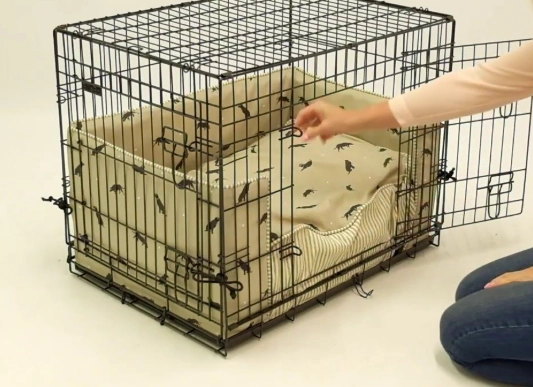
The 3 Biggest Mistakes That Ruin Crate Training
I've seen these undo weeks of work in a single night.
- Using the Crate as Punishment. Never say "Go to your crate!" in an angry tone. The crate must always be linked to positive things. If you need a timeout, use a bathroom or gated area, not the sleep crate.
- Responding to Every Sound. Puppies make noise in their sleep—little yips, grunts, shuffles. If you jump at every sound, you'll wake them up and teach them to be light sleepers. Learn the difference between sleep noises and "I need out" noises.
- Giving Up After One Bad Night. Some nights will be regressions. Maybe they're teething, or there was a thunderstorm. Stick to the routine the next night. Consistency is the bedrock.
Your Top Crate Training Questions, Answered
The path to a puppy who sleeps peacefully in their crate isn't a secret trick. It's a blend of biology, psychology, and relentless consistency. You're building trust. Start tonight with the crate by your bed, a great treat, and realistic expectations. You might be surprised at how quickly those quiet stretches get longer.
It took Max about 10 days to sleep from 11 PM to 5:30 AM consistently. Was it perfect from night one? No. But by focusing on the process—not the fantasy of "overnight" success—we both got the rest we needed.




Leave a comment