Let's cut to the chase. Yes, cats can have chicken broth, but with a massive, flashing neon asterisk. The simple image of pouring a bit of your soup stock into your cat's bowl is fraught with hidden dangers most pet owners never consider. I've been through this myself—watching a finicky cat turn up its nose at expensive food, then lap up broth like it's nectar. It feels like a win. But is it that simple? Not even close. The type of broth you use makes all the difference between a harmless hydration boost and a potential trip to the vet.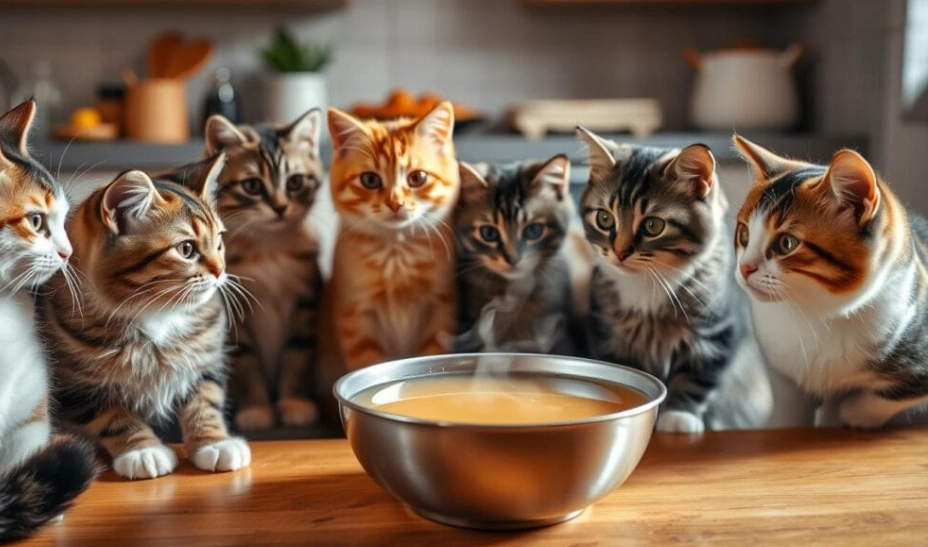
What You'll Find in This Guide
Why Consider Chicken Broth for Your Cat?
When done right, a little chicken broth isn't just a tasty treat. It can serve some practical purposes that go beyond just spoiling your feline friend.
1. A Hydration Powerhouse
Cats are notorious for low thirst drives, a leftover trait from desert-dwelling ancestors. This makes them prone to chronic, low-level dehydration, a key contributor to urinary tract issues like crystals and cystitis. I've seen many cats perk up and visit the litter box more healthily after getting extra fluids from a broth supplement, especially those on a dry-food-only diet.
2. The Appetite Stimulant for Picky or Sick Cats
The smell of warm chicken broth is often irresistible. For a cat recovering from illness, surgery, or just having a finicky day, pouring a tablespoon of warmed, low-sodium broth over their regular food can work wonders. It's a gentler, more natural approach than forcing food.
3. Potential Joint Support (The Bone Broth Angle)
Here's where homemade "bone broth" gets interesting. Simmering bones for a long time releases compounds like collagen, glucosamine, and chondroitin. While formal studies on cats are limited, the theory is these nutrients may support joint health. For an older, creaky cat, it's a comforting, edible supplement. The key is the long simmer to extract those compounds.
Quick Takeaway: The benefits are real—hydration, appetite, and potential nutrients. But they are completely negated if the broth contains harmful ingredients.
The Hidden Dangers in Store-Bought Broth
This is the critical part most blogs gloss over. Grabbing a carton of low-sodium broth from the human aisle is where things go wrong. Here’s what you're potentially serving:
Sodium (Salt) Overload
Even broths labeled "low-sodium" are formulated for humans, not 10-pound cats. Excessive salt intake can lead to sodium ion poisoning—symptoms include vomiting, diarrhea, tremors, and in severe cases, seizures. It also puts unnecessary strain on the kidneys, a major concern for older cats.
Onions, Garlic, and Leeks
These are absolute deal-breakers. They belong to the Allium family and are highly toxic to cats, damaging their red blood cells and causing anemia. They are common flavoring agents in many broths, stocks, and bouillon cubes. Always, always check the ingredient list. The ASPCA clearly lists onions and garlic as toxic to cats and dogs.
Additives and Preservatives
Monosodium glutamate (MSG), artificial flavors, yeast extract, and certain preservatives can cause digestive upset in sensitive cats. They offer no nutritional value and can trigger allergic reactions.
A Often-Overlooked Risk: BPA and Can Linings
Here's a non-consensus point you rarely see: if you use canned broth, consider the lining. Many cans are lined with bisphenol-A (BPA) or similar compounds. While the science on long-term effects is evolving, some pet health advocates suggest minimizing exposure, especially for a small animal consuming a concentrated liquid. Opting for BPA-free packaging or homemade is a cautious step many experienced owners take. The FDA provides information on BPA in food contact materials.
Bottom Line: Most store-bought chicken broths are a minefield of salt, toxic alliums, and chemicals. The convenience isn't worth the risk.
How to Choose or Make Safe Chicken Broth for Cats
You have two safe paths: finding a reputable commercial product made specifically for pets, or making your own. Let's break down both.
| Option | Pros | Cons & Key Checks |
|---|---|---|
| Commercial Pet-Specific Broth | Convenient, no prep work, often fortified with vitamins. | Can be expensive. Must read labels: Ensure no onions, garlic, high sodium, or artificial additives. Look for brands with simple, recognizable ingredients. |
| Homemade Chicken Broth | Total control over ingredients, can make bone broth for extra nutrients, cost-effective. | Requires time and effort. Must be stored properly (freeze in portions). Critical: Must follow a cat-safe recipe (like the one below). |
The Foolproof, Cat-Safe Homemade Chicken Broth Recipe
This is the method I've settled on after years of trial and error. It's simple, safe, and my cats go crazy for it.
Ingredients:
- 2-3 pounds of raw chicken pieces (necks, backs, wings, or feet are great for bone broth; breasts or thighs work for simple broth).
- Water, enough to cover the chicken by about 2 inches.
- That's it. No salt, no onions, no garlic, no celery, no carrots, no herbs. Just chicken and water.
Why no veggies? While carrots and celery aren't toxic, they are unnecessary and can introduce sugars and compounds some cats are sensitive to. We're keeping it pure.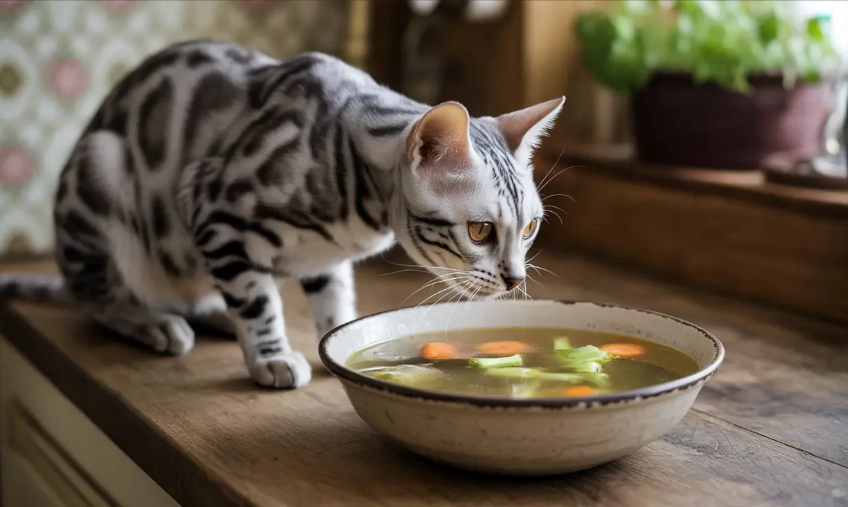
Instructions:
- Place chicken in a large pot or slow cooker.
- Cover with cold water.
- Bring to a boil, then immediately reduce to the lowest possible simmer.
- For simple broth: Simmer for 2-4 hours. Skim off any foam that rises to the top.
- For nutrient-rich bone broth: Simmer for 12-24 hours on very low heat. The longer simmer extracts minerals and gelatin from the bones.
- Let it cool slightly, then strain through a fine-mesh sieve to remove all bones, meat, and particles.
- Let the broth cool completely in the refrigerator. The fat will solidify on top—you can skim this off if you want a leaner broth.
- Portion into ice cube trays or small containers and freeze. One ice cube is a perfect single serving.
Serving Size and Frequency: Less is More
Chicken broth is a supplement or treat, not a meal replacement. Overdoing it can lead to diarrhea or nutritional imbalance.
- Start Small: Offer 1-2 teaspoons to see how your cat's stomach reacts.
- Standard Serving: 1-2 tablespoons per day, maximum.
- How to Serve: Warm it slightly to enhance the aroma (test on your wrist to ensure it's lukewarm, not hot). Pour it over their regular wet food, mix it into a paste with a medication, or offer it in a separate small dish.
- Frequency: A few times a week is plenty. It shouldn't be an everyday staple unless specifically recommended by your vet for a medical reason like hydration support.
Answering Your Burning Questions
The final verdict? A plain, homemade chicken broth can be a safe and beneficial occasional treat for most cats. It unlocks a tool for hydration and appetite that few other foods can match. But the moment you reach for the convenient human-grade stuff, you're gambling with ingredients that don't belong in a feline diet. Take the extra 20 minutes on a Sunday to simmer a batch, freeze it in a silicone ice cube tray, and you’ll have a stash of safe, enticing liquid gold your cat will thank you for. It’s one of those small acts of care that makes a real difference.




Leave a comment