Quick Navigation
Let’s be honest. You’re sitting there with guests over, trying to have a nice conversation, and your dog decides now is the perfect time to start energetically humping the leg of your favorite armchair. Or maybe your pup’s favorite target is a specific stuffed toy, another dog at the park, or even your own leg. The burning question hits you, tinged with a bit of embarrassment: Is it normal for my dog to hump a lot?
You’re not alone in wondering. I remember when my friend’s dog, Buddy, a normally placid Golden Retriever, went through a phase of mounting every pillow in the house. My friend was convinced it was a strictly sexual thing, but the vet had a totally different take. That experience got me digging deeper into this whole topic.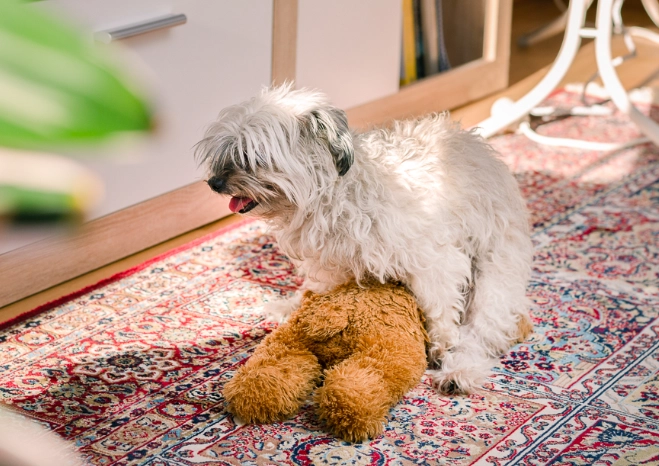
The short, and maybe surprising, answer is: often, yes, it can be normal. But—and this is a big but—it’s not always simple. The real story behind why dogs hump is way more complicated than most people think. It’s not just about sex. In fact, that’s often not the main driver at all, especially in neutered or spayed pets.
So, if you’re asking yourself, “Is it normal for my dog to hump a lot?”, stick with me. We’re going to unpack everything. We’ll look at the common reasons, the not-so-common ones, when you should start to worry, and most importantly, what you can actually do about it. This isn’t about quick fixes or shame; it’s about understanding your dog.
What's Really Going On? It's Not (Just) What You Think
First things first, we need to ditch the idea that mounting is solely a sexual behavior. For puppies, it almost never is. For adult dogs, it’s frequently about something else entirely. Veterinarians and animal behaviorists see it as a context-dependent behavior. That’s a fancy way of saying you have to look at the “when” and “where” to understand the “why.”
Let me break down the main reasons. I find it helpful to think of them in categories.
The Play and Excitement Factor
This is a huge one, especially for younger dogs. Have you ever seen two puppies playing, and one suddenly jumps on the other’s back? It’s often just part of the play ritual. The energy levels spike, the play gets rowdy, and humping can be an outlet for that over-the-top excitement. It’s like a kid getting so hyper they start jumping on the couch.
So, if your dog humps during playdates or when you come home from work, excitement is a prime suspect. It’s their clumsy way of saying, “I’m SO HAPPY/ENERGIZED right now!”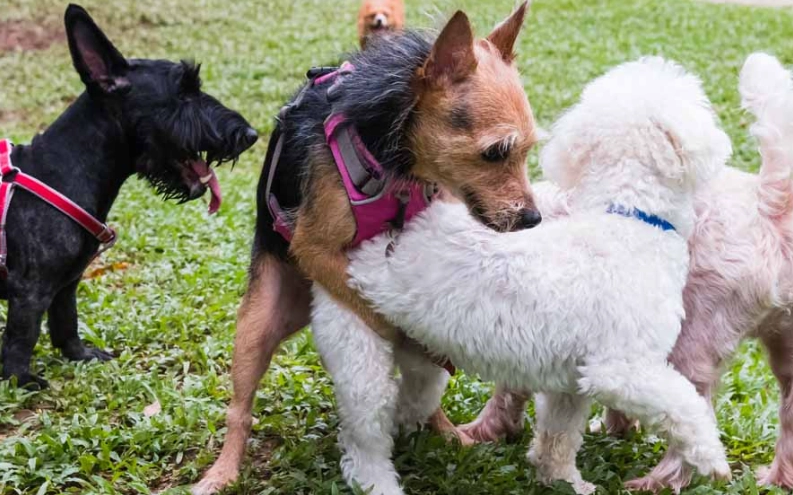
Stress, Anxiety, and Overstimulation
This is the flip side of the excitement coin and is a really critical point that many owners miss. Dogs, like people, can develop coping mechanisms for stressful situations. For some dogs, mounting becomes a displacement behavior or a self-soothing habit.
Think about it. The doorbell rings, causing a frenzy. A new, intimidating person comes into the house. There’s loud construction noise outside. Your dog might feel overwhelmed and not know how to handle those big feelings. Humping can become a go-to action to release that nervous tension. It’s a bit like how some people bite their nails or tap their foot when anxious.
If your dog seems to hump more in chaotic or unfamiliar situations, stress could be the underlying trigger. It’s their weird, awkward way of trying to calm themselves down.
Social Dynamics and Assertion
This one is trickier and requires careful observation. In multi-dog households, humping can sometimes be related to social structure. It can be an attempt to assert social standing or to manage another dog’s behavior. However—and this is crucial—it’s not a reliable indicator of “dominance” in the way pop culture talks about it.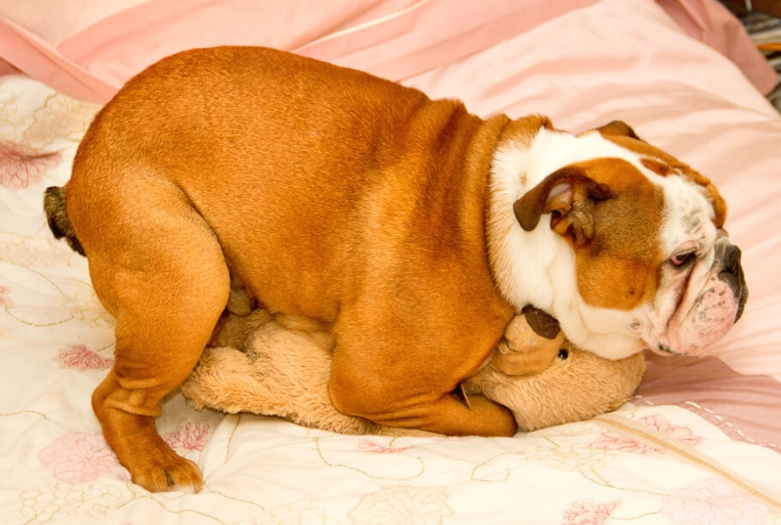
More often, it’s a sign of social uncertainty or ineptitude. A dog that isn’t great at reading social cues might use humping inappropriately during greetings. The American Society for the Prevention of Cruelty to Animals (ASPCA) notes that it’s often a sign of a socially awkward dog, not necessarily an “alpha” dog. You can read more about canine social behavior on their common behavior issues page.
Important: Never assume a dog humping another dog is “just being dominant.” It can lead to fights if the other dog takes offense. Always monitor dog-dog interactions closely when this behavior is present.
Medical Causes You Absolutely Can't Ignore
This is the section where you need to put your vet’s number on speed dial. Sometimes, excessive humping is a red flag for a physical problem.
- Skin Allergies or Irritation: Itchy skin around the genitals or rear end can cause a dog to rub or mount objects for relief. What looks like humping might be scratching.
- Urinary Tract Infections (UTIs): Discomfort, a constant feeling of needing to go, or inflammation can lead to increased licking and humping in the area.
- Hormonal Imbalances: Even neutered dogs can have residual hormonal issues that drive the behavior.
- Anatomical Problems: Things like impacted anal glands are incredibly uncomfortable and can prompt humping or scooting behavior.
The takeaway? A sudden, new, or dramatically increased pattern of humping warrants a vet check. The American Veterinary Medical Association (AVMA) emphasizes that a behavior change is often the first sign of a medical problem. It’s always the right first step to rule out pain or illness. Their resource on pet behavior and wellness is a good place to understand this link.
So, circling back to our core question: Is it normal for my dog to hump a lot? As you can see, “normal” depends entirely on the cause. Playful or excited humping in a young dog? Pretty standard. Stress-based or medically-linked humping in an older dog? That’s a signal that something needs attention.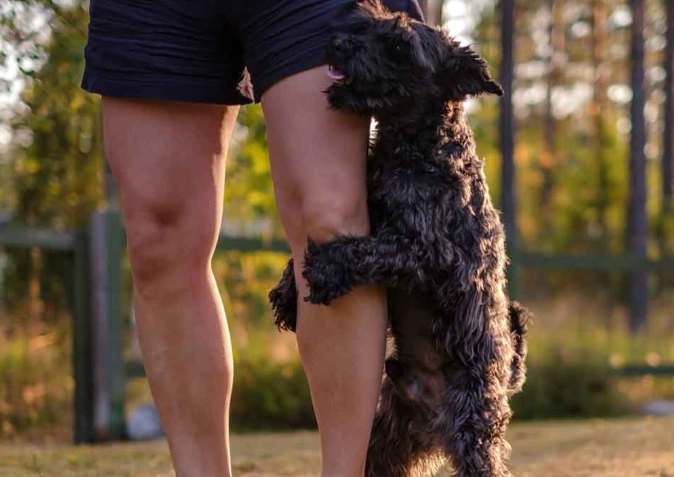
When "Normal" Tips Into "Need to Address This"
Okay, so we’ve established it’s a common behavior with many causes. But when does it stop being just a quirk and start being a problem? Here’s my rule of thumb list for when you should shift from observation to action.
You need to intervene if the humping:
- Is directed at people (especially children) or is making guests uncomfortable.
- Causes conflict or fights with other dogs in the home or at the park.
- Seems compulsive—your dog does it constantly, can’t be easily distracted, and seems driven to do it.
- Is new, sudden, and intense in an adult dog with no history of it.
- Is accompanied by other signs like excessive licking of the area, redness, swelling, or changes in urination.
- Is damaging furniture or objects (though that’s more of a practical nuisance).
- Seems to be your dog’s primary way of interacting with the world.
If any of those boxes are ticked, then asking “is it normal for my dog to hump a lot?” is the right question, and the answer is leaning towards “this needs a closer look.”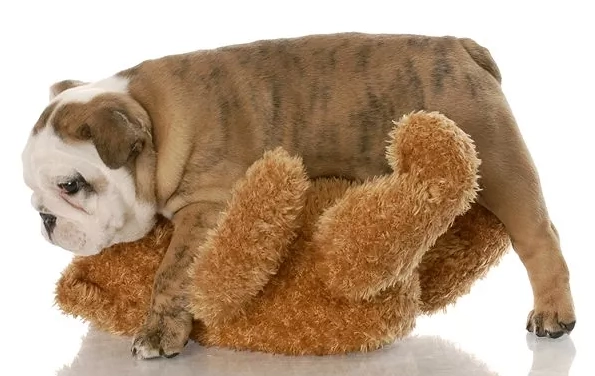
A Practical Game Plan: What to Actually Do About It
Telling you to “just ignore it” isn’t helpful if it’s happening on your leg. And punishment is almost always a bad idea—it can increase anxiety or simply teach the dog to do it when you’re not looking. Instead, let’s talk strategy. This isn’t a linear process; you might use a few of these tools together.
Step 1: The Non-Negotiable Vet Visit
I can’t stress this enough. If the behavior is new or excessive, schedule a vet appointment first. Explain everything: when it happens, how often, the context. Let them check for UTIs, skin issues, anal glands, and anything else. It’s the most responsible first move and rules out underlying pain.
Step 2: Become a Detective (Keep a Log)
For a week, jot down notes. What was happening right before the humping started? Who was there? What time of day? What was the energy level in the house? This log is gold. It will show you patterns you’re likely missing. You might discover it only happens when the vacuum cleaner is out, or when Uncle Bob visits. That’s a huge clue.
Step 3: Manage the Environment
This is about preventing rehearsal of the behavior while you work on the root cause.
- Remove the target: If it’s a specific toy, put it away for now.
- Use baby gates or leashes: If your dog humps other dogs during greetings, keep them on a leash and greet calmly, or separate them before arousal gets too high.
- Provide a “time-out” space: A quiet crate or room with a chew toy can help an overexcited or overstimulated dog calm down. This isn’t punishment; it’s helping them decompress.
Step 4: Redirect and Teach an Incompatible Behavior
This is the positive, proactive core of training. The goal is to interrupt the behavior as it’s starting and ask for something else—something they can’t do while humping.
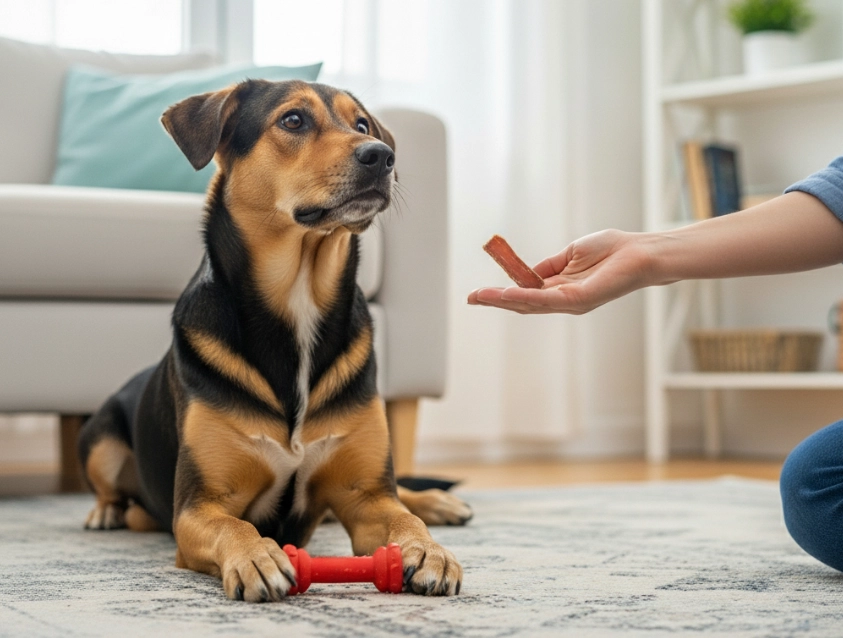
See your dog start to get that focused look, maybe zeroing in on a pillow? Calmly interrupt with a neutral sound like “oops” or “hey,” and then immediately ask for a known behavior like “sit,” “touch” (targeting your hand with their nose), or “go get your ball.” Then reward heavily with treats or play.
You’re not yelling “NO!” You’re saying, “That thing you’re about to do isn’t available. But *this* awesome thing is, and it pays well.” The American Kennel Club (AKC) has great tips on redirection that apply perfectly here.
Step 5: Address the Root Cause (Especially if it's Stress)
If your detective work points to anxiety or overarousal, then just stopping the humping isn’t enough. You need to help your dog feel less stressed.
- Increase physical and mental exercise: A tired dog is a less anxious dog. More walks, sniffaris, puzzle toys, and training sessions.
- Teach an “off-switch”: Practice relaxation protocols. Reward calm behavior like lying down on a mat. The book “Fired Up, Frantic, and Freaked Out” by Laura VanArendonk Baugh is fantastic for this.
- Consider professional help: A certified dog behavior consultant (CDBC) or a veterinary behaviorist (DACVB) can create a tailored plan for anxiety. They’re worth their weight in gold for complex cases.
Quick-Reference Guide: Why Dogs Hump & What to Do
This table might help you quickly match what you’re seeing with a potential cause and action step.
| Likely Cause | Typical Context | First Action Steps |
|---|---|---|
| Play/Excitement | During high-energy play, when owners come home, during parties. | Interrupt & redirect to a calmer activity. Ensure adequate daily exercise to burn energy. |
| Stress/Anxiety | During loud noises (thunder, vacuum), with visitors, in new places. | Identify & reduce stressors. Teach calmness/relaxation. Consult a behaviorist for severe anxiety. |
| Social Awkwardness | During dog-to-dog greetings, in multi-dog homes during resource disputes. | Manage interactions (use leashes/gates). Reward calm greetings. Seek help from a trainer for dog-dog skills. |
| Medical Issue | Sudden onset at any age. Accompanied by licking, scooting, or whimpering. | SCHEDULE A VET VISIT IMMEDIATELY. This is always step one for new behaviors. |
| Habit/Compulsion | Seems mindless, frequent, hard to interrupt. Dog may look “zoned out.” | Increase mental stimulation. Strictly manage environment to prevent rehearsal. Vet check to rule out medical, then consult a behaviorist. |
Questions I Get Asked All the Time (FAQs)
My dog is neutered/spayed. Why are they still humping?
This is the biggest misconception! Spaying and neutering reduce sex hormone-driven behaviors, but they don’t erase learned behaviors or habits formed before the surgery. If your dog learned that humping is a fun way to play or a great stress reliever, they’ll likely keep doing it. Hormones are just one piece of the puzzle.
Should I let my dogs “work it out” themselves if one humps the other?
This is risky. While some dogs will give a clear correction (a growl, snap, or walk away), others may not, leading to built-up resentment or a sudden fight. It’s better to be a proactive manager. Interrupt the humping, separate the dogs briefly to let arousal levels drop, and reward calm behavior when they’re back together. Don’t let it become a frequent dynamic.
Is it okay to laugh or give attention when my puppy humps?
Not really. Even negative attention (yelling, pushing off) or positive attention (laughing, saying their name) can be reinforcing for some dogs. Any attention can accidentally reward the behavior. The best response is neutral: interrupt calmly and redirect without a big emotional reaction from you.
My older dog just started humping out of the blue. What gives?
This is a major red flag for a potential medical issue. Sudden behavior changes in senior or adult dogs are very often linked to pain or illness. Arthritis pain in the back or hips, a UTI, or cognitive decline can all manifest in new behaviors like humping. Vet visit. Now.
Can certain dog breeds be more prone to humping?
There’s no definitive scientific list of “humping breeds.” However, breeds that are high-energy, easily excitable, or prone to anxiety might display the behavior more frequently as an outlet. It’s more about individual personality and learned history than breed destiny.
Wrapping It All Up: Your Take-Home Checklist
Let’s bring this home. If you’re dealing with this, here’s your action plan in a nutshell. Don’t panic, just work through it.
- Don’t Panic or Feel Ashamed: It’s a common dog behavior with a wide range of causes. You’re not a bad owner.
- Rule Out Medical First: Any new or excessive humping = vet appointment. Full stop.
- Play Detective: Keep a log to find the triggers (excitement, stress, specific situations).
- Manage the Environment: Prevent practice. Remove targets, use gates, provide calm spaces.
- Train an Alternative: Use calm interruption and redirection to a positive, incompatible behavior (sit, touch, go to mat).
- Treat the Root, Not the Symptom: If it’s stress or anxiety, increase exercise, mental stimulation, and teach calmness. Get professional help if needed.
- Be Patient and Consistent: Changing a behavior takes time. There will be good days and setbacks.
Asking “Is it normal for my dog to hump a lot?” is the first step to understanding your furry friend better. It’s a behavior that speaks volumes if we learn to listen to what it’s really saying—whether it’s “I’m hyper!”, “I’m nervous,” or “Something hurts.”
Look, it can be annoying and embarrassing. I get it. But approach it with curiosity instead of frustration. You’ll likely strengthen your bond in the process, and that’s never a bad thing. Buddy doesn’t hump pillows anymore, by the way. He just steals socks instead. You win some, you lose some.



Leave a comment