Eight weeks. That's the number you'll hear most often. But here's the thing I've learned after years working with breeders, trainers, and countless new puppy owners: while eight weeks is an absolute minimum, it's often not the ideal time for a puppy to leave its mother and littermates. Getting this timing wrong can set the stage for a lifetime of behavioral challenges. Getting it right lays the foundation for a confident, well-adjusted dog.
What You'll Learn in This Guide
Why Getting the Timing Right Is Non-Negotiable
This isn't just about convenience. The period a puppy spends with its mother and siblings is a critical developmental phase. Think of it as puppy kindergarten, where they learn the core curriculum of being a dog.
The American Veterinary Society of Animal Behavior (AVSA) states that behavioral issues, not infectious diseases, are the number one cause of death for dogs under three years of age. Proper early socialization, which begins in the litter, is a key preventative measure.
Separating too early cuts this education short. Here's what's at stake:
Social Skills and Bite Inhibition
This is the big one. When puppies play, they bite. If one bites too hard, the other yelps and stops playing. The mother will also correct overly rough behavior. This is how puppies learn to control the force of their bite. A puppy taken away at six weeks misses weeks of this crucial feedback. The result? A dog that mouths painfully as an adult because they never learned their own strength.
Confidence and Stress Coping
The litter is a puppy's first world. Navigating interactions with siblings builds resilience. Being away from the litter for short periods (while still with mom) teaches them that separation isn't permanent. Puppies removed abruptly and too soon often develop heightened separation anxiety and are more easily frightened by novel situations.
Health and Immunity
While puppies start weaning around 3-4 weeks, they often continue nursing for comfort and nutrition. Mother's milk provides antibodies. Most puppies receive their first round of vaccinations around 6-8 weeks, but full immunity isn't immediate. Leaving too early can stress the puppy, potentially weakening its immune system right before it enters a new, germ-filled environment (your home).
Is 8 Weeks Really Enough? A Deeper Look
The eight-week rule became standard for a few practical reasons: it's when puppies are weaned, have had their first vet visit and vaccines, and are legally permissible to sell in many places. But from a behavioral standpoint, it's often the bare minimum.
I've seen a clear difference between puppies who left at eight weeks on the dot and those who stayed until nine, ten, or even twelve. The latter group tends to be more socially fluent with other dogs. They've had more time to learn those subtle canine manners.
Here's my non-consensus take: For many puppies, the ideal window is between 10 and 12 weeks. This allows them to complete more advanced "social studies" with their littermates. A responsible breeder can also use this time to introduce more sophisticated household socialization—vacuum cleaners, doorbells, different floor surfaces—in a controlled, positive way.
The Caveat: This longer stay only works if the breeder is actively continuing socialization. Leaving a puppy in a kennel or barn with minimal human interaction from weeks 8 to 12 can be detrimental. The breeder's role shifts from primary caregiver to teacher.
How to Tell If Your Puppy Is Truly Ready to Leave Its Mom
Age is a number, but readiness is a behavior. When you visit your potential puppy (and you should always visit), look for these signs of good development:
- Fully Weaned: The puppy should be eating solid food consistently and enthusiastically for at least a week or two, with no reliance on nursing.
- Confident Exploration: The puppy should willingly wander away from the litter pile to investigate new sounds and people, then return comfortably.
- Engaged Play: You should see polite, give-and-take play with siblings, not just one puppy relentlessly bullying others.
- Basic Independence: The puppy should be able to sleep for a period without being physically on top of all its siblings.
- Human Focus: The puppy should show curiosity about people, not just cling to the breeder or hide.
If a puppy at eight weeks is still constantly glued to its mom, seems excessively timid, or isn't interacting much with littermates, it might benefit from another week or two. Discuss this openly with the breeder.
Does Breed or Size Make a Difference?
It can, and this is a nuance many guides miss.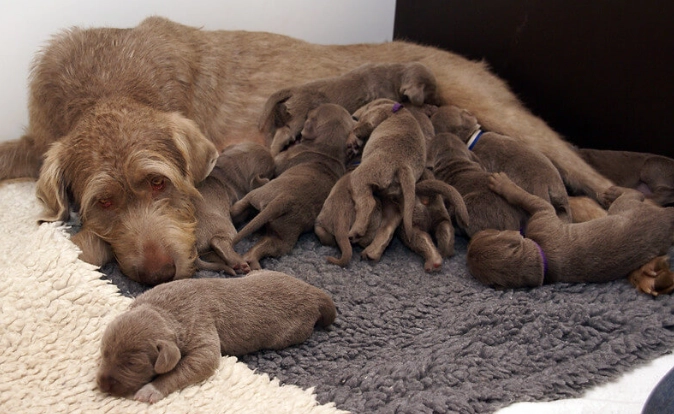
Small and Toy Breeds (Chihuahuas, Yorkies, Maltese): These pups are tiny and fragile. They can be more vulnerable to stress and hypoglycemia. While they still need the full social period, a very small puppy going to a quiet, experienced home might do fine at 9-10 weeks. The risk of them being physically overwhelmed in a busy environment is high, so the transition needs extra care regardless of age.
Large and Giant Breeds (Labs, Shepherds, Great Danes): Their size masks their babyhood. They absolutely need every bit of that litter socialization to learn bite inhibition and manners before they become a 50-pound teenager. I often recommend closer to 10-12 weeks for these breeds.
Working & Herding Breeds (Border Collies, Australian Shepherds): These dogs are often intensely smart and sensitive. The extra litter time can help build resilience and teach them how to "switch off" from play, which is a vital skill for breeds prone to hyperactivity.
Your Pre-Pickup Checklist: What to Have Ready
Once you've locked in the right time, your job is to make the transition seamless. Being prepared reduces stress for everyone.
Essential Supplies (Have These Day 1):
- A secure crate or pen for a safe sleeping/resting space.
- High-quality puppy food (ask the breeder for a starter bag of what they use).
- Food and water bowls (shallow, non-tip).
- A variety of chew toys (soft rubber, rope, a frozen washcloth).
- Poop bags and an enzymatic cleaner for accidents.
- A soft bed or blankets (that you don't mind potentially being destroyed).
- A collar, ID tag, and lightweight leash.
First-Week Priorities:
- Vet Appointment: Schedule a wellness check within the first 3 days.
- Quiet Zone: Designate a low-traffic area of your home as the puppy's base camp.
- Family Plan: Decide on house rules (is the puppy allowed on the couch?) and a potty schedule before the puppy arrives.
- Patience: The first few nights will involve whining. It's normal. Have a plan (will you do crate training right away?).
What If My Puppy Was Separated Too Early?
Maybe you rescued a puppy or got one from a less-than-ideal source. Don't panic. You can't recreate the litter, but you can mitigate the effects.
Step 1: Vet Check. Rule out any underlying health issues exacerbated by stress.
Step 2: Manage Bite Inhibition. You now have to teach this lesson. If the puppy bites too hard during play, let out a high-pitched "Ouch!" and immediately stop play for 30 seconds. Be consistent. This mimics the littermate's yelp.
Step 3: Controlled Socialization. This is crucial. Don't just throw them in the dog park. Arrange controlled, positive playdates with one or two stable, vaccinated, and gentle adult dogs or well-socialized puppies. Supervise closely.
Step 4: Build Confidence Slowly. Use positive reinforcement (treats, praise) for brave behavior. Avoid forcing them into scary situations. Let them observe the world from a safe distance at first.
Step 5: Seek Professional Help Early. If you see signs of extreme fear, anxiety, or inappropriate aggression, consult a certified force-free dog trainer or veterinary behaviorist. Don't wait for the problem to "fix itself."
Your Puppy Transition Questions Answered
Is 6 weeks too early for a puppy to leave its mom?
Yes, 6 weeks is unequivocally too early. At this age, puppies are still learning critical bite inhibition and social cues from their littermates and mother. Removing them disrupts this education, significantly increasing the risk of future behavior problems like excessive mouthing, fearfulness, and difficulty interacting with other dogs. It also compromises their immune system development.
Can a puppy leave its mom at 10 or 12 weeks?
Absolutely, and for many puppies, 10 to 12 weeks is an ideal window. This extra time allows for more advanced social learning within the litter and gives the breeder or caretaker more opportunity to expose the puppy to various household sights and sounds in a controlled way. It's particularly beneficial for smaller or more timid breeds. The key is ensuring continued, positive socialization during these extra weeks.
What if I adopt a puppy that was separated too early?
Focus on patience and structured support. Schedule a vet check immediately. Prioritize building confidence through very short, positive training sessions. You may need to carefully manage their interactions with other dogs, introducing them slowly to well-socialized, calm adult dogs. Consult a force-free professional dog trainer or behaviorist early on to address potential issues like bite inhibition or anxiety proactively.
 The decision of when a puppy should leave its mom isn't just about marking a date on the calendar. It's about observing the individual puppy's development and prioritizing their long-term behavioral health over short-term convenience. Pushing for that extra week or two with a responsible breeder can make a profound difference in your journey together. It's the first, and one of the most important, investments you make in your future best friend.




Leave a comment