Your Quick Guide to This Article
- What Exactly Is Resource Guarding, and Why Does My Dog Do It?
- The Trainer Landscape: Not All Dog Trainers Are Created Equal
- Your Step-by-Step Guide to Vetting a Dog Trainer for Resource Guarding
- What Does the Actual Training Process Look Like?
- Costs, Logistics, and Setting Realistic Expectations
- Common Questions (The Stuff You're Secretly Searching)
- Final Checklist Before You Hire
So your dog growled at you when you reached for his bone. Or maybe it was the food bowl, a favorite toy, or even that weird piece of lint he decided was his treasure. Your heart probably skipped a beat. That moment of tension, that flash of teeth – it’s scary, confusing, and honestly, it can make you feel a bit helpless. You’re not alone. Resource guarding is one of the most common, and one of the most misunderstood, behavioral issues dog owners face. And the first, most crucial step you’ll take is deciding to get professional help. But how do you find the right dog trainer for resource guarding? It’s not as simple as picking the first name on Google.
I remember talking to a friend whose Labrador, the sweetest dog you’d ever meet, started guarding the couch. Not aggressively, just a low grumble. They ignored it, thinking it was a phase. It wasn’t. The behavior escalated. That’s the thing with guarding – it often gets worse without intervention. The good news? With the right guidance, it’s almost always manageable. But the keyword is right. A bad trainer can make the problem infinitely worse, shattering your dog’s trust and deepening the anxiety that drives the behavior in the first place.
What Exactly Is Resource Guarding, and Why Does My Dog Do It?
Before we dive into finding trainers, let's get clear on the problem. Resource guarding isn't your dog being "dominant" or "spiteful." That's an outdated and harmful myth. Think of it as anxiety-driven behavior. Your dog is worried that a valuable resource (food, toys, space, even a person) will be taken away. The growl, snarl, or snap is a distance-increasing signal. It's your dog saying, "I'm uncomfortable, please go away." It’s a natural, survival-based behavior seen across the animal kingdom.
Common triggers include:
- Food & Treats: The classic. Bowl guarding, stealing food and guarding it, growling over high-value chews.
- Toys & Objects: That one grimy tennis ball he won't let near you, or even stolen items like socks or TV remotes.
- Spaces: Guarding the bed, the couch, a favorite resting spot, or even a crate.
- People: Sometimes a dog will guard a specific family member from other pets or people.
Understanding the why is the foundation of good training. Reputable organizations like the ASPCA provide excellent resources that frame guarding as a fear-based issue, not an aggression problem. This mindset shift is the first thing a qualified dog trainer for resource guarding will help you make.
The Trainer Landscape: Not All Dog Trainers Are Created Equal
This is where most people get lost. You search for "dog trainers for resource guarding" and get a list of dozens. Some have fancy websites, some have tons of followers on social media. How do you tell who's legit? Let's break down the types of professionals you'll encounter.
| Type of Professional | Key Qualifications | Best For... | Potential Red Flags |
|---|---|---|---|
| Certified Professional Dog Trainer (CPDT-KA or CPDT-KSA) | Passed a rigorous exam, adheres to a code of ethics, requires continuing education. The KSA credential specifically tests knowledge and skills in behavior. | Most cases of mild to moderate resource guarding. A great first stop. | None, this is a strong positive credential. Verify their certification is current on the CCPDT website. |
| International Association of Animal Behavior Consultants (IAABC) Certified | Highly focused on behavior consulting. Requires case studies, mentorship, and a deep understanding of behavior science. | Complex guarding cases, multi-dog household issues, or cases with a strong fear/anxiety component. | Can be more expensive, but often worth it for severe cases. |
| Veterinary Behaviorist (DACVB) | A veterinarian who has completed a residency and board certification in animal behavior. They can prescribe medication. | Severe guarding with a history of bites, or cases suspected to be linked to medical/psychiatric conditions. | Long waitlists and higher cost. Consider them the "specialist surgeon" of dog behavior. |
| "Trainer" with No Credentials | May have experience, apprenticeships, or self-proclaimed expertise. Hard to verify. | Basic obedience. Not recommended for resource guarding. | Uses terms like "alpha," "pack leader," "dominance." Promises quick fixes. Advocates for punishment (alpha rolls, scruffing, shock collars). |
See that last row? That's the one you need to run from. For resource guarding, punitive methods are like throwing gasoline on a fire. They suppress the warning growl (which is dangerous—you lose your warning system) but do nothing to address the underlying fear. The dog may just skip the growl and go straight to a bite next time.
I once observed a session with a trainer who used a loud "AH-AH!" and leash correction every time a dog stiffened over a toy. The dog stopped stiffening... but also became generally anxious, started avoiding the owner, and began guarding in secret, under furniture. They solved the symptom and created three new problems.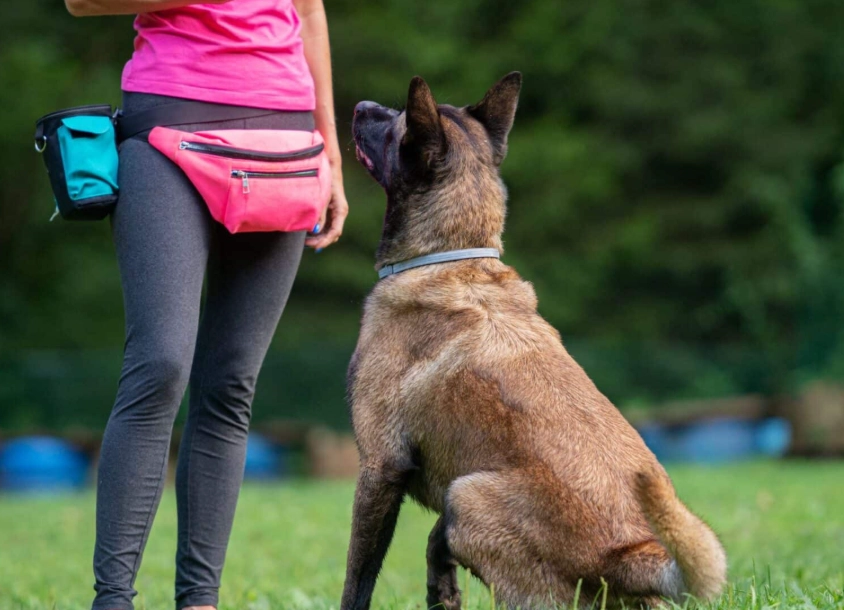
Your Step-by-Step Guide to Vetting a Dog Trainer for Resource Guarding
Okay, you've found a few names with good credentials. Now what? You don't just hire them. You interview them. Think of it as hiring a therapist for your dog. Here’s your checklist.
1. The Initial Phone or Email Screen
This is your first filter. Reach out and briefly describe your issue. A good trainer will:
- Ask clarifying questions: What's being guarded? What's the dog's body language (just a growl, a snap, a bite)? How long has it been happening?
- Discuss their general philosophy: They should talk about changing emotions, building trust, and using positive reinforcement/science-based methods. They should mention specific techniques like "desensitization and counterconditioning" (DS/CC).
- Be honest about their capabilities: They might say, "That sounds within my scope," or "Given the bite history you described, I recommend we do a virtual consult first for safety, or I can refer you to a veterinary behaviorist." This honesty is GOLD.
2. The Key Questions You MUST Ask
If the screen goes well, schedule a short consultation (many offer 15-30 mins free). Ask these questions:
"Can you walk me through what a typical first session for resource guarding would look like with my dog?"
Listen closely. The answer should involve them observing the dog from a distance, setting up safe management (like baby gates), and working under threshold (meaning at a distance or intensity where the dog is comfortable, not reacting). They should talk about teaching you management skills first and foremost.
"What is your plan if my dog growls or shows guarding behavior during a session?"
The right answer is about de-escalation. They should say they would calmly create more distance, lower the value of the resource, or end the exercise. They should never say they would punish, startle, or confront the dog.
"What will my homework be, and how will you support me between sessions?"
Training happens between sessions, not just during the hour they're there. You need a trainer who provides clear notes, video demonstrations, and is available for quick check-ins.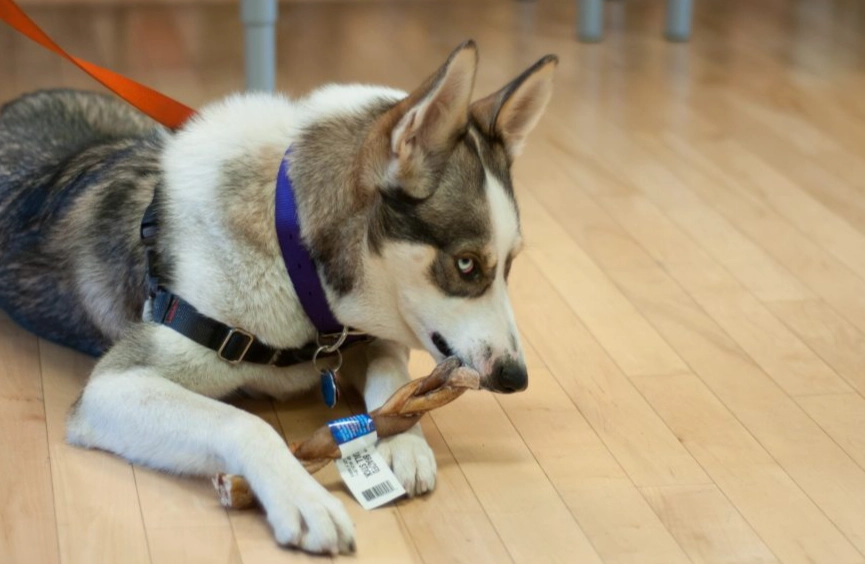
3. Red Flags That Should Send You Running
- "We need to show him who's boss." Any dominance theory talk is an instant disqualifier.
- Recommends or uses aversive tools like prong collars, choke chains, or electronic shock collars for a guarding case. The American Veterinary Society of Animal Behavior (AVSAB) has clear position statements against their use for aggression and fear-based behaviors.
- Forces the issue: Talks about "taking things away until he learns," or doing exercises that will purposely trigger a growl to "correct" it.
- No emphasis on safety and management. If their first plan involves putting you and the dog in a triggering scenario, it's reckless.
What Does the Actual Training Process Look Like?
Let's demystify this. When you hire a competent dog trainer for resource guarding, the process is methodical, slow, and focused on safety. It's not dramatic TV makeover stuff.
Phase 1: Management & Safety (The Most Important Phase!)
Before any behavior change happens, you learn to prevent rehearsals of the guarding. This might mean:
- Feeding your dog in a separate room with the door closed.
- Picking up all toys and only giving high-value chews in a crate.
- Using baby gates to manage space around couches or beds.
- Teaching a rock-solid "Leave It" and "Drop It" using positive reinforcement in non-stressful situations first.
This phase isn't giving in; it's stopping the bleed so healing can start. It removes constant stress for both you and your dog.
Phase 2: The Magic of Desensitization and Counterconditioning (DS/CC)
This is the core behavioral work. In simple terms:
- Desensitization: Very slowly and gradually exposing your dog to the "trigger" (you approaching his bowl) at such a low intensity that he doesn't react. Maybe you start by standing 10 feet away.
- Counterconditioning: Changing his emotional response. As you stand 10 feet away, you toss a way better treat (like chicken) away from the bowl. He learns: "Person near my bowl predicts amazing things falling from the sky!" The trigger becomes a cue for good stuff, not a threat.
Over many sessions, you slowly decrease the distance. The goal is for your dog to see you approach and look up expectantly for his treat, instead of tensing over his food. A skilled trainer will guide you on reading subtle body language to keep your dog under threshold.
Phase 3: Proofing and Generalization
Once your dog is comfortable with you, you'll work on generalizing the behavior to other family members, in different rooms, with different resources. You'll also practice safe trade-up games, where the dog willingly gives up an item for something better. The key is the dog always wins in these exchanges.
Costs, Logistics, and Setting Realistic Expectations
Let's talk money and time, because this is a real commitment.
Costs: Fees for a qualified dog trainer for resource guarding vary wildly by location and expertise. Expect anywhere from $80 to $250 per hour. Many offer packages (e.g., 3-session bundle) which can be more economical. Virtual consultations are often cheaper and can be surprisingly effective for initial assessments and coaching on management.
Timeframe: Anyone who gives you a set number of weeks is guessing. Simple cases with consistent work might see major improvement in a month or two. More ingrained behaviors can take 6 months to a year of management and training. The goal is management for life and a significantly improved emotional response.
Realistic Expectations: The goal is not necessarily a dog who joyfully hands you his steak bone. The goal is a dog who feels no need to guard because he trusts you, and a family that knows how to manage the environment to prevent incidents. Perfection is rare; safety and harmony are the targets.
Common Questions (The Stuff You're Secretly Searching)
Can I train this out myself without a dog trainer for resource guarding?
You can try, and for very mild cases (a low grumble that stops if you back off), you might make progress with careful DS/CC you learn from reputable books or online courses from certified professionals. But here's the blunt truth: it's easy to misread your dog's threshold. Pushing too fast can cause a backslide or a bite. A professional brings an objective eye and a safety protocol. For anything more than the mildest warning, investing in a few sessions is investing in safety and your peace of mind.
Will my dog ever be "cured"?
Think of it more like managing a tendency. You might "cure" the active fear and anxiety, but the potential for the behavior may always be there under extreme stress. That's why management strategies (like feeding separately) often remain as good, safe habits forever, even after the intense training is done.
Is medication ever needed?
Sometimes. If the guarding is rooted in severe generalized anxiety, medication prescribed by a vet or veterinary behaviorist can lower the dog's overall anxiety floor, making the behavioral training (DS/CC) much more effective. A good trainer will acknowledge this and support a vet-led medication plan.
Final Checklist Before You Hire
- Credentials Checked: You've verified their CPDT or IAABC certification online.
- Philosophy Aligned: They speak the language of positive reinforcement, science, and changing emotions.
- Red Flags Absent: No talk of dominance, punishment, or quick fixes.
- Safety First: Their plan starts with management and working under threshold.
- You Feel Heard: They listened to your concerns, answered your questions patiently, and didn't pressure you.
- Contract Clarity: They have a clear service agreement outlining their methods, fees, and cancellation policy.
Finding the right dog trainer for resource guarding is the single most important decision you'll make in addressing this behavior. It requires diligence, asking tough questions, and trusting your gut. Skip the flashy promises and look for the quiet, methodical, science-based professional who prioritizes your dog's emotional well-being. The result—a safer home and a more trusting relationship with your dog—is worth every bit of the effort.
Take a deep breath. That initial growl was a cry for help, not a declaration of war. With the right guide, you and your dog can navigate this together.



Leave a comment