Your dog stiffens, lowers its head over the bowl, and a low growl rumbles when you walk by. That's resource guarding. It's scary, frustrating, and can make you feel like you're failing as an owner. I've worked with dozens of dogs showing this behavior, from mild side-eye to full-on snaps. Here's the truth most generic articles miss: resource guarding is a normal canine survival behavior, not a sign of a "bad" dog. The goal isn't to dominate your pet, but to change its emotional prediction about your presence near its stuff from "oh no, a threat!" to "oh good, something great is coming!" This guide will walk you through the exact steps, based on modern, force-free methods, to fix this for good.
What You'll Learn in This Guide
What Exactly Is Resource Guarding?
Resource guarding is any behavior a dog uses to keep others away from something it values. It's not just about food. Common triggers include:
- Food & Treats: The bowl, a chew bone, a stolen scrap.
- Toys: A favorite ball or squeaky toy.
- Spaces: A bed, couch, crate, or even a favorite human's lap.
- Objects: Stolen items like socks, shoes, or remote controls.
The behavior exists on a spectrum. It starts subtly with avoidance (turning away, hovering over the item), escalates to warning signals (stiffening, whale eye, growling, snarling), and can culminate in a snap or bite if those warnings are ignored. A huge mistake owners make is punishing the growl. The growl is a crucial communication. Punish it, and you might get a dog that bites without warning next time.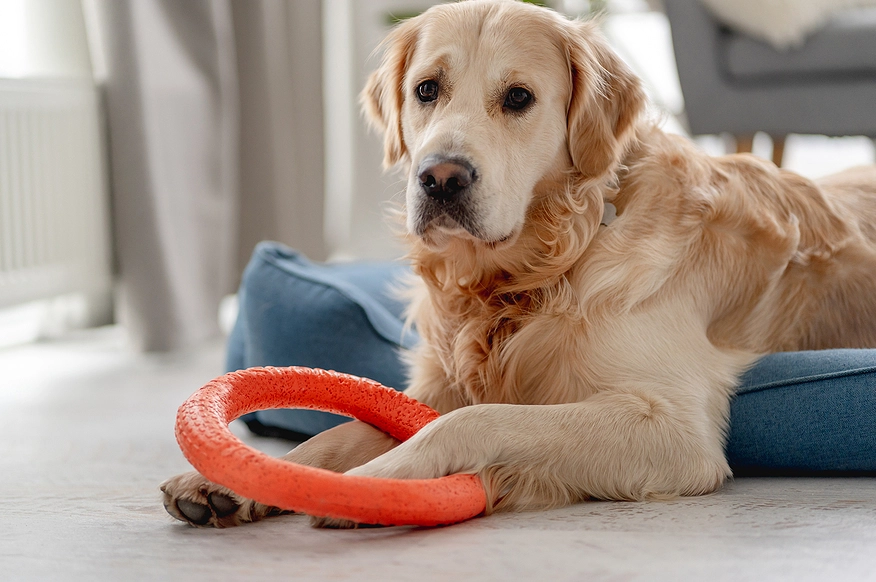
Why Do Dogs Guard Their Stuff?
It boils down to perceived scarcity and survival instinct. In the dog's mind: "This is valuable. I might not get it again. I must keep it." Some factors increase the likelihood:
- Genetics & Breed Tendency: Some breeds were historically selected for possession (like herding dogs).
- Early Life Scarcity: Competition with littermates or poor early nutrition.
- Learned Behavior: If growling worked to make a person or another pet go away, the behavior is reinforced.
- Anxiety or Insecurity: A generally nervous dog is more likely to guard.
One non-consensus point I'll stress: taking the item away to "show who's boss" is one of the fastest ways to worsen guarding. It confirms the dog's worst fear—that you are, in fact, a thief. Your job is to become the opposite: the generous giver.
Step-by-Step Training to Stop Resource Guarding
This method is called "counter-conditioning and desensitization." We change the emotion (counter-conditioning) by slowly increasing exposure (desensitization). You'll need high-value treats your dog loves more than the guarded item—think chicken, cheese, or hot dogs.
Phase 1: The Foundation – Building a Positive Association
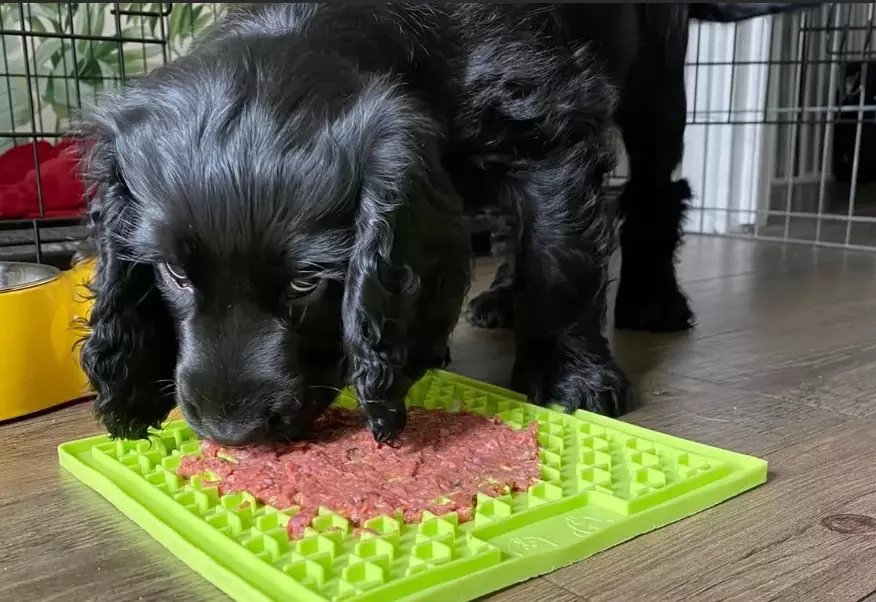
Start with zero pressure. Your dog has its bowl (with regular kibble) or a low-value chew. You are standing at a distance where your dog is comfortable—no tension, no staring. This is your threshold distance.
- Toss a Treat: Calmly toss an amazing treat near your dog, then immediately turn and walk away. Don't reach for the bowl. You're not asking for anything.
- Repeat: Do this 5-10 times per session, a few sessions a day. The dog learns: "Human approaches = delicious things appear, and they leave my stuff alone."
- Move Closer: Over sessions, as your dog looks relaxed and maybe even anticipatory when you approach, reduce the distance by an inch or two. If you see any tension, you moved too fast. Go back a step.
Phase 2: The Trade-Up Game
Now we teach that giving up an item leads to something better. Never just take.
- Offer your dog a medium-value item (a chew they like but don't love).
- After a moment, show them a much higher-value treat (like a piece of chicken).
- As they drop the chew to get the chicken, say your cue word like "Trade!" and pick up the chew.
- Immediately give the chicken and return the original chew after a few seconds. This is critical. You're not stealing; you're facilitating a fantastic deal.
Practice this with all sorts of objects. The goal is for "Trade!" to become the happiest word your dog knows.
Phase 3: Real-World Application and Adding Movement
Once the foundation is solid, simulate real life.
- Walk by the bowl and drop a treat in it ("food bowl fortune").
- Pet your dog gently on the back while they eat, then immediately drop a treat.
- Practice picking up the bowl, adding a fantastic treat, and giving it right back.
I trained a Labrador named Max who would freeze over his bone. We started with me in the doorway. After two weeks, I could sit next to him, add cheese to his bone, and he'd wag his tail. The key was never forcing proximity.
Common Mistakes That Make Guarding Worse
I see these all the time, even from well-meaning owners.
- Punishing the Growl: This suppresses the warning, not the feeling. The next step is a bite.
- Forced "Sharing": Holding the dog or forcing it to accept touch while it has an item floods it with anxiety.
- Inconsistent Rules: Sometimes the dog gets to keep stolen items, sometimes they're angrily taken. This creates confusion and insecurity.
- Using Low-Value Rewards: If you're using dry kibble as a treat when your dog has a real bone, you're not offering a good enough deal. The trade must be genuinely better.
- Rushing the Steps: Moving closer too quickly because "he seems fine" can trigger a setback. Let the dog's relaxed body language be your only guide.
When You Absolutely Need Professional Help
This training is not a DIY project for every situation. Hire a certified professional (look for credentials like CCPDT-KA, IAABC) if:
- Your dog has a history of biting or snapping that broke skin.
- The guarding is directed at children or vulnerable people.
- You feel fearful or anxious around your dog.
- There's aggression between dogs in your home over resources.
- You've tried consistent positive methods for a month with no progress.
A good trainer or veterinary behaviorist will not use punishment or "alpha" rolls. They will observe your specific situation, create a customized management and training plan, and guide you safely. The American College of Veterinary Behaviorists is a great resource to find a specialist.
Your Resource Guarding Questions Answered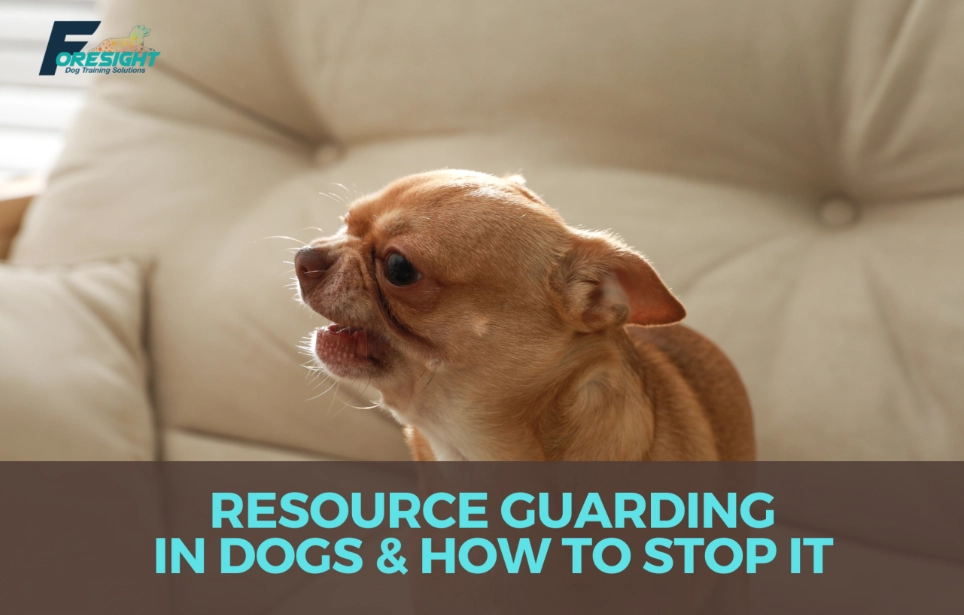
 I adopted an adult dog with a guarding history. Can it really be fixed?
Stopping resource guarding is a journey of building trust, not asserting dominance. It requires observation, patience, and a stash of really good cheese. By understanding the why behind the behavior and following a systematic, positive approach, you can transform your dog's fear into confidence and create a safer, happier home for everyone. Start today by simply observing your dog's threshold and making a list of their top five favorite treats. The path to change begins with that first, carefully tossed piece of chicken.
Leave a comment