You're chopping fresh thyme for a roast chicken, and those big, hopeful eyes are locked on you. The tail thumps. The question hits you: can I share a little bit? After fifteen years in veterinary practice, I've fielded this question about every herb in the spice rack. Let's cut straight to the point so you can stop worrying and get back to cooking (and maybe sharing).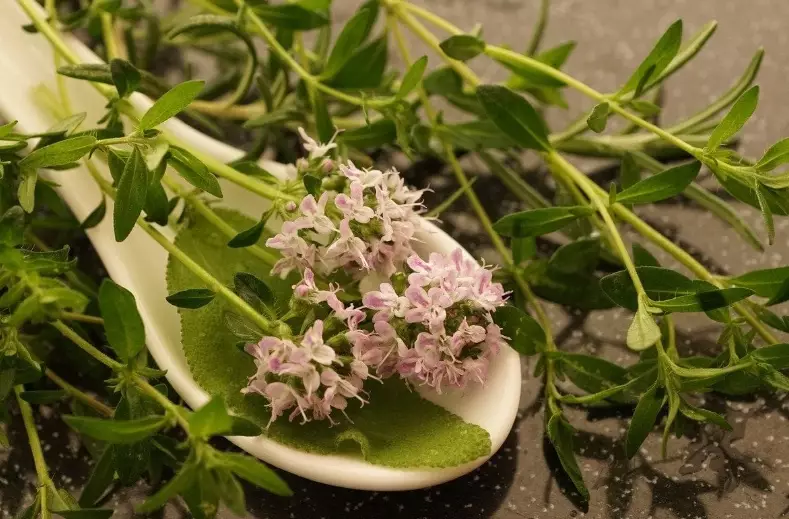
What's Inside This Guide
The Short Answer: Yes, Thyme is Generally Safe for Dogs
In small, culinary amounts, thyme is non-toxic to dogs. The American Society for the Prevention of Cruelty to Animals (ASPCA) does not list common thyme (Thymus vulgaris) as toxic for dogs. That's the official green light. But—and this is the crucial part every vet emphasizes—"non-toxic" doesn't mean "unlimited buffet." It means it's safe to use as a minor, occasional flavor enhancer in their food, not as a dietary staple.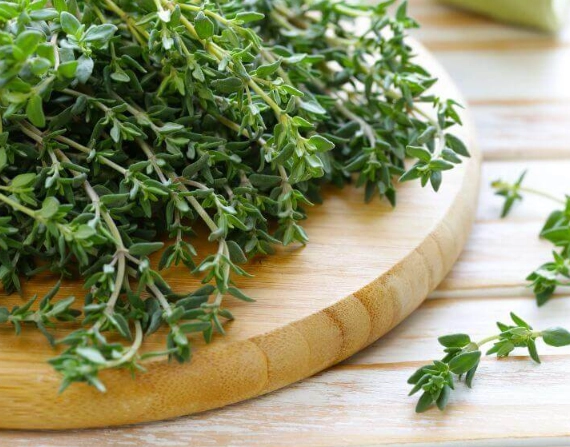
Think of it like a tiny sprinkle of Parmesan cheese on their kibble. A pinch? Fine. The whole block? Problem.
Why Thyme Isn't on the "Bad" List
Thyme lacks the specific essential oils and compounds that make herbs like pennyroyal or certain sages dangerous. Its primary volatile oils, thymol and carvacrol, are actually studied for their beneficial properties (which we'll get to). The plant itself isn't packed with insoluble calcium oxalates like some houseplants, nor does it contain cardiac glycosides like foxglove.
Key Distinction: We're talking about common culinary thyme. There are many varieties (lemon thyme, creeping thyme), but Thymus vulgaris is the standard. Always stick to what you'd buy for your own cooking. Avoid ornamental or essential oil forms entirely.
Potential Health Benefits of Thyme for Dogs
This is where it gets interesting. While we're not prescribing thyme as medicine, its historical and emerging uses in veterinary herbalism are worth noting. The benefits come from those compounds, thymol and carvacrol.
1. Natural Antioxidant Support
Thyme is rich in antioxidants like flavonoids. These compounds help combat oxidative stress in your dog's body, which is linked to aging and chronic inflammation. It's a tiny boost, but every bit helps, especially for senior dogs.
2. Digestive Soothing Properties
Ever notice how many "settling" herbal teas contain thyme? It has carminative properties, meaning it can help ease gas and mild bloating. A tiny amount mixed into food might soothe a mildly upset stomach. I've had clients swear by a pinch in bland chicken and rice for a dog with the gurgles.
3. Respiratory Comfort
Thymol is a common ingredient in natural cough syrups and chest rubs (for humans). It has mild antispasmodic and antimicrobial qualities. For a dog with a mild, kennel-cough-style hack, a little thyme in warm broth can be soothing. This is for mild symptoms only—any persistent cough needs a vet.
4. Oral Hygiene Helper
Thymol is a powerful antimicrobial. It's why you'll find it in some natural pet dental sprays and water additives. A tiny bit can help freshen breath and fight plaque-forming bacteria. Don't replace brushing with it, but think of it as a helpful adjunct.
How Much Thyme Can I Give My Dog?
This is the million-dollar question where most guides are too vague. Let's get specific.
The Golden Rule: Thyme should never exceed 0.5% of your dog's total daily food intake. For practical purposes, that translates to:
- Small dogs (under 20 lbs): A tiny pinch of dried thyme (less than 1/8 tsp) or 1/4 of a fresh leaf, 2-3 times a week max.
- Medium dogs (20-50 lbs): About 1/8 to 1/4 tsp of dried thyme, or 1-2 small fresh leaves, 2-3 times a week.
- Large dogs (50+ lbs): Up to 1/2 tsp of dried thyme, or a small sprig (3-4 leaves), 2-3 times a week.
Critical Tip: Always start with 1/4 of these amounts for the first time to see how your dog's individual stomach reacts. Some dogs have more sensitive GI tracts than others.
Best Ways to Serve Thyme to Your Dog
Never give it plain. Always mix it into their food.
- In Homemade Broth: Steep a tiny sprig in low-sodium chicken or beef broth, remove the sprig, and pour a tablespoon over kibble.
- Mixed into Wet Food: Finely chop a minuscule amount of fresh leaf and stir it thoroughly into their regular wet food.
- In DIY Treats: Add a small pinch of dried thyme to homemade dog treat recipes like sweet potato chews or liver bites.
Risks, Side Effects, and Common Mistakes
Safety isn't just about the herb; it's about how you use it. Here are the pitfalls I see most often.
1. Gastrointestinal Upset (The Big One)
Even safe herbs can cause vomiting or diarrhea if introduced too quickly or in too large a quantity. Thyme's strong essential oils are irritating in high doses. If your dog has a history of pancreatitis or IBD, skip the herbs altogether unless your vet says otherwise.
2. Essential Oil Danger
This cannot be overstated: Never, ever use thyme essential oil on or near your dog. Essential oils are highly concentrated and can cause severe toxicity, including liver damage, neurological issues, and chemical burns. We're only talking about the fresh or dried culinary herb.
3. The "More is Better" Fallacy
I had a client whose dog loved the smell of thyme, so she thought, "Why not let him chew on the whole potted plant?" Cue an expensive emergency visit for vomiting and lethargy. The plant itself is fibrous and can cause a physical blockage or severe GI distress in large amounts. Safety in tiny doses does not equal safety in large quantities.
4. Medication Interactions
Thyme might have mild blood-thinning properties. If your dog is on anticoagulant medication like warfarin, avoid thyme unless your veterinarian explicitly approves it.
Thyme vs. Other Common Herbs: A Quick Safety Table
It's confusing knowing which herbs are friends and which are foes. Here's a quick comparison based on ASPCA data and clinical experience.
| Herb | Safe for Dogs? | Key Notes & Precautions |
|---|---|---|
| Thyme | Yes | Safe in tiny culinary amounts. Avoid essential oil. |
| Parsley | Yes (Curly) | Curly parsley is fine as a garnish. Spring parsley is toxic. Don't overdo it. |
| Basil | Yes | Non-toxic and safe in small amounts. A nice occasional addition. |
| Oregano | Yes (in tiny amounts) | Potent. Use half the amount you would of thyme. Can easily upset stomachs. |
| Rosemary | Yes (with caution) | Often used as a natural preservative in dog food. Safe for most, but some vets caution against it for dogs with epilepsy. |
| Mint | Yes (Spearmint) | Spearmint is generally safe. Pennyroyal mint is highly toxic. Best to stick to known spearmint. |
| Chives/Garlic | NO | All alliums (onions, garlic, leeks, chives) are toxic to dogs and can cause anemia. |
Frequently Asked Questions
My dog ate a whole thyme plant from my garden. What should I do?
Don't panic, but monitor closely. The main risk isn't toxicity from the thyme itself, but gastrointestinal upset or a potential blockage from eating a large volume of plant matter. Remove any remaining plant material. Watch for vomiting, diarrhea, loss of appetite, or lethargy over the next 24 hours. If you see any of these signs, or if your dog is a small breed that ate a large plant, call your vet. Have the plant's name (common thyme) ready to tell them.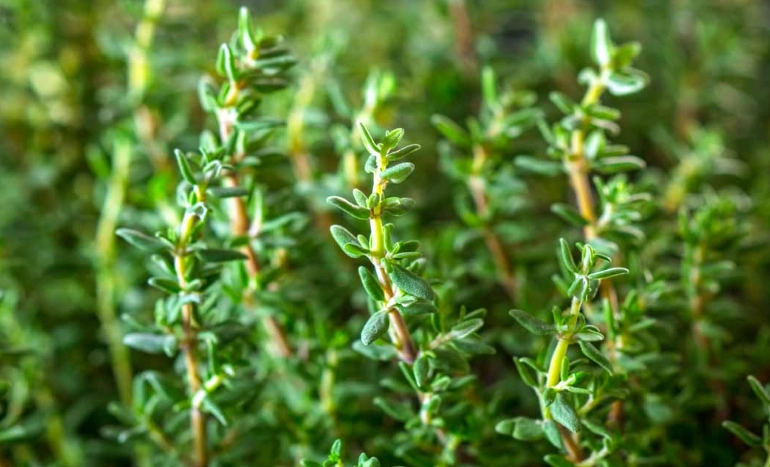
Is dried thyme or fresh thyme better for dogs?
Dried thyme is more concentrated in flavor and oils, so you must use much less—about one-third the amount of fresh. For control and consistency, I usually recommend starting with a tiny pinch of the dried herb. Fresh is fine too, but ensure it's washed and finely chopped. The "better" choice is whichever lets you accurately control a minuscule dose.
Can I use thyme to help my dog's bad breath?
It can provide a temporary mask and has antimicrobial properties, but it's a band-aid, not a cure. Chronic bad breath is almost always a sign of underlying dental disease (tartar, gingivitis) or other health issues. Using thyme might make you delay a necessary vet dental checkup. Address the root cause first, then think of thyme as a little extra freshness on top of good oral care.
Are there any dogs that should absolutely not have thyme?
Yes. Dogs with known inflammatory bowel disease (IBD), frequent pancreatitis, or those that are pregnant should avoid any non-essential dietary additions, including herbs. Their systems are too sensitive or the risks are unknown. Always, always ask your vet before introducing any new food to a dog with a chronic health condition.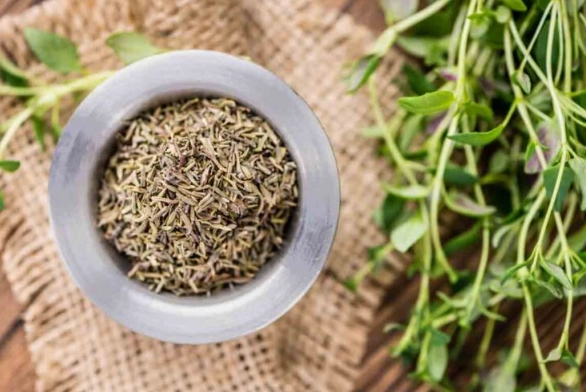
I see thyme in some commercial dog food ingredient lists. Is that okay?
Absolutely. In that context, it's included in precisely measured, safe quantities, often as a natural preservative or flavor enhancer. This is the safest way for your dog to consume it. It confirms its general safety when used appropriately by professionals.
So, back to that hopeful look in the kitchen. You can relax. A tiny, barely-there sprinkle of thyme on your dog's dinner is perfectly safe and might even offer a subtle health perk. Just remember the mantra: moderation is everything. When in doubt, skip it—their kibble is already nutritionally complete. But if you want to share a hint of that savory, earthy flavor, now you know exactly how to do it safely.




Leave a comment