You notice it during cuddle time. A rough patch on the pad. Maybe some flaking between the toes. Your dog seems to be licking its feet more than usual. Dry dog paws are one of those things we often dismiss until they become a real problem—cracking, bleeding, or getting infected. I learned this the hard way with my own Labrador, Finn, after a particularly harsh winter left his paws looking like cracked leather. It wasn't just uncomfortable for him; it opened the door to bacteria. The truth is, paw pad health is a window into your dog's overall well-being, and ignoring it can lead to bigger, more expensive issues down the line.
What You'll Find in This Guide
What's Actually Causing Those Dry Dog Paws?
It's rarely just one thing. Think of your dog's paw pads like the soles of your own feet, but they're outside all the time without shoes. The causes usually stack up.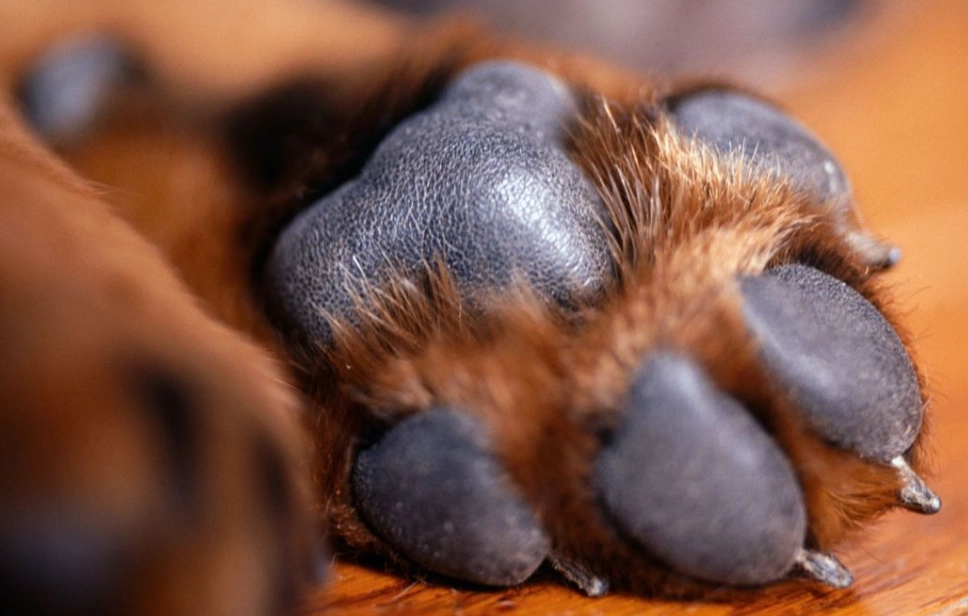
A quick note from experience: Many owners jump straight to treating the symptom (dryness) without finding the trigger. If you don't address the root cause, you'll be applying balm forever without solving the problem.
Environmental Aggressors are the usual suspects. Hot pavement in summer, icy sidewalks and de-icing salts in winter, and even overly dry indoor air from heating can sap moisture. That salt isn't just drying; it's chemically irritating and toxic if licked.
Allergies are a massive, and often overlooked, contributor. If your dog has environmental or food allergies, the paws are a prime target for inflammation. The constant licking and chewing from the itch creates a vicious cycle of wetness and dryness that destroys the skin's natural barrier. You might see red, inflamed skin between the toes alongside the dryness.
Nutritional Deficiencies can play a role. Diets lacking in essential fatty acids (like Omega-3 and Omega-6) don't support healthy skin and pads. The skin is the body's largest organ, and it shows deficiencies first.
Underlying Medical Conditions like autoimmune diseases (e.g., pemphigus) or hormonal imbalances (like hypothyroidism) can manifest with crusty, cracked paw pads. This is why persistent, non-responsive dryness needs a vet's eye.
Bacterial or Fungal Infections (like yeast) often set up shop in already-compromised, moist spaces between the toes. The infection itself causes irritation and damage that presents as dryness, scaling, and a distinctive smell.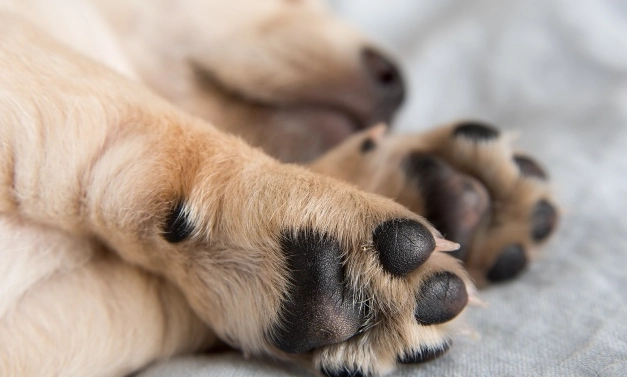
How to Soothe Dry Dog Paws at Home: A Step-by-Step Approach
Before you reach for anything, do a proper Paw Check. In good light, gently spread the toes. Look for cracks on the pads, redness between the toes, foreign objects (like burrs or small stones), and any signs of swelling or discharge. Feel for rough, thickened areas.
If the paws are just dry and slightly rough without open wounds, you can start with these home steps.
The 5-Minute Moisturizing Routine
This works wonders for mild dryness and as a preventative measure.
- Clean: Wipe paws with a damp cloth after every walk, especially in winter or if you've walked on treated surfaces. For a deeper clean, use a gentle, dog-specific shampoo in a shallow bowl of warm water.
- Dry Thoroughly: This is critical. Don't just wipe; pat and air-dry completely, especially between the toes. Moisture trapped there is a breeding ground for problems.
- Apply a Protectant: Use a vet-approved paw balm or wax. Massage a small amount into the pads and between the toes. The best time is when your dog is relaxed, maybe after dinner.
A Natural Paw Balm You Can Make (And Why It's Better Than Coconut Oil Alone)
Everyone says "use coconut oil." It's okay, but it's not a cure-all. On its own, it can be too greasy and doesn't stay on well. A simple homemade balm with a few ingredients creates a longer-lasting, healing barrier.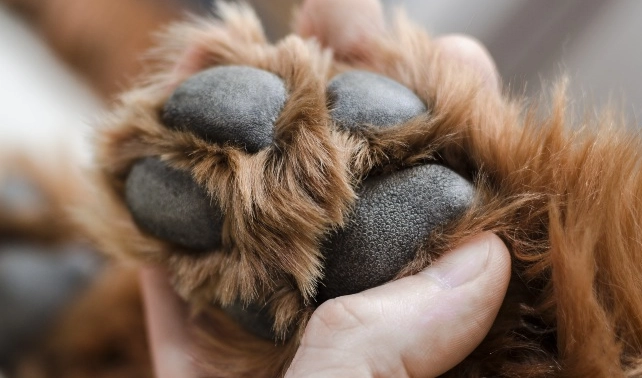
Simple Healing Paw Balm Recipe:
- 2 tbsp Beeswax Pellets: Creates a protective, water-repellent barrier.
- 3 tbsp Coconut Oil: Moisturizing and has mild antimicrobial properties.
- 2 tbsp Shea Butter: Incredibly rich and healing for cracked skin.
- 1 tbsp Vitamin E Oil: Promotes skin repair and acts as a natural preservative.
Method: Melt the beeswax, coconut oil, and shea butter together using a double boiler. Once melted, remove from heat, stir in the vitamin E oil, and pour into a small tin or jar. Let it solidify. A little goes a long way.
Important: Only use this if your dog's paws are dry but intact. Do not apply any homemade or commercial balm to open wounds, cuts, or actively infected areas without veterinary guidance.
When Dry Paws Signal a Bigger Problem: Time for the Vet
Home care has its limits.Here are the signs that your dog's dry paws need professional diagnosis and treatment. I waited too long with Finn, assuming it was just winter dryness, and it turned into a bacterial infection that needed antibiotics.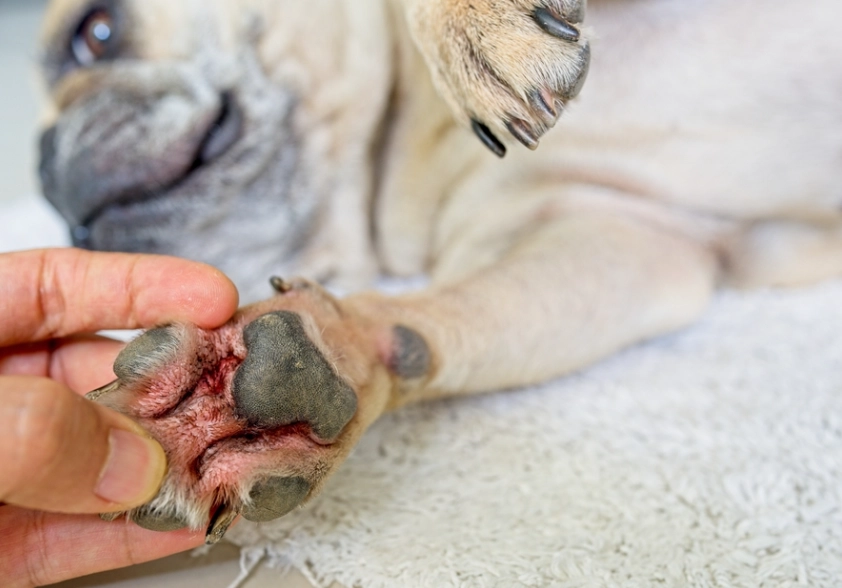
| Sign to Watch For | What It Could Mean | Likely Vet Action |
|---|---|---|
| Deep, bleeding cracks or ulcers on the pads | Severe dryness, possible autoimmune issue, or deep infection | Cleaning, possible antibiotics, specialized topical medication, bandaging |
| Persistent licking/chewing despite home care | Allergies (environmental or food) or pain | Allergy testing, diet trial, prescription anti-itch medication (e.g., Apoquel, Cytopoint) |
| Red, swollen, or oozing skin between toes | Bacterial or yeast infection (pododermatitis) | Skin cytology (scraping), prescription medicated wipes, oral/topical antifungals or antibiotics |
| Unusual odor from the paws | Classic sign of a yeast infection | Antifungal treatment, dietary changes to reduce sugars |
| Limping or reluctance to walk | Pain from cracked pads or a foreign body (e.g., grass seed) | Physical exam, possible X-ray, pain relief, removal of object |
Navigating the Aisle: How to Choose a Commercial Paw Balm
Not all paw balms are created equal. Reading the label is more important than the cute packaging.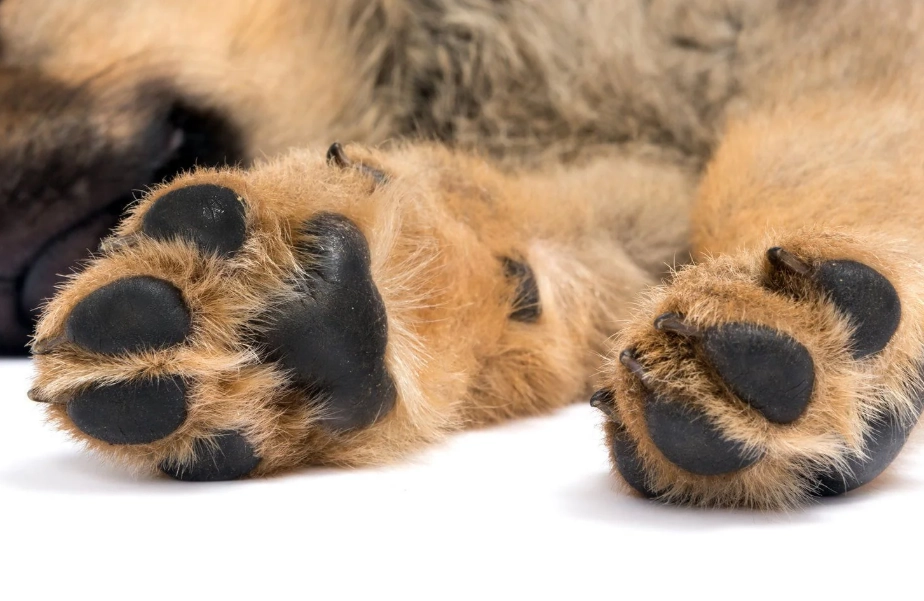
Look For:
- Natural, Edible Ingredients: Dogs lick their paws. Ingredients like shea butter, beeswax, and coconut oil are safe if ingested in small amounts.
- No Petrolatum/Mineral Oil: These create a superficial barrier but don't actually moisturize or heal the skin. They can also block pores.
- No Added Fragrances or Essential Oils: Many essential oils (like tea tree) are toxic to dogs. Fragrances are unnecessary irritants.
- A Thick, Wax-Based Consistency: This ensures it stays on the paw through a walk, providing actual protection against elements.
Avoid: Any product that lists "parfum" or "fragrance," or that has a long list of unpronounceable chemicals. Your goal is healing, not masking.
Building a Year-Round Paw Protection Habit
Prevention is cheaper and easier than treatment. Integrate these into your routine.
Winter: Use dog booties for long walks on ice and salt. If your dog hates booties (like Finn did), apply a protective wax balm before the walk and wash/wipe paws immediately after. Consider a pet-safe ice melt for your own driveway.
Summer: Walk in the early morning or late evening to avoid scorching pavement. Test the pavement with the back of your hand—if it's too hot for you, it's too hot for them.
Year-Round: Keep paw fur trimmed between the pads to prevent matting and moisture trapping. Add a high-quality fish oil supplement to their diet for internal skin support. The American Kennel Club notes the benefits of Omega-3s for canine skin health. Make that post-walk paw check and wipe a non-negotiable habit.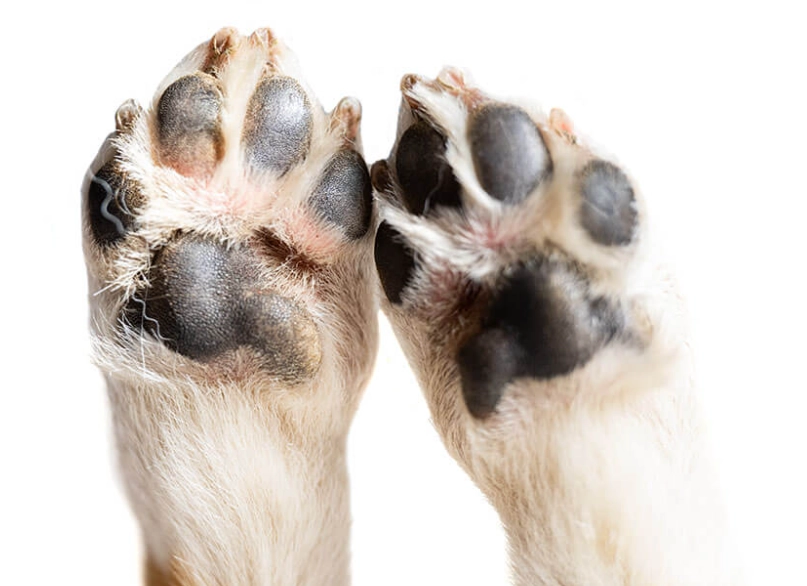
Leave a comment