Quick Guide
- What's Actually Happening Inside Your Overheating Dog?
- The Critical Spectrum: From Heat Exhaustion to Heat Stroke
- First Aid: What to Do (and What NOT to Do) in Those First Minutes
- Which Dogs Are Most at Risk? (It's Not Just the Huskies)
- Prevention: How to Stop This Nightmare Before It Starts
- What Happens at the Vet? (And Why You Must Go)
- Your Questions, Answered (The Stuff You're Actually Searching For)
- Final Thoughts: Trust Your Gut
Let's talk about something that scares me every single summer. You're outside with your dog, maybe playing fetch or just walking around the block. The sun is out, it's a beautiful day. But then you notice your dog is panting... a lot. Harder than usual. Maybe they're slowing down, looking for shade, or acting a bit off.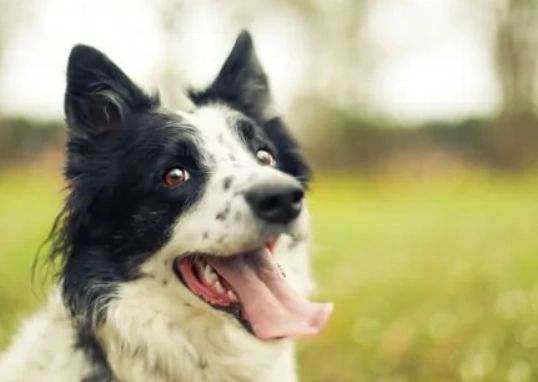
Is it just a hot dog, or is it something serious?
Most dog owners have heard the terms "heat stroke" and "heat exhaustion," but when you're in the moment, with your furry best friend looking distressed, the difference can feel blurry and terrifying. I've been there. I once had a scare with my own Labrador on a day that didn't even seem that hot. That feeling of panic is something I don't want any other owner to experience unprepared.
The truth is, understanding heat stroke vs heat exhaustion in dogs isn't just veterinary trivia. It's a fundamental piece of knowledge that sits at the intersection of responsible pet ownership and emergency readiness. One is a serious warning sign. The other is a flat-out, life-threatening medical crisis. Confusing the two, or waiting too long to act, can have tragic consequences.
This guide is the one I wish I'd had. We're going to break it all down, strip away the confusion, and give you a clear, actionable plan. We'll look at the symptoms that scream "emergency," the more subtle signs that whisper "trouble ahead," what to do in the critical first minutes, and how to stop it from happening in the first place.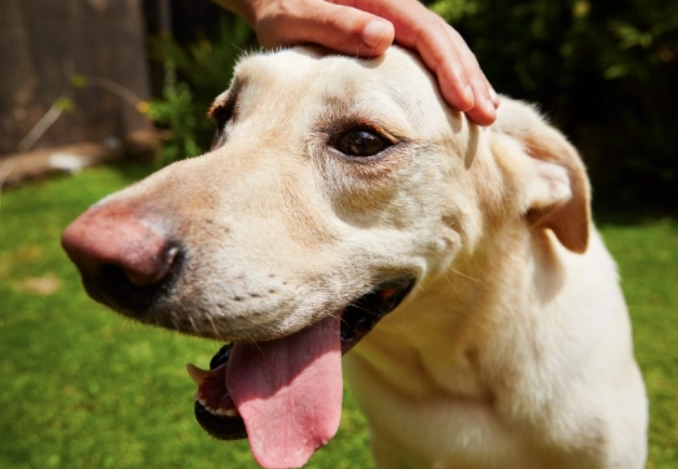
What's Actually Happening Inside Your Overheating Dog?
Dogs are notoriously bad at cooling themselves down. We humans sweat from almost everywhere, which is a pretty efficient evaporative cooling system. Dogs? They only sweat a tiny bit from their paw pads. Their main cooling method is panting.
Think about that for a second. On a scorching day, their entire internal air-conditioning system relies on breathing fast to evaporate moisture from their tongue, lungs, and nasal passages. It's like trying to cool a hot car by only rolling down one window a crack. It works okay until it really, really doesn't.
When the heat and humidity overwhelm that panting mechanism, the body's core temperature starts to climb. That's where the trouble on the spectrum from heat exhaustion in dogs to full-blown heat stroke in dogs begins.
A quick but vital note: A dog's normal body temperature is higher than ours, typically between 101°F and 102.5°F (38.3°C to 39.2°C). Once it hits 103°F (39.4°C), we're in the danger zone of heat-related illness. At 106°F (41.1°C) and above, we're in catastrophic, multi-organ failure territory. This happens much faster than most people realize.
The Critical Spectrum: From Heat Exhaustion to Heat Stroke
It's helpful to think of this not as two separate boxes, but as a dangerous slope. Heat exhaustion is the early, severe warning stage. Heat stroke is the dire medical emergency at the bottom of that slope. The transition from one to the other can be frighteningly swift.
Here’s the breakdown that makes it clear.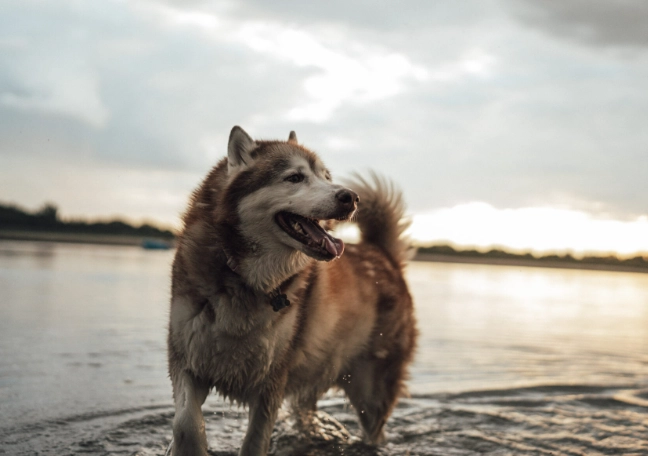
| Feature | Heat Exhaustion (The Warning) | Heat Stroke (The Emergency) |
|---|---|---|
| Core Body Temperature | 103°F - 105°F (39.4°C - 40.6°C) | 106°F+ (41.1°C+) |
| Mental State & Awareness | Dull, lethargic, reluctant to move. May still respond to you. | Disoriented, confused, unresponsive, or in a stupor. May collapse, have seizures, or fall into a coma. |
| Panting & Breathing | Excessive, heavy panting. Seems unable to calm their breathing. | Panting may become erratic, shallow, or even STOP—a horrific sign of system failure. |
| Gums & Tongue Color | Bright red, dark red. Dry or sticky. | Brick red, purple, blue, or pale gray. Extremely dry. |
| Pulse & Heart Rate | Rapid, pounding pulse. | Weak, thready pulse or an irregular rhythm. |
| Other Physical Signs | Excessive drooling (thick saliva), seeking cool surfaces, mild weakness. | Vomiting/diarrhea (possibly with blood), loss of coordination, muscle tremors, collapse. |
| What's Happening Inside | The body's cooling systems are failing and struggling. | Widespread system failure. Cells are dying. Blood clotting mechanisms fail. Kidneys, liver, brain, and GI tract are being damaged. |
See the progression? It starts with the body sounding all the alarms (exhaustion) and, if unheeded, progresses to the body's systems literally starting to shut down (stroke). That's why the debate of heat stroke vs heat exhaustion in dogs is so crucial—it's about recognizing which side of that catastrophic line your dog is on.
HEAT STROKE IS A "LOAD AND GO" VETERINARY EMERGENCY. If you suspect heat stroke—especially if you see collapse, seizures, or non-responsiveness—your first action is to start cooling AND get in the car to the vet immediately. Do not wait to see if cooling "fixes" it. Internal damage is already occurring.
First Aid: What to Do (and What NOT to Do) in Those First Minutes
Okay, you've spotted the signs. Your heart is racing. What now? Action needs to be calm, quick, and correct. Messing up the first aid can sometimes do as much harm as good.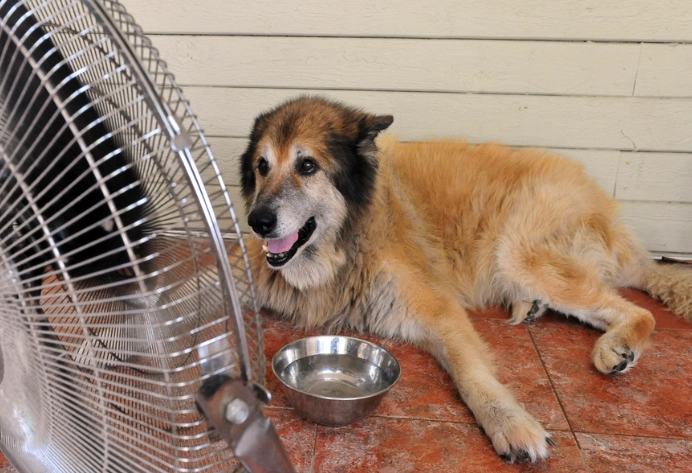
Step-by-Step First Aid for Suspected Heat Exhaustion or Stroke
- Move Them Immediately. Get your dog out of the heat and into the shade or, ideally, an air-conditioned space. Don't make them walk if they're weak; carry them if you can.
- Start Cooling, But Do It Smartly.
- Use Cool (NOT ice-cold) Water. Soak towels in cool tap water and place them over their neck, in their armpits, and on their groin. You can also gently wet their ear flaps and paw pads. Running a fan over the wet dog helps with evaporation.
- Offer Small Amounts of Cool Water. Let them drink small sips if they are conscious and not vomiting. Do not force water into their mouth.
- Take Their Temperature. If you have a rectal thermometer (pet-specific is best), use it. This is the single best way to gauge the severity. Remember: 103°F+ is trouble. 106°F+ is a dire emergency.
- Call Your Veterinarian or Emergency Clinic NOW. Describe the symptoms and the temperature reading. They will tell you whether to come in immediately. Do not argue with them if they say "come now."
- Transport Safely. On the way to the vet, continue cooling with wet towels. Use the car's air conditioning. Have someone else drive if possible so you can focus on your dog.
The Big "DON'Ts" of Canine Heat First Aid
I see these mistakes recommended online all the time, and they make me cringe.
- DON'T use ice or ice baths. This seems logical, but it's dangerous. Ice causes the blood vessels in the skin to constrict violently, trapping heat inside the body's core where it does the most damage. It can also send a dog into shock. Cool water is effective and safe.
- DON'T cover them with wet towels. Lay towels on them, don't wrap them like a burrito. Wrapping can trap heat underneath.
- DON'T try to force-feed water to an unconscious or vomiting dog—they can aspirate it into their lungs.
- DON'T give any human medications like aspirin or acetaminophen. These can be toxic to dogs and complicate treatment.
- DON'T stop cooling too early. The goal is to get the temperature down to about 103°F (39.4°C) on the way to the vet, then let the professionals take over. Stopping at 104°F because your dog "seems better" means the temperature can easily bounce back up.
I learned the "no ice" lesson the hard way years ago with a different pet. I thought I was being super proactive with an ice pack, only to have a vet tech gently explain how I might have made things worse. It was a humbling moment that stuck with me. Sometimes, our first instinct isn't the right one.
Which Dogs Are Most at Risk? (It's Not Just the Huskies)
While any dog can succumb to heat, some are playing the game on "hard mode." Knowing if your dog is in a high-risk category means you need to be extra vigilant.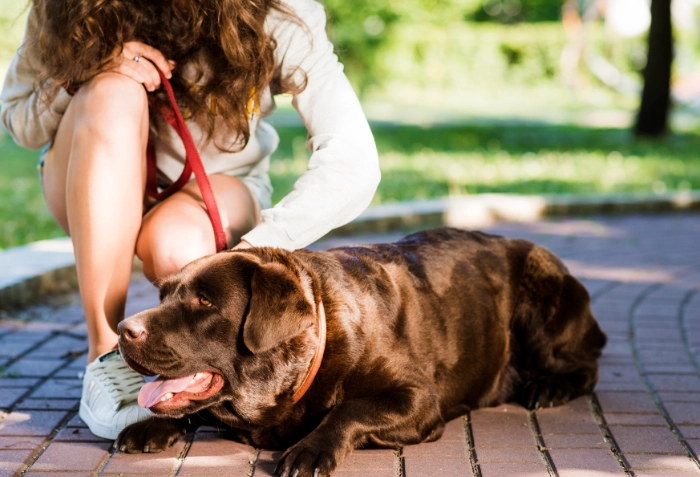
Brachycephalic (Short-Nosed) Breeds: This is the biggest one. Pugs, French Bulldogs, English Bulldogs, Boston Terriers, Shih Tzus, Boxers. Their abbreviated airways are horribly inefficient at panting and moving air. For these guys, a mild warm day can be as dangerous as a hot day for other dogs. I'm extra paranoid about this group.
Dogs with Thick or Dark Coats: Huskies, Malamutes, Newfoundlands. Their coats are designed for insulation, which works against them in heat. Dark coats absorb more solar radiation.
Overweight or Obese Dogs: The extra fat layer acts as insulation, and it puts more strain on their cardiovascular and respiratory systems.
Very Young, Very Old, or Sick Dogs: Puppies and seniors don't regulate temperature as well. Dogs with heart disease, lung disease, or laryngeal paralysis are at extreme risk.
Highly Active or Anxious Dogs: The dog that won't stop fetching or the dog that pants nervously in the car can overheat themselves through exertion or stress alone.
See your dog on that list? Me too. My lab is older and has a thick coat. It changes how we approach summer.
Prevention: How to Stop This Nightmare Before It Starts
All this scary talk about heat stroke vs heat exhaustion in dogs has a happy ending: it's almost entirely preventable. Seriously. We have so much control here.
The Golden Rule: If it's too hot for you to stand comfortably on the asphalt in bare feet, it's too hot for your dog's paws. And if the humidity is high, even "cooler" temperatures can be dangerous because panting becomes ineffective.
Your Summer Safety Checklist
- Walk Smart: Early morning or late evening walks only. Test pavement with the back of your hand—if you can't hold it there for 7 seconds, it's too hot.
- Hydration is Everything: Multiple clean water bowls inside and out. Take water and a collapsible bowl on every walk. Consider adding water to their kibble.
- Never, Ever Leave a Dog in a Parked Car. Not for "just five minutes." Not with the windows cracked. On a 78°F (26°C) day, the temperature inside a car can soar to 100°F (38°C) in minutes. It's a death trap. Many states have "good Samaritan" laws allowing people to break car windows to save a pet—check your local regulations.
- Provide Constant Cool Retreats: Always have access to shade that moves with the sun. Indoors with A/C is best on hot days. Cooling mats can be great (though some dogs chew them, so supervise).
- Rethink Exercise: Swap long runs for shorter, sniff-focused walks or indoor mental games (puzzle toys, training sessions). A tired brain is just as good as a tired body.
- Grooming Helps, But Don't Shave: For double-coated breeds, a good brush-out to remove the thick undercoat is key. But shaving them down to the skin can sometimes expose them to sunburn and interfere with their natural temperature regulation.
- Know Your Dog's Baseline: What does their normal panting look like after play? What color are their gums on a cool day? Knowing normal helps you spot abnormal instantly.
The American Veterinary Medical Association (AVMA) has excellent, clear resources on heat danger in pets that reinforce these prevention strategies. It's a site I trust for solid, no-nonsense advice.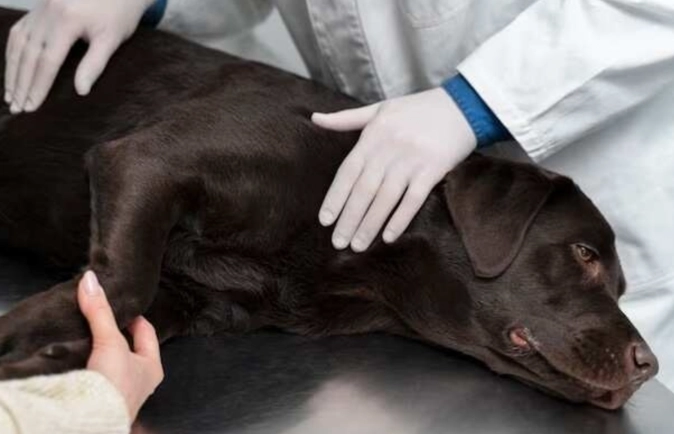
What Happens at the Vet? (And Why You Must Go)
You might manage to lower your dog's temperature at home. So why is the vet trip non-negotiable, especially for heat stroke?
Because the external cooling is just treating the symptom. The internal damage is the real killer, and it can be delayed. The vet isn't just checking temperature; they're managing the cascade of systemic failure.
They'll start with intravenous (IV) fluids to combat shock, rehydrate, and support blood pressure. They'll run blood tests to check for organ damage—looking at kidney values, liver enzymes, and clotting factors (a condition called DIC is a common, deadly complication of heat stroke). They may need medications to control seizures or brain swelling. They'll provide oxygen therapy if breathing is compromised.
This intensive care can last for days, and it's expensive. It's the brutal reality of heat stroke. The American Animal Hospital Association (AAHA) outlines treatment protocols that are far more complex than just getting the fever down, which you can read about in their guidelines on emergency and critical care. This underscores why prevention is a thousand times better than cure.
Your Questions, Answered (The Stuff You're Actually Searching For)
Final Thoughts: Trust Your Gut
When it comes to heat stroke vs heat exhaustion in dogs, the line can feel thin. But now you know the landmarks on either side.
If you're looking at your dog on a hot day and a little voice in your head says, "Hmm, they seem off..." listen to it. It's probably right. Move them, cool them, check their temp, make the call.
I'd rather be the overly cautious owner who makes an unnecessary vet call than the grieving one who waited too long. Summer with your dog should be about ice cream (dog-safe, of course), paddling pools, and lazy evenings—not panic and emergency rooms. A little knowledge and a lot of vigilance make all the difference. Now go give your dog some fresh, cool water and plan for a safe summer together.




Leave a comment