Quick Navigation
- What Exactly Is Heat Stroke in Dogs?
- The Survival Rate Number: What the Studies Actually Say
- What Really Determines if a Dog Survives Heat Stroke?
- The Lifesaving Chain: Prevention, Recognition, Action
- Life After Heat Stroke: Recovery and Long-Term Effects
- Your Burning Questions Answered (FAQs)
- Final Thoughts: It's About More Than a Number
Let's cut to the chase. You're probably here because you're terrified. Maybe your dog just collapsed on a hot walk, or you're reading this in a panic after finding your panting pup in a hot car. Or maybe you're just a responsible owner trying to understand the risks before disaster strikes. Whatever brought you here, you want one number: the dog heat stroke survival rate.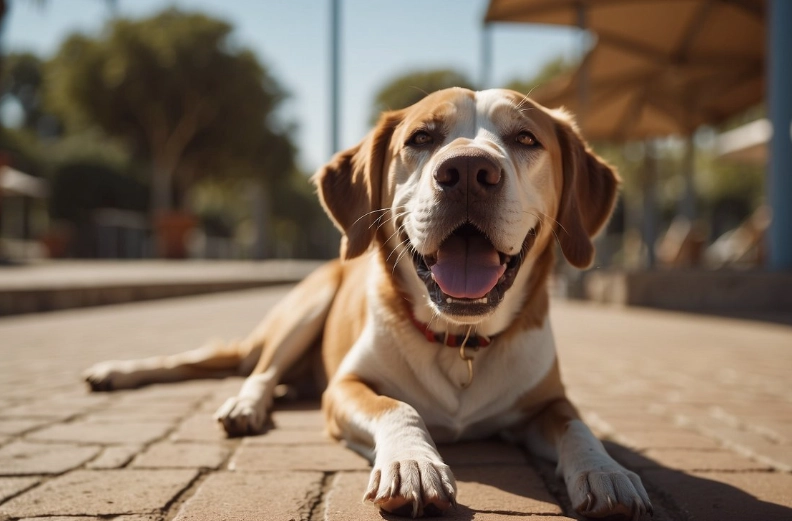
I wish I could give you a single, comforting percentage. But the truth is, slapping one number on this is like asking "what's the survival rate for car accidents?" It depends on a million things. Was it a fender bender or a head-on collision? Were you wearing a seatbelt? How fast did help arrive?
It's the same with heat stroke. That survival rate swings wildly based on what you do in those first golden minutes, how bad it really is, and a whole lot of luck. I've talked to vets, read the studies (the dry, scary ones with graphs), and even had a friend go through this nightmare with her Boxer. So let's break it down, not with scary jargon, but with the straight talk you need right now.
What Exactly Is Heat Stroke in Dogs?
People throw around "overheating" and "heat stroke" like they're the same. They're not. Overheating is your dog panting hard on the couch. Heat stroke is when their internal temperature regulation system completely fails, and their body starts to cook itself from the inside out.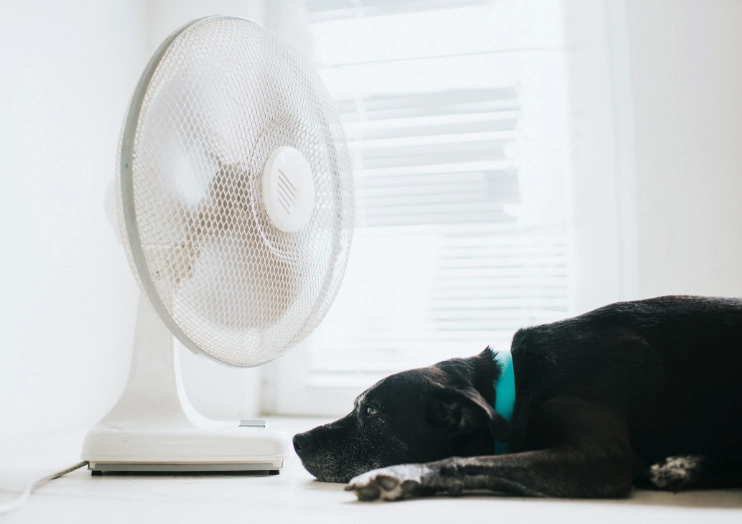
Think of it like your car's engine overheating until the warning light blinks and then just... dies. At that point, the damage isn't just from the heat. It triggers a catastrophic chain reaction. Their blood gets thick and sludgy, clotting in weird places. Their gut lining can break down, letting toxins flood their system. Their brain swells. Their kidneys shut down. This multi-organ failure is what makes heat stroke so deadly, and it's why the dog heat stroke survival rate isn't just about the temperature reading.
There are different levels of severity, which is a huge part of the survival puzzle:
- Mild Heat Stress/Exhaustion: Heavy panting, seeking shade, drooling, maybe a little wobbly. Body temp is elevated but usually under 104.5°F (40.3°C). With quick cooling and rest, recovery is almost guaranteed. This is a warning shot across the bow.
- Moderate Heat Stroke: Now we're in the danger zone. Temp is between 104.5°F and 106°F (40.3°C - 41.1°C). You'll see rapid, noisy panting, bright red or purple gums, glassy eyes, vomiting, or diarrhea. They're struggling. This is where immediate action is the difference between a vet bill and a tragedy.
- Severe Heat Stroke: This is the critical stage. Body temp soars above 106°F (41.1°C). They collapse, have seizures, become unresponsive. Their gums might turn pale, blue, or gray. At this point, the internal damage is already spreading. The clock is ticking down fast.
The Survival Rate Number: What the Studies Actually Say
Alright, here's the data you came for. I dug into veterinary journals because googling gives you a mess of forum guesses. One of the most cited studies, like the one published in the Journal of Veterinary Emergency and Critical Care, paints a stark picture.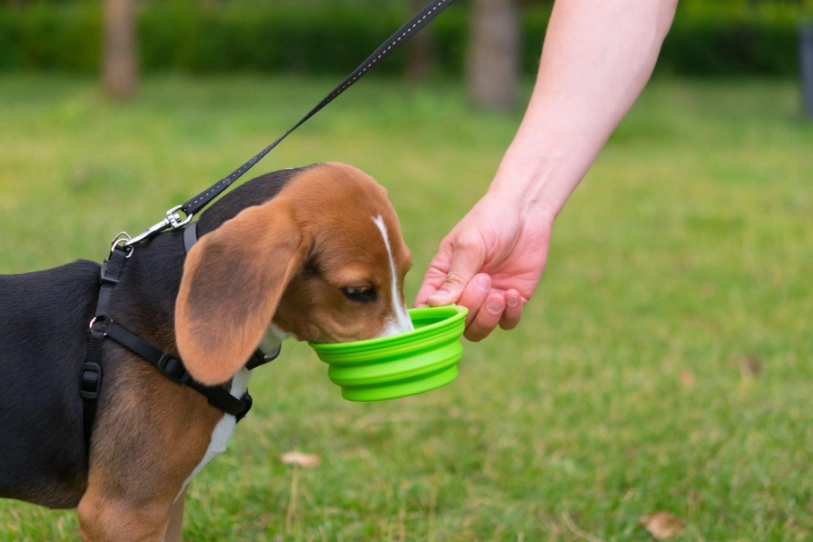
The overall survival rate for canine heat stroke hovers around 50%. Let that sink in. A coin flip.
But that's the average, and averages lie. That number drags down the severe cases and pulls up the mild ones. If we break it down by how quickly they got treatment and how high their temperature spiked, the story changes completely.
For dogs whose heat stroke was caught early (think moderate stage) and who received prompt, proper first aid followed by veterinary care, survival rates can jump to 80-90%. That's the power of you, the owner, knowing what to do.
For dogs who progress to severe heat stroke with obvious neurologic signs like seizures or coma, the survival rate plummets. We're talking less than 25% in some studies. The damage is often too widespread by the time they reach the vet.
The single biggest factor you control? Time.
What Really Determines if a Dog Survives Heat Stroke?
It's not just luck. It's a combination of factors, some you can influence, some you can't. Let's rank them in order of importance.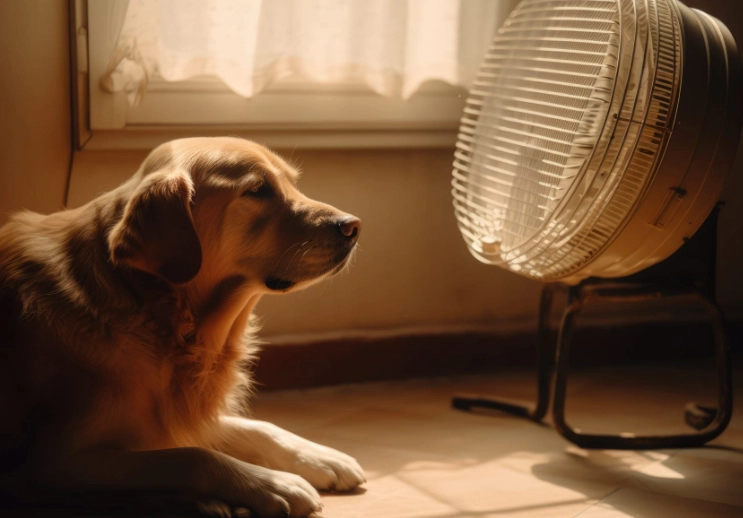
| Factor | Impact on Survival Rate | Can You Control It? |
|---|---|---|
| Speed of Cooling & Vet Care | Massive. Minutes of delay can drop survival chances significantly. | YES. This is your main lever. |
| Peak Body Temperature | Critical. Survival drops sharply above 106°F (41.1°C). | Partially. Quick action limits how high it goes. |
| Duration of High Temperature | Critical. 10 minutes at 109°F is worse than 2 minutes. | YES. Cooling shortens this duration. |
| Dog's Overall Health & Breed | High. Old, overweight, or brachycephalic (flat-faced) dogs are at much higher risk. | You can manage weight and know your dog's risk. |
| Development of DIC (a clotting disorder) | Very High. DIC is a leading cause of death and is hard to treat. | No. This is a consequence of severe heat stroke. |
| Quality of Veterinary ICU Care | High. Survival requires intensive monitoring and support. | You choose the clinic, but treatment is out of your hands. |
See that top factor? It's all about you. That's empowering and terrifying at the same time. Knowing what to do before it happens is your dog's best insurance policy.
The Lifesaving Chain: Prevention, Recognition, Action
Improving your dog's odds isn't a one-step thing. It's a chain, and every link has to be strong. Break one, and the whole thing falls apart.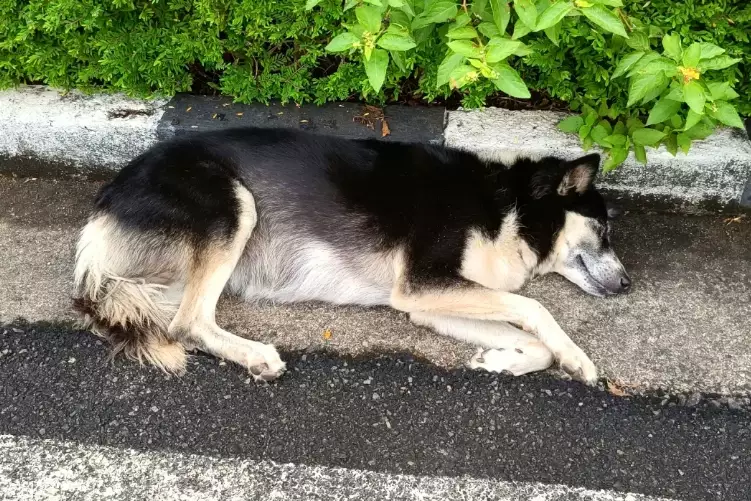
Link 1: Prevention (The Absolute Best Medicine)
Let's be honest, most heat stroke cases are preventable. They happen on hot walks, in parked cars, or in yards without shade. I get it, you want to exercise your dog. But a skipped walk is better than a dead dog. It sounds harsh, but it's true.
- Walk & Play Timing: Only early morning or late evening when the sun is low and the pavement is cool. Test the asphalt with your bare hand—if it's too hot for you, it's burning their paws.
- Hydration Station: Multiple water bowls, refreshed with cool water. Add ice cubes. Take water on every outing.
- Never, Ever Leave in a Car: Not "for a minute." Not with the windows cracked. The interior temperature can rocket to deadly levels in under 10 minutes, even on a mild 70°F day. Just don't do it.
- Know Your Dog's Risk: Bulldogs, Pugs, Boxers, obese dogs, seniors, and dogs with heart/lung disease are like furnaces in fur coats. They need extra care.
- Create Cool Zones: Always have a cool, tiled floor or a well-ventilated room with a fan available. Cooling mats can help.
Link 2: Recognizing the Early Symptoms (Before It's Too Late)
Dogs don't just drop dead from heat. They show signs. You have to know them. It starts subtle.
Early Signs (Act Now!): Excessive, frantic panting that doesn't slow when they rest. Glazed, anxious eyes. Seeking cool surfaces frantically. Bright red tongue and gums. Thick, sticky saliva.
Late Signs (Emergency!): The panting might get weak or stop altogether (a very bad sign). Vomiting or diarrhea (sometimes with blood). Staggering, collapse, seizures. Gums turn from red to pale, blue, or purple.
My friend's Boxer? He just laid down in the middle of the yard and wouldn't get up on a humid day. She thought he was being stubborn. It was the first sign of trouble. Trust your gut. If something seems "off," it probably is.
Link 3: First Aid - What to Do (and What NOT to Do)
This is where you directly impact the dog heatstroke survival rate. Stay calm. Panic helps no one.
- Move to Shade/Cool Area: Get them out of the sun immediately.
- Start Cooling - The RIGHT Way:
- Use lukewarm or cool water (not ice water!). Ice can constrict blood vessels and trap heat inside.
- Focus on the belly, groin, armpits, and paw pads. These areas have less fur and major blood vessels close to the skin.
- Soak towels in cool water and drape them over these areas. Re-wet as they warm up.
- If you have a fan, use it to create airflow over the wet towels. Evaporation is a powerful cooler.
- Offer Small Amounts of Water: Let them drink small sills of cool water if they are conscious and not vomiting. Don't force it.
- Take Their Temperature: If you have a rectal thermometer, use it. This info is gold for your vet. Stop active cooling when their temp reaches about 103°F (39.4°C). You don't want to overshoot into hypothermia.
- CALL YOUR VET. NOW. Even if they seem better. Internal damage is invisible. Tell them you're on your way with a potential heat stroke case.
- Don't cover them with wet towels. This can trap heat. Drape, don't wrap.
- Don't submerge them in ice or ice water. Seriously, this can kill them faster.
- Don't try to force water down their throat if they're unconscious or seizuring—they could aspirate it.
- Don't assume they're fine because they cooled down and seem okay. The real danger is inside.
Link 4: What the Vet Does (And Why You Can't Skip It)
You might think, "I cooled him down, he's fine." Please, don't make that gamble. The vet isn't just checking a temperature. They're fighting the internal cascade you can't see.
They'll put your dog on IV fluids—not just for hydration, but to support crashing blood pressure and flush toxins from the kidneys. They'll run blood tests to check for organ damage and that deadly DIC clotting problem. They'll monitor heart rhythm, blood oxygen, and neurological status. They might need plasma transfusions, medications to protect the brain from swelling, or oxygen therapy.
This level of care is why the survival rate for heat stroke in dogs is even as high as it is. It's intensive, expensive, and absolutely necessary. According to the American Veterinary Medical Association (AVMA), heat-related illness is a true medical emergency that requires professional intervention. You can find their resource page on heat dangers for pets here.
Life After Heat Stroke: Recovery and Long-Term Effects
Surviving is one thing. Recovering fully is another. The dog heat stroke survival rate statistic doesn't tell you about the dogs that live but are never the same.
Some dogs bounce back in a few days. Others face a long road. Potential long-term issues include:
- Kidney Damage: The kidneys are super sensitive to heat. Some dogs develop chronic kidney disease.
- Neurological Deficits: Brain damage from swelling can lead to seizures, personality changes, or loss of coordination.
- Increased Sensitivity to Heat: Their thermostat is broken. They'll be much more prone to overheating again.
- Heart Problems: The strain can weaken the heart muscle.
This is why prevention is worth its weight in gold. A friend's dog who survived had permanent kidney issues and needed a special diet for the rest of his life. He was lucky to be alive, but his quality of life was definitely impacted.
Your Burning Questions Answered (FAQs)
I've been reading forums and questions for hours. Here are the things people really want to know.
What dog breeds have the highest risk of heat stroke?
Brachycephalic (flat-faced) breeds are number one. Their messed-up airways make panting—their main cooling system—incredibly inefficient. We're talking Bulldogs (French and English), Pugs, Boston Terriers, Boxers, Shih Tzus. After that, giant breeds, very thick-coated breeds (like Huskies in hot climates), obese dogs, and any dog with pre-existing heart or breathing problems.
How long does it take for a dog to recover from heat stroke?
If it was mild and caught early, maybe 24-48 hours of being quiet and hydrated. For a severe case that required hospitalization, it could be weeks. Full recovery to their old selves isn't guaranteed. Some effects are permanent. The vet team at the American Animal Hospital Association (AAHA) notes that recovery depends entirely on the extent of the internal injury. Their guidelines stress supportive care is key.
Can a dog have a heat stroke indoors?
Absolutely. A hot, stuffy room with poor ventilation (like a laundry room, attic, or even a sun-drenched living room) can do it. Dogs left in crates without airflow are at particular risk. It doesn't have to be 100 degrees outside.
What's the difference between heat exhaustion and heat stroke?
Heat exhaustion is the pre-stroke stage. The body is struggling but still coping. Heat stroke is when the system fails and the body's core temperature rises uncontrollably, causing that cascade of organ damage. Exhaustion can turn into stroke in minutes if not addressed.
Are some dogs more likely to survive than others?
Statistically, yes. Younger, healthier, leaner dogs with no underlying conditions have a better shot at pulling through a moderate heat stroke. But no dog is immune to a severe case. That's why focusing on the overall canine heat stroke survival rate is less helpful than focusing on your specific dog's situation and your own preparedness.
Final Thoughts: It's About More Than a Number
So, what's the dog heat stroke survival rate? It's 50%. It's 90%. It's 10%. It's whatever you make it by your actions before, during, and after the crisis.
The number is a warning, not a destiny. It tells us this is deadly serious. But it also shows us that knowledge and swift action are powerful tools. You have more control over the outcome than you think.
Print out the first aid steps. Stick the prevention checklist on your fridge. Talk to your vet about your dog's specific risks. Share this with other dog owners. The goal isn't to live in fear every summer. It's to be smart, prepared, and confident so you and your pup can enjoy the sunny days safely.
Because at the end of the day, the best survival rate is the one you never have to use.


Leave a comment