Let’s be honest. The classic plastic Elizabethan collar, or "the cone of shame," is a necessary evil that most dog owners and their pets despise. It’s clunky, stressful, and turns your agile companion into a walking satellite dish that bumps into every doorframe. If you're searching for what can be used in place of a dog cone, you're not just looking for an alternative—you're looking for a better solution that prioritizes your dog's comfort and your sanity. The good news is, the market has evolved far beyond that rigid plastic disc. From soft inflatable collars to full-body suits, there are now several effective, vet-approved options that can make the recovery process less traumatic for everyone involved.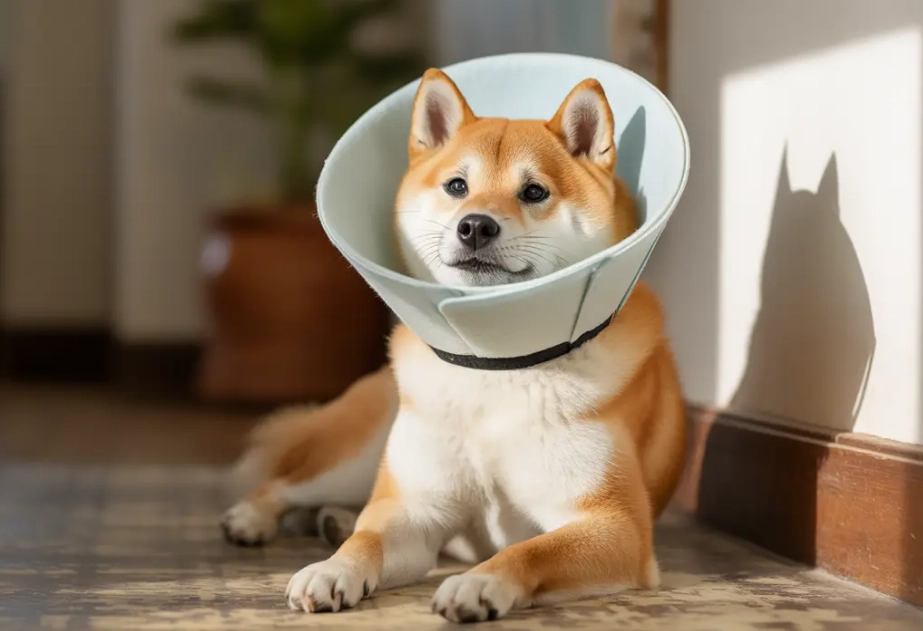
What You’ll Find in This Guide
Why Dog Cone Alternatives Matter
It’s not just about comfort, though that’s a huge part. A miserable dog is a dog that struggles to heal. Constant stress can suppress the immune system. The plastic cone also blocks peripheral vision, increasing anxiety and the risk of injury from tripping. Many dogs refuse to eat, drink, or rest properly while wearing it.
I remember my Labrador, Finn, after a minor paw surgery. The vet sent him home with a standard cone. He spent the first night crashing into walls, whining, and refusing to lie down. I got maybe two hours of sleep. The next morning, I switched him to an inflatable collar. The change was immediate. He drank water, ate his breakfast, and settled into his bed. His recovery seemed to accelerate because he was finally relaxed.
The primary goal of any protective device is to prevent licking, biting, or scratching at a wound, surgical site, or hot spot. Any alternative must achieve this fundamental goal. If it doesn’t, it’s just a cute accessory.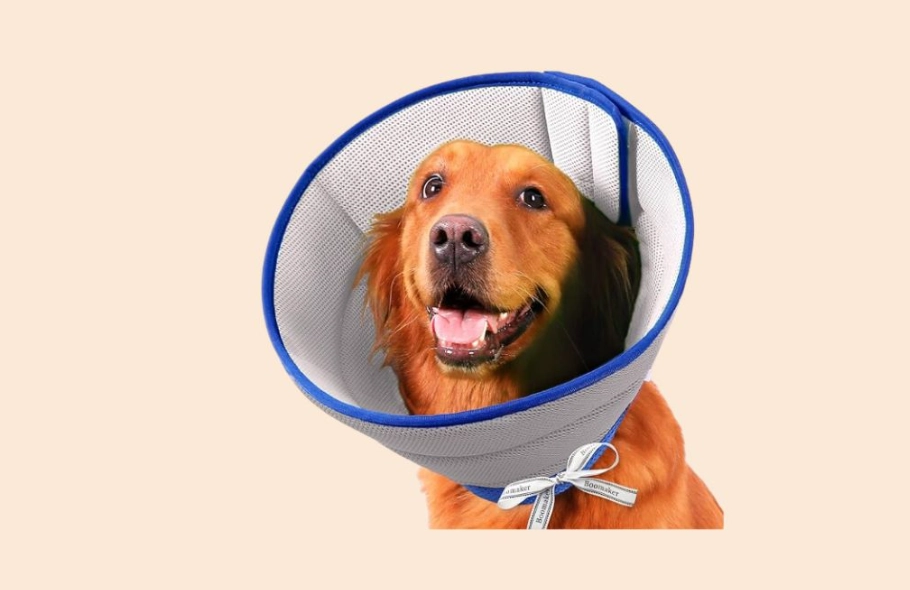
Assessing Your Dog's Specific Needs
Before you buy anything, play detective. The "best" alternative depends entirely on the location of the injury and your dog's personality.
Where is the wound? This is the most critical question. A neck injury requires a completely different solution than a paw or tail injury. A belly incision needs coverage a collar can't provide.
What is your dog's temperament? Is your dog a laid-back couch potato or an escape artist Houdini? Some determined chewers will deflate an inflatable collar in minutes. Others might tolerate a soft fabric cone but panic in a full-body suit.
What did your vet say? Always, always consult your veterinarian before making a switch. They know the specifics of the procedure and the required level of protection. Some complex surgeries might still require a traditional cone for the first critical 48-72 hours.
7 Proven Dog Cone Alternatives (With Real Examples)
Here’s a breakdown of the most common and effective options, moving from neck-focused to full-body solutions. I’ve included specific product types and brands to give you a concrete starting point for your search.
1. The Inflatable Dog Collar (Neck Donut)
This is often the first alternative people try, and for good reason. It looks like a travel pillow for your dog. Brands like KONG Cloud and BenCMate are popular. They range from $20 to $40.
How it works: It inflates around the neck, creating a physical barrier that prevents the dog from turning its head far enough to reach its body or limbs. It doesn’t obstruct vision or hearing.
Best for: Chest, front leg, or paw wounds. Also excellent for post-dental surgery to prevent pawing at the mouth.
Watch out for: It’s generally not effective for wounds on the hind legs, hips, or base of the tail. A flexible dog can still arch around it. Also, dogs with broad chests and short necks (like Bulldogs) can sometimes still reach over it.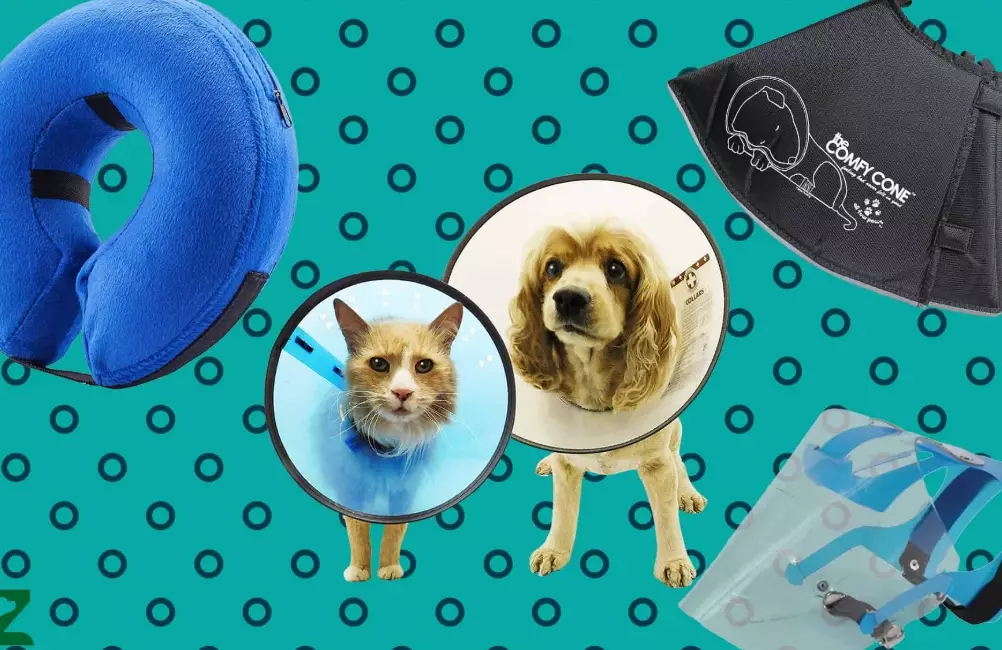
2. The Soft Fabric Cone
Think of this as a "cone upgrade." It has the same conical shape but is made from flexible, padded fabric like nylon or fleece. The All Four Paws Comfy Cone is a classic example, costing between $25 and $50 depending on size.
How it works: Same principle as the plastic cone—blocks head movement—but is lighter, quieter, and more comfortable for sleeping.
Best for: Dogs who are bothered by the rigidity and noise of plastic but still need the full head-movement restriction. Good for wounds anywhere except maybe the very tip of the nose.
Watch out for: It can still obstruct some vision. And because it’s fabric, it can get dirty, wet, or chewed through by a persistent dog. It’s not waterproof.
3. The Recovery Suit (Surgical Suit)
This is a game-changer for torso, abdominal, or back wounds. It’s essentially a stretchy bodysuit that covers most of the dog's body. Suitlel and RecoverySuit are well-known brands, with prices from $35 to $70.
How it works: It creates a breathable, protective layer over the incision, preventing direct licking and scratching. Most have strategic openings for bathroom breaks.
Best for: Spay/neuter incisions, side or back wounds, and dogs with skin allergies or hotspots over large areas. Also fantastic for hairless breeds or dogs who get cold easily post-surgery.
Watch out for: You must keep it clean and dry. It adds a layer of warmth, which might not be ideal in hot climates. You also need to monitor for any chafing under the arms or at the seams.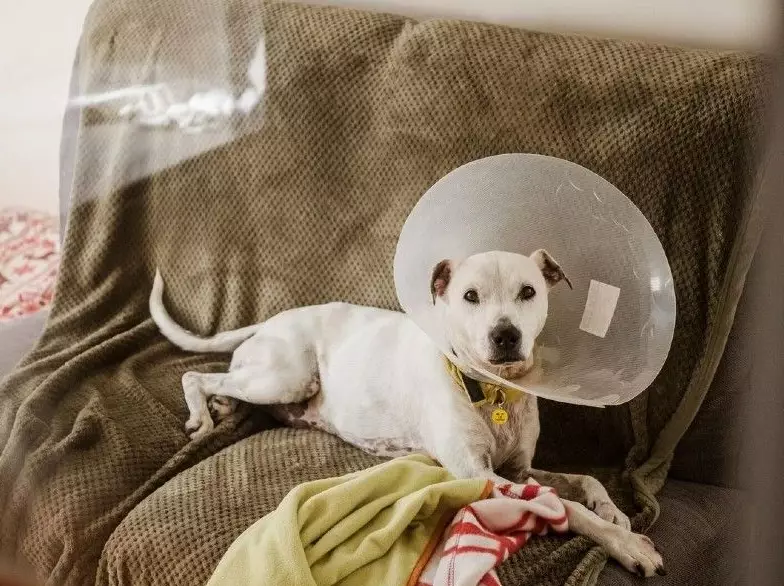
4. The Flexible Neck Brace
Less common but highly effective for specific cases. It looks like a shorter, semi-rigid collar that limits up-and-down and side-to-side motion without being a full cone. The BiteNot Collar is the pioneer here.
nHow it works: It restricts neck flexion (bending) so the dog can’t tuck its head down to reach its body, but allows relatively normal forward vision and peripheral awareness.
Best for: Chest, front leg, and paw injuries. Particularly useful for long-nosed breeds where a cone is excessively long and unwieldy.
Watch out for: It can be more expensive ($40-$80) and may require more careful sizing. Some dogs figure out how to manipulate it if not fitted perfectly.
5. Paw & Leg Coverings
For isolated paw or lower leg injuries, sometimes you just need to protect the specific limb. This includes medical booties, no-lick strips (like bitter apple spray bandage wraps), or lightweight splint covers.
How it works: Direct, localized protection. A good bootie keeps dirt out and prevents licking.
Best for: Pad injuries, nail bed issues, or small leg wounds. They are often used in conjunction with a neck device for determined chewers.
Watch out for: Dogs can often remove booties with surprising skill. They also need to be changed frequently to keep the wound clean and dry underneath.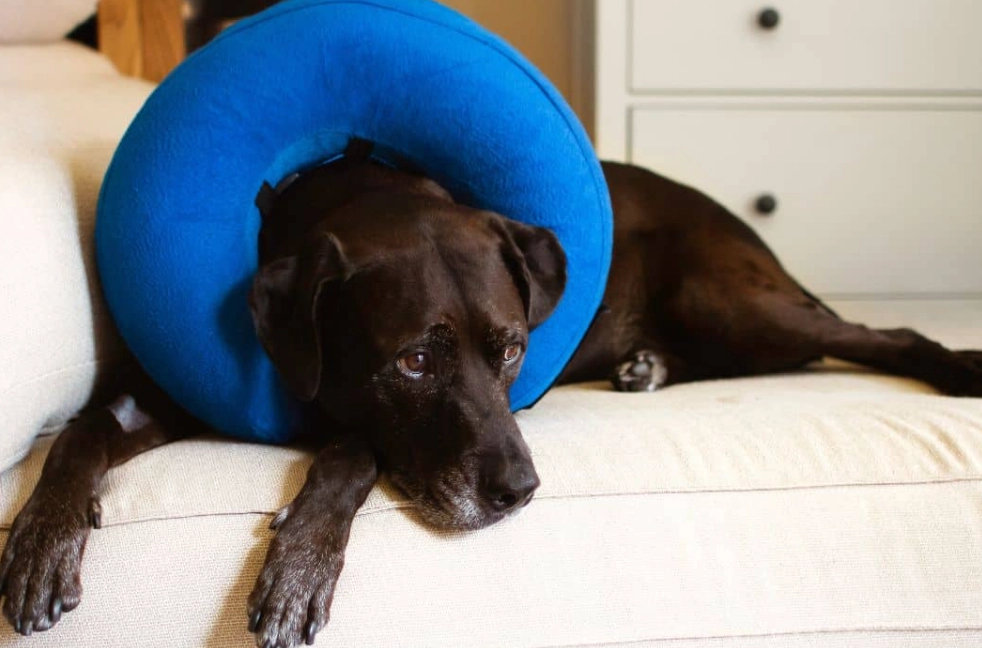
6. The DIY "Pool Noodle" Collar (A Temporary Fix)
This is a popular internet hack. You cut a pool noodle to size, slice it open lengthwise, and fit it around your dog's existing collar to create a makeshift bumper.
How it works: It’s a cheap, immediate alternative if you’re in a pinch. It functions similarly to a firm inflatable collar.
Best for: Short-term, emergency use only while you wait for a proper alternative to arrive. It’s not secure or durable for serious recovery.
7. The Combination Approach
Sometimes, the most effective solution is using two mild barriers instead of one severe one. This is a strategy many experienced pet owners and vets use for clever or persistent dogs.
How it works: Pair a recovery suit with a soft cone. Or use an inflatable collar with a bitter spray on the nearby fur or bandage. The idea is to create both a physical and a taste deterrent.
Best for: Dogs who are expert escape artists or have a high-drive to lick a particular spot (like a suture line that’s starting to itch).
Watch out for: Don’t overcomplicate it to the point of stressing your dog more. Start with one solid solution and only add a second if the first is being defeated.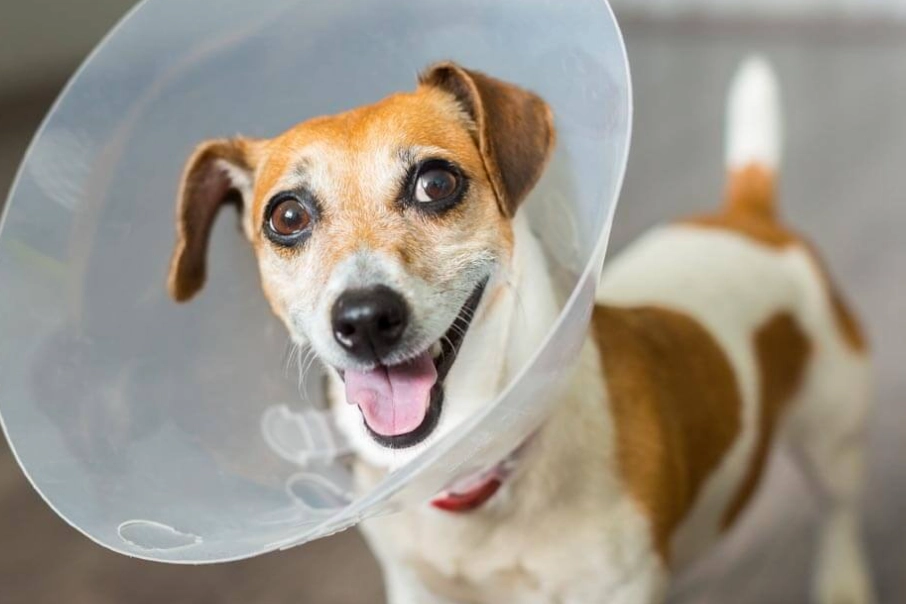
How to Choose the Right Alternative: A Quick Decision Guide
Use this table to narrow down your options based on the wound location. Remember, your vet's advice overrides any guide.
| Wound Location | Top Alternative Choices | Why It Works | Potential Drawback |
|---|---|---|---|
| Head, Ears, or Neck | Soft Fabric Cone, Traditional Plastic Cone | Directly blocks access to the area. Neck devices won't work here. | Can be the most intrusive for the dog. |
| Chest or Front Legs | Inflatable Collar, Flexible Neck Brace, Soft Cone | Limits neck bending and head rotation effectively. | May not work for very flexible dogs reaching hindquarters. |
| Abdomen or Sides (Spay/Neuter) | Recovery Suit, Soft Cone + T-shirt | Provides full coverage without neck restriction. Very comfortable. | Suit must be removed for bathroom breaks; can get soiled. |
| Hind Legs, Hips, or Tail | Recovery Suit (full coverage), Traditional/Soft Cone | A neck collar is often the only way to prevent reaching these far-back areas. | Dogs may still try to scoot or rub the area. |
| Paws or Lower Legs | Medical Bootie + Inflatable Collar, Soft Cone | Double protection for a highly accessible and tempting spot. | Booties need frequent changing and monitoring for moisture. |
Common Mistakes to Avoid When Switching from a Cone
I’ve seen these errors time and again, even from well-meaning owners.
Not doing a supervised trial run. The moment you put the new device on, don’t walk away. Watch your dog for 30-60 minutes. Can they still contort themselves to reach the wound? Do they immediately try to chew it off? This trial period is crucial.
Ignoring the fit. An inflatable collar that’s too loose is useless. A recovery suit that’s too tight can impede circulation or cause sores. Follow the manufacturer's sizing guide meticulously, measuring your dog with a soft tape measure.
Assuming it’s 100% foolproof. No alternative is magic. You must still periodically check the wound for signs of licking, moisture, or irritation. The device itself also needs checking for damage.
Giving up too quickly. Some dogs need a short adjustment period to any new thing on their body. A few minutes of initial fussing is normal. Persistent, panicked distress is a sign to try a different option.
Your Questions Answered (FAQ)
My dog can still lick his paw with an inflatable collar. What now?
This usually means the collar isn't large enough in diameter or isn't inflated firmly enough. Try a larger size or inflate it more. If he's a contortionist, you likely need to switch to a soft fabric cone or combine the inflatable collar with a protective bootie on the paw itself. The cone provides a more absolute barrier for determined cases.
Are recovery suits safe for dogs to wear all day and night?
Yes, but with important caveats. They are designed for extended wear, but you must remove them at least twice a day to check the skin underneath for redness or moisture, and to allow the wound to "air out" for a few minutes under supervision. Always remove it for bathroom breaks to keep it clean. A damp suit pressed against a wound is a recipe for infection.
 My vet insists on the plastic cone. Can I still use an alternative?
Have a conversation, don't just disobey. Ask your vet, "I'm concerned about my dog's stress and mobility with the hard cone. Would a [specific alternative, e.g., a recovery suit] be appropriate for his type of incision once we get past the first critical 48 hours?" Presenting a specific, informed option shows you're engaged in the care. They may agree to a switch after the initial high-risk period for bleeding or swelling has passed.
What's the biggest downside to the soft fabric cone versus the plastic one?
Durability and cleanliness. A plastic cone is easy to wipe clean and is virtually indestructible. A fabric cone absorbs drool, food, and odors, and a dog that wants to chew can eventually rip through the fabric or the fastening Velcro. For a messy eater or a powerful chewer, the plastic cone's practicality sometimes wins out, even if it's less comfortable.
How do I know if my dog is too stressed by any protective device?
Look beyond initial fussing. Signs of excessive stress include prolonged panting (when not hot), trembling, hiding, refusing to move at all, or a complete loss of appetite for more than one meal. Whining for the first 20 minutes is adjustment; a shutdown, fearful demeanor for hours means the device isn't working for your individual dog, and you need to consult your vet for a different plan.
The search for what can be used in place of a dog cone ends with understanding that you have powerful, comfortable choices. The goal isn't just to stop the licking—it's to promote a calm, secure environment where healing can happen fastest. By matching the solution to your dog's specific injury and personality, you can turn a stressful recovery into a manageable, and even comfortable, period of rest. Start with your vet's advice, choose the most targeted option, and be prepared to adjust. Your dog will thank you for the extra thought.

Leave a comment