Quick Navigation
Let's be honest, the classic plastic Elizabethan collar – the "cone of shame" – is a bit of a dinosaur. It's clunky, it stresses our dogs out, and it turns simple things like drinking water or navigating doorway into a mission impossible.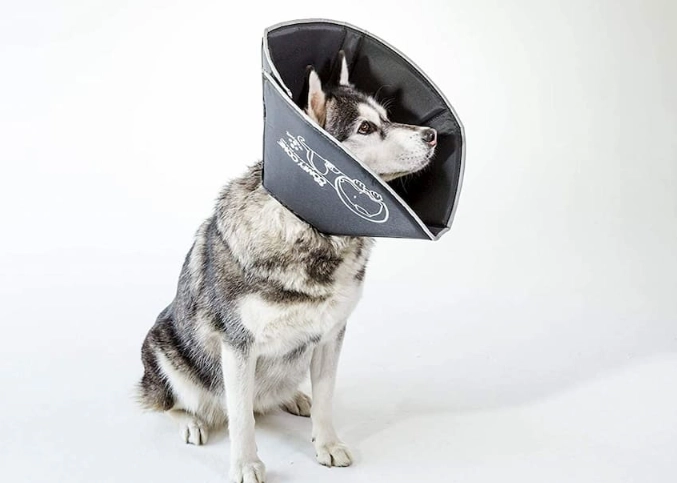
I remember when my own dog, Finn, had a minor paw procedure. The vet handed us the standard plastic cone, and the look in his eyes was pure, dejected confusion. He spent the first hour walking backwards. It was heartbreaking and, frankly, seemed unnecessary for his situation. That experience sent me down a rabbit hole looking for better answers to the question, "What can I use instead of a cone for my dog?"
If you're here, you're probably asking the same thing. You want your furry friend to recover comfortably and safely, without the added trauma of a giant plastic satellite dish around their head. Good news – the veterinary and pet care world has evolved, and there are now fantastic, humane alternatives.
This isn't just about comfort, though. It's about effective recovery. A dog that's stressed, can't eat or drink properly, or is constantly banging into walls isn't healing optimally. Finding the right alternative can make the post-op or injury period smoother for everyone involved.
The Core Goal: Why We Need *Something*
Before diving into the alternatives, let's remember the purpose. These devices are officially called "Elizabethan collars" or "E-collars," and their sole job is to prevent licking, biting, scratching, or chewing at a healing area. Licking introduces bacteria from the mouth, causes moisture, and the mechanical action of the tongue can tear delicate stitches or irritate skin. So, whatever you choose must be 100% effective at blocking access. Comfort is a close second, but safety is non-negotiable.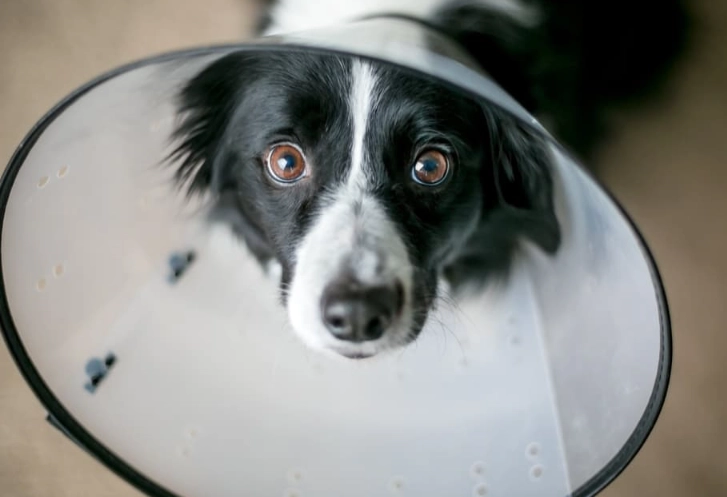
7 Best Alternatives to the Traditional Plastic Cone
Here’s a breakdown of the most popular and effective substitutes, from my personal top picks to more niche options. I've ranked them based on a combination of effectiveness, comfort, and versatility.
| Alternative | Best For | Key Pros | Key Cons |
|---|---|---|---|
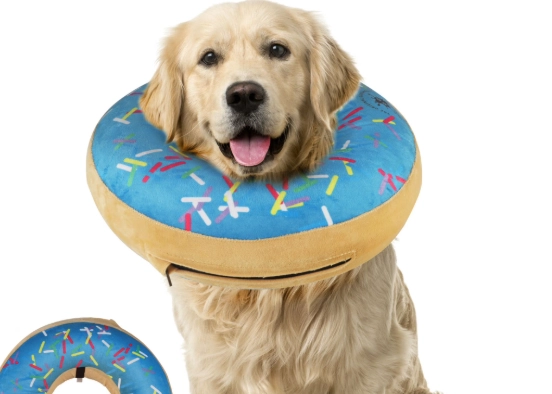
| Inflatable Collar (Donut Collar) | Neck, chest, shoulder, and front leg wounds; also great for post-surgery on the torso. Excellent for dogs who get stressed by the plastic cone's rigidity and sound. | Comfortable, allows for peripheral vision, doesn't obstruct eating/drinking, less stressful for many dogs, easy to travel with. | May not be suitable for wounds near the dog's rear or for very flexible dogs. Some determined chewers might puncture it. |
| Soft Fabric Recovery Collar | A more comfortable direct replacement for the plastic cone. Good for general use where a full barrier is needed. | Softer, more flexible, less noisy, often more breathable, can be more comfortable for sleeping. | Can still obstruct vision slightly, may get dirty faster than plastic, not always suitable for determined chewers. |
| Recovery Suit or "Surgical Suit" | Torso, abdominal, and back wounds/spay-neuter incisions. Also great for skin conditions (allergies, hotspots). | Full-body protection, extremely comfortable (like wearing pajamas), eliminates the need for a head collar entirely, reduces stress dramatically. | Needs to be removed for bathroom breaks, can get soiled, may be warm in hot weather, requires correct sizing. |
| Neck Brace (Foam Collar) | Specific neck injuries or restrictions, not typically for wound protection. Limits range of motion. | Provides structured support for the neck, more comfortable than a rigid brace for some conditions. | Not designed to prevent licking of body wounds. A specialized medical device, not a general cone alternative. |
| Pool Noodle DIY (Caution Advised) | A creative, low-cost idea for very specific, low-risk situations. I'm hesitant to recommend this widely. | Extremely cheap, soft, and can be customized. | Easily destroyed by chewing, not secure, can be a choking hazard if pieces break off, generally unreliable. |
| Paw and Leg Coverings | Protecting bandages on paws or lower legs from moisture and dirt. | Targeted protection, allows full mobility otherwise. | Only for extremities. Does not prevent licking of body wounds. |
| Bitter Sprays & Deterrents | Mild cases or as a supplemental deterrent. Never rely on this alone for post-surgery care. | Easy to apply, no physical barrier. | Unreliable. Dogs can become accustomed to the taste. Does not prevent scratching or the initial lick that introduces bacteria. |
Let's get into the details of each, because the table only scratches the surface.
Top Pick: The Inflatable Collar (The "Donut")
This is often the first thing vets suggest when you ask, "What can I use instead of a cone for my dog?" And for good reason. It looks like a travel neck pillow, and it functions in a similar way. By creating a wide, soft ring around the neck, it prevents the dog from bending their head around to reach their torso or limbs.
The pros are huge. Most dogs tolerate it infinitely better than the plastic cone. They can see peripherally, eat and drink normally, and sleep comfortably. It doesn't make that awful scraping sound on the floor. From a safety perspective, a high-quality inflatable collar is made of durable, chew-resistant material (though super chewers might still defeat it).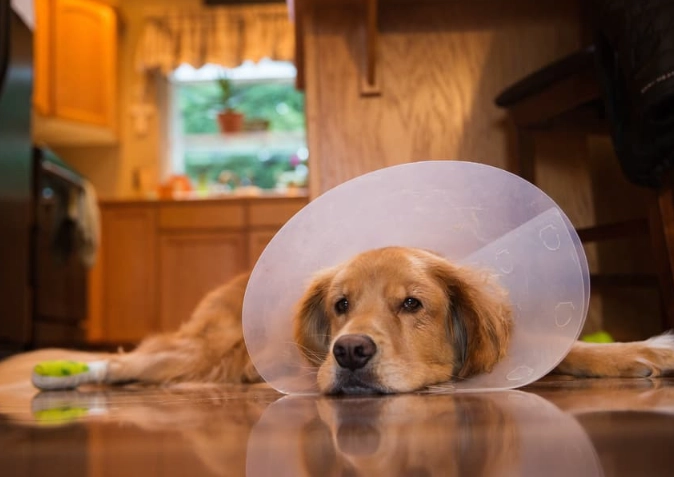
The main con? It's not a one-size-fits-all solution. For wounds on the hindquarters, a flexible dog might still be able to twist and reach. Always do a "reach test"—gently guide your dog's head towards the wound while they're wearing the donut to see if they can make contact.
The Game-Changer: Recovery Suits
If the inflatable collar was a revolution, the recovery suit is a revelation. For procedures like spays, neuters, or any torso wound, this is arguably the best answer to what can I use instead of a cone for my dog. It's a stretchy, breathable bodysuit (often with a strategic opening for bathroom breaks) that covers the wound site completely.
The psychological benefit is massive. No bulky collar at all. Your dog just feels like they're wearing comfy clothes. It reduces their stress levels to near-zero, which directly promotes healing. It also keeps the incision site clean from environmental dirt.
Downsides? You have to take it on and off for potty breaks, which can be a hassle. You need a couple of them on hand for washing rotations. And in very hot climates, you need to ensure the suit is made of a highly breathable mesh material.
Honestly, for abdominal surgeries, I think this should be the standard of care. It's that good.
The Soft Collar: A Kinder, Gentler Cone
Soft recovery collars are made of flexible fabric or foam, often with a plastic or lightweight frame to hold their shape. They're cone-shaped but without the harshness. They're a fantastic middle ground.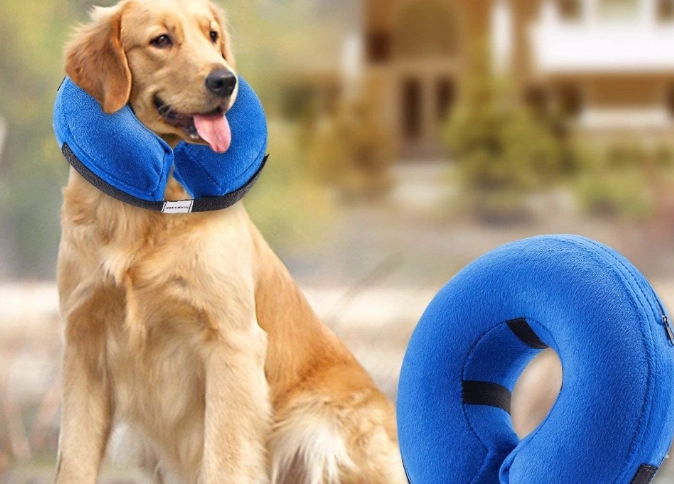
They're quieter, less likely to catch on things, and generally more comfortable for sleeping than rigid plastic. They still provide the full 360-degree barrier of a traditional cone, making them suitable for wounds in tricky spots where a donut might not work.
The catch? They can still obstruct downward vision (though many have clear vinyl panels). And if your dog is a serious chewer, they might find the fabric edge and destroy it. Always check the material's durability.
What About DIY Solutions Like a Pool Noodle?
You'll see this idea online: threading a pool noodle onto your dog's collar to create a makeshift donut. Let me give you my blunt opinion: it's a last-resort, at-home hack for a very minor issue, and I don't feel great recommending it.
It's not secure. A determined dog can easily slide it off their collar or chew through the foam in seconds, creating a choking hazard. For any surgical recovery or significant wound, this is not a safe or reliable alternative. The few dollars you save aren't worth the risk of a failed recovery or an emergency vet visit because your dog ripped out their stitches.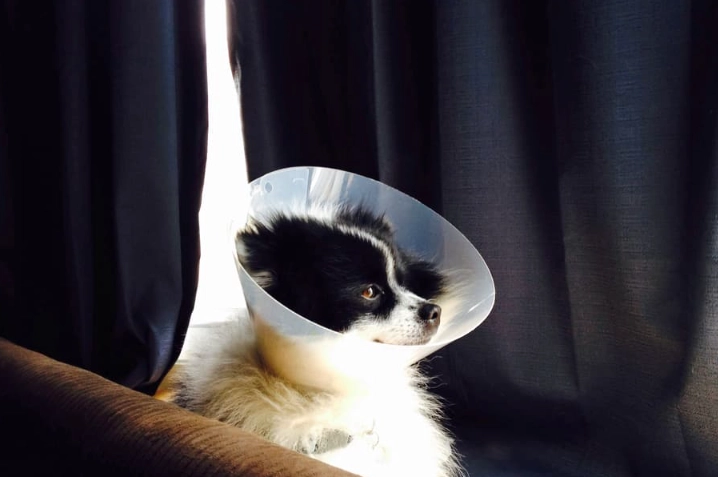
Stick with purpose-built, tested products. Your dog's health isn't the place for craft projects.
Choosing the Right Alternative: A Simple Guide
So how do you pick? Don't just buy the cutest one. Match the tool to the job.
- Wound on the torso, belly, or back (e.g., spay incision): A Recovery Suit is your gold standard. An Inflatable Collar is a very strong second choice.
- Wound on the front leg or shoulder: An Inflatable Collar is usually perfect. A Soft Fabric Cone also works well.
- Wound on a hind leg, paw, or tail: This is trickier. A flexible dog may bypass a donut. A Soft or Traditional Cone might be necessary to ensure they can't twist around. A paw covering can protect a bandaged foot.
- Wound on the head or neck: Often, a cone (soft or traditional) is the only thing that works, as it creates space between the mouth and the wound. Specialized head wraps exist but require vet guidance.
- Skin allergies or hot spots: A Recovery Suit can prevent scratching. Bitter sprays can be a helpful supplement here, but never the only line of defense.
Common Questions & Concerns (The Stuff You're Really Worried About)
This is the toughest scenario. If it's a torso wound, the recovery suit is your hero—no collar needed. For other locations, you may need to combine methods. A recovery suit plus supervised time might work. In extreme cases of anxiety, talk to your vet about short-term anti-anxiety medication to help them through the initial recovery period. The stress of constant licking and re-injury is worse than a short course of medication.
Supervision is key, especially in the first 24-48 hours. Put the alternative on and watch your dog. Can they drink? Can they eat? Most importantly, can they physically contort themselves to reach the wound? If they can, it's not the right tool. Also, check the wound itself multiple times a day for signs of licking (wetness, redness) or disturbance.
Most modern vets are fully on board with comfortable alternatives, provided they are effective for the specific case. In fact, many clinics now stock inflatable collars and recovery suits for sale. The key is communication. Show your vet what you've bought or plan to buy, and let them assess it on your dog. They want a successful recovery as much as you do. Reputable sources like the American Animal Hospital Association (AAHA) provide guidelines on post-surgical care that emphasize patient comfort alongside safety.
Your vet will give you a timeline, typically 10-14 days for standard surgery until stitches are removed or dissolved. The rule is: if you can't watch them like a hawk, the protective device should be on. Even a 30-second unsupervised lick can set healing back days or cause an infection. For resources on understanding the healing process, the American Veterinary Medical Association (AVMA) has trustworthy pet care information.
A Quick Reality Check: No alternative is perfect. The inflatable collar might not stop a determined gymnast. The soft cone might get chewed. The recovery suit needs changing for potty time. The goal is to find the option that balances maximum effectiveness with maximum comfort for your individual dog's situation and personality.
Final Thoughts: It's About Their Wellbeing
Asking "what can I use instead of a cone for my dog?" shows you're a caring, thoughtful pet parent. You're looking beyond the one-size-fits-all (or rather, one-size-fits-none) solution. The landscape of dog recovery aids is so much better now than it was even five years ago.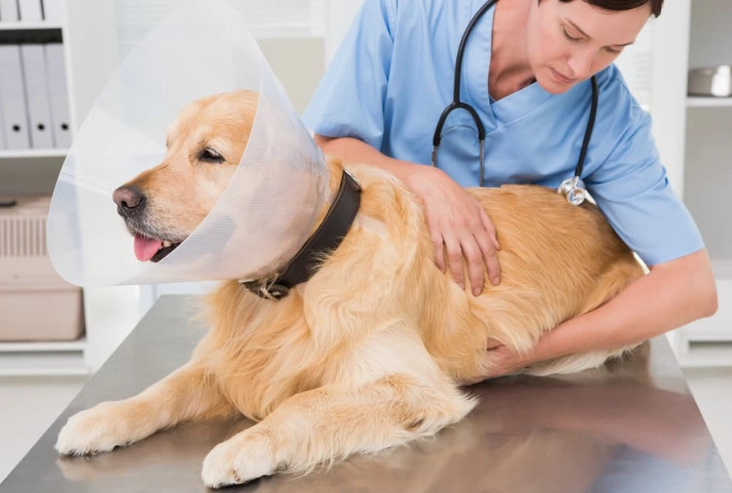
Start with your vet's recommendation. Then, consider your dog's wound location, their personality (anxious? flexible? a chewer?), and their normal habits. Invest in a quality product designed for the job. The peace of mind and your dog's comfort are worth it.
Finn eventually got a soft fabric cone for his paw, and the difference was night and day. He was calmer, could rest, and healed perfectly. That's the outcome we all want. By exploring these modern, gentle alternatives to the dreaded cone of shame, you're taking a big step towards a smoother, less stressful recovery for your best friend.
For specific product recommendations and fitting guides, checking the websites of reputable pet health brands like Chewy's wellness section or PetMD's care guides can offer additional visual context and user reviews to help you choose.

Leave a comment