Let's be honest. If you live with a cat, scratches are part of the deal. One minute you're playing with a feather wand, the next you're staring at a red line on your arm wondering if you should be worried. I've been there countless times over the years with my two energetic tabbies. The good news? Most cat scratches are superficial and heal quickly if you handle them right from the start. The goal isn't just to heal them, but to heal them faster and prevent complications like infection or scarring. Here’s exactly what works, based on experience and vet advice, not just generic internet lists.
What You'll Find in This Guide
The 5 Immediate Steps You Must Take (Within Minutes)
Speed matters. What you do in the first 5-10 minutes sets the stage for the entire healing process. Forget old wives' tales. Here's the protocol that actually speeds things up.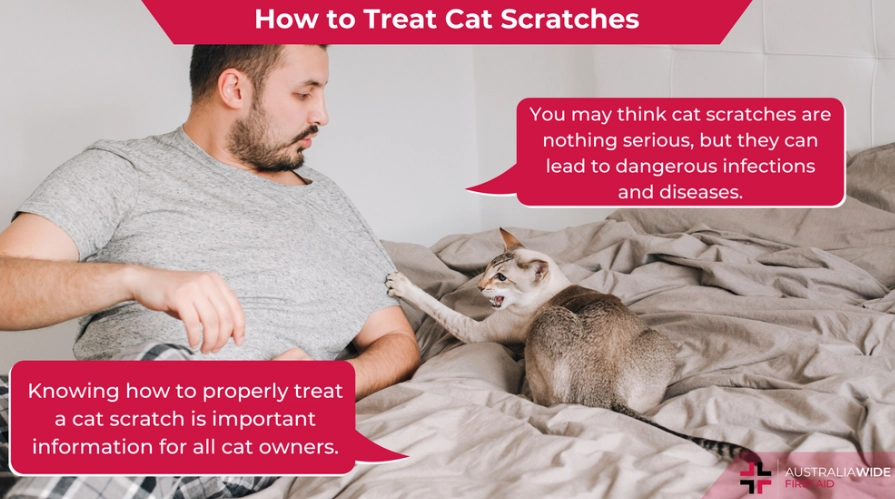
Step 1: Stop the Bleeding (Gently)
Apply gentle, direct pressure with a clean cloth or gauze pad. For most scratches, the bleeding is minimal and stops in under a minute. Don't press so hard you reopen the wound.
Step 2: Wash It Like a Surgeon
This is the most critical step for preventing infection, which is the #1 thing that slows healing. Use lukewarm running water and a mild soap (like unscented liquid hand soap or a gentle antibacterial soap). Lather and rinse thoroughly for at least 60 seconds. The mechanical action of washing is more important than the soap itself.
 Step 3: The Antiseptic Decision
After washing, pat the area dry with a clean paper towel. Now, apply a thin layer of an over-the-counter antibiotic ointment like Neosporin (bacitracin/polymyxin B) or Polysporin. This creates a moist environment conducive to healing and provides a barrier against bacteria. A common mistake is skipping this because the scratch "looks small."
Step 4: To Cover or Not to Cover?
For the first 24-48 hours, cover it. Use a sterile adhesive bandage or a non-stick gauze pad secured with medical tape. This protects the wound from dirt, cat hair, and your own instinct to touch it. After a day or two, if it's not oozing, you can often leave it uncovered to air out, which can further speed up the final stages of healing.
Step 5: Elevate and Rest (If Applicable)
If the scratch is on a limb and feels puffy or tender, try to keep it elevated above heart level for the first few hours. This reduces swelling, which can impede blood flow and slow repair.
Stop Using These: Please, do not pour hydrogen peroxide or rubbing alcohol on a fresh cat scratch. I used to do this, thinking I was "super cleaning" it. All I was doing was killing the healthy new cells trying to heal the wound and causing unnecessary pain. It's counterproductive and delays healing.
The Daily Home Care Routine for Faster Healing
 Consistency is key. Once the initial first aid is done, a simple daily routine promotes faster tissue repair.
Morning and Evening Check & Clean
Twice a day, gently wash the area with soap and water, reapply a tiny dab of antibiotic ointment, and put on a fresh bandage if you're still covering it. Look for any changes—increased redness, new swelling, or pus. This routine should continue until a solid scab has formed and the skin is closed.
Nutrition That Fuels Repair
Your body needs specific building blocks to heal skin. You can support it from the inside. Focus on foods rich in:
Protein: Skin is made of protein. Chicken, fish, eggs, beans.
Vitamin C: Crucial for collagen production. Citrus fruits, bell peppers, broccoli.
Zinc: Supports immune function and cell growth. Nuts, seeds, whole grains.
Staying well-hydrated is equally important. Dehydrated skin heals poorly.
The Moisture Balance
A common debate: dry scab vs. moist wound. Modern wound care science favors moist healing. A slightly moist environment allows skin cells to migrate across the wound bed more easily than under a hard, dry scab. This is why antibiotic ointment is helpful initially. Once healed, switch to a simple fragrance-free moisturizer to keep the new skin supple.
Red Flags: When a Scratch is More Than a Scratch
Cat claws are not clean. They carry bacteria from the litter box and the environment. The most concerning is Bartonella henselae, which causes Cat Scratch Disease (CSD). Knowing the signs of infection is non-negotiable for any cat owner.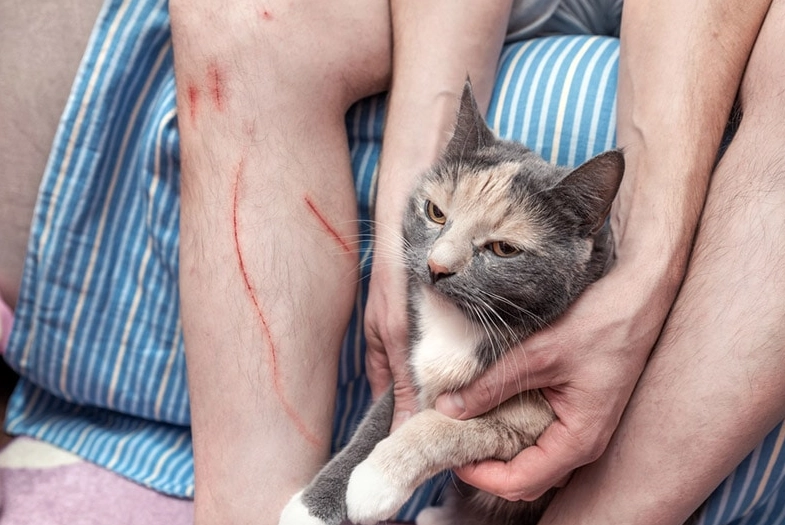
| Sign/Symptom | What It Looks/Feels Like | What It Might Mean |
|---|---|---|
| Increasing Redness | Red area spreading out from the scratch line, more than 1-2 days after the injury. | Cellulitis (skin infection). Needs medical attention. |
| Swelling & Warmth | The scratch area or nearby lymph nodes (armpit, groin, neck) become tender, swollen, and warm to the touch. | Possible lymphadenitis, a classic sign of Cat Scratch Disease. |
| Pus or Discharge | Yellow, green, or cloudy fluid oozing from the wound, especially with a foul smell. | Bacterial infection. The wound is not healing cleanly. |
| Fever & Chills | Body temperature over 100.4°F (38°C), feeling achy and fatigued. | Systemic infection. The body is fighting something significant. |
| Pain That Worsens | Throbbing pain that intensifies rather than improves after 48 hours. | Deep tissue infection or abscess formation. |
Who's at Higher Risk? Individuals with compromised immune systems (due to conditions like diabetes, HIV/AIDS, or chemotherapy), the very young, and the elderly should be extra vigilant and consult a doctor for any cat scratch that breaks the skin.
Long-Term Care: How to Minimize Scarring
Once the wound is fully closed and the scab has fallen off naturally (don't pick it!), your focus shifts to scar management. New skin is fragile and can darken if exposed to UV rays.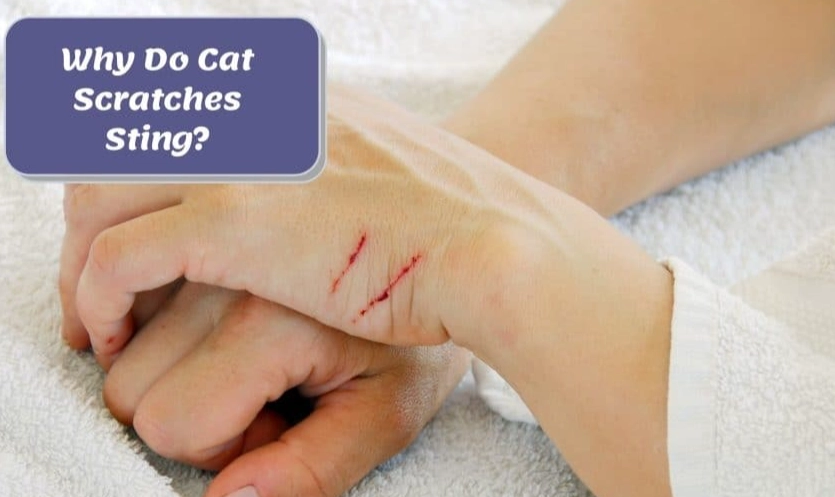
Sunscreen is Your Best Friend: For at least 6 months, apply a broad-spectrum SPF 30 or higher to the healed area whenever it's exposed to the sun. UV exposure can cause the scar to become permanently darker (hyperpigmented).
Scar Massage & Silicone: Gently massaging the scar for a few minutes daily with a moisturizer or a silicone-based scar gel (like Mederma or similar) can help break down tough collagen fibers and improve the scar's texture and appearance over time. Start this only after the skin is completely healed with no open areas.
Your Cat Scratch Questions, Answered
I got scratched by a stray cat. Do I need a tetanus shot?
It depends on your vaccination history. Tetanus bacteria live in soil and dirt, which can be on a cat's claw. The general medical advice from sources like the CDC is that if your last tetanus booster was more than 5-10 years ago and the wound is deep or dirty (which a stray cat scratch qualifies as), you should get a booster. It's a quick call to your doctor or urgent care to confirm.
How long does it usually take for a typical cat scratch to fully heal?
A superficial scratch that doesn't get infected will typically form a scab within 1-2 days. The scab falls off on its own in about 5-7 days, revealing new pink skin underneath. That new skin can take another few weeks to fully strengthen and blend in. So, from start to "barely noticeable," you're looking at 2-3 weeks for a simple scratch managed well.
 My cat scratch is itchy as it heals. Is that normal?
Yes, mild itching is a normal part of healing. It's a sign of histamine release and new nerve endings forming. However, intense itching accompanied by a rash or hives could signal an allergic reaction, possibly to the antibiotic ointment. Try switching to plain petroleum jelly (Vaseline) for a day. If the itch is unbearable, an over-the-counter hydrocortisone cream applied around (not on) the healing wound can help.
Can I use natural remedies like honey or aloe vera?
With caution. Medical-grade Manuka honey has proven antibacterial properties and is used in some clinical wound dressings. However, the jar of honey in your kitchen is not sterile and can introduce bacteria. Pure aloe vera gel from the plant can be soothing on already healed skin but isn't a reliable antiseptic for an open wound. For the initial critical phase, stick with soap, water, and a proven antibiotic ointment. Save the natural remedies for later moisturizing.
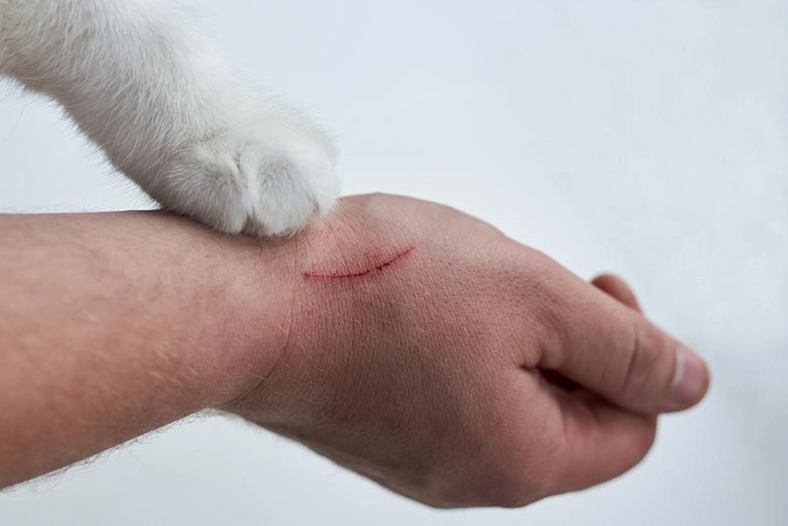 How soon after a scratch can Cat Scratch Disease symptoms appear?
There's often a delay. Symptoms of Cat Scratch Disease (like swollen lymph nodes and fever) typically appear 3-14 days after the scratch. This is why monitoring the scratch site and your general health for a couple of weeks is important, even if the scratch itself seems to be healing fine on the surface.



Leave a comment