You love your plants, and you love your dog. The moment you see your pup sniffing around your new fiddle leaf fig, your heart skips a beat. Is it safe? I've been there. For over a decade, I've helped pet owners navigate the confusing world of houseplants, and the fear of accidental poisoning is real and valid. The good news is, you don't have to choose between a green home and a safe one. This guide cuts through the noise to give you a clear, actionable list of beautiful indoor flowers that won't harm your furry friend, along with the practical know-how most articles miss.
What's Inside This Guide
Why "Non-Toxic" Isn't the Whole Story
Most lists just slap "non-toxic" on a plant and call it a day. That's a good start, but it's incomplete. The American Society for the Prevention of Cruelty to Animals (ASPCA) maintains the definitive database on plant toxicity, and it's your first stop for any plant. But here's the nuance many miss: "non-toxic" means it shouldn't cause serious illness or death. It doesn't mean it's a dog salad.
Even safe plants can cause mild stomach upset, vomiting, or diarrhea if your dog decides to make a meal of them. My friend's Labrador once ate half a "safe" spider plant. The plant was fine. The carpet was not. The real goal is to manage the environment and your dog's access, not just rely on a toxicity label.
The biggest mistake I see? Owners get a safe plant, then place it in a spot that frustrates their dog. A curious pup who can't reach a tantalizing leaf might redirect that energy into chewing shoes or digging at the carpet. Plant safety is part of overall behavioral enrichment.
10 Dog-Safe Indoor Flowers You Can Trust
This isn't just a random list. These are plants I've lived with, recommended to clients, and seen thrive in homes with dogs of all personalities. They offer variety in color, texture, and care level.
| Plant Name & Common Varieties | Key Features & Dog-Safe Note | Light & Water Needs |
|---|---|---|
| Orchids (Phalaenopsis, Oncidium) | Elegant, long-lasting blooms. Entire plant is non-toxic. The most common moth orchid is perfectly safe. | Bright, indirect light. Water when roots turn silvery (about once a week). |
| African Violets (Saintpaulia) | Compact, fuzzy-leaved plants with purple, pink, or white flowers year-round. Completely safe. | Moderate to bright indirect light. Water from the bottom to avoid leaf spots. |
| Friendship Plant (Pilea involucrata) | Textured, quilted leaves with a bronze-green hue. May produce tiny pink flowers. Harmless if nibbled. | Medium indirect light. Keep soil consistently moist but not soggy. |
| Polka Dot Plant (Hypoestes phyllostachya) | Fun, brightly spotted foliage in pink, red, or white. Can produce small purple flowers. Non-toxic. | Bright indirect light. Water when top inch of soil is dry. Pinch back to keep bushy. |
| Spider Plant (Chlorophytum comosum) | Classic, easy-care plant with arching green and white leaves. Safe, but may have a mild hallucinogenic effect on cats (not dogs). | Bright to moderate indirect light. Tolerates drought. Water when soil is dry. |
| Certain Begonias (e.g., Wax Begonia) | CAUTION: Many begonias are toxic. Stick to fibrous-rooted types like Wax Begonias (Begonia semperflorens). Always double-check the specific species with the ASPCA. | Bright light for best flowering. Water when soil surface feels dry. |
| Boston Fern (Nephrolepis exaltata) | Lush, feathery fronds. Perfectly safe and great for hanging baskets out of reach. | Medium to bright indirect light. Loves humidity. Keep soil evenly moist. |
| Hoya (Hoya carnosa 'Krimson Queen', etc.) | Waxy leaves and stunning clusters of star-shaped flowers. Entire plant is non-toxic to dogs. | Bright indirect light. Let soil dry completely between waterings. |
| Peperomia (Many varieties) | Huge family with diverse leaf shapes (watermelon, ripple, baby rubber plant). All are considered non-toxic. | Medium to bright indirect light. Water thoroughly, then let dry out. Tolerates low light. |
| Air Plants (Tillandsia) | No soil needed! Mounted on wood or in glass. Completely safe and fun to display creatively. | Bright, filtered light. Soak in water for 20-30 minutes once a week. |
See that note on Begonias? That's critical. Common tuberous begonias are toxic. This is where generic advice fails. You must know the exact type.
How to Choose and Place Plants with a Dog in Mind
Picking the plant is step one. Integrating it into your home life with a dog is step two. This is where you prevent problems before they start.
Consider Your Dog's Personality
Is your dog a chewer, a digger, or a curious sniffer? A high-energy puppy will need different management than a senior dog who just sleeps all day. For chewers, start with sturdier plants like Hoya or Peperomia, and keep more delicate ones like African Violets on high shelves.
Strategic Placement is Your Best Friend
Use height. Wall shelves, macrame hangers, and tall plant stands are your allies. Create a "green zone" in a room that can be gated off if needed. I often recommend dedicating a sunny windowsill in a less-used room as a plant sanctuary.
What about floor plants?
It's possible. A large, heavy pot with a Boston Fern can work if your dog isn't a dedicated digger. But for a known plant-muncher, it's asking for trouble. Observe your dog's interest level first.
Provide Alternatives
Dogs chew and explore. It's natural. If you say "no" to plants, give them a "yes." Have plenty of appropriate chew toys, puzzle feeders, and maybe even a patch of pet grass (wheatgrass) they are allowed to nibble. This redirects the behavior satisfyingly.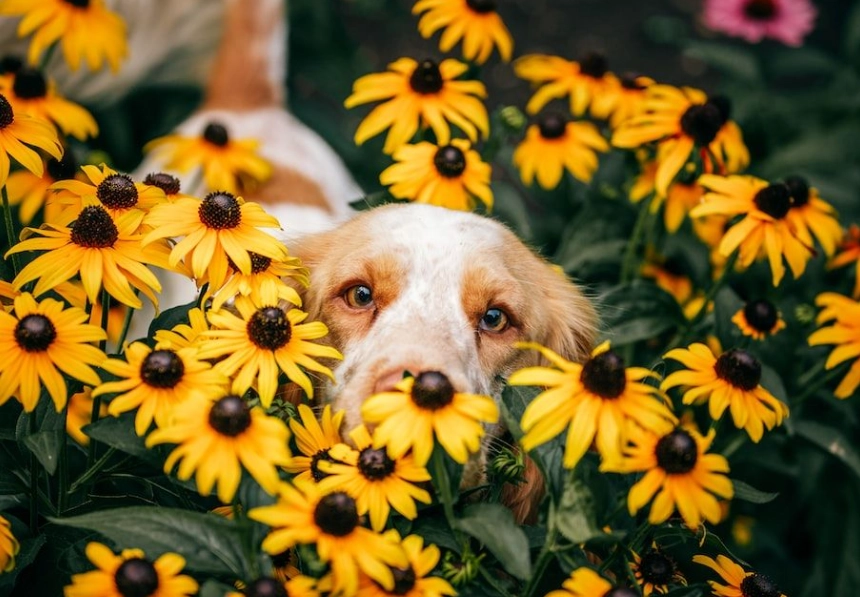
What to Do If Your Dog Eats a Plant
Stay calm. Panic helps no one. Follow these steps in order.
1. Identify the Plant. Take a photo or grab a leaf sample. If you don't know the name, use a plant ID app like PictureThis or iNaturalist immediately.
2. Call for Professional Help. Contact your veterinarian or the ASPCA Animal Poison Control Center (APCC) at (888) 426-4435 immediately. They have a fee, but it's worth it for expert, specific guidance. Have the plant name ready.
3. Do Not Induce Vomiting Unless Instructed. This can sometimes cause more harm, depending on what was ingested.
4. Monitor Your Dog Closely. Look for symptoms like vomiting, diarrhea, drooling, lethargy, or difficulty breathing. Relay these to the professional on the phone.
Time is critical. Don't wait for symptoms to appear.
Your Top Questions Answered
Are succulents like Echeveria or Haworthia safe for dogs?
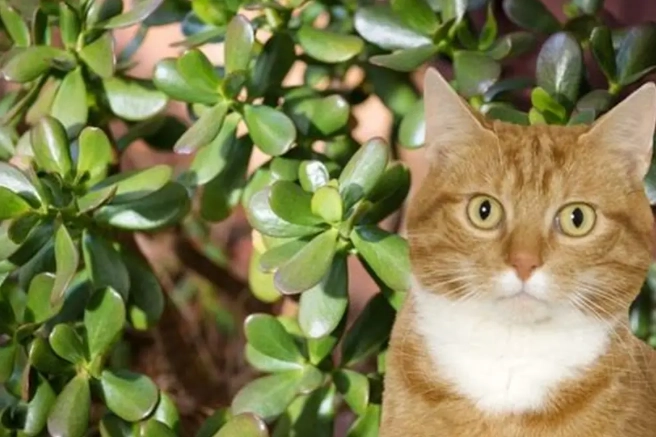
Most common succulents, including Echeveria, Sempervivum (Hens and Chicks), and Haworthia, are considered non-toxic. However, some popular ones are dangerous. Aloe Vera (can cause vomiting) and Jade Plant (Crassula ovata, causes lethargy and incoordination) are two big ones to absolutely avoid. Always verify the exact species.
My dog only chews on the dirt in the plant pot. Is that a problem?
It can be. The soil itself isn't usually toxic, but it can contain mold, fungi, or fertilizer pellets that can cause gastrointestinal upset. It's also incredibly messy. To stop this, cover the soil surface with a layer of large, smooth river rocks or pebbles. This makes digging unpleasant and protects the soil.
I've heard lavender is calming. Can I have a lavender plant indoors with my anxious dog?
This is a tricky one. The scent of lavender is often used in calming products for dogs. However, the actual lavender plant (Lavandula) is listed as mildly toxic by the ASPCA due to compounds called linalool and linalyl acetate, which can cause nausea if ingested in large amounts. I don't recommend keeping a live lavender plant within reach. Using a diffuser with a highly diluted, pet-safe lavender essential oil (in a well-ventilated room, for short periods) is a far safer way to explore aromatherapy benefits.
How can I train my dog to leave plants alone?
Use positive reinforcement. When your dog sniffs a plant but doesn't touch it, immediately praise and treat. If they go to mouth it, a firm "Leave it" followed by redirecting to a toy and rewarding that behavior works well. Consistency is key. For persistent cases, a taste deterrent spray (bitter apple) applied to the plant's pot—not the leaves—can help break the habit. Never yell or punish, as this can create anxiety around plants.
Where's the best place to buy dog-safe plants?
Local nurseries and garden centers are ideal because you can see the plant's health and often talk to knowledgeable staff. Ask them to confirm the botanical name (Latin name), as common names can be misleading. Big box stores are hit or miss—their plants are fine, but staff may not know about pet safety. Online retailers like The Sill or Bloomscape often list pet-friendly filters, but still, cross-check with the ASPCA database using the provided botanical name before purchasing.


Leave a comment