Your dog has diarrhea. You're cleaning up messes, worried about them, and searching online for answers. The internet is full of advice, but a lot of it is conflicting or overly simplistic. As someone who's been through this with multiple dogs over the years, I can tell you that "feed them chicken and rice" isn't always the magic bullet it's made out to be. Sometimes, it can even make things worse for certain dogs. This guide cuts through the noise. We'll cover exactly what to give your dog, step by step, based on the severity of their symptoms, and crucially, when you need to stop home treatment and call the vet.
Quick Guide to This Article
Your First Moves: Assess and Withhold Food
Don't just start shoving food at them. Your first job is to be a detective. Is your dog otherwise acting normal? Still playful, drinking water, and interested in treats? Or are they lethargic, hiding, or refusing water? The answer dictates your entire approach.
For an otherwise healthy adult dog with a single episode of mild diarrhea, the first thing to give them is a break. Withhold all food for 12 to 24 hours. This is not cruel—it's essential. It gives the inflamed gastrointestinal tract time to rest and reset. Think of it like hitting the reset button on an upset stomach.
Many owners panic and try to feed a big meal of "bland diet" right away. This often overwhelms the gut and leads to another messy episode a few hours later. Patience is your most important tool here.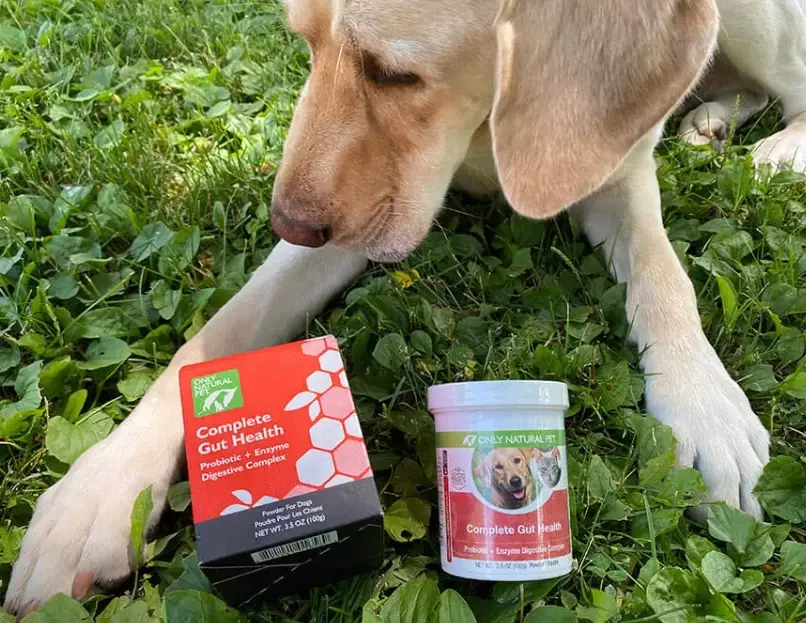
The Safe Foods List: What You Can Actually Give
After the initial fasting period (if your dog is stable), you can introduce a bland, easily digestible diet. The classic "chicken and white rice" combo works for many dogs, but it's not the only option, and the proportions matter more than people think.
Here’s a breakdown of your go-to options. I prefer a table because it lets you compare at a glance.
| Food Option | How to Prepare & Serve | Why It Works / Notes |
|---|---|---|
| Boiled Lean Protein (Chicken Breast, Turkey, Lean Ground Beef) |
Boil plain with no oil, salt, or seasoning. Shred or chop finely. Mix with a bland carbohydrate in a 1:2 ratio (protein to carb). | Provides essential protein without fat, which can irritate the gut. Ensure it's fully cooked and skinless. |
| White Rice | Cook until very soft and mushy—almost porridge-like. | Easily digestible starch that helps bind stool. Brown rice is harder to digest and should be avoided initially. |
| Plain Pumpkin (Canned) | Ensure it's 100% pure pumpkin, NOT pumpkin pie filling. Serve 1-4 tablespoons mixed into food. | A fantastic source of soluble fiber, which can help absorb excess water in the intestines and firm up stools. |
| Plain, Boiled Sweet Potato | Peel, boil until very soft, and mash. | Another great bland, fibrous carbohydrate alternative to rice, especially for dogs sensitive to grains. |
| Probiotic Supplement | Use a vet-recommended canine-specific probiotic powder or paste. Follow dosage instructions. | Helps replenish beneficial gut bacteria flushed out by diarrhea. Studies, like those cited by the American Veterinary Medical Association, support their use in managing acute diarrhea. |
| Electrolyte Solution | Offer a veterinary oral electrolyte solution or Pedialyte (unflavored). Consult your vet for dosage. | Replaces minerals and salts lost through diarrhea, crucial for preventing dehydration. |
A common mistake is making the bland diet too rich in protein. A 1:2 ratio (one part protein to two parts carb) is crucial. Too much protein too soon can be hard on a recovering system.
The Fasting Decision: When to Withhold Food Completely
Fasting isn't one-size-fits-all. Use this logic:
DO NOT FAST, CALL VET INSTEAD if: Your dog is a puppy, a senior, a small breed, has a known medical condition (like diabetes), or is already showing signs of lethargy or vomiting.
Puppies have tiny glycogen stores and can crash into hypoglycemia (low blood sugar) frighteningly fast. For them, veterinary guidance is non-negotiable.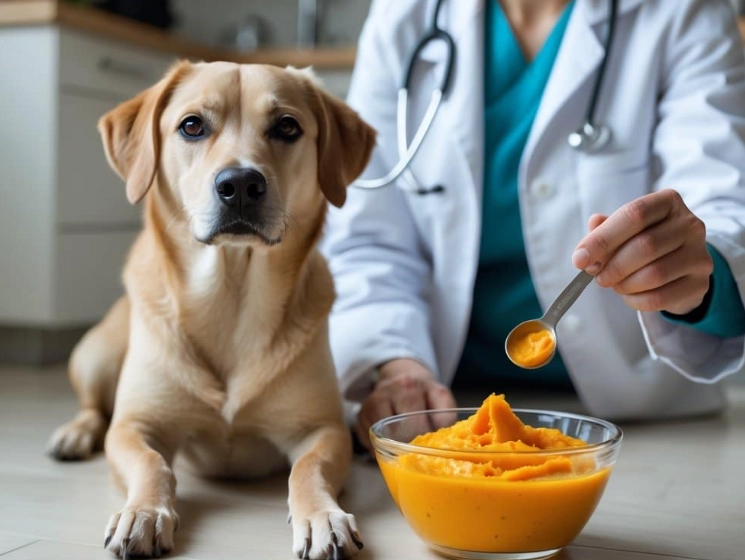
Getting Back to Normal: The Transition Plan
Once your dog's stools have firmed up on the bland diet for at least 24-48 hours, the job isn't over. A sudden switch back to regular kibble is a guaranteed way to restart the diarrhea cycle.
You need a gradual transition over 3-5 days:
Day 1-2: 75% bland diet, 25% regular food.
Day 3: 50% bland diet, 50% regular food.
Day 4: 25% bland diet, 75% regular food.
Day 5: 100% regular food.
Watch closely at each step. If the diarrhea returns, go back a step for another day or two. This process requires more patience than most people have, but rushing it is the number one reason for relapse.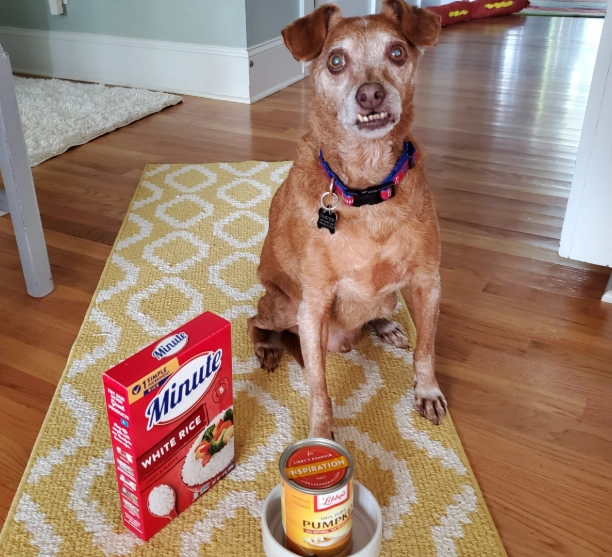
Red Flags: When It's a Veterinary Emergency
This is the most critical section. Home care has strict limits. If you see any of the following, stop searching "what to give" and start calling your vet or an emergency clinic.
- Blood in the stool: This can be bright red or dark, tarry black (digested blood). Both are serious.
- Multiple episodes of vomiting along with the diarrhea.
- Lethargy or severe weakness – your dog won't get up, seems "out of it."
- Pale or white gums (press on them – they should turn pink again within 2 seconds).
- Signs of pain: Whining, hunched back, tense abdomen.
- Diarrhea in a puppy or a very small dog – they dehydrate dangerously fast.
- No improvement after 48 hours of home treatment.
I've seen too many people wait, hoping it will pass, while their dog becomes critically dehydrated or suffers from a blockage or toxin. Trust your gut. If something feels "off," it probably is. The cost of an emergency visit is nothing compared to the guilt of waiting too long.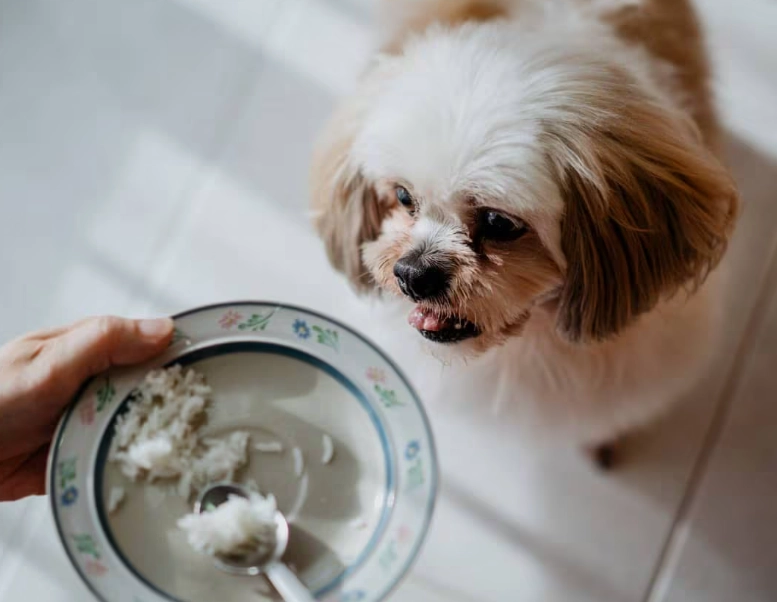
Leave a comment