You're cleaning up yet another mess, feeling that mix of worry and frustration. "Why does my dog have the runs again?" It's one of the most common issues dog owners face, and it's rarely straightforward. Sometimes it's a simple 24-hour bug, other times it's a red flag waving frantically. The key isn't panic, it's pattern recognition. Let's cut through the noise and figure out what's really going on in your dog's gut, what you can safely do at home, and—critically—when you need to drop everything and call the vet.
What's Inside: Your Quick Guide to a Healthy Pup
The Usual Suspects: Most Common Causes of Dog Diarrhea
Think of your dog's digestive system as a finely tuned, but surprisingly sensitive, machine. It doesn't take much to throw it off balance. Here's what's most likely behind the trouble.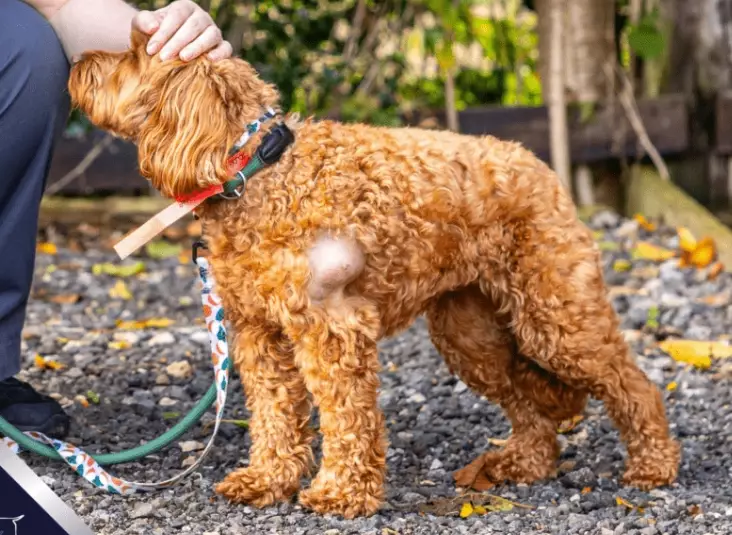
Dietary Indiscretion. This is the fancy vet term for "eating something they shouldn't have." It's the number one cause in my experience. We're talking about garbage raiding, snatching a fatty piece of bacon off the counter, or that "harmless" new treat you introduced too quickly. A sudden change in diet—even switching to a higher-quality food without a slow transition—is a classic trigger. Their gut flora just can't adjust that fast.
Parasites. Worms like roundworms, hookworms, and whipworms are common culprits, especially in puppies or dogs who sniff and lick everything outdoors. Then there's Giardia, a nasty little protozoan that loves contaminated water (puddles, ponds, even communal water bowls at the dog park). The diarrhea from Giardia often has a particularly foul smell and can be mucousy. The American Veterinary Medical Association notes that regular fecal tests are crucial for detection, as you won't always see worms in the stool.
Stress or Anxiety. We often forget this one. A big change—a new house, a new pet, a family member leaving, fireworks, even a stressful boarding stay—can literally upset their stomach. The gut-brain connection is powerful in dogs too.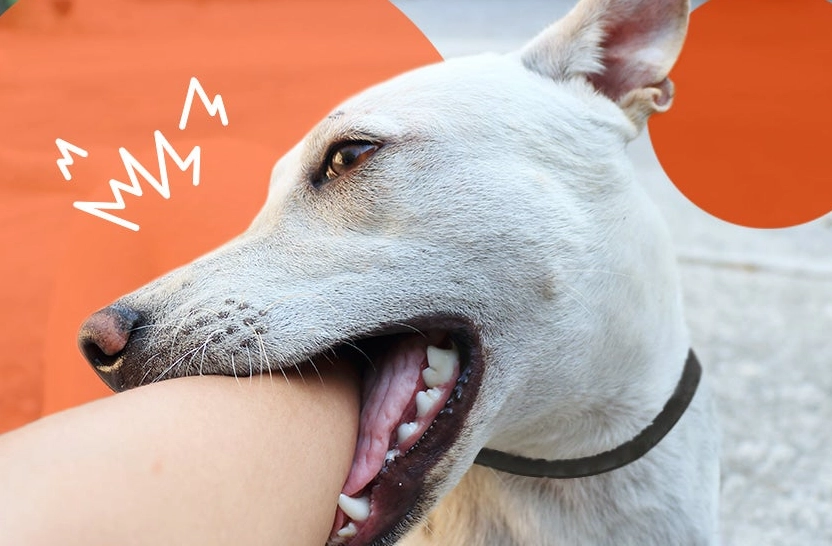
Infections. Bacterial infections (like Salmonella, E. coli) or viral infections (such as Parvovirus, which is severe and often bloody) are serious business. Parvo, in particular, is a fast-moving emergency, especially for unvaccinated puppies. Information from the Cornell University College of Veterinary Medicine stresses the importance of the parvovirus vaccine series.
Less common but important causes include food allergies or intolerances (often to proteins like chicken or beef), inflammatory bowel disease (IBD), or issues with organs like the pancreas (pancreatitis). Pancreatitis often follows a fatty meal and is painful—your dog might adopt a "praying position" with their front down and rear up.
Mild Upset or Vet Emergency? How to Tell the Difference
This is the decision point that causes the most anxiety. Use this table as your cheat sheet. When in doubt, a call to your vet is always the right move.
| Symptoms & Context | Likely Mild (Monitor at Home) | Potential Emergency (Call Vet Now) |
|---|---|---|
| Dog's General Energy | Still playful, interested in food (even if not eating), acting normally. | Extremely lethargic, weak, unresponsive, or collapses. |
| Appearance of Stool | Soft, loose, or cow-patty consistency. May be a bit mucousy. | Black and tarry (indicating digested blood), bright red blood, pure liquid, or has a strange color (orange, yellow). |
| Other Symptoms Present | Just diarrhea. Maybe a single episode of vomiting. | Repeated vomiting, especially if nothing stays down. Signs of pain (whining, tense belly, arched back). Fever. |
| Duration & Frequency | 1-2 days, with frequency slowing down. | More than 48 hours with no improvement, or sudden, violent, and frequent episodes. |
| Patient Profile | Otherwise healthy adult dog with full vaccinations. | Very young puppy, senior dog, or dog with a known chronic illness (e.g., kidney disease). Unvaccinated dog. |
The biggest red flag most people miss? Lethargy. A tired dog is one thing. A dog who won't get up to greet you, won't take a treat, or seems "out of it" is telling you the problem is systemic, not just intestinal. Dehydration sets in quickly with diarrhea, especially if combined with vomiting. Check their gums—they should be slick and pink, not tacky or pale. Gently pinch the skin at the back of their neck. If it doesn't snap back quickly, they're dehydrated.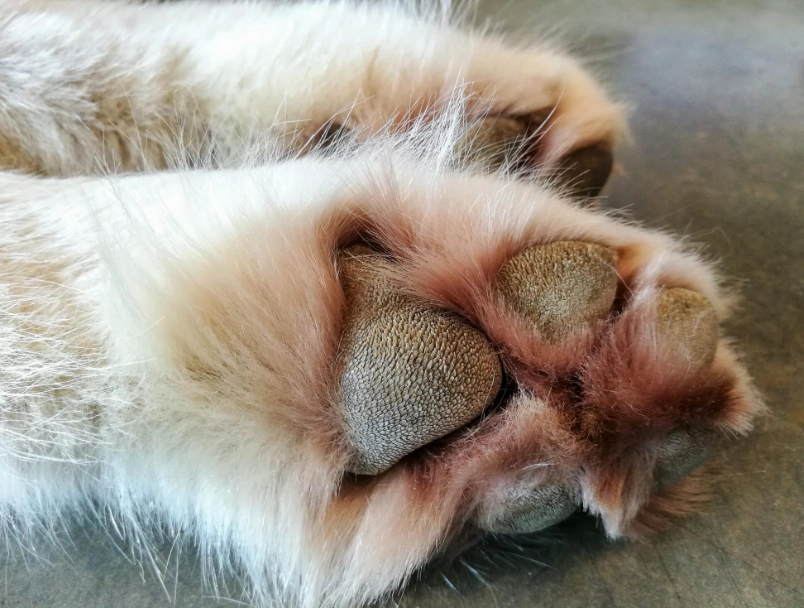
What to Do at Home: Safe & Effective Remedies
So, your dog has the runs but is otherwise okay—bright-eyed, maybe a little sorry for themselves, but not in crisis. Here's your action plan.
Step 1: The 12-24 Hour Fast. I know it feels cruel, but it's the single most effective first step. Give the inflamed gastrointestinal tract a complete rest. No food for 12-24 hours. Always provide access to fresh, clean water. If they won't drink, you can try offering ice cubes or a small amount of low-sodium chicken broth (onion and garlic-free).
Step 2: The Bland Diet Introduction. After the fast, you don't jump back to kibble. You introduce a bland, easily digestible diet. The classic is boiled white meat chicken (no skin, no bones) and plain white rice. The ratio is about 1:2 (one part chicken to two parts rice). Some dogs do better with boiled lean ground turkey or even scrambled egg (with no butter or milk).
Step 3: Probiotics. This is where many over-the-counter fixes fall short. A good canine-specific probiotic can help repopulate the good gut bacteria. Look for ones with multiple strains like Enterococcus faecium and Lactobacillus. Plain, sugar-free canned pumpkin (not pie filling) is a great source of fiber that can help firm things up. A tablespoon for medium dogs works well.
What to avoid? Human anti-diarrheal medications like Imodium (loperamide) can be dangerous for some dogs and breeds. Never give them without explicit vet instruction. Also, hold off on fatty treats, dairy, or any rich foods.
The 5-Day Bland Diet Plan: A Step-by-Step Guide
Rushing back to regular food is a guaranteed way to restart the cycle. Here's a slow transition plan I've used for years.
- Day 1-2: Feed only the bland diet (chicken & rice). Offer small meals 3-4 times a day. Think about ¼ of their normal meal size per serving.
- Day 3: Mix 75% bland diet with 25% of their regular kibble.
- Day 4: Go 50/50 bland diet and regular food.
- Day 5: Mix 25% bland diet with 75% regular food.
- Day 6: If stools are firm and normal, you can return to 100% regular food.
If at any point the diarrhea returns, go back a step in the plan for another day or two. Patience is everything here.
Stopping It Before It Starts: Prevention Tips
A little foresight saves a lot of cleanup. Most episodes are preventable.
Be a Food Transition Nazi. When changing foods, take 7-10 days. Start with 25% new food mixed with 75% old for 3 days, then 50/50 for 3 days, then 75% new/25% old before the full switch.
Manage the Scavenger. If your dog is a garbage hound, get a locking trash can. On walks, be vigilant—the "leave it" command is worth its weight in gold. I've seen dogs get sick from eating moldy nuts, discarded chicken bones, and even sugar-free gum (which contains xylitol, a deadly toxin).
Parasite Control is Non-Negotiable. Keep up with monthly heartworm prevention, as many also cover common intestinal parasites. Get annual fecal exams. Bring a water bottle and bowl to the dog park instead of using the communal one.
Know Your Dog's Triggers. If your dog gets stress-diarrhea before car rides, talk to your vet about a safe calming aid or supplement. Fast them for a few hours before travel. Create a predictable routine.
Your Top Questions, Answered
This is the classic "wait and see" scenario. A happy, energetic dog with loose stools is likely dealing with a minor dietary hiccup. Implement the 12-hour fast and bland diet protocol. If the diarrhea resolves within 24-48 hours and their energy stays high, you've likely managed it successfully. The concern starts if it persists beyond two days, even if they seem fine, as it could indicate a low-grade parasite or other issue.
Probably not. You likely switched too fast. Even moving from a low-quality to a high-quality food is a shock to the system if done abruptly. The new protein sources, fat content, and fiber levels all require an adjustment period. Go back to the old food (or the bland diet) until stools normalize, then re-attempt the transition using the slow 7-10 day method outlined above. Their gut needs time to build the right enzymes and bacteria for the new diet.
Look for the stressor. Did it start right after a thunderstorm, a house guest arrived, or you went back to the office? Stress-related diarrhea often appears suddenly in conjunction with a known anxiety trigger and may resolve just as quickly once the trigger is gone. If you can't link it to a specific event, or if it continues after the stressful period ends, it's time to rule out medical causes. Stress can also lower the immune system, making them more susceptible to bugs, so the line can blur.
Some are, many are under-dosed or contain strains not proven effective for dogs. The key is the CFU count (colony-forming units) and the strain diversity. A product with 1-5 billion CFUs of strains like Lactobacillus acidophilus and Bifidobacterium animalis is a good start. However, for acute diarrhea following antibiotics or a severe bout, ask your vet for a prescription-strength probiotic—they are far more potent and targeted. The store-bought ones are better for daily maintenance than crisis intervention.
This is a zero-tolerance zone for guessing. Parvovirus is a swift and deadly threat to puppies. While puppies can have sensitive stomachs, any diarrhea in an unvaccinated or partially vaccinated puppy must be treated as a potential parvo emergency until proven otherwise. The hallmarks of parvo are profound lethargy, loss of appetite, fever, and often foul-smelling, bloody diarrhea. Do not wait. Call your vet immediately and describe the symptoms. Their vaccination status and your description will determine if they need to be seen urgently. It's always better to be the overcautious puppy parent in this scenario.
Dealing with a dog with diarrhea is messy and worrying, but it's almost always manageable with the right knowledge. Listen to your dog—their energy level is your best barometer. When simple care doesn't turn things around quickly, your veterinarian is your partner. A quick call can often give you peace of mind or the direction you need to get your furry friend back to their happy, healthy self.


Leave a comment