Quick Guide to Key Sections
- What Exactly Is Heat Exhaustion? (It's More Than Just Being Hot)
- The Complete List of Heat Exhaustion Symptoms in Dogs
- Which Dogs Are at Highest Risk? (It's Not Just Brachycephalic Breeds)
- Your Step-by-Step First Aid Guide for Suspected Heat Exhaustion
- How to Prevent Heat Exhaustion in Dogs (It's Easier Than You Think)
- Common Questions About Heat Exhaustion in Dogs
It happened to me once. A typical summer afternoon, and my usually energetic Labrador, Max, was just... off. He was lying on the cool tiles, panting so hard his whole body shook. I thought, "It's just a hot day, he's fine." But that gut feeling told me it was more. I was lucky I acted fast—what I was seeing were the classic, early heat exhaustion dogs symptoms. Many owners aren't so lucky, and by the time they realize what's happening, it's a full-blown, deadly crisis.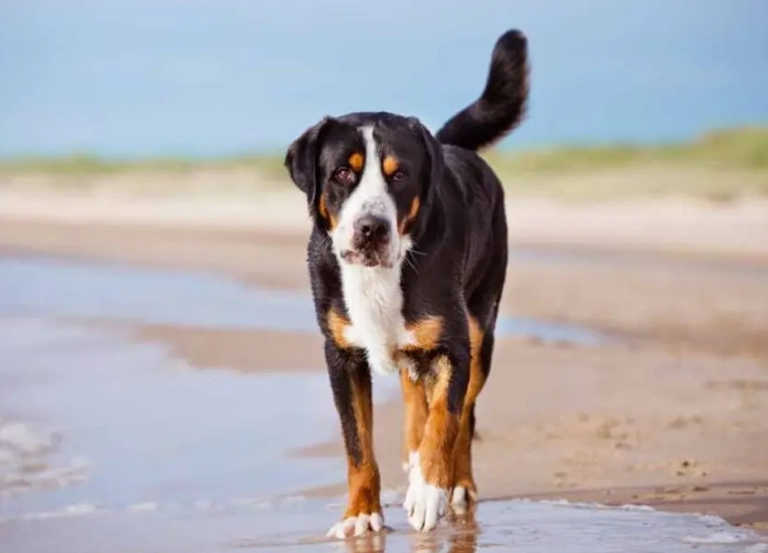
Let's cut to the chase: heat exhaustion and heat stroke kill dogs every single summer. It's not a rare thing. And the worst part? It's almost always preventable. The difference between a scary moment and a tragic outcome often comes down to one thing: knowing exactly what to look for. This isn't about scaring you; it's about empowering you. I've talked to vets, read through guidelines from places like the American Veterinary Medical Association (AVMA), and learned from my own close call. This guide is everything I wish I'd known that day with Max.
What Exactly Is Heat Exhaustion? (It's More Than Just Being Hot)
People toss around terms like "overheated" and "heat stroke" interchangeably, but there's a crucial progression. Think of it as a dangerous slope.
Heat exhaustion is the body's warning phase. Your dog's internal temperature is rising (usually between 103°F and 106°F / 39.4°C and 41.1°C). His body is working overtime—panting like crazy, circulating blood to the skin—to try and cool down. He's in distress, but his systems are still functioning. This is your critical window to intervene.
Heat stroke is the catastrophic failure that comes next. The body's cooling mechanisms collapse. Temperature soars above 106°F (41.1°C). This causes damage to the brain, intestines, kidneys, and blood clotting systems. It can be fatal shockingly fast. The American Animal Hospital Association (AAHA) categorizes heat-related illness as a major summer danger for pets.
Here’s a quick breakdown of the difference. Spotting the shift from the first column to the second is literally a life-saving skill.
| Aspect | Heat Exhaustion (Early-Mid Stage) | Heat Stroke (Late Stage / Emergency) |
|---|---|---|
| Core Temperature | 103°F - 106°F (39.4°C - 41.1°C) | >106°F (>41.1°C) |
| Mental State | Restless, anxious, whining | Dull, confused, unresponsive, collapse, seizures |
| Panting | Extremely heavy, rapid | May become erratic or stop entirely (very bad sign) |
| Gums | Bright red, dry | Dark red, purple, blue, or pale; very dry/sticky |
| Capillary Refill Time | Maybe slightly slow (2+ seconds) | Very slow or absent (>3 seconds) |
| Outcome with Intervention | Usually excellent with prompt cooling | Guarded to poor; risk of permanent organ damage or death |
See that? The line is thinner than you think. Your job is to never let your dog cross from the left column to the right.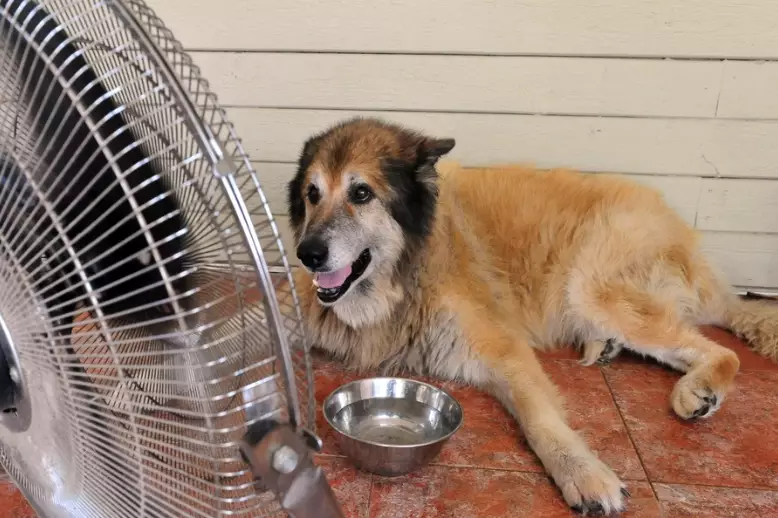
The Complete List of Heat Exhaustion Symptoms in Dogs
Dogs can't tell us they feel dizzy or nauseous. They show us. The symptoms of heat exhaustion in dogs are a language you need to learn. I've broken them down into stages because time is everything here.
Early Warning Signs (Act Now!)
These are the subtle hints. Your dog might still be walking, maybe even wanting to play, but his body is sounding the alarm. Missing these is easy, especially if you're out on a walk and distracted.
- Excessive, Frantic Panting: This is the number one sign. Not normal panting, but panting that seems uncontrollable, loud, and involves the whole belly. The tongue may be hanging out unusually far.
- Seeking Cool Surfaces: He'll plop down on tile, in a dirt hole, or against a cold wall and be reluctant to move.
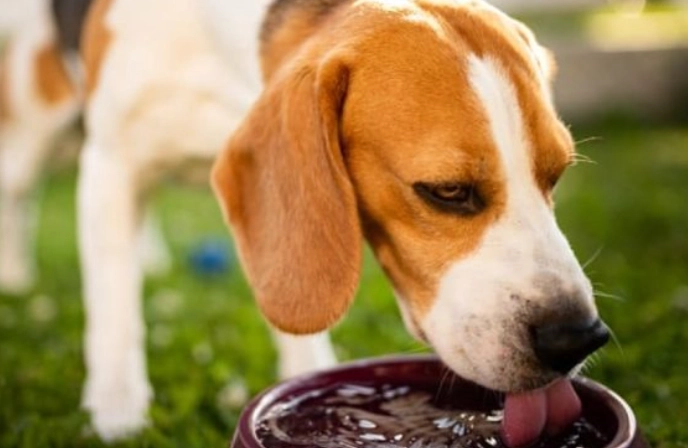
- Increased Thirst and Drooling: You might notice thick, ropey saliva. Or he'll drain his water bowl and look for more immediately.
- Mild Lethargy or Restlessness: A weird combo. He might seem tired but can't get comfortable, pacing a bit then lying down, then getting up again.
- Bright Red Gums and Tongue: Gums should be a healthy bubblegum pink. In early heat stress, they can turn a startling bright red as blood vessels dilate to release heat.

Progressing Symptoms (Danger Zone)
If the early signs are ignored, things escalate quickly. This is full-blown heat exhaustion. The dog's system is starting to struggle.
- Heavy, Labored Breathing: Panting may start to sound wet or gurgly. You might see the chest heaving dramatically.
- Rapid Heart Rate: You can often feel their heart pounding if you place your hand on their chest behind the front leg.
- Glazed Eyes & Disorientation: They may seem dazed, stumble a little, or not respond to their name as quickly.
- Dry, Sticky Gums: As dehydration kicks in, the saliva dries up. Run your finger over the gums—they should be slick, not tacky.
- Vomiting or Diarrhea: This is a big red flag. It can sometimes be bloody as the gut lining gets damaged.
- Weakness/Staggering: The back legs might seem wobbly, or they might sit/ lie down and refuse to get up.
Spotting these symptoms of heat exhaustion in your dog means you are in a race against the clock. Immediate first aid is non-negotiable.
Severe/Emergency Symptoms (This is Heat Stroke)
This is the point of system failure. Every second counts. If you see these, first aid is happening on the way to the emergency vet.
- Collapse or Inability to Stand
- Seizures
- Loss of Consciousness
- Gums Turning Blue, Purple, or Pale (indicating lack of oxygen or shock)
- Noisy, Difficult Breathing or Cessation of Panting (the body is shutting down)
Which Dogs Are at Highest Risk? (It's Not Just Brachycephalic Breeds)
Sure, every article mentions Pugs and Bulldogs. Their squashed faces make cooling a nightmare. But the risk profile is wider than that. I think focusing only on "smush-face" dogs gives other owners a false sense of security.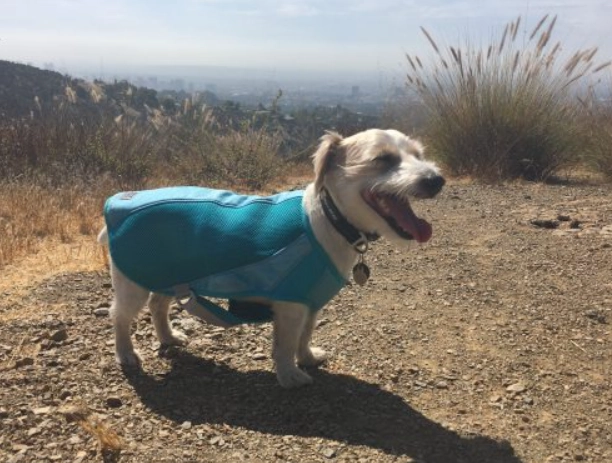
High-Risk Candidates:
- Brachycephalic Breeds: Bulldogs (French and English), Pugs, Boston Terriers, Boxers, Shih Tzus. Their anatomy is a perfect storm for heat exhaustion symptoms.
- Northern & Thick-Coated Breeds: Huskies, Malamutes, Newfoundlands, Samoyeds. That gorgeous coat is like wearing a winter parka in July.
- Overweight & Elderly Dogs: Extra fat is insulation, and older bodies regulate temperature less efficiently.
- Dogs with Heart, Lung, or Airway Disease: Any pre-existing condition that affects breathing or circulation reduces their cooling capacity.
- Very Young Puppies: Their temperature regulation systems aren't fully developed.
- Any Dog Not Acclimated to Heat: That springer spaniel who lives in air conditioning 24/7 is at risk the first 80-degree day.
But here's a personal opinion: the absolute highest-risk dog is the one owned by someone who says, "He'll be fine, he loves the car!" or "We only parked for a minute." Attitude is the biggest risk factor of all.
Your Step-by-Step First Aid Guide for Suspected Heat Exhaustion
Okay, you've spotted the signs. Panic is the enemy. Action is the friend. Follow these steps in order. I've based this on vet recommendations from sources like the Cornell University College of Veterinary Medicine.
- Move to Shade & Stop All Activity: Get them out of the sun immediately. Carry them if you have to. No more walking.
- Start Cooling, But Do It RIGHT:
- Use Cool (NOT Ice-Cold) Water. Icing a hot dog causes blood vessels to constrict, trapping heat inside. Lukewarm or cool tap water is perfect. Pour it over their body, especially the neck, armpits, and groin.
- Wet Towels: Apply soaked towels to those same areas (armpits, groin). Don't drape a towel over them—it traps heat. Place it under them on a cool surface.
- Airflow is Key: Turn on a fan or air conditioning. Evaporation is a powerful cooler.
- Offer Small Amounts of Cool Water to Drink: Don't let them gulp a gallon, which can cause vomiting. Let them sip small amounts.
- Check Rectal Temperature if Possible: This is the gold standard. If you have a digital thermometer and are comfortable, lubricate it and gently insert about an inch. Stop active cooling when their temperature reaches 103°F (39.4°C). Continued cooling after that can lead to dangerous hypothermia.
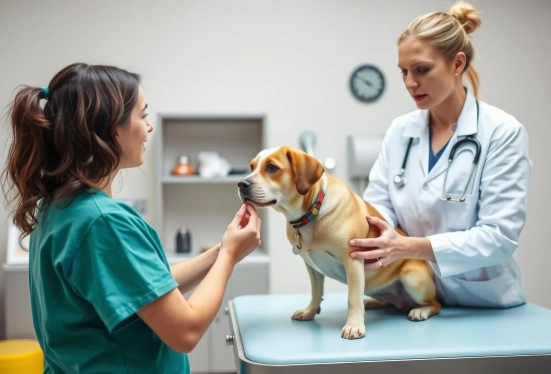
- Call Your Vet or Emergency Clinic, Even If They Seem Better: This is critical. Internal damage can happen even after they appear recovered. They may need IV fluids and monitoring. Describe the dog heat exhaustion symptoms you saw.
How to Prevent Heat Exhaustion in Dogs (It's Easier Than You Think)
Treatment is a nightmare. Prevention is simple, cheap, and 100% in your control. Let's talk about real-world strategies that go beyond "don't leave them in a hot car." (Which, by the way, never do. On an 85°F day, a car's interior can hit 102°F in 10 minutes, even with windows cracked.)
Walk Smart:
- Time it Right: Early morning or late evening only. Test the pavement with the back of your hand—if it's too hot for you to hold for 7 seconds, it's burning their paws.
- Shorten & Slow Down: Ditch the long, brisk walks. Opt for shorter, sniff-heavy strolls.
- Bring Water & Take Breaks: Carry a collapsible bowl and water. Stop in the shade frequently.
Home & Yard Setup:
- Always Have Shade & Water: If they're outside, shade must be available all day as the sun moves. Multiple water bowls in different spots.
- Cooling Mats & Vests: These are fantastic. The mats don't need refrigeration, and vests can be soaked in water. My dog lives on his cooling mat in summer.
- Kiddie Pool: A $15 plastic pool filled with a few inches of water is a backyard paradise for many dogs.
- Keep Them Inside on Brutal Days: Air conditioning is the best prevention tool ever invented.
Grooming Matters: Don't shave your double-coated dog (like a Husky) down to the skin. That undercoat provides insulation. Instead, get a professional de-shedding treatment to remove the dead undercoat. For other breeds, a summer trim is helpful, but leave at least an inch of fur for sun protection.
Common Questions About Heat Exhaustion in Dogs
I get these questions all the time from other dog owners. Let's clear them up.
It can be shockingly fast. In a hot car or during intense exercise on a humid day, it can progress to a critical stage in under 30 minutes. Humidity is a killer because it stops panting (evaporation) from working.
Yes, you should at least call. I know the emergency vet is expensive (a major user pain point, frankly). But heat exhaustion can cause delayed complications like kidney failure or abnormal clotting hours later. A vet check ensures there's no hidden damage. It's the cost of peace of mind versus a potential catastrophic bill later.
Absolutely. Stoic breeds or older dogs might not show dramatic panting until they're in deep trouble. That's why knowing all the symptoms—the lethargy, the red gums, the seeking cool spots—is so important. Don't wait for collapse.
The "skin tent" test is a good home check. Gently pinch the skin on the back of their neck or between their shoulder blades. In a well-hydrated dog, it should snap back immediately. If it retracts slowly or forms a "tent," they are dehydrated. Also check those gums—they should be wet and slick.
A fan alone is often not enough for dogs. They don't sweat like we do. A fan works best when combined with moisture—like misting your dog with cool water or having them lie on a damp towel in front of the fan. The evaporation is what does the cooling.
The Bottom Line: Be a Vigilant Owner
Summer should be fun for you and your dog. Knowing the landscape of heat exhaustion dogs symptoms lets you enjoy it without fear. It boils down to this: think for your dog. They'll chase the ball until they drop. They'll lie in the sun because it feels good, not knowing it's cooking them. It's your job to be the brains of the operation.
Pay attention to more than just panting. Watch their energy, their eyes, their gum color. When in doubt, err on the side of caution. Get them cool, get them water, and get them checked out.
After my scare with Max, I became a bit of a heat-obsessed owner. I plan our day around the temperature, I've invested in cooling gear, and I never, ever ignore that first hint of excessive panting. It's a small price to pay for his goofy, panting grin waiting for me every day. I want you to have that, too, for years to come.

Leave a comment