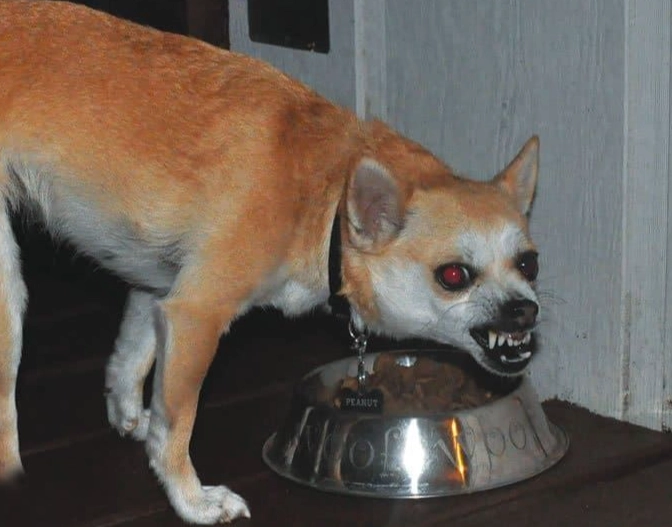
You see the stiffening of the body, the low growl when you get near the food bowl, the side-eye over a favorite toy. That's resource guarding. It's a common canine behavior, but it's not distributed equally across all dogs. If you're asking which dogs are most prone to resource guarding, the short answer is: breeds with strong genetic drives to work, possessiveness, or independence often top the list. But breed is just the starting point—it's the interaction of genetics, history, and environment that creates the perfect storm for guarding behavior.
I've worked with hundreds of dogs showing guarding tendencies, from mild grumbles to serious snaps. The most frustrating cases weren't with the typical "guardy" breeds, but with small companion dogs where owners dismissed the warning signs as "cute" until someone got nipped. Understanding the predisposition is the first step to prevention and management.
What You'll Find in This Guide
Breeds With the Highest Propensity to Guard Resources
Based on behavioral studies, veterinary behaviorist caseloads, and my own experience, certain breed groups show up more frequently. The American Kennel Club's breed groups offer a useful framework. Remember, individual variation is huge. A well-socialized dog from a "high-risk" breed may never guard, while a poorly managed Labrador might.
The Terrier Group: Born to Possess and Protect
Terriers were bred to hunt, kill, and possess small game. That "possess" part is key. A Jack Russell with a rat isn't sharing. This translates directly to toys, food, and even spaces like beds or couches.
Common culprits: Jack Russell Terrier, Cairn Terrier, West Highland White Terrier, Staffordshire Bull Terrier. Their guarding is often intense, vocal, and quick to escalate. Owners of small terriers often mistake serious guarding for "spunk." It's not spunk; it's a genetic blueprint saying "this is mine."
Herding Breeds: Controlling Valued Resources
Herding dogs control movement. When applied to objects or food, this control instinct morphs into guarding. They might not just guard from you, but also herd other pets away from a prized item.
German Shepherds, Australian Shepherds, and Border Collies are frequent flyers. With herders, the guarding can be subtle at first—a deliberate body block, a fixed stare—before escalating. Their intelligence means they learn quickly that growling makes the threat (you) go away, reinforcing the behavior.
Guardian & Working Breeds: A Job to Do
Breeds like the Rottweiler, Doberman Pinscher, and Akita were selected for guarding property and, historically, resources. This genetic inclination doesn't disappear in a family home. Their guarding is often more serious due to their size and power.
A mistake I see often is people getting a "protective" breed and then being surprised when it protects its bone from them. The dog is doing what its genes suggest. The severity here makes early intervention non-negotiable.
The Surprising Candidates: Dachshunds and Cocker Spaniels
Small doesn't mean safe. Dachshunds (another hunting breed) are notoriously possessive. Studies, including one referenced by the ASPCA on canine behavior, have noted a higher incidence of resource guarding in certain spaniel lines as well. Cocker Spaniels, in particular, have a historical reputation for "sudden onset" aggression that often links back to undiscovered guarding triggers.
Why Breed Matters (And When It Doesn't)
Breed gives us clues about a dog's hardwired instincts. A retriever is soft-mouthed, a pointer freezes, and a terrier grabs and shakes. Resource guarding is just another instinctual behavior pattern that was useful for survival. Knowing your dog's breed history helps you anticipate and channel these instincts appropriately.
But here's the part most articles miss: breed is less predictive than the dog's individual history. A rescue dog with a history of scarcity—street life, competition in a shelter, or simply inconsistent feeding—is a prime candidate for resource guarding, regardless of breed. A once-starved Golden Retriever can guard as fiercely as any terrier.
The environment you create matters more than DNA. Do you have multiple pets that compete? Do you sometimes take things away abruptly? Does your dog have high-value chews it never wants to end? These are the real triggers.
Practical Steps to Manage and Reduce Guarding
Knowing the prone breeds is academic without knowing what to do. This isn't about "dominance" or showing who's boss. It's about changing your dog's emotional response. Here's a framework that works.
Step 1: Manage the Environment (The Most Important Step)
Stop the rehearsal. If your dog guards bones, don't give high-value bones in open spaces. Use crates or separate rooms. Feed dogs separately if there's tension. Pick up toys when not in supervised play. Management isn't failure; it's safety and prevention. I tell clients to think of it like childproofing for a dog's behavior.
Step 2: The "Trade-Up" Game
This is the cornerstone of treatment. You need to teach your dog that you approaching its treasure predicts something even better, not loss.
- Start with a low-value item your dog has. Toss a fantastic treat (like chicken) near it. Do not reach for the item. Repeat.
- Gradually, toss the treat closer to you, so the dog must leave the item briefly to get it.
- Eventually, you can offer the treat in your hand, and as the dog takes it, calmly pick up the low-value item. Give the item back immediately along with more praise/treats.
The goal is "you get my thing, I get something awesome AND my thing back." This reverses the classic fear.
Step 3: Teach a Solid "Drop It" and "Leave It"
These are emergency brakes, not the primary solution. Train them with positive reinforcement in calm moments, starting with boring items. Never use these cues in the heat of a guarding episode until they are rock-solid and the dog's emotional state has improved through trading.
A personal case: I worked with a resource-guarding Australian Cattle Dog mix. The owner's mistake was constantly practicing "leave it" with the dog's favorite ball, which just built frustration. We switched to the trade-up game with the ball, and within weeks, the dog was voluntarily bringing the ball to the owner, hoping for a trade. The emotional shift was everything.
When to Call a Professional
If there's been a bite, if the growling/snapping is intense, or if you feel unsafe, hire a certified professional. Look for a Certified Professional Dog Trainer (CPDT-KA) or a Veterinary Behaviorist (DACVB). Avoid anyone who recommends alpha rolls, scruffing, or other confrontational methods. They will make it worse.
Your Questions on Resource Guarding, Answered
My puppy started growling over chews at 6 months. Is this normal guarding or a phase?
It's a critical developmental phase, not something to ignore. Adolescence is when genetic tendencies and newfound confidence often surface. It's the perfect time to start the trade-up game proactively. Nipping it in the bud now is far easier than dealing with a hardened adult behavior. Don't punish the growl—it's a warning. If you punish it, the dog may skip the warning and go straight to a bite next time.
Can resource guarding be completely cured?
"Cured" is the wrong word. Think of it like managing an allergy. You can achieve excellent control and safety through training and management, but the underlying predisposition often remains. A former guarder might be perfectly safe 99% of the time, but I'd still be cautious giving them an ultra-high-value item in a stressful situation. The goal is a safe, predictable dog, not a dog with its instincts erased.
 My dog only guards from our other dog, not from people. What does that mean?
This is inter-dog resource guarding and is extremely common. It's a major cause of fights in multi-dog homes. The management principles are the same: separate during high-risk times (meals, chews, favorite toys). You need to train each dog separately using the trade-up method to build positive associations with your presence around items. Reintroducing shared space around resources should be done with extreme care, if at all. Sometimes, lifelong management (separate feeding, no shared high-value toys) is the safest and kindest solution.
Are some resources more commonly guarded than others?
Absolutely. Food and food-related items (bowls, chews, bones) are number one. But dogs can guard anything they perceive as high-value: stolen items (socks, trash), prized toys, spaces (beds, couches, crates), and even people. A dog guarding a person is often exhibiting possessive behavior, not "loyalty." The guarding target tells you what your dog values most highly in that moment.
So, what dogs are most prone to resource guarding? Breeds with strong possessive, hunting, or guarding genetics have a head start. But the real answer lies in the individual dog's history and your home environment. By understanding the why—fear of loss—you can move beyond breed stereotypes and use positive, safe methods to build trust. Start with management, play the trade-up game, and don't hesitate to get professional help if the situation feels beyond your control. A dog that trusts you with its treasures is a safer and happier companion.

Leave a comment