You've found the perfect breed, you're ready with supplies, and now you're staring at the breeder's email: "Puppies ready at 8 weeks." But you've also heard some trainers say 12 weeks is better. Which is right? The truth is, there's no single "better" age. The best choice hinges on your lifestyle, experience, and what happens during those four critical weeks between 8 and 12 weeks of age. As someone who's worked with hundreds of new puppy owners, I've seen the fallout from both rushed 8-week adoptions and poorly managed 12-week holds. Let's cut through the noise and look at what really matters.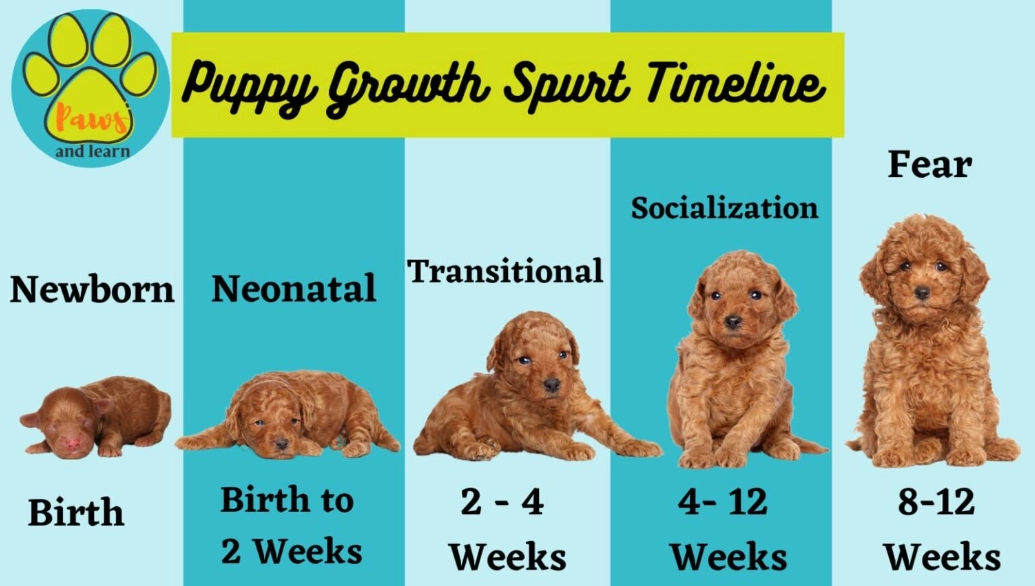
What You'll Learn in This Guide
The Critical Socialization Window: It's Not What You Think
Everyone throws around "socialization period ends at 12-16 weeks." That's from the American Veterinary Society of Animal Behavior. But here's the nuance most miss: the primary window for forming positive associations with novel experiences peaks around 12-14 weeks. The weeks from 8 to 12 are the most sensitive part of that window.
Think of it like this. An 8-week-old puppy is a blank slate, highly impressionable. A 12-week-old puppy has had four more weeks of life experience. That experience can be good, bad, or neutral.
So the question shifts from "8 or 12 weeks?" to "What will the puppy experience between 8 and 12 weeks?" That's the real deciding factor.
The Hidden Curriculum: Bite Inhibition From Littermates
This is the single biggest argument I hear for keeping puppies until 12 weeks, and it holds a lot of water. Between 8 and 12 weeks, puppies learn bite inhibition primarily from their littermates and mother. When one bites too hard, the other yelps and stops playing. It's a powerful, immediate feedback loop.
Bringing a puppy home at 8 weeks means you become their primary teacher for bite inhibition. This is absolutely doable, but it requires consistency and patience many first-time owners underestimate. You'll be the one yelping "ouch!" and ending play.
A puppy who stays with littermates until 12 weeks often comes home with a noticeably softer mouth. They've had more practice understanding that hard bites make fun stop. For families with young children, this can be a major advantage, reducing scratched hands and frustrated tears in the first few weeks.
8-Week vs 12-Week Puppy: A Side-by-Side Look
| Consideration | Bringing Home at 8 Weeks | Bringing Home at 12 Weeks |
|---|---|---|
| Primary Socialization Agent | You. You control every new experience from day one. | Breeder first, then you. You inherit their work (good or bad). |
| Bite Inhibition Training | Starts from scratch with you. Expect sharper needle teeth and more frequent mouthing. | Littermates have provided foundational lessons. Mouthing is often softer. |
| House Training Progress | Bladder is tiny (≈1 hour hold). You start from zero. | Breeder may have started on pee pads/outside. Bladder control is slightly better. |
| Vaccination Status | Usually has first shots. High risk for Parvo/etc. Ground carrying is advised. | Often has 2nd set of shots. Slightly more immune protection, but vet guidance still critical. |
| Bonding & Attachment | You are the primary attachment figure from a very young age. | May initially miss littermates/breeder. Adjustment period can be smoother or rougher. |
| Ideal For | Committed first-timers with time, experienced owners, those wanting max bonding time. | Busy households, families with kids, first-time owners wanting a slight "head start." |
The Breeder's Role: Your Make-or-Break Factor
Deciding on 12 weeks is meaningless if your breeder isn't elite. A responsible breeder keeping puppies longer isn't just feeding them. They're running a puppy preschool. Here's what they should be doing, based on standards from organizations like the American Kennel Club:
- Structured Socialization: Introducing puppies to different floor surfaces (tile, wood, carpet), household appliances (vacuum on in another room), people of different ages/appearances, and gentle handling of paws, ears, and mouth.
- Early Crate & Pen Training: Getting them comfortable being alone in a safe space for short periods, preventing severe separation anxiety later.
- Basic Habit Foundations: Starting on pee pad or dog door training, encouraging chew-toy use, and discouraging inappropriate biting.
- Health Management: Administering deworming and vaccinations on schedule, with clear records for your vet.
If a breeder just says "we can keep them longer for a fee" but can't detail their enrichment program, you're likely paying for four weeks of kennel time, which is worse than bringing the puppy home at 8 weeks.
Making the Right Choice for Your Real Life
Stop thinking about the "ideal" and start auditing your actual situation.
Choose the 8-week route if: You work from home or have generous leave. You're prepared for the intense, round-the-clock schedule of a newborn puppy (think midnight potty breaks, constant supervision). You're excited about being the sole architect of their early experiences. You've puppy-proofed a safe space and have a plan for safe socialization (like carrying them to friends' houses, puppy classes in clean facilities).
Lean towards 12 weeks if: You have a busy household with kids and need a puppy with a slightly sturdier bladder and softer bite from day one. You're a first-time owner and the idea of teaching everything from absolute zero is daunting. Most importantly, you have vetted a breeder who provides a documented enrichment program during the extra weeks. You also need to be ready for a potentially larger, stronger puppy who may test boundaries more assertively.
I once advised a young couple, both nurses with shifting schedules, to opt for a 12-week puppy from a breeder who did fantastic crate training. Those extra weeks of learning to settle alone meant the puppy adapted to their unusual hours without the destructive screaming common in 8-week adoptees placed in similar situations. The age wasn't the magic; the specific training during that age was.
Your Puppy Adoption Questions Answered
 Can a 12-week-old puppy still bond with me as strongly?
So, is it better to get a puppy at 8 weeks or 12 weeks? It depends almost entirely on the bridge between those two points. An 8-week-old puppy from an engaged breeder, going to a prepared owner, can have a stellar start. A 12-week-old puppy from a breeder who invested in those extra weeks can give a busy family a fantastic launchpad. The worst-case scenario is a puppy from either age who missed out on thoughtful, early life experiences. Your job isn't to pick a magic number. It's to ensure that wherever your puppy spends those formative early weeks, they're learning the lessons that will make them a confident, well-adjusted member of your family.




Leave a comment