You're finally settled in bed, drifting off, when it starts. The rhythmic push-push-push of little paws on your stomach, arm, or that one tender spot on your thigh. Your cat is kneading, and it's 11 PM. Why now? Is it love, instinct, or just a weird cat quirk? As someone who's lived with cats for over a decade and fostered dozens, I can tell you the midnight kneading session is a complex cocktail of feline emotions and biology. It's not random, and understanding it can actually improve your sleep—and your relationship with your cat. Let's cut past the simple "it's a leftover kitten behavior" explanation and dive into what's really going on in that furry head.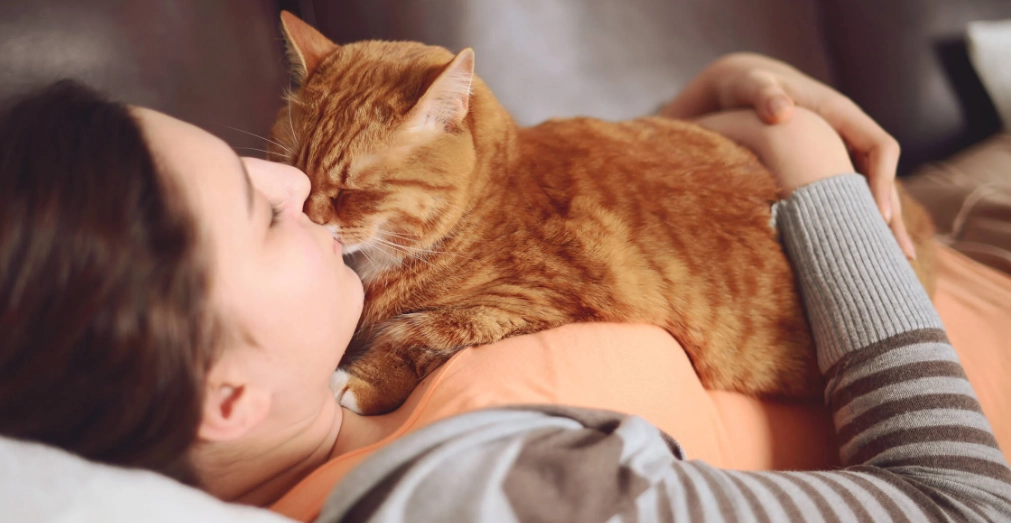
What You'll Discover in This Guide
The 7 Core Reasons Your Cat Kneads (Especially on You)
Most articles list three or four reasons. After years of observation, I've found the motivations are more nuanced. Here’s the complete breakdown.
1. The Comfort Blanket: Ultimate Relaxation Mode
This is the big one. Kneading releases endorphins. When your cat settles in for the night with you, they're in their safest, most relaxed state. The repetitive motion is self-soothing, like a child sucking their thumb. My old cat, Mochi, would only knead right before he fell into a deep sleep, his purrs syncing with his paws. It's a sign they've fully let their guard down.
2. Scent Marking: "You Are MY Human"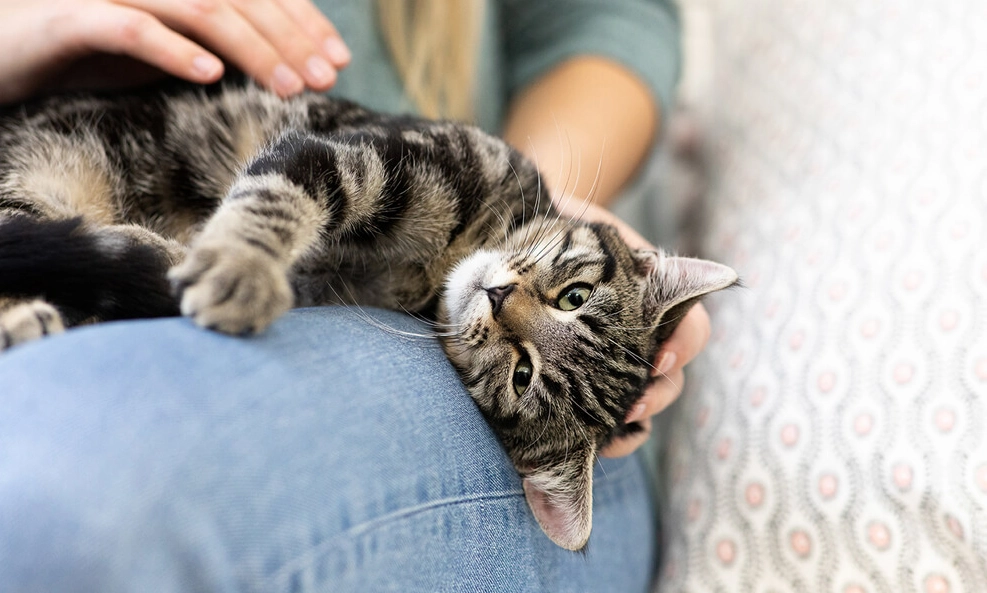
Cats have scent glands in their paw pads. When they knead you, they're mixing their scent with yours. At night, in the quiet and dark, this bonding ritual feels more intense. They're essentially claiming you as part of their colony. It's less about territory and more about creating a communal, familiar scent profile that says, "We belong together."
3. Nesting Instinct: Making a Safe Bed
This stems from kittenhood, but it's not just a memory. The instinct to soften a resting place is hardwired. Your blanket (and you) are the modern equivalent of tall grass or a leaf pile. They're making their—and your—sleeping spot perfect. I've noticed this is stronger in cats who were weaned a bit early or had uncertain early lives.
4. Seeking Attention & Initiating Interaction
Sometimes, it's straightforward. Your cat wants pets, food, or just for you to wake up and acknowledge them. Nighttime kneading can be an effective alarm clock. They've learned that this specific action on your body gets a reaction, even if it's just you shifting position or mumbling their name.
5. Stretching and Muscle Maintenance
Don't overlook the physical. Cats sleep for long hours. That period of rest before a long night's sleep or upon waking up is prime time for stretching those toe beans, flexing the claws, and working the muscles in their shoulders and legs. Your soft body provides excellent resistance.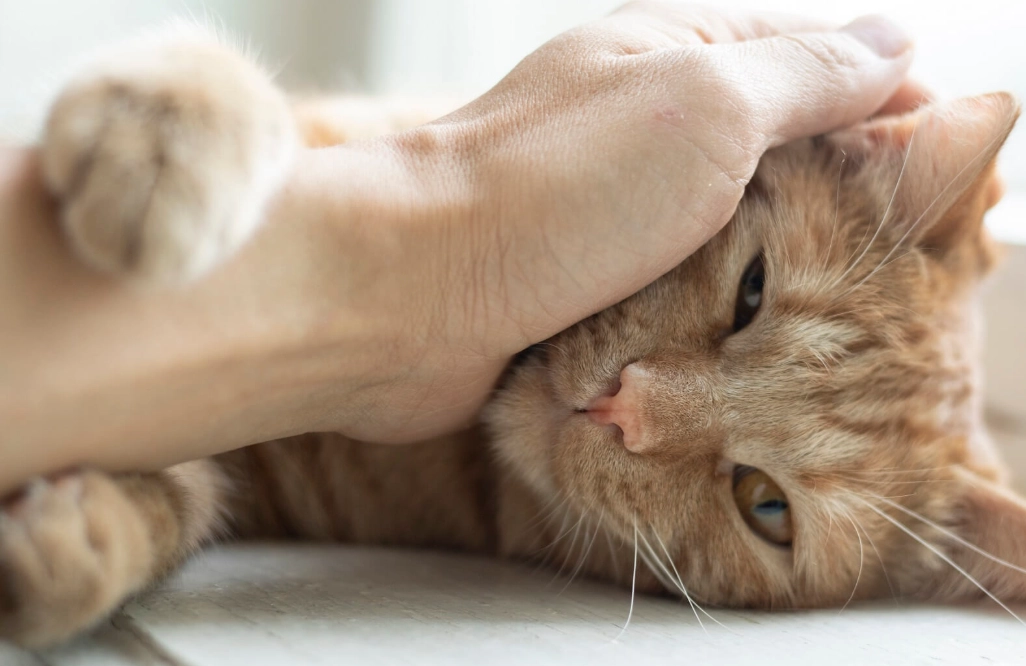
6. Display of Contentment and Trust
This is the emotional layer. A cat won't knead if they feel stressed or unsafe. The fact they choose to do this vulnerable, rhythmic activity on you while you're both vulnerable (asleep) is a huge compliment. It's a non-verbal "I'm happy here with you."
7. Pain or Discomfort (The Less Common Cause)
This is the one most guides miss. In rare cases, repetitive kneading in one spot, especially if paired with other changes like lethargy or vocalization, can indicate discomfort, like arthritis. The pressure might temporarily relieve an ache. It's not the first assumption, but it's worth keeping in the back of your mind if the behavior is new and intense.
Why Nighttime is Prime Kneading Time
So why does this often happen just as you're trying to sleep? The environment and routine create the perfect storm.
Quiet and Calm: The house is still. The day's chaos is over. Your cat's world shrinks to the safe bubble of your bedroom, lowering their inhibitions for affectionate behaviors.
Your Undivided Attention (Sort Of): You're stationary, in bed, not distracted by screens or chores. You are, in their view, finally available for bonding.
Routine and Ritual: Cats are creatures of habit. If kneading at bedtime led to cuddles once, it becomes part of the sleep ritual. They're creatures of association.
Crepuscular Activity Spike: Cats are most active at dawn and dusk. That evening energy surge might manifest as affectionate kneading rather than zoomies.
How to Respond: A Practical Guide for Tired Cat Owners
You love your cat, but you also love sleep. Here’s a tiered approach based on your goal.
| Your Goal | What To Do | What To Avoid |
|---|---|---|
| Enjoy the Bonding (You don't mind the kneading) |
Keep a soft blanket or throw on the bed for them to knead. Gently pet them along their cheeks and chin to reinforce the positive moment. Just relax and soak in the trust. | Sudden movements that might startle them. Letting them knead directly on thin pajamas if their claws are sharp. |
| Reduce Discomfort (The claws are the problem) |
Regular claw trims are non-negotiable. Place a thick, plush blanket between you and the cat. Redirect their paws to a dedicated kneading blanket next to you. | Pushing them away angrily. This can confuse and hurt them, as they're expressing affection. Never declaw. |
| Gently Discourage the Behavior (It's disrupting your sleep) |
Consistently and calmly lift them off you and place them on their own bed or blanket beside you. Say a soft, firm "time for sleep." Reward them with treats in the morning for sleeping in their spot. | Giving any attention—positive or negative—when they knead on you at night. Even saying "no" is interaction. Complete, boring neutrality is key. |
| Address Underlying Causes (The behavior is new or obsessive) |
Increase daytime play and enrichment. Evaluate for stress (new pet, moved furniture). Ensure their own sleeping areas are ultra-cozy. In persistent cases, consult your vet to rule out pain or anxiety. | Ignoring a sudden, drastic change in behavior. Assuming it's "just being a cat" when it might be a signal. |
The biggest mistake I see? Inconsistency. Letting them knead one night because you're too tired to move, then getting frustrated the next. Cats thrive on predictability. Pick a strategy and stick with it for at least a week.
When Nighttime Kneading Might Signal a Problem
Most kneading is benign. Watch for these red flags that warrant a closer look or a vet visit: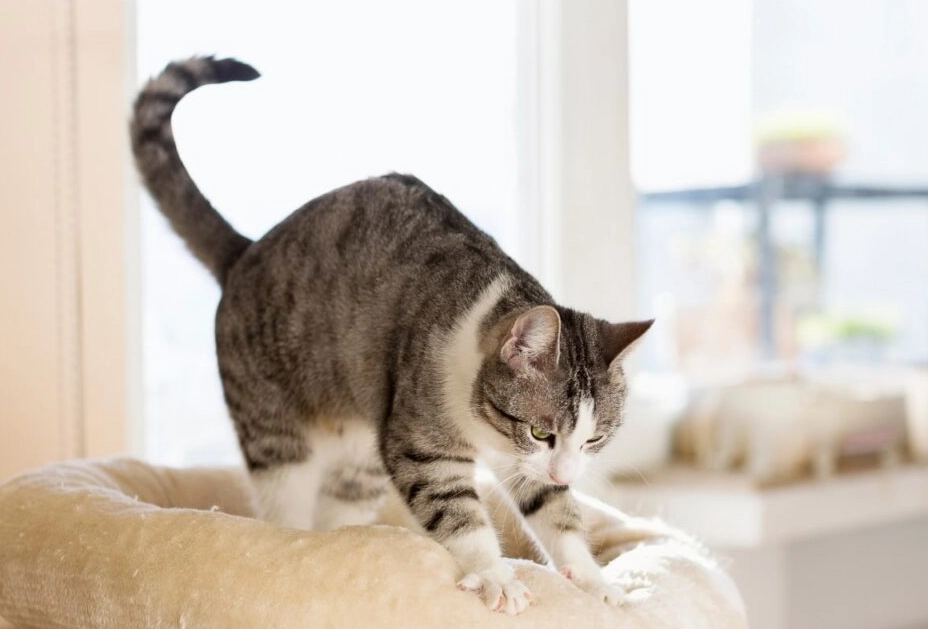
Excessive Drooling: Some cats drool a bit when blissed out. But if it's a flood of saliva every time, it could indicate a dental issue or nausea.
Focus on One Specific Spot: If they're obsessively kneading one area of their own body or yours, it could point to localized pain or discomfort.
Accompanied by Agitation: If the kneading seems frantic, not rhythmic and relaxed, and is paired with restlessness or crying, it might be anxiety-driven.
Sudden Onset in an Older Cat: A brand new kneading habit in a senior cat is more notable than a lifelong trait. It's worth mentioning at their next check-up.
According to resources from the International Cat Care organization, changes in repetitive behaviors can sometimes be linked to underlying welfare issues. It's about knowing your cat's normal.
Your Midnight Kneading Questions, Answered
 How can I stop my cat from kneading my sensitive stomach or chest at night?
At the end of the day, that nighttime kneading is a window into your cat's inner world. It's a behavior woven from instinct, comfort, and communication. While it can be annoying when you're desperate for sleep, understanding the "why" makes it easier to manage with empathy. Try viewing it not as a sleep disruption, but as a final, purring message before you both drift off: "All is well. We're safe here together." Then, maybe, gently guide them to their own pillow.





Leave a comment