Let's be honest, dogs explore the world with their mouths. A sniff in the garden can quickly turn into a chew on a leaf or flower. The problem is, many of the most common and beautiful plants we keep in our homes and yards are quietly poisonous to dogs. From the classic Easter lily to the humble daffodil, these toxic flowers can cause anything from a mild upset stomach to kidney failure and even death. I've seen too many panicked calls from new dog owners who had no idea their bouquet was a hazard. This guide isn't just a list of bad plants. It's a practical walkthrough of what to watch for, what to do in an emergency, and how to build a beautiful space that's safe for your entire family, paws included.
What's Inside This Guide?
Why Do Dogs Even Eat Toxic Plants?
It's a myth that animals instinctively avoid poisonous plants. Puppies and curious dogs are especially at risk. They might chew out of boredom, because a fluttering leaf triggers their prey drive, or simply to soothe teething gums. Sometimes, they drink water from a vase containing cut lilies, which is equally dangerous. The biggest mistake I see is owners thinking, "My dog would never eat that." It's not about intent; it's about opportunity and canine curiosity.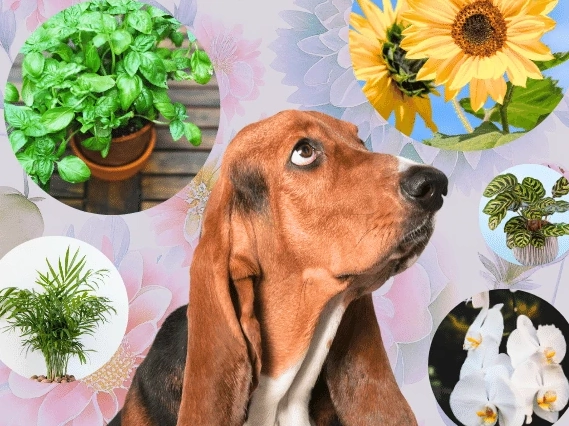
Top Toxic Flowers Inside Your Home
Cut flowers and houseplants pose a year-round risk. Here are the most dangerous ones you're likely to bring indoors.
1. Lilies (Lilium and Hemerocallis species)
This is the big one. True lilies (like Easter, Tiger, Asiatic, and Daylilies) are extremely toxic to cats, and dangerous to dogs as well. Every part of the plant is poisonous—petals, leaves, stem, pollen, even the water in the vase. For dogs, ingestion typically causes severe gastrointestinal upset. The real, often under-reported danger? If a dog gets pollen on its coat and then grooms itself, it ingests the toxin.
2. Sago Palm (Cycas revoluta)
Often used as an ornamental houseplant, the Sago Palm is highly toxic. All parts are poisonous, but the seeds (nuts) are the most concentrated. Ingestion can lead to vomiting, diarrhea, seizures, and liver failure. The ASPCA Animal Poison Control Center reports it as one of the most severe plant poisonings.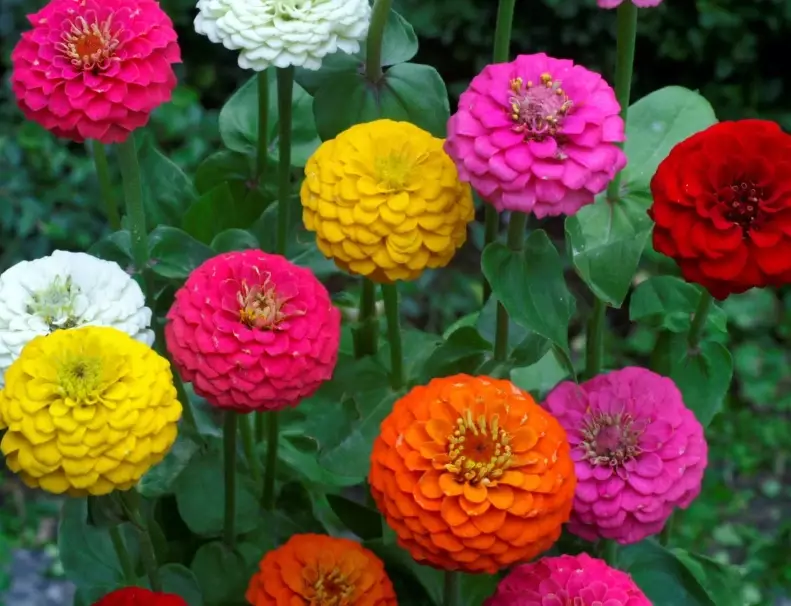
3. Chrysanthemums (Mums)
A fall favorite, mums contain pyrethrins, which are used in some insect repellents. For dogs, eating the flower can cause drooling, vomiting, diarrhea, and lack of coordination. It's usually not fatal, but it's a very unpleasant experience for your pet.
| Common Indoor Plant | Toxic Parts | Primary Symptoms in Dogs | Toxicity Level |
|---|---|---|---|
| Peace Lily | All parts, especially leaves | Oral irritation, excessive drooling, vomiting, difficulty swallowing | Moderate |
| Pothos (Devil's Ivy) | Leaves and stems | Oral irritation, vomiting, difficulty swallowing | Moderate |
| Aloe Vera | Latex (inner leaf gel is generally safe) | Vomiting, diarrhea, lethargy, tremors | Mild to Moderate |
| Amaryllis | Bulb is most toxic, also leaves/stem | Vomiting, depression, diarrhea, abdominal pain, tremors | Moderate |
Common Garden & Yard Hazards
Your backyard can be a minefield. Spring bulbs, flowering shrubs, and common landscaping plants often hide dangers.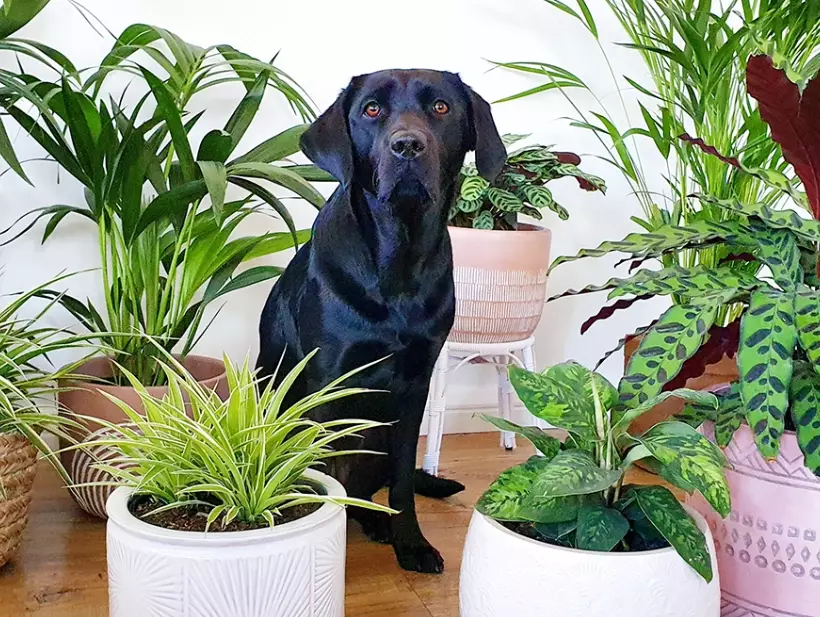
A Critical Point Many Miss: Toxicity isn't always immediate. Some plants, like those causing kidney failure (e.g., lilies for cats), have a delay before symptoms show, by which time significant damage may have occurred. Never adopt a "wait and see" approach.
| Common Outdoor Flower/Plant | Toxic Parts | Primary Symptoms in Dogs |
|---|---|---|
| Azalea/Rhododendron | All parts | Vomiting, diarrhea, drooling, weakness, coma, potentially fatal |
| Daffodils/Narcissus | Bulbs are most toxic, also leaves/flowers | Severe vomiting, diarrhea, abdominal pain, cardiac arrhythmias |
| Foxglove | Leaves, seeds, flowers | Cardiac arrhythmias, vomiting, diarrhea, weakness, death |
| Hydrangea | Flower buds, leaves | Vomiting, diarrhea, depression |
| Oleander | All parts, extremely toxic | Severe vomiting, slow heart rate, hypothermia, potentially fatal |
| Tulips & Hyacinths | Bulbs most toxic | Intense vomiting, depression, diarrhea, drooling |
My Dog Ate a Toxic Plant: Immediate Steps
Stay calm. Panic helps no one. Follow these steps in order.
- Step 1: Remove your dog from the plant. Prevent further ingestion.
- Step 2: Identify the plant. Take a clear photo or bring a sample with you. This is crucial for the vet.
- Step 3: Do NOT induce vomiting unless instructed by a professional. For some toxins or if the dog is already vomiting, this can cause more harm.
- Step 4: Call for help immediately. Contact your veterinarian, an emergency vet clinic, or a pet poison helpline. In the US, the ASPCA Animal Poison Control Center (888-426-4435) or the Pet Poison Helpline (855-764-7661) are vital resources (note: a consultation fee may apply). Have your dog's weight, approximate amount ingested, and the plant name ready.
Time is critical. Don't browse the internet for 30 minutes trying to match symptoms. Make the call.
How to Create a Dog-Safe Garden
You don't have to live in a concrete yard. Plenty of stunning plants are perfectly safe.
Beautiful & Safe Flower Alternatives
For Sun: Snapdragons, Roses (watch for thorns), Sunflowers, Zinnias, Petunias, African Violets (for pots).
For Shade: Impatiens, Boston Ferns, Spider Plants.
Herbs (great for borders): Basil, Rosemary, Thyme, Sage.
My personal strategy? Raised garden beds or tall, sturdy pots for more delicate plants, and creating a dedicated, dog-friendly digging zone with soft soil to distract from flower beds.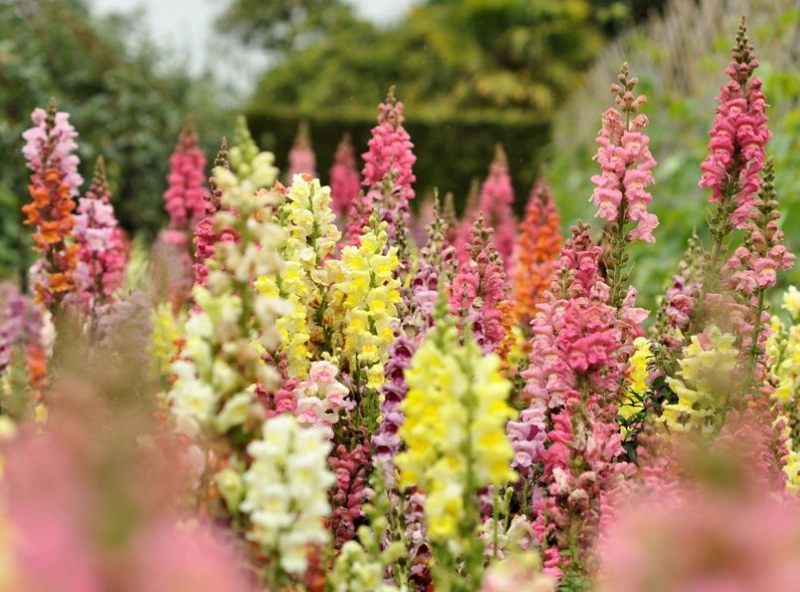
Your Top Questions Answered
The bottom line is simple: knowledge is your best tool. Print out a list of toxic plants and stick it on your fridge. Before you buy a new houseplant or plant a bulb, do a quick check. A little precaution lets you and your furry friend enjoy a beautiful, green home without the hidden worry.





Leave a comment