Your dog's paws are their connection to the world. They absorb shock, provide traction, regulate temperature, and are packed with sensory nerves. Yet, most owners only think about them when there's a limp or a lick. That's a reactive approach, and it often means your dog has been uncomfortable for a while. Proactive paw care is simple, takes minutes, and can prevent a world of hurt—and vet bills. After years of fostering dogs with neglected feet and managing my own active dog's adventures, I've learned that the common advice often misses the subtle signs and practical hacks that make all the difference.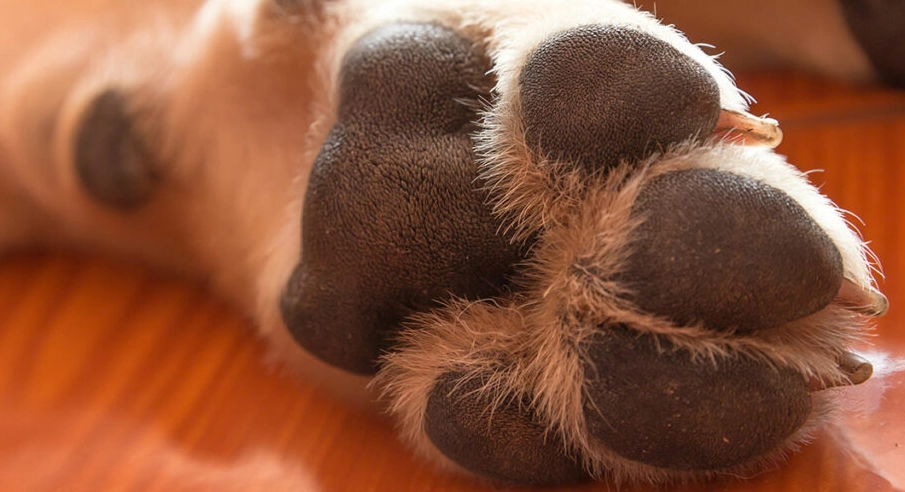
Paw Points: What's Inside This Guide
- How to Perform a Thorough Paw Check at Home
- The Right Way to Clean and Dry Muddy or Sandy Paws
- Nail Trimming Without the Drama: Angle and Frequency Matter
- Seasonal Paw Hazards: Summer Burns and Winter Ice
- Handling Common Paw Injuries: Cuts, Cracks, and Foreign Objects
- Your Dog Paw Care Questions, Answered
How to Perform a Thorough Paw Check at Home
Make this a weekly ritual, maybe during a calm cuddle session. Don't just glance—feel and look.
Start with the pads. Run your thumb over the main pad and the smaller toe pads. They should feel like tough, smooth rubber. You're checking for three things:
- Dryness or cracking: This isn't just cosmetic. Deep cracks can harbor bacteria and are painful.
- Foreign objects: Tiny pebbles, bits of glass, or plant material like foxtails can get wedged between pads.
- Color changes: Unusual redness, dark spots, or pale areas can indicate irritation or circulation issues.
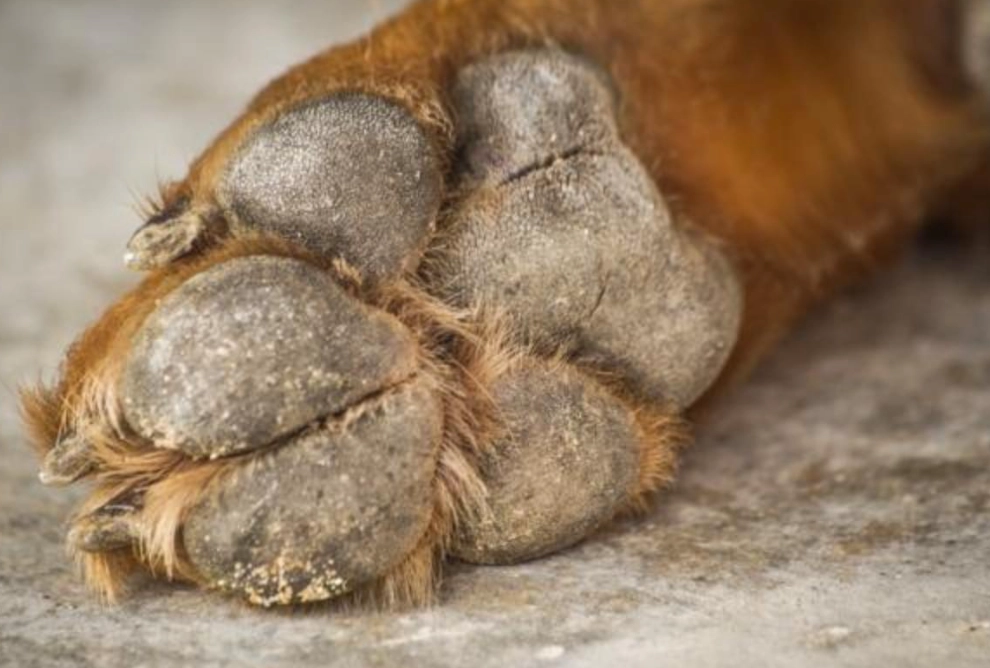
Now, spread the toes. This is the most overlooked step. Gently push the toes apart. The webbing and skin between the toes is a hotspot for moisture, yeast infections (which smell cheesy), and embedded objects. Look for redness, swelling, or discharge.
Check the nails and dewclaws. Listen for a clicking sound on hard floors—that's a sure sign they're too long. Ensure the dewclaws (those thumbs higher up the leg) aren't curling back into the skin. I once fostered a dog whose neglected dewclaw had grown a full circle into his leg. It's more common than you think.
Finally, feel up the leg. Run your hand up from the paw to the wrist (carpus). Feel for any swelling, heat, or tenderness that might indicate a sprain higher up.
The Right Way to Clean and Dry Muddy or Sandy Paws
A quick wipe with a towel isn't enough, especially in winter with road salt or summer with irritating pollens.
The 3-Step Wash Routine
Keep a shallow basin and a dedicated paw towel by the door.
1. The Rinse: Use lukewarm water in the basin. Don't use a high-pressure hose sprayer directly on the pads—it can force debris deeper into small cuts. Gently place the paw in the water and swish it around.
2. The Clean: For general dirt, a dog-specific shampoo or even just water is fine. For salt, chemicals, or sticky substances, use a mild, unscented dog shampoo to break them down. Massage between the toes. Avoid human soap—it's too harsh and drying.
3. The Dry: This is critical. Pat dry thoroughly with an absorbent towel, paying special attention between the toes. Lingering moisture is the primary cause of interdigital dermatitis (inflamed skin between toes). A hairdryer on the cool, low setting can help, but keep it moving and at a distance to avoid burning.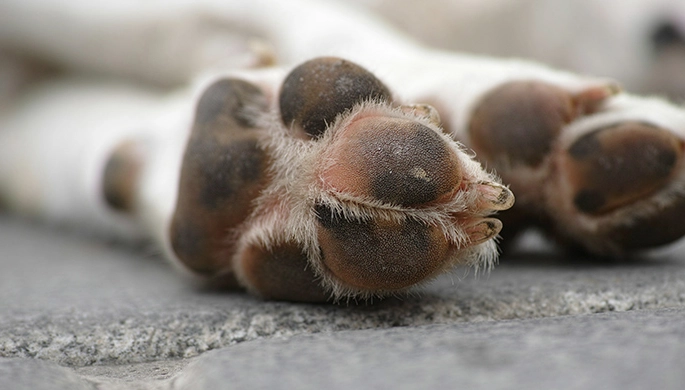
Nail Trimming Without the Drama: Angle and Frequency Matter
Most people dread this. The biggest mistake I see is cutting straight across, which can pinch the quick (the sensitive blood vessel inside).
Instead, hold the clipper at a 45-degree angle, following the natural curve of the nail from top to bottom. Make several small clips rather than one big one. Look for the chalky white center—as you get closer to the quick, you'll see a grayish or pinkish oval appear. Stop before you reach it.
If you do nick the quick, don't panic. Have styptic powder or a cornstarch paste ready. Apply firm pressure for a minute. It looks dramatic but usually isn't serious. The fear from this experience is what makes dogs hate nail trims, so go slow.
How often? For most dogs, every 3-4 weeks. If you hear clicking, you've waited too long. Long nails alter a dog's gait, putting stress on their joints—it's not just about aesthetics.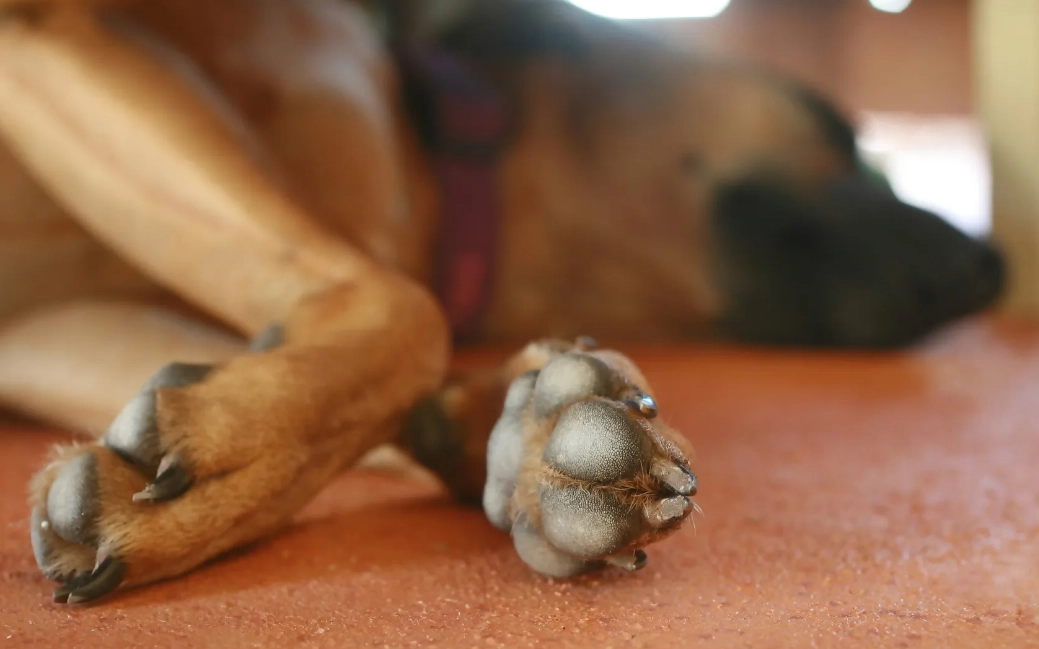
Seasonal Paw Hazards: Summer Burns and Winter Ice
Paw pads are tough, but they have limits. Extreme temperatures are a major threat.
Summer Asphalt and Sand
The "7-second rule" is a good start: place the back of your hand on the pavement. If you can't hold it for 7 seconds, it's too hot for your dog's paws. But here's a more precise guide based on air temperature:
| Air Temperature | Asphalt Temperature (approx.) | Risk to Paw Pads | Action Plan |
|---|---|---|---|
| 77°F (25°C) | 125°F (51°C) | Painful, risk of burn | Walk on grass, test surface first. |
| 86°F (30°C) | 135°F (57°C) | Skin destruction in 60 seconds | Early morning/late evening walks only. |
| 95°F (35°C) | 145°F (63°C) | Severe burn in seconds | Avoid walks on pavement entirely. |
Hot sand at the beach is just as dangerous. Consider dog booties for hot surfaces. Let your dog get used to them indoors first. If they absolutely won't tolerate boots, a quality paw balm (like Musher's Secret) can provide a protective barrier, though it won't insulate against extreme heat.
Winter Ice, Salt, and Antifreeze
Ice can cut pads, and rock salt is highly irritating and toxic if ingested during licking. Antifreeze puddles are lethal.
Post-walk ritual is key: Wash and dry paws thoroughly to remove all salt and chemical residues. Booties are excellent for winter too. For dogs that go bare-paw, trimming the hair between the toes can prevent ice ball formation. Apply a protective balm before going out to minimize salt contact with the skin.
Handling Common Paw Injuries: Cuts, Cracks, and Foreign Objects
You'll likely deal with one of these at some point. Here's what to do.
Minor Cuts or Abrasions: Clean gently with a saline solution or dilute chlorhexidine (ask your vet for a proper dilution). Pat dry. Apply a thin layer of antibiotic ointment specifically labeled for dogs. Human ointments with pain relievers like hydrocortisone can be toxic if licked. Use a breathable sock or bootie to prevent licking and keep dirt out for a few hours. Monitor for signs of infection (increased redness, swelling, pus).
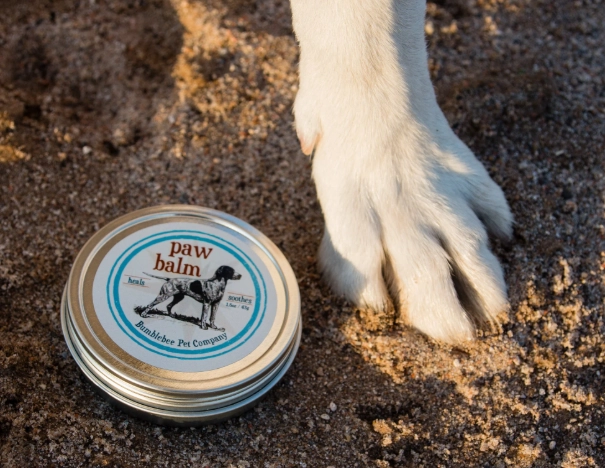
Dry, Cracked Pads: Don't use human lotion. It's often too greasy, contains fragrances, and encourages licking. Use a dog-specific paw balm or wax with natural ingredients like beeswax, shea butter, and vitamin E. Apply a thick layer at night when your dog is sleepy, so it has time to soak in. Consistency matters—apply daily until healed, then 2-3 times a week for maintenance.
Foreign Object (like a thorn or glass shard): If it's superficial and you can see it clearly, use clean tweezers to pull it out in the direction it entered. If it's deep, embedded, or your dog is in extreme pain—go to the vet. Don't dig around. Foxtails are particularly nasty as they migrate inward; these always require veterinary attention.
Sudden, Excessive Licking or Chewing: This is a major red flag. It could be pain, an allergy (environmental or food-related), an infection, or even anxiety. Don't just put on a cone. Investigate the paw thoroughly and see your vet to get to the root cause. A common but overlooked trigger is contact allergy from lawn chemicals.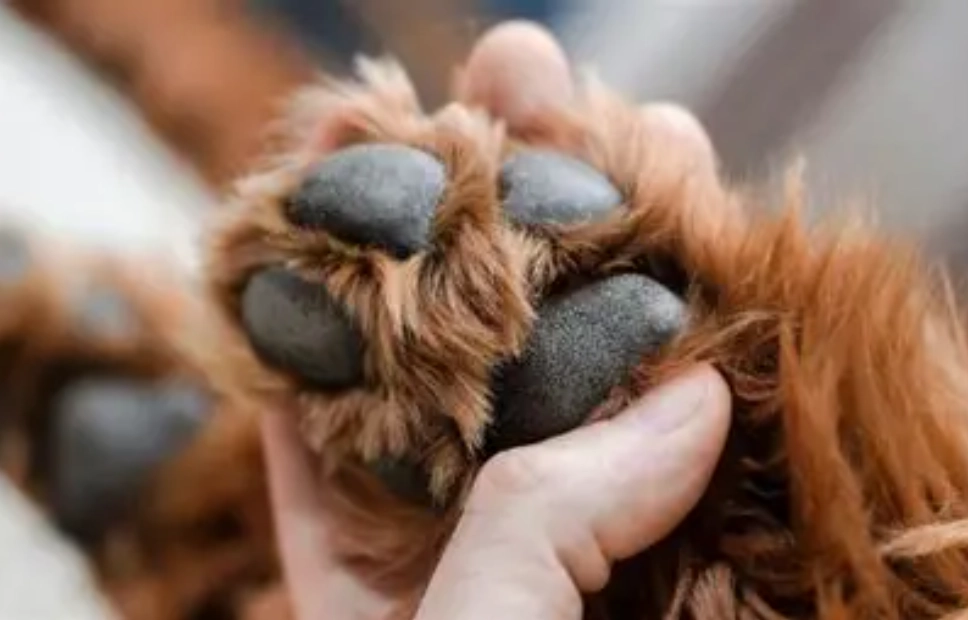
Your Dog Paw Care Questions, Answered
Can I use Vaseline or coconut oil on my dog's dry paws?
My dog hates wearing booties. Are they absolutely necessary?
 How can I tell if my dog's limp is from a paw injury or something else like a sprain?
Are there signs of healthy paws I should look for as a benchmark?

Leave a comment