What You'll Find in This Guide
- Why Trimming Your Dog's Nails is Non-Negotiable
- What Determines How Often to Trim?
- Signs Your Dog's Nails Are Overdue
- The Stress-Free Trimming Process: A Step-by-Step
- Mistakes Even Veteran Owners Make (And How to Dodge Them)
- Nail Care Tools: Clippers vs. Grinders vs. Files
- Your Top Nail Trimming Questions, Answered
Let's cut to the chase. Most veterinary sources, like the American Veterinary Medical Association, suggest trimming your dog's nails every 3 to 4 weeks. But after 10 years of dog training and grooming, I've learned that's a starting point, not a rule. Your Border Collie who herds sheep daily might go 6 weeks between trims, while your Pomeranian lounging on carpets needs attention every 2 weeks. The real answer depends on your dog's life—and I'll show you how to figure it out.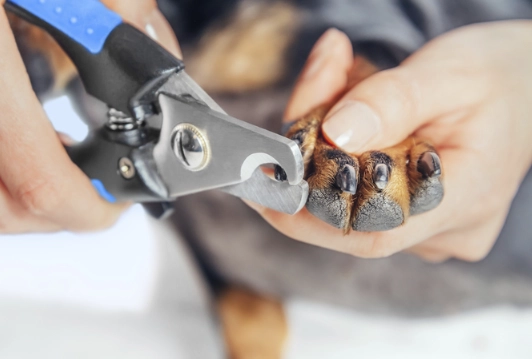
Why Trimming Your Dog's Nails is Non-Negotiable
Long nails aren't just a cosmetic issue. They force your dog's toes to splay outward, altering their posture and putting stress on joints. Imagine walking in shoes that are too long—you'd adjust your gait, leading to hip or back pain over time. For dogs, it's similar. I've seen cases where chronic nail neglect contributed to arthritis, especially in older dogs. The quick, the blood vessel inside the nail, also grows longer if nails aren't trimmed, making future trims trickier and more painful.
Another thing people miss: overgrown nails can curl and grow into the paw pad, causing infections. It's a silent problem until your dog starts limping. Regular trimming prevents that.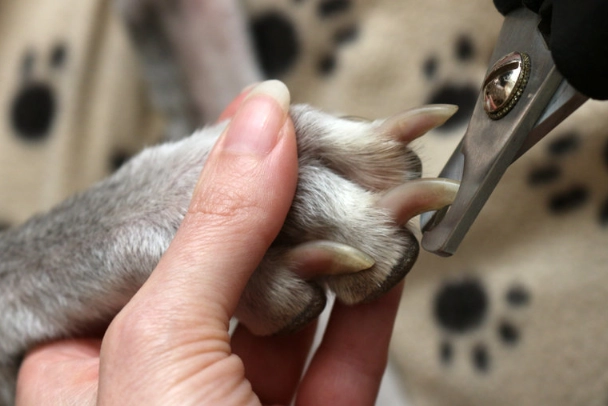
What Determines How Often to Trim?
Forget the one-size-fits-all schedule. Three main factors dictate frequency.
Your Dog's Lifestyle and Activity Level
Active dogs that run on concrete or asphalt naturally wear down their nails. My neighbor's German Shepherd, who hikes trails daily, barely needs trims—maybe every 6 weeks. But if your dog mostly walks on grass or carpet, like many apartment pups, wear is minimal. Think about surface contact. Hard surfaces file nails; soft ones don't.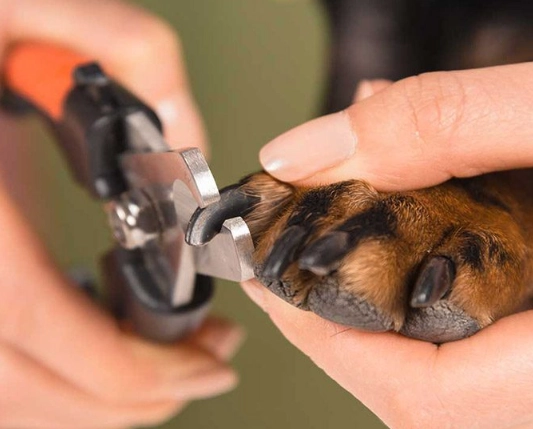
Breed and Nail Growth Rate
Small breeds often have faster nail growth. Dachshunds and Chihuahuas might need trims every 2-3 weeks. Larger breeds like Great Danes can sometimes stretch to 4-5 weeks. But there are exceptions. Greyhounds, for instance, have thin nails that grow quickly. I keep a log for each dog I work with to track growth patterns.
Age and Health
Puppies' nails grow fast—they might need weekly touch-ups during growth spurts. Senior dogs may have slower growth but are more prone to thick, brittle nails that require careful handling. Dogs with health issues like diabetes might have abnormal growth rates.
Signs Your Dog's Nails Are Overdue
Don't wait for a calendar reminder. Watch for these cues:
- The Click Test: If you hear clicking when your dog walks on tile or hardwood, it's time. That sound means nails are hitting the ground.
- Visual Check: When your dog stands normally, nails should not touch the floor. If they do, they're too long.
- Behavioral Changes: Reluctance to walk, limping, or excessive licking of paws can signal discomfort from long nails.
- Nail Shape: Nails that curve sharply or appear to be "floating" above the pad need attention.
I had a client whose dog started slipping on laminate floors—turned out, overgrown nails were reducing traction. A trim fixed it instantly.
The Stress-Free Trimming Process: A Step-by-Step
Here's how I teach owners to trim nails without the drama.
Gather Your Tools
You'll need clippers or a grinder, styptic powder, treats, and good lighting. Choose tools based on your dog's comfort—more on that later.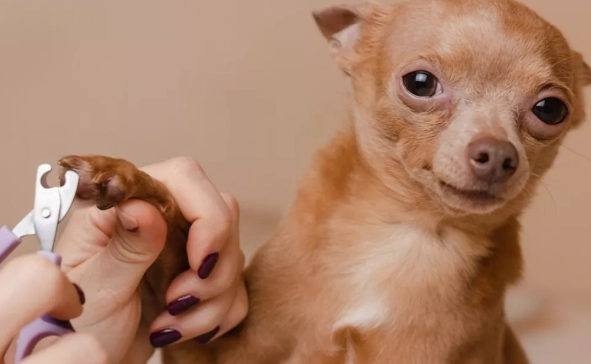
The Actual Trimming
- Get your dog relaxed. Do it after exercise when they're calm, not when they're hyper.
- Hold the paw firmly but gently. Massage it first to desensitize.
- Identify the quick. In light nails, it's pink; in dark nails, look for a grayish center after small cuts.
- Trim small amounts at a 45-degree angle, avoiding the quick. For black nails, trim millimeter by millimeter.
- Reward after each nail with a treat. Keep sessions short—5 minutes max.
If You Cut the Quick
It happens to everyone. Stay calm, apply styptic powder, and comfort your dog. Don't scold or show panic. Next time, trim less.
Mistakes Even Veteran Owners Make (And How to Dodge Them)
I've seen experienced owners mess up. Here's what to avoid:
- Trimming Too Infrequently: Waiting until nails are overly long makes the quick extend, so trims become harder. Consistency is key.
- Using Dull Clippers: Dull tools crush the nail instead of cutting cleanly, causing pain. Replace them yearly or sharpen regularly.
- Ignoring the Dewclaws: Those thumbs on the side? They don't touch ground and grow fast. Miss them, and they can curl into the leg.
- Rushing the Process: If your dog is anxious, stop and try later. Forced trims build negative associations. I once spent 3 weeks just touching paws before attempting a trim on a rescue dog—patience paid off.
Nail Care Tools: Clippers vs. Grinders vs. Files
Choosing the right tool matters. Here's a comparison based on my hands-on tests.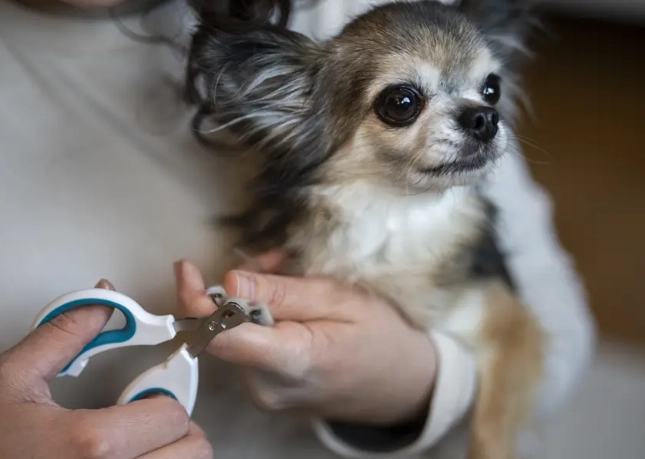
| Tool | Pros | Cons | Best For |
|---|---|---|---|
| Guillotine Clippers | Precise cut, easy for small nails | Can crush if dull, hard on thick nails | Small to medium dogs with clear nails |
| Scissor Clippers | Good control, works on thick nails | Requires more hand strength | Large breeds or dogs with dense nails |
| Grinder (Dremel-type) | Smooth edges, less risk of quick, good for shaping | Noisy, can heat up, needs acclimation | Dogs comfortable with noise, black nails |
| Nail File | Gentle, no risk of bleeding | Time-consuming, not for major trims | Puppies, anxious dogs, or touch-ups |
My go-to? A combination. I use clippers for the bulk and a grinder to smooth edges, especially for dogs with black nails where visibility is low. The American Kennel Club recommends grinders for beginners because they're forgiving.
Your Top Nail Trimming Questions, Answered
Nail trimming doesn't have to be a battle. By understanding your dog's unique needs and taking it slow, you can keep those paws healthy for years. Remember, frequency is personal—observe, adapt, and when in doubt, consult your vet or a professional groomer. Happy trimming!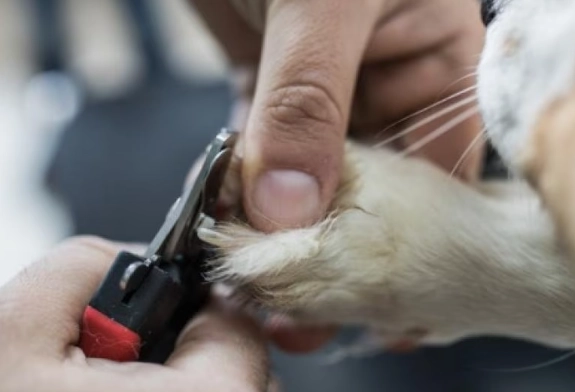




Leave a comment