Quick Navigation
- What "Non-Toxic" Really Means for Your Cat and Your Guzmania
- What to Do If Your Cat Actually Eats the Plant
- Making Your Home a Safe Jungle: Prevention is Everything
- The Ultimate Cat-Safe Plant List (Beyond "Non-Toxic")
- Your Questions, Answered (The Stuff You're Really Searching For)
- Wrapping It Up: Living Happily with Cats and Plants
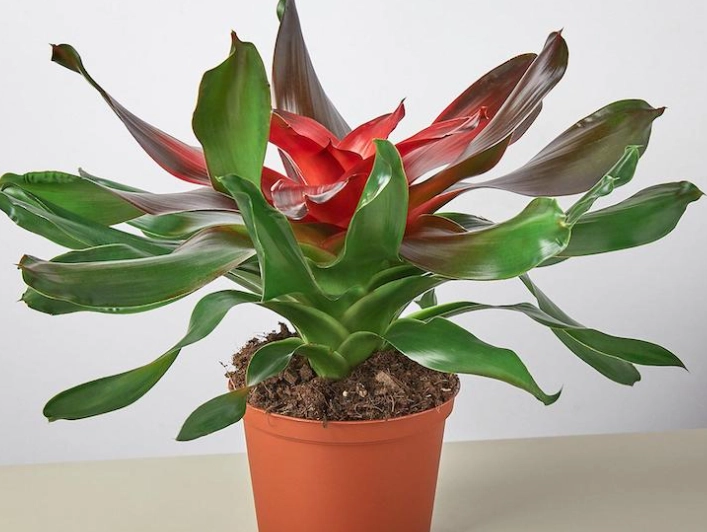
So you brought home this gorgeous Bromeliad Guzmania, all vibrant reds and pinks, and it's sitting pretty on your shelf. Then your cat gives it that look. You know the one. A mix of curiosity and impending chaos. Suddenly, you're down an internet rabbit hole, heart pounding a bit, typing "Bromeliad guzmania toxic to cats" into Google. I've been there. The mix of loving plants and loving cats can feel like a constant puzzle.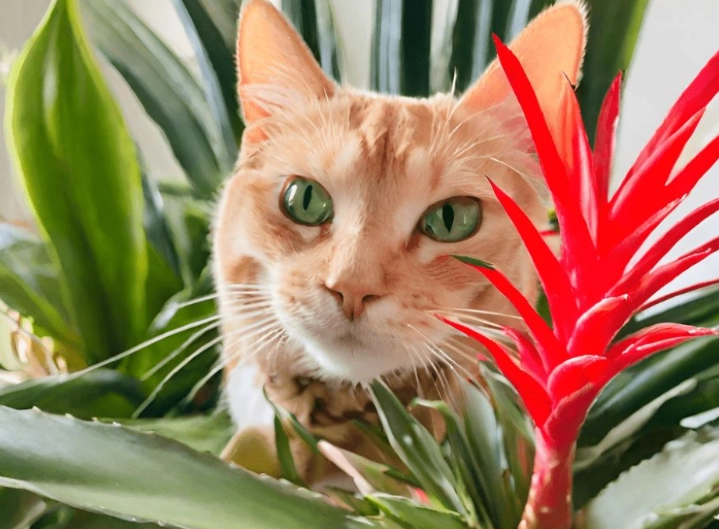
Let's cut straight to the chase, because when it comes to our pets, we don't need fluff. We need clear, actionable facts.
The Short Answer: According to the ASPCA (American Society for the Prevention of Cruelty to Animals) Poison Control Center, Bromeliads (the family Bromeliaceae, which includes the popular Guzmania genus) are generally classified as non-toxic to cats and dogs. That's the official line from one of the most trusted veterinary resources.
But—and this is a big "but"—"non-toxic" doesn't automatically mean "completely safe to chow down on." It's like saying a cardboard box is non-toxic. Your cat can probably chew on it without being poisoned, but eating the whole thing is still a terrible idea that will cause other problems. That's the crucial nuance most quick guides miss, and it's where the real worry lies for pet owners.
What "Non-Toxic" Really Means for Your Cat and Your Guzmania
When the ASPCA says a plant is non-toxic, they mean it doesn't contain known chemical compounds (like insoluble calcium oxalates in Peace Lilies or cardiac glycosides in Oleander) that cause systemic poisoning, organ failure, or death. A Bromeliad guzmania toxic to cats alarm isn't ringing in the classic sense.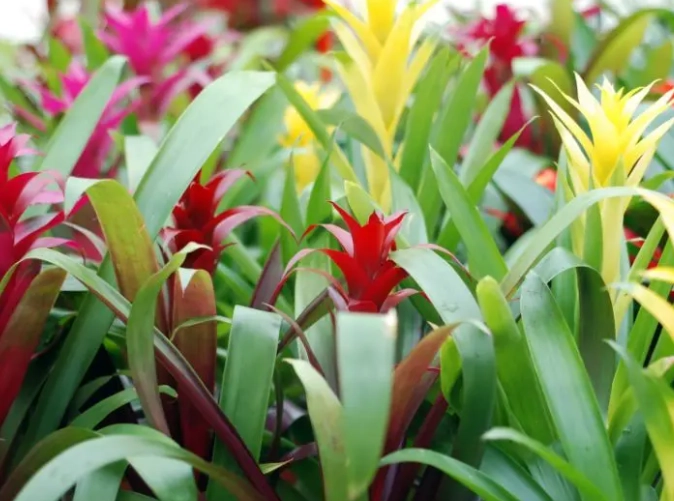
However, any plant material can be an irritant. Think about it. Your cat's digestive system is designed for meat, not fibrous leaves. The main risks with a cat eating a Guzmania bromeliad are:
- Mechanical Irritation: The tough, fibrous leaves can physically irritate the mouth, throat, and stomach lining.
- Gastrointestinal Upset: The sheer foreignness of the plant matter can lead to vomiting, diarrhea, or drooling. It's simply not food.
- The Water in the Center: Guzmanias have a central "vase" or "tank" that holds water. This stagnant water can collect debris, fertilizers from the plant, or even grow bacteria. If your cat drinks from it, that's a separate upset stomach risk.
So, is the plant itself poisonous? No. Can it make your cat sick? Absolutely yes. That's the distinction you need to hold onto.
What to Do If Your Cat Actually Eats the Plant
Panic is useless. Action is key. Here's your step-by-step mental checklist.
- Don't Freak Out (Easier said than done, I know). Remember, it's not chemically toxic. The situation is likely manageable.
- Identify the Plant. Snap a picture. Confirm it is indeed a Guzmania bromeliad and not something else that looks similar. This is critical.
- Remove Plant Material. Gently clear any bits from your cat's mouth or fur if you can do so safely.
- Observe Closely. Watch for any of the symptoms listed in the next section. Your main concerns are gastrointestinal.
- Call for Professional Advice. This is non-negotiable. Call your veterinarian or a pet poison hotline. Even for "non-toxic" plants, they need to know. Describe what was eaten, how much, and when. They will give you tailored advice based on your cat's size and health history. The ASPCA Animal Poison Control Center (888-426-4435) is a fantastic resource, though note they may charge a consultation fee. Your vet's advice is always best.
When to Skip Observation and Go Straight to the Vet: If your cat is having trouble breathing, shows signs of extreme pain, violent vomiting/diarrhea, or becomes lethargic and unresponsive, go to the emergency vet immediately. While unlikely from a Guzmania, these are always emergency signs.
Signs Your Cat May Be Reacting to the Plant
Keep an eye out over the next 12-24 hours. Symptoms are usually gastrointestinal and appear within a few hours. Here’s what might happen if your cat has a sensitive stomach and decided your Guzmania was a salad bar:
- Drooling/Hypersalivation: Often the first sign of mouth or throat irritation.
- Pawing at the Mouth: A clear sign something feels wrong in there.
- Vomiting: This is the body's way of trying to eject the irritant. You might see plant pieces.
- Diarrhea: The digestive system is irritated and moving things through too quickly.
- Decreased Appetite: A sore tummy means no interest in food.
- Lethargy: Feeling unwell can make them quiet and sleepy.
Most cases are mild and resolve on their own once the plant passes through. But your vet might recommend a bland diet (boiled chicken and rice) for a day or two to soothe things over. Never give human medications unless explicitly instructed by your vet.
Making Your Home a Safe Jungle: Prevention is Everything
Honestly, the best strategy is to never let the encounter happen. Cats are climbers and explorers by nature. Telling them "no" is less effective than smart management. Here’s how to keep both your greenery and your feline happy.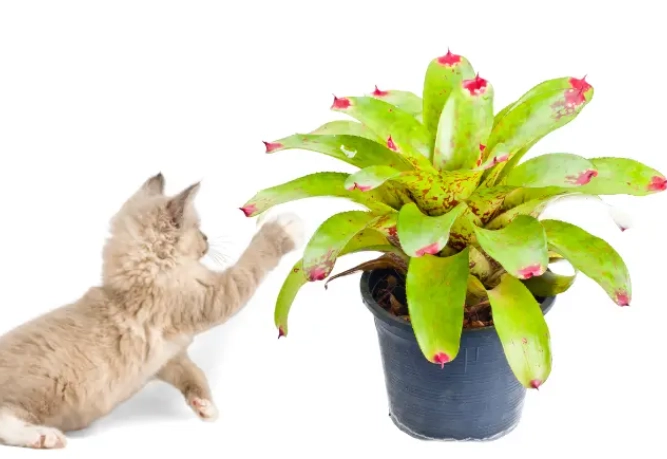
Physical Placement Strategies
Get creative. Out of sight, out of mind, out of reach.
- High Shelves & Hanging Planters: The classic move. Ensure the shelf is truly inaccessible—no launching pads nearby. I've seen cats make impossible jumps.
- Dedicated Plant Rooms: If you have a sunroom or office where the cat isn't allowed, that's plant paradise.
- Terrariums or Glass Cloches: These look beautiful and create a perfect physical barrier for smaller plants.
- Unappealing Surfaces: Place pots on wobbly stands (that can't fall on the cat) or surrounded by foil, double-sided tape, or plastic carpet runners (nub-side up). Cats hate the texture.
Environmental & Behavioral Tricks
Sometimes you have to work with the cat's instincts.
- Provide Cat Grass: Give them an approved, safe outlet for their urge to chew greens. Oat or wheat grass kits are cheap and easy. It's like giving a kid their own snack drawer so they stay out of the fancy cheese.
- Use Deterrent Sprays: Sprays with scents like citrus or bitter apple on the pot (not the plant itself) can be off-putting. Test a small area first to ensure it doesn't damage the plant.
- Keep the Center "Vase" Dry: For your Guzmania bromeliad, water the soil and the center vase sparingly, letting it dry out between waterings to prevent bacterial growth. You can even fill the vase with decorative pebbles to block access.
It's a bit of a dance. You learn what works for your specific cat. My current cat is terrified of citrus, so a lemon peel in the pot works wonders. The previous one treated it like a garnish.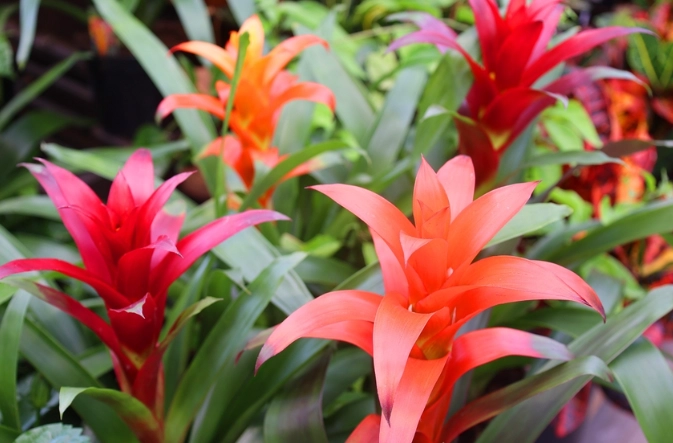
The Ultimate Cat-Safe Plant List (Beyond "Non-Toxic")
Look, seeing "non-toxic" on a list is reassuring. But as we've learned with the Bromeliad guzmania toxic to cats discussion, we need plants that are more than just non-toxic—they should be low-irritant, sturdy, and genuinely safe even with minor nibbles. Here are my top, battle-tested recommendations for homes with curious felines.
True Green Lights (My Go-To Plants):
- Spider Plant (Chlorophytum comosum): Hardy, fast-growing, and cats seem to love the long leaves. It's mildly hallucinogenic for them (like catnip) but safe. Expect some chewed tips, but the plant grows faster than they can eat it.
- Boston Fern (Nephrolepis exaltata): Lush, full, and completely safe. A great non-toxic alternative to Asparagus Ferns, which are toxic.
- Parlor Palm (Chamaedorea elegans): Elegant, tolerant of low light, and perfectly safe. A solid, worry-free choice.
- Certain Succulents: Haworthia and Echeveria are generally safe. However, steer clear of Aloe Vera and Jade Plants, which are toxic.
- Pepperomia: Tons of cute, varied varieties, all non-toxic and fairly tough.
- Orchids (Phalaenopsis): Surprisingly, these elegant blooms are non-toxic to cats. The challenge is keeping the cat from knocking over the pot.
To make it crystal clear, let's put some common look-alikes or confusion-causers in a table. This is where many plant guides fall short—they don't help you distinguish.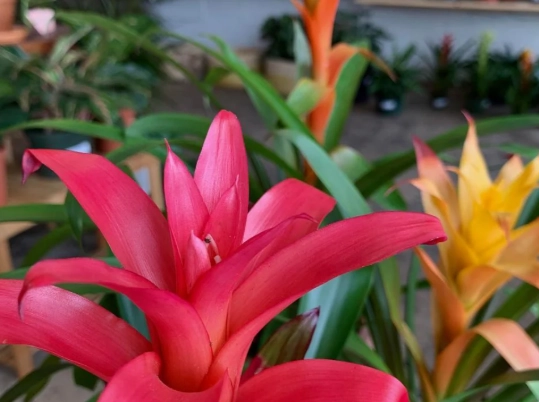
| Plant Name | Safe for Cats? | Key Notes & Common Confusions |
|---|---|---|
| Guzmania Bromeliad | Generally Non-Toxic | Can cause GI upset if eaten. Watch the stagnant water in the center. |
| Air Plants (Tillandsia) | Generally Non-Toxic | Another bromeliad. Same rules apply as Guzmania. |
| Peace Lily (Spathiphyllum) | TOXIC | Often confused with non-toxic plants! Contains insoluble calcium oxalates—causes mouth pain, drooling, vomiting. Much more dangerous. |
| True Lilies (Lilium, Hemerocallis) | HIGHLY TOXIC | Extremely dangerous. Even pollen can cause acute kidney failure. Never have these in a cat home. |
| Snake Plant (Sansevieria) | Mildly Toxic | Contains saponins. Can cause nausea, vomiting, diarrhea. Not as severe as lilies but best avoided. |
| Ponytail Palm (Beaucarnea) | Non-Toxic | Safe despite "palm" in the name. A great, quirky option. |
See the difference? The Bromeliad guzmania toxic to cats question has a layered answer, but a Peace Lily's answer is a hard, fast "YES, very." Knowing the difference is crucial.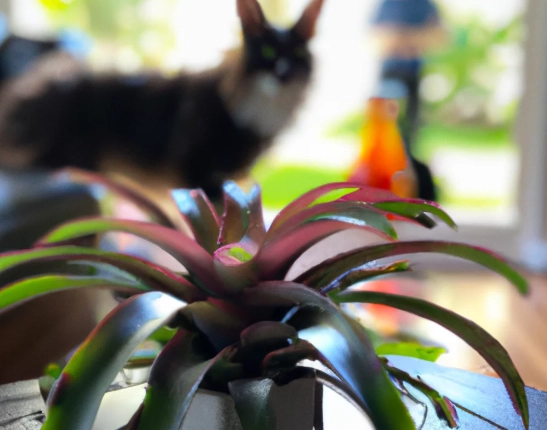
Your Questions, Answered (The Stuff You're Really Searching For)
Wrapping It Up: Living Happily with Cats and Plants
So, is a Bromeliad guzmania toxic to cats in the classic, deadly sense? No, the authorities are clear on that. But is it a completely risk-free plant to have around a voracious feline chewer? Also no.
The truth about pet-safe plant parenting lives in the grey area. It's about risk management, not just a yes/no list. A Guzmania is a relatively low-risk plant. With smart placement—maybe up high, maybe with dry center—you can likely enjoy its tropical flair without constant worry.
Your best tools are knowledge and prevention. Know what you're bringing home. Use the ASPCA list. Implement those physical barriers. Provide good alternatives like cat grass.
And trust your instincts. If you have a cat that treats every plant like a personal buffet, maybe stick to the Spider Plants and Palms. If your cat is more indifferent, you can probably branch out (pun intended). The goal isn't a sterile home, but a harmonious one where both your leafy and furry family members can thrive.
It takes a little extra work, but seeing a healthy cat snoozing in a sunbeam next to a thriving, safe plant? That's the dream right there.

Leave a comment