You find a new chew toy under the couch. You reach for it. Suddenly, a low growl fills the room. Your dog, usually your shadow, is frozen, eyes locked on you, body stiff over the toy. Your heart sinks. This isn't the first time. It happens with food bowls, bones, even a favorite resting spot. The question burns in your mind: Can this ever be fixed, or are we stuck managing this scary behavior forever?
The short, honest answer is: Yes, resource guarding can be "cured" in the sense that it can be reduced to negligible levels and managed so effectively it's no longer a problem in your daily life. But calling it a "cure" is a bit misleading. It's more accurate to say you can achieve a functional recovery. The dog learns new, positive associations with people approaching their stuff, and you learn how to manage the environment to prevent rehearsals of the bad behavior. For many dogs, the guarding disappears entirely. For others, especially those with severe histories, it becomes a managed condition, like a dog who needs a special diet—you just have a set of rules you live by.
The path isn't a straight line, and it depends heavily on the dog's history, genetics, and your consistency. I've worked with dogs who went from lunging to happily dropping items in a few months. I've also worked with cases where, after years of progress, a sudden stressor could cause a minor backslide. The goal isn't perfection; it's safety and harmony.
What’s Inside This Guide
- What Exactly Is Resource Guarding?
- Cure vs. Management: Setting Realistic Expectations
- How to Diagnose Your Dog’s Guarding Severity
- Immediate Management: Your Safety First Strategy
- The Step-by-Step Training Protocol
- Common Mistakes That Make Guarding Worse
- When You Absolutely Need a Professional
- Your Top Questions Answered
What Exactly Is Resource Guarding?
It's not spite. It's not dominance. It's plain old anxiety. Resource guarding is a survival behavior rooted in the fear that something valuable will be taken away. The "resource" can be anything: food, toys, stolen items (socks, trash), space (a bed, couch), or even a person.
The behavior exists on a continuum. It starts subtle.
- Mild: The dog gets stiff, stops chewing, licks lips, side-eyes you (whale eye).
- Moderate: Low growl, lifted lip, quick air snap.
- Severe: Lunging, biting with contact, chasing to maintain possession.
Many owners miss the mild signs, only realizing there's a problem when it escalates. That's the first key insight: Your dog has been telling you they're uncomfortable for a while. Punishing the growl—the warning—is the fastest way to create a dog who bites without warning next time.
Cure vs. Management: Setting Realistic Expectations
Think of it like this. A "cure" implies the underlying emotional response is erased. A dog with a deep-seated fear of losing food might always have a tiny flicker of that anxiety. What we do is build a mountain of positive experiences on top of that flicker until it's practically irrelevant.
The outcome depends on several factors:
| Factor | More Likely a "Full Cure" | Requires Lifelong "Management" |
|---|---|---|
| Age & History | Puppy or young dog with brief history. | Adult dog, long history, adopted with unknown trauma. |
| Severity | Only shows mild stiffness or warning growls. | Has a history of biting with puncture wounds. |
| Consistency | All family members follow the training plan. | Inconsistent rules, children who can't comply. |
| Resources Guarded | Only one specific type of item (e.g., rawhides). | Guards everything: food, toys, spaces, people. |
For most dogs in the middle—the ones who growl over bones but are fine with kibble—you can expect the behavior to fade away with proper work. The dog learns your approach predicts good things (amazing treats), not loss.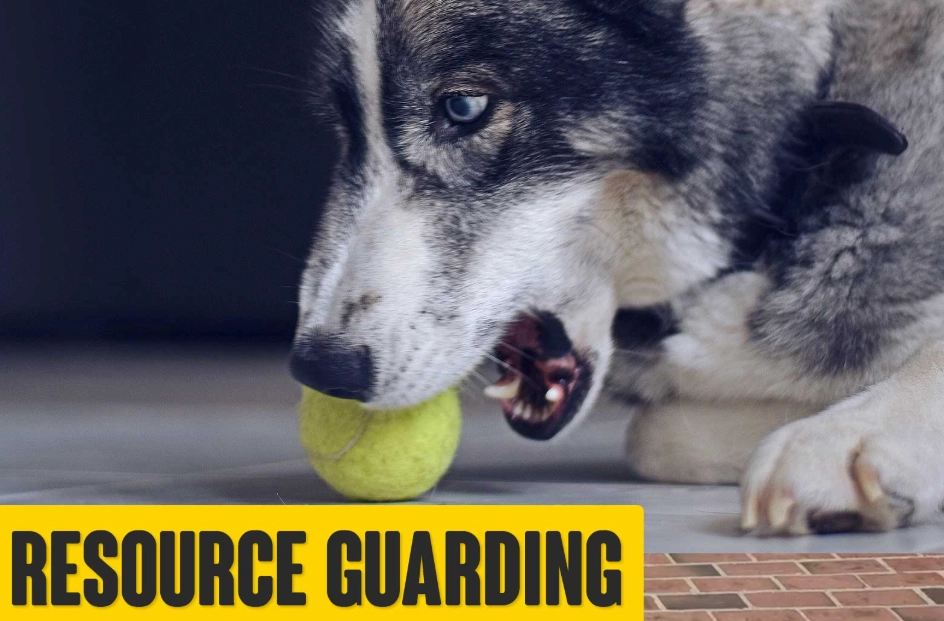
A crucial non-consensus point: Many trainers preach "trading up" as the primary solution. While valuable, an over-reliance on the "swap" game can backfire. Some clever dogs learn to "guard to trade," picking up items to extort a better treat. The real goal isn't just getting the item back; it's changing the dog's emotional state from "I must protect this" to "Oh good, my human is here!"
How to Diagnose Your Dog’s Guarding Severity
Before you start, you need a baseline. Do not provoke your dog to test this. Instead, think back on past incidents. Categorize them.
Ask yourself:
- What was the item? (High-value chew, everyday meal, stolen sock?)
- Who was approaching? (You, a child, another dog?)
- How close did they get before the reaction?
- What was the exact reaction? (Freeze, growl, snap, bite?)
- What happened after? (Did you back off, yell, take the item?)
This log isn't for guilt. It's a map. You'll likely see patterns. Maybe your dog only guards from the family cat, not from people. Maybe it's only when they're on the couch. This specificity is your training starting point.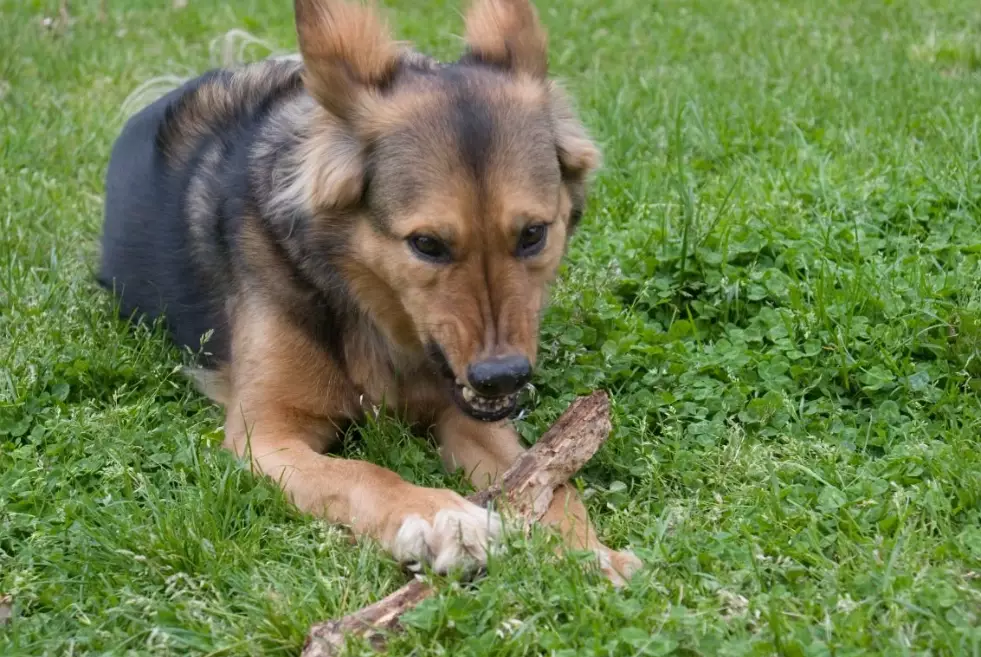
Immediate Management: Your Safety First Strategy
Training takes time. Management prevents bites today. Management isn't giving up; it's being smart. Every time your dog practices guarding, the neural pathway gets stronger.
Management Must-Dos:
- No Free Access: Pick up all toys, bones, and chews. They are now earned and supervised.
- Safe Zones: Feed your dog in a separate room or crate behind a closed door. Zero interruptions.
- The 3-Foot Rule: Never reach directly into your dog's personal space when they have something. Create a habit of calling them away from the item to you.
- Baby Gates & Tethers: Use them. If your dog guards the couch, use a gate to block access when you can't supervise. A tether can keep them in their bed with a chew, away from people walking by.
- Teach "Drop It" with Mid-Value Items First: Practice with a boring toy, reward with a boring treat, get the toy back, and immediately give it right back. This teaches that "drop" doesn't mean "lose forever."
This phase might feel restrictive. It is. But it's temporary. It removes opportunities for failure while you build new skills.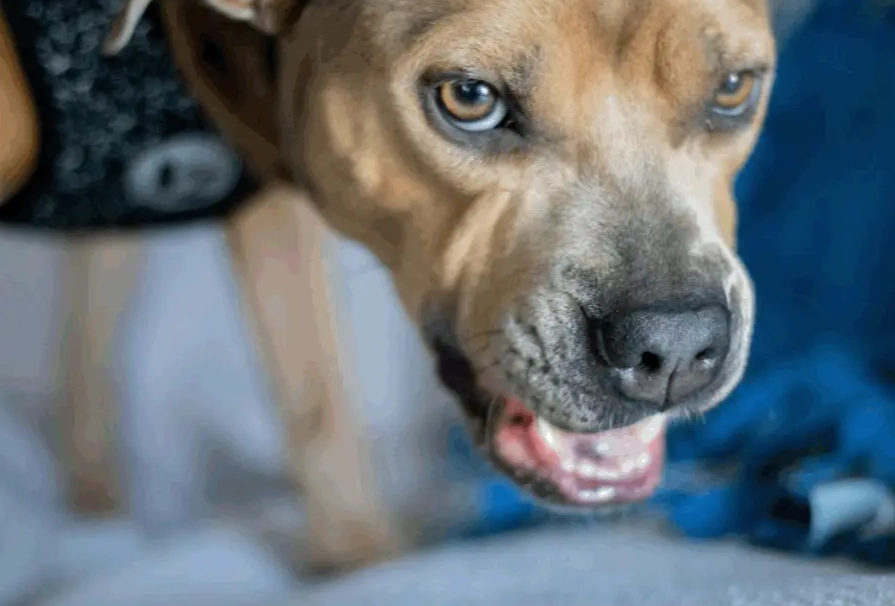
The Step-by-Step Training Protocol
This is the "cure" work. We use counter-conditioning and desensitization (CC/D). You change the emotion (counter-conditioning) by gradually reducing the intensity of the trigger (desensitization).
Phase 1: The Toss & Retreat Game
Start with your dog eating their normal kibble from a bowl in an otherwise empty, quiet room. Stand 10 feet away.
- Toss a spectacular treat (like a piece of chicken) toward the bowl. Toss it so it lands near them, not on their head.
- As soon as you toss, immediately turn and walk away. Don't stare.
- Repeat 5-10 times per session, once or twice a day.
What you're teaching: "A person approaching my food predicts amazing things falling from the sky, and then they leave me in peace." You are not a threat; you are a treat dispenser.
Phase 2: Decreasing the Distance
Over days, as your dog looks up expectantly when you approach (a good sign!), decrease your distance by a foot. 9 feet, toss, retreat. 8 feet, toss, retreat. Go slowly. If you see any stiffness, back up to the last comfortable distance.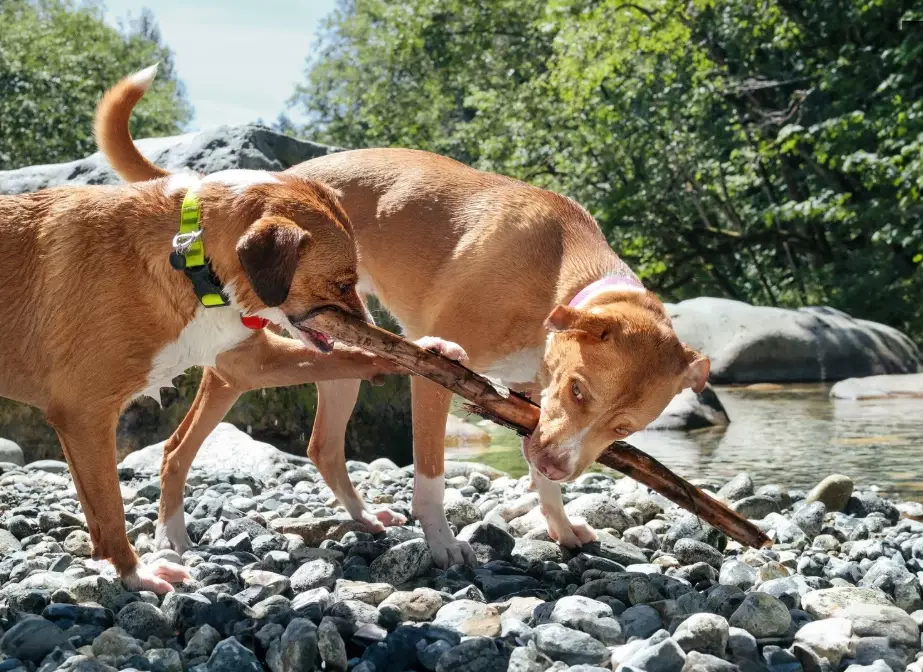
Phase 3: The Hand Feed & Trade-Up
Once you can stand calmly next to your dog while they eat kibble (you've worked down to 1 foot), you can start hand-feeding part of their meal. This builds a direct positive association with your hands.
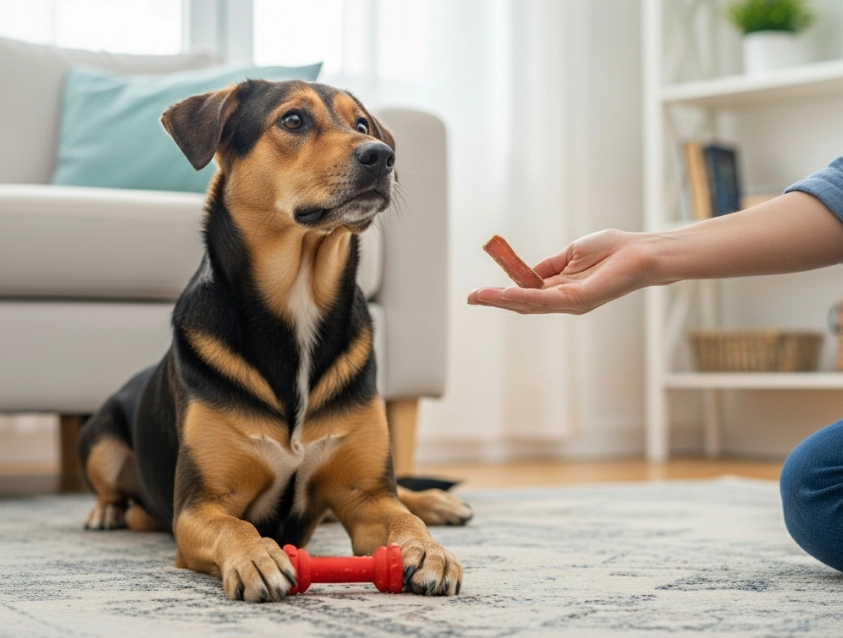
For toys, practice the trade-up. Offer a mediocre chew. Let them have it. Show them a much better chew (e.g., swap a Nylabone for a piece of dried liver). Say "Drop it" or "Trade." When they drop the first item for the better one, let them have the high-value treat, then pick up the original chew and give it back to them a minute later. This breaks the loss cycle.
Common Mistakes That Make Guarding Worse
I see these all the time. Avoid them like the plague.
- Punishing the Growl: This is like disconnecting the smoke alarm. You create a dog who appears "cured" (no more growling) but is actually more likely to bite without warning.
- Forcing the Issue: Grabbing the item to "show who's boss" confirms the dog's worst fear and escalates aggression.
- Inconsistency: One person follows the plan, another just takes stuff. The dog stays confused and anxious.
- Moving Too Fast: Going from a growl over a steak bone to trying to pet them while they have it in two days is a recipe for a bite. Respect the process.
- Using Low-Value Trades: Trying to trade a prized bone for a piece of dry kibble is an insult. The trade must be obviously, irresistibly better.
When You Absolutely Need a Professional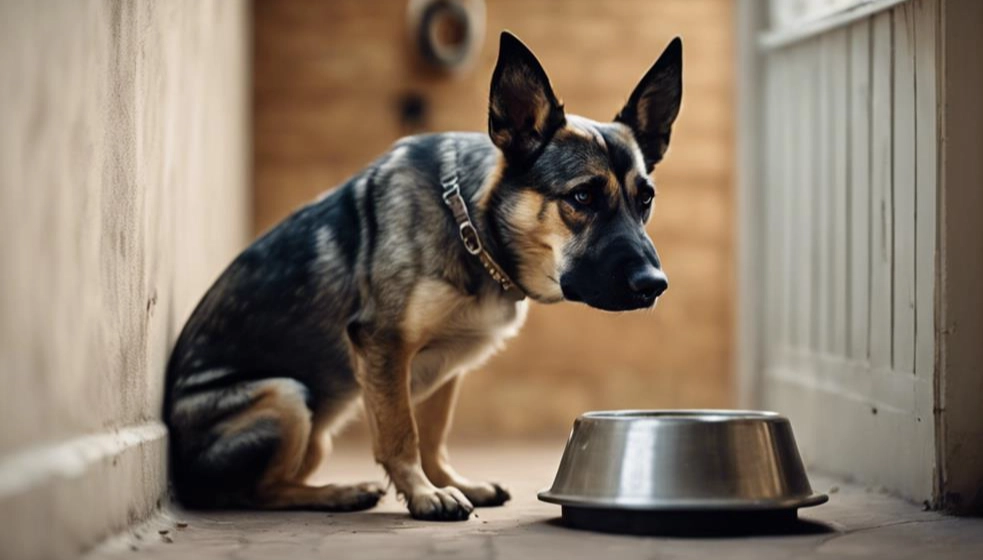
Don't play hero if:
- There has been a bite that broke skin.
- Children or elderly people live in or frequently visit the home.
- You feel scared of your own dog.
- You've tried for a month and see no progress, or behavior is getting worse.
- The dog guards from multiple people or other pets.
Seek a Certified Applied Animal Behaviorist (CAAB) or a Veterinary Behaviorist (Dip ACVB). These are the highest qualifications. You can also look for a Certified Professional Dog Trainer (CPDT-KA or CPDT-KSA) with specific experience in aggression cases. Your veterinarian is a great starting point for a referral and can rule out pain as a contributing factor (a sore dog is a grumpy dog). Organizations like the American Veterinary Society of Animal Behavior (AVSAB) and the ASPCA have excellent resources on finding qualified help.
Your Top Questions Answered
 Should I just take things away randomly to "train" my dog not to guard?



Leave a comment