You’re settled on the couch, your cat hops up, purrs like a motorboat, and starts rhythmically pushing their paws into your lap. It’s cute. It’s also a bit prickly. The question pops into your head: should I really be letting them do this? The short, simple answer is usually yes—it’s a sign of deep contentment. But the real, useful answer is more like: yes, if you understand why they do it and how to manage the downsides. Let’s cut past the fluffy generalities and talk about what kneading really means, when it’s a problem, and how to make it work for both of you.
What’s Inside?
What Cat Kneading Actually Means (It’s Not Just “Making Biscuits”)
We call it making biscuits because it looks like a baker kneading dough. But for a cat, it’s a hardwired behavior from kittenhood. Newborn kittens knead their mother’s belly to stimulate milk flow. It’s a comfort action, pure and simple.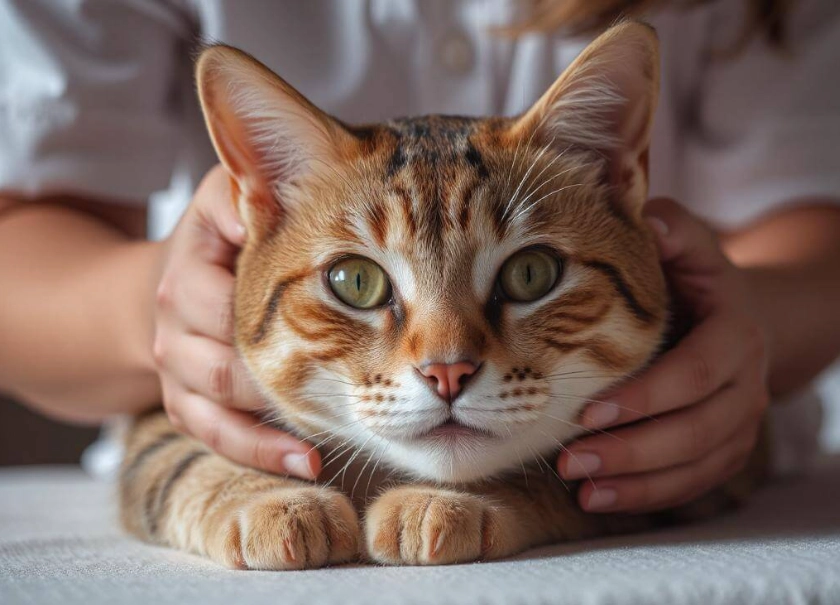
When an adult cat kneads, they’re tapping into that early sense of security, warmth, and satisfaction. It’s a throwback to their safest moment. They’re not trying to make you into their mom; they’re associating you with that ultimate feeling of comfort. It’s a huge compliment.
There’s another layer. Cats have scent glands in their paw pads. When they knead, they’re marking you (or that favorite blanket) with their scent. It’s a claiming behavior. You are theirs, part of their safe territory. So when your cat kneads on you, they’re essentially saying, “I am happy, I feel safe, and you belong to me.”
Expert nuance: Not all kneading is equal. The intensity, purring volume, and even whether their claws are extended can tell you about their emotional state. A slow, soft knead with retracted claws is pure bliss. A more intense, claw-involving session might mean they’re really working through some excitement or are in a deeply relaxed, almost trance-like state.
Why Letting Your Cat Knead Can Be Good for You Both
Beyond the warm fuzzies, there are tangible benefits to allowing this behavior.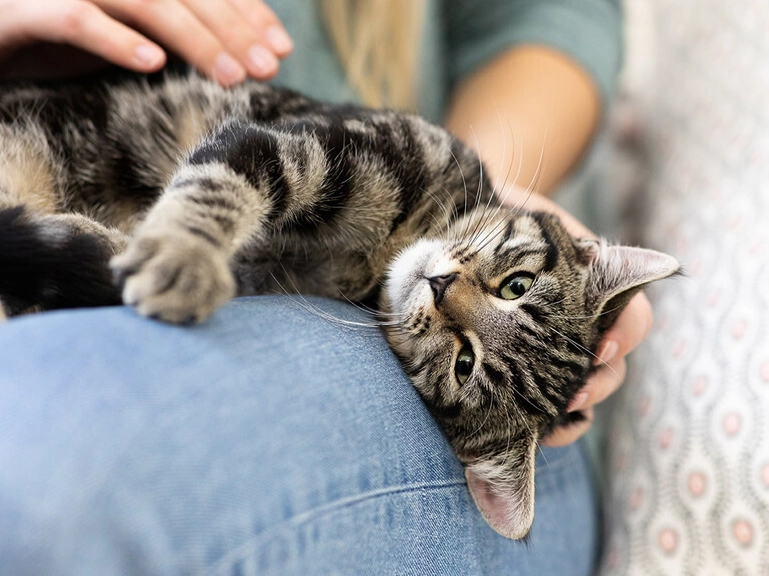
Strengthens Your Bond
This is the big one. By accepting this vulnerable, instinctive behavior, you’re reinforcing trust. You’re saying, “Your way of showing love is okay with me.” It’s a non-verbal conversation that deepens your connection. Denying it constantly can confuse your cat or make them feel rejected during a moment of affection.
It’s a Major Stress Reliever (For the Cat)
Kneading releases endorphins. It’s self-soothing. For an anxious cat, a kneading session on a trusted human can be more effective than many synthetic remedies. I’ve seen it with my own skittish rescue. Her evening kneading ritual on a fleece blanket on my lap visibly melts her tension away.
It Can Be a Stress Reliever For You, Too
The rhythmic motion and the deep, resonant purring that usually accompanies kneading have documented calming effects on humans. Lower blood pressure, reduced anxiety—it’s like a free, furry therapy session. If you can get past the occasional pinprick, it’s genuinely relaxing.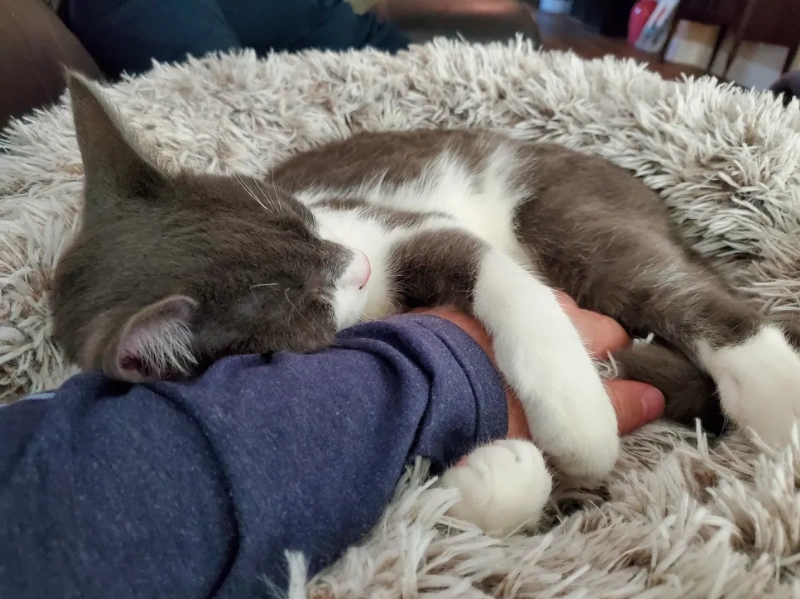
The Scratchy Truth: Potential Drawbacks of Kneading
Let’s not romanticize it. There are real reasons you might want to redirect the behavior sometimes.
- Sharp Claws: This is the number one issue. Even with trimmed nails, persistent kneading on thin fabric or bare skin can become uncomfortable or painful. It can snag clothing and damage expensive blankets or furniture.
- Over-Stimulation: Sometimes, a relaxed kneading session can tip over into over-excitement. The cat might start to bite or bunny-kick the area they were just gently massaging. It’s a fine line between contentment and play-hunting mode.
- It Can Be Inconvenient: A 15-pound cat kneading directly on your bladder first thing in the morning is… a potent alarm clock. Or when you’re trying to work on your laptop and they insist on kneading the keyboard.
- Potential for Dependence: This is a subtle point few talk about. If a cat only seeks comfort through kneading on a person and cannot self-soothe otherwise, it might indicate an underlying anxiety issue. The behavior isn’t bad, but the exclusive reliance on it could be a clue.
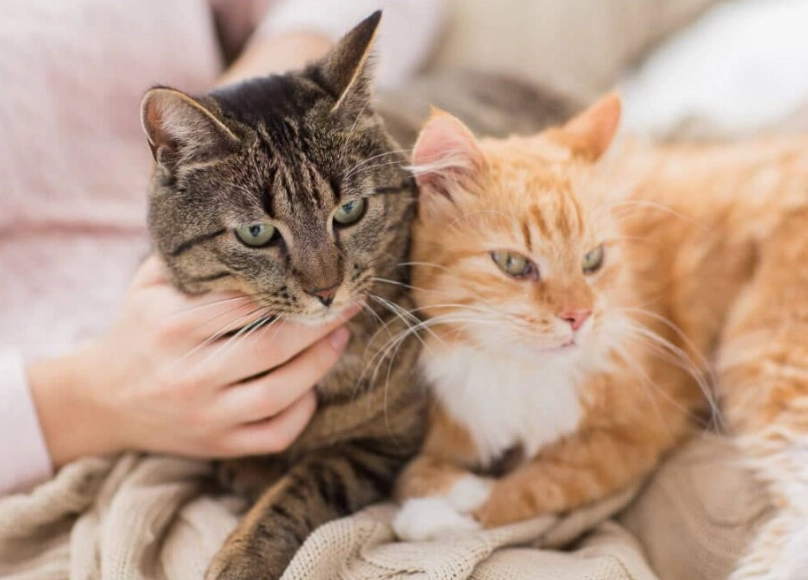
A common mistake is to suddenly push the cat away or yell when the claws come out. This can startle them and break trust, making them associate affection with punishment. There are better ways.
How to Manage Kneading: A Practical Guide
You don’t have to choose between bloody thighs and rejecting your cat. Here’s how to find a middle ground.
1. The Barrier Method
Keep a dedicated, thick-knit blanket or a plush towel on your lap or favorite chair. When your cat comes to knead, gently guide them onto this barrier. The texture is often even more satisfying for them than your jeans, and it saves your skin and clothes. This is my go-to strategy.
2. Nail Maintenance is Non-Negotiable
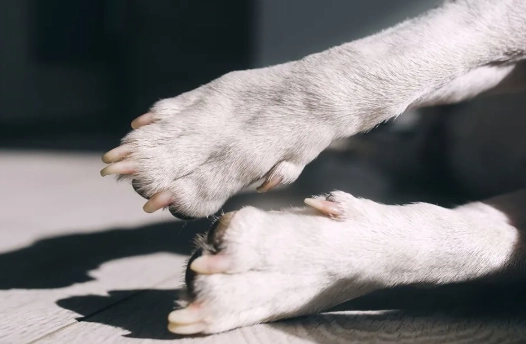
Regular claw trims are the single most effective thing you can do. Not declawing—never declaw. Just a simple trim every couple of weeks blunts the tips dramatically. Get them used to it young, use treats, and make it calm. Dull claws make kneading a non-issue.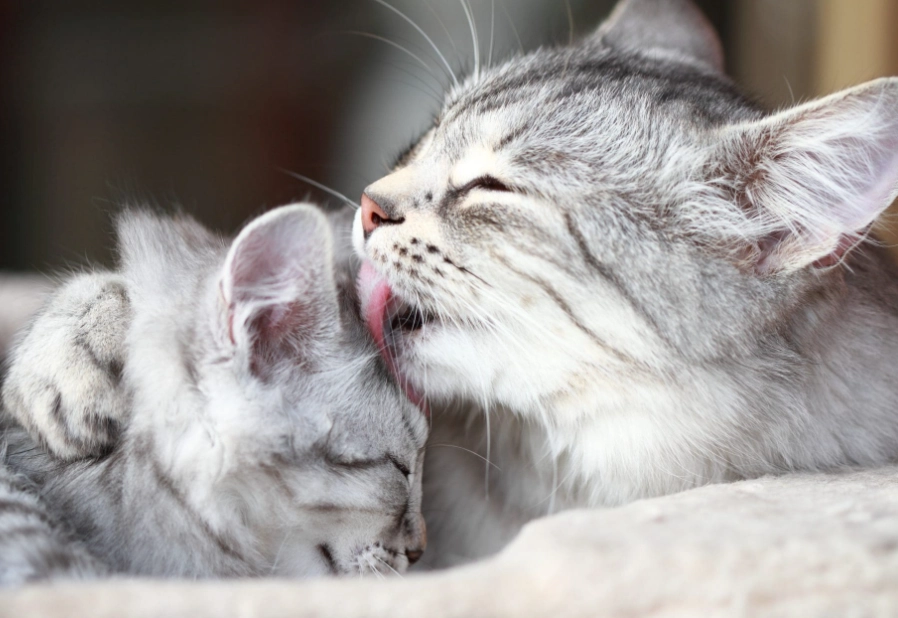
3. The Gentle Redirect
If the kneading is in an inconvenient spot (your stomach when you have a headache) or is getting too intense, don’t shove. Gently lift them and place them beside you on their blanket, or use a toy to distract them. The key is to interrupt without causing alarm.
4. Read Their Body Language
If the purring is getting frantic, the ears are starting to twitch back, or the kneading is turning into grabbing, the session is probably ending. Proactively end it on a positive note with a pet and a treat before the over-stimulation bite happens.
When Kneading Might Be a Sign to Worry
Most kneading is normal. But be a detective. Sudden changes in behavior are clues.
- New Limp or Avoidance of Pressure: If your cat suddenly starts kneading with only one paw, or flinches when a paw is touched, it could be a sign of pain, an ingrown claw, or arthritis.
- Excessive, Frantic Kneading: Non-stop, anxious kneading that doesn’t lead to relaxation, especially if accompanied by other stress signs (hiding, not eating), warrants a vet visit. It could signal illness or chronic pain.
- Kneading on Inanimate Objects Excessively: While normal, if it becomes obsessive (to the point of damaging surfaces or interrupting sleep/eating), it could be a compulsive disorder, often linked to stress or early weaning.
When in doubt, a video to your vet can help them assess if it’s just quirky or concerning.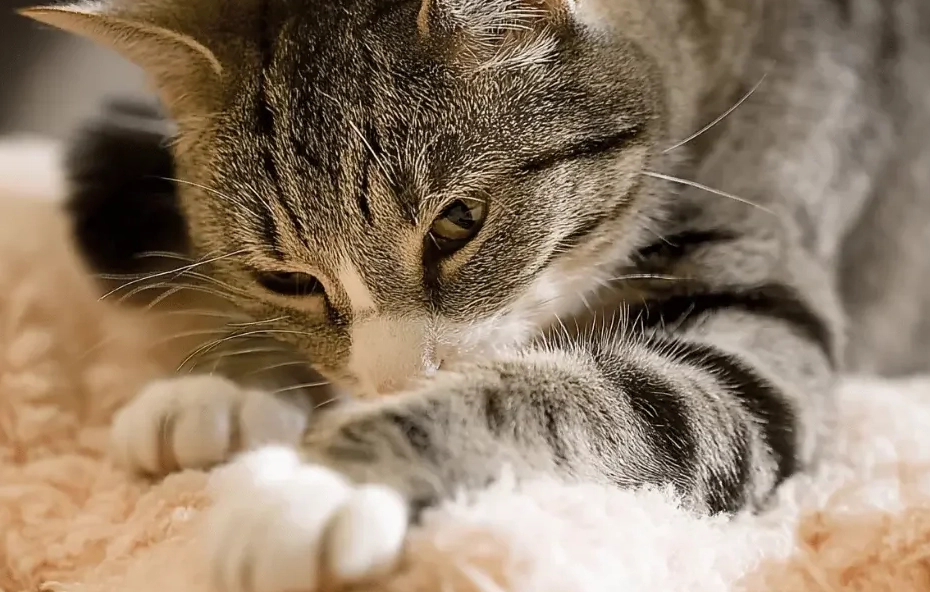
Your Kneading Questions, Answered
So, should you let your cat knead on you? For most of us, most of the time, the answer is a qualified yes. It’s a profound gesture of trust and contentment. Your job isn’t to forbid it, but to shape it into a version that works for your household. Keep those claws trimmed, have a dedicated blanket ready, and learn to read when the session is naturally ending. Do that, and you’ll both enjoy this weird, wonderful, and deeply connecting feline ritual for years to come.




Leave a comment