Your dog stiffens, lowers its head, and a low growl rumbles from its chest as you walk near its food bowl. Your heart sinks. This isn't just bad manners; it's resource guarding, a serious behavior that strains the bond with your pet and poses a real risk. The good news? It's manageable, but you need the right approach. This guide cuts through the noise to give you a safe, effective plan based on modern, force-free methods. Forget old-school dominance theories. We're focusing on building trust.
What You'll Learn in This Guide
What Is Resource Guarding (And What It Isn't)?
Resource guarding is a survival behavior. In a dog's mind, they are protecting a valuable item from being taken away. The "resource" can be anything: food, toys, a stolen sock, a favorite sleeping spot, or even a person.
The behavior exists on a spectrum. On the mild end, a dog might simply eat faster or turn its body away. The middle of the spectrum includes stiffening, staring, and growling. At the severe end, you see snapping, lunging, and biting. Many owners miss the early, subtle signs, only realizing there's a problem when it escalates.
Here's a crucial distinction often missed: Resource guarding is not dominance. It's anxiety. The dog isn't trying to control you; it's scared of losing something important. Framing it as a "power struggle" leads to confrontational methods that increase fear and make the behavior more dangerous.
Key Insight: Punishing a growl is one of the worst things you can do. The growl is a warning signal. If you punish it, you teach the dog to skip the warning and go straight to a bite. Your goal isn't to stop the growl; it's to address the underlying fear that causes it.
Why Do Dogs Guard Resources? The Real Reasons
Understanding the "why" is half the battle. It's rarely about spite or being "mean."
Genetics and Breed Predisposition: Some breeds were historically selected for traits like possession (e.g., herding dogs moving sheep, retrievers holding game). This doesn't mean they will guard, but the potential might be there.
Past Experience: A dog from a shelter or a rough background may have had to compete for food. Even a well-meaning owner can create guarding by repeatedly taking things away from a puppy without a positive trade.
Resource Scarcity Mindset: This is a big one. If a dog feels resources are unpredictable or limited, they're more likely to guard. Does the food bowl only appear once a day? Are high-value treats rare? This can trigger insecurity.
Medical Issues: Pain can drastically lower a dog's tolerance. A dog with arthritis might guard its bed because moving hurts. A dental issue could make eating painful, increasing sensitivity around the food bowl. A sudden onset of guarding always warrants a vet check first, a point underscored by organizations like the American Veterinary Society of Animal Behavior.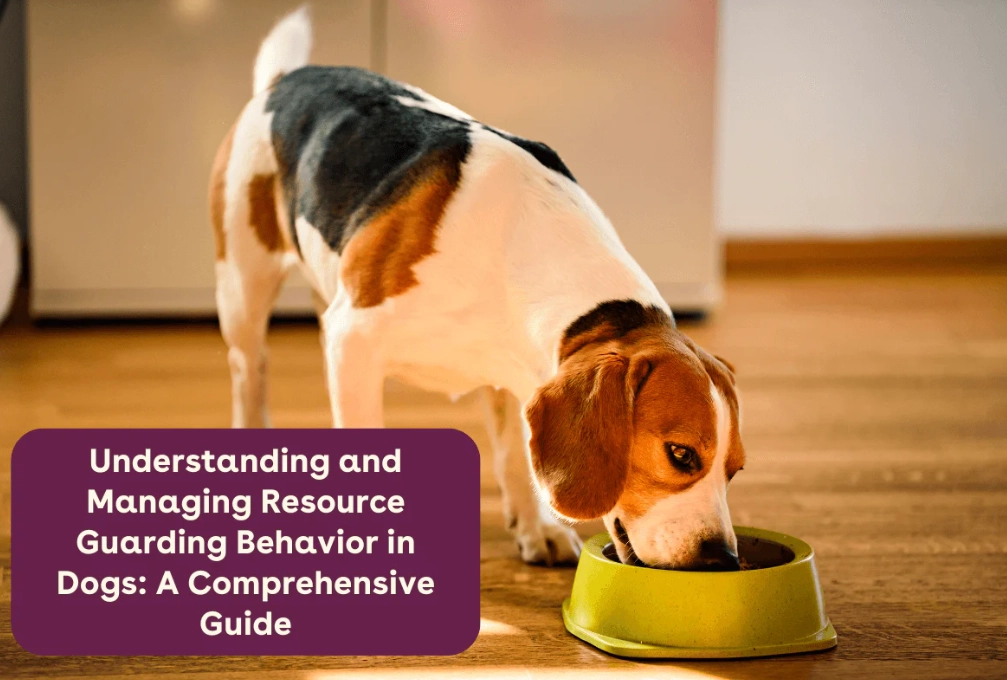
Your Step-by-Step Training Plan to Stop Guarding
This plan is built on two pillars: Management (preventing rehearsal of the behavior) and Behavior Modification (changing the dog's emotional response). Safety is non-negotiable.
Step 1: Safety First – The Management Protocol
Before any training, set up the environment so the dog cannot practice guarding. This isn't giving in; it's being smart.
- For Food Bowl Guarding: Feed the dog in a separate, quiet room with the door closed. Or use a crate. After 15-20 minutes, remove the empty bowl. No one walks near the dog while it eats.
- For Toy/Item Guarding: Pick up all high-value toys. Only give them under controlled, supervised conditions, and pick them up when you're done. Use baby gates to manage space.
- For Space Guarding (beds, couches): Use physical barriers. If the dog guards the couch, don't allow it on the couch. Provide an equally comfy bed on the floor.
Management reduces stress for everyone and prevents bites. It's not permanent, but it's essential during training.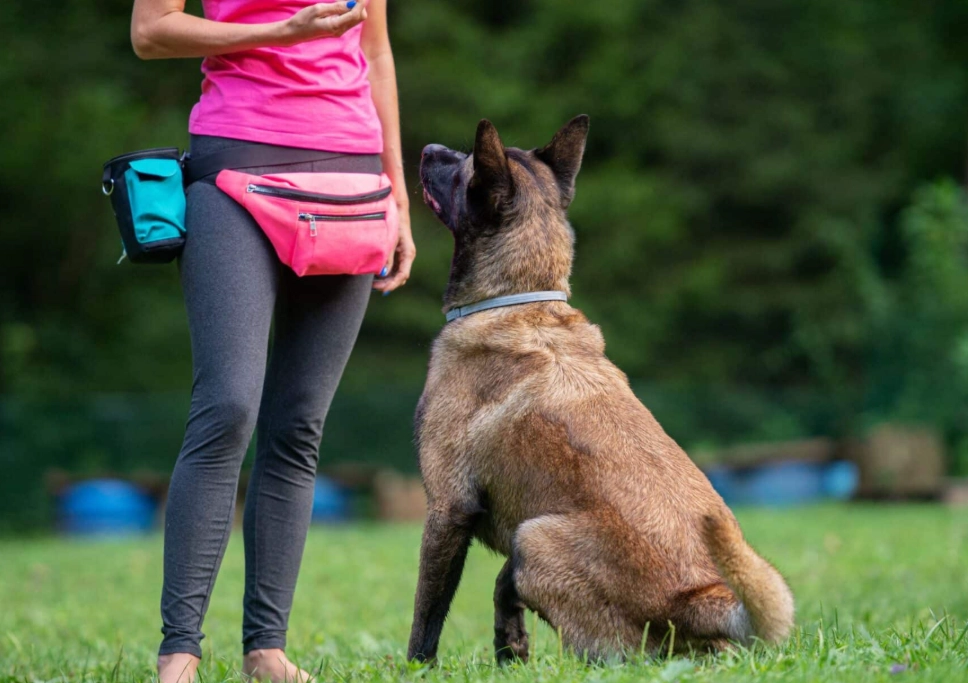
Step 2: The "Trade-Up" Game – Changing the Association
This is the core of the training. The goal is to teach your dog that someone approaching their prized possession predicts something even better arriving, not something being taken away.
Scenario: Your dog has a medium-value chew (like a bully stick).
- From a distance where your dog is relaxed (this is key!), toss a fantastically high-value treat (like a piece of chicken or cheese) near them.
- Walk away. Let them eat the treat and return to their chew.
- Repeat this 5-10 times per session, a few times a day.
- Over many sessions, gradually decrease the distance you toss the treat from.
The dog learns: "Human approaches = jackpot!" Eventually, when you approach, they may look up expectantly instead of stiffening.
Critical Rule: Do NOT take the item during this game. You are building positive associations, not testing their tolerance. The item remains theirs. If you need to get the item back, use management: lure them away with chicken into another room, then pick up the item.
Step 3: The "Drop It" Cue – Built on Trust
Once the "Trade-Up" game is solid, you can formally teach "Drop It." Start with a low-value item they aren't guarding.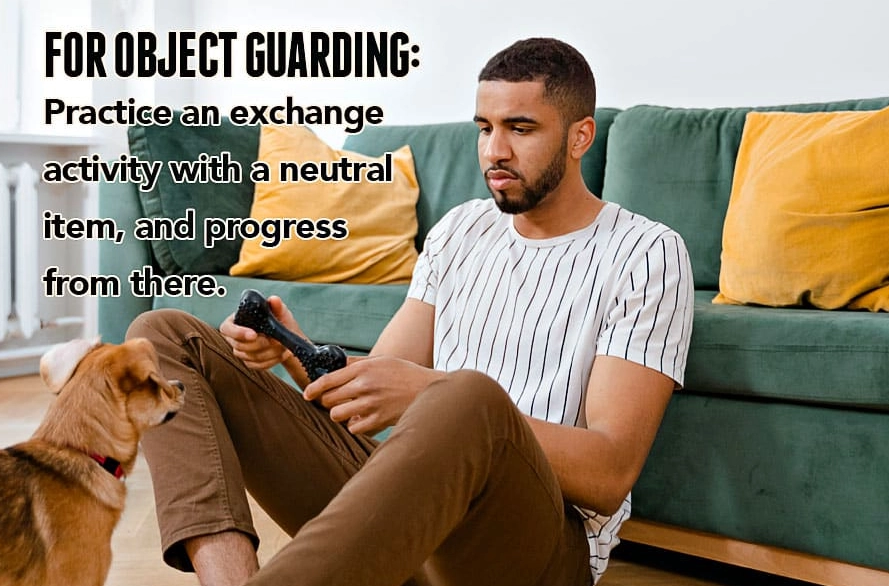
- Offer a boring toy. Let them take it.
- Hold a high-value treat right to their nose. The moment they spit out the toy to get the treat, say "Drop It," give them the treat, and immediately return the toy.
- Repeat. Returning the toy is crucial. It teaches them that complying doesn't mean permanent loss.
Only practice this with items they don't guard. For guarded items, continue using the management and trade-up protocol.
Common Mistakes That Make Guarding Worse
I've seen these errors set back training by months.
Using Force or "Alpha" Rolls: Physically confronting a guarding dog confirms its worst fear—that you are a threat. This increases anxiety and aggression. The American Society for the Prevention of Cruelty to Animals (ASPCA) explicitly advises against confrontational methods for aggression.
Testing the Dog Too Soon: After a few good days, owners think, "Let's see if he's cured," and walk right up to the bowl. If the dog growls, it feels like starting over. Move at the dog's pace, not yours.
Inconsistent Management: Letting the dog have free reign sometimes but not others creates confusion and reinforces the guarding. Be consistent.
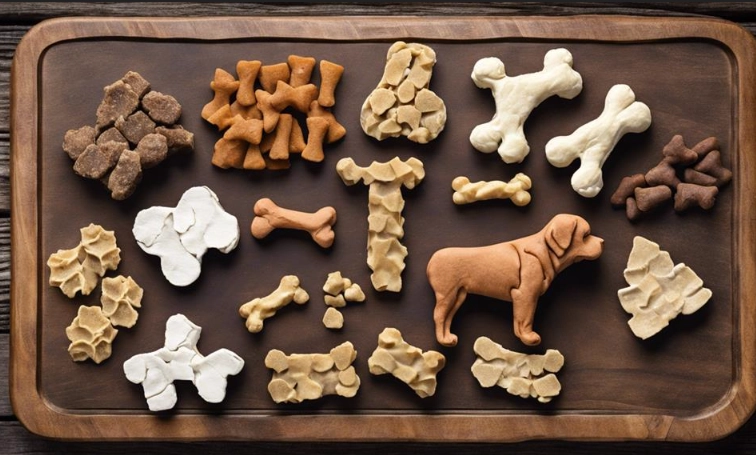
Not Using High-Enough Value Rewards: If you're using kibble to trade for a steak bone, you're going to fail. The trade must be a no-brainer for the dog.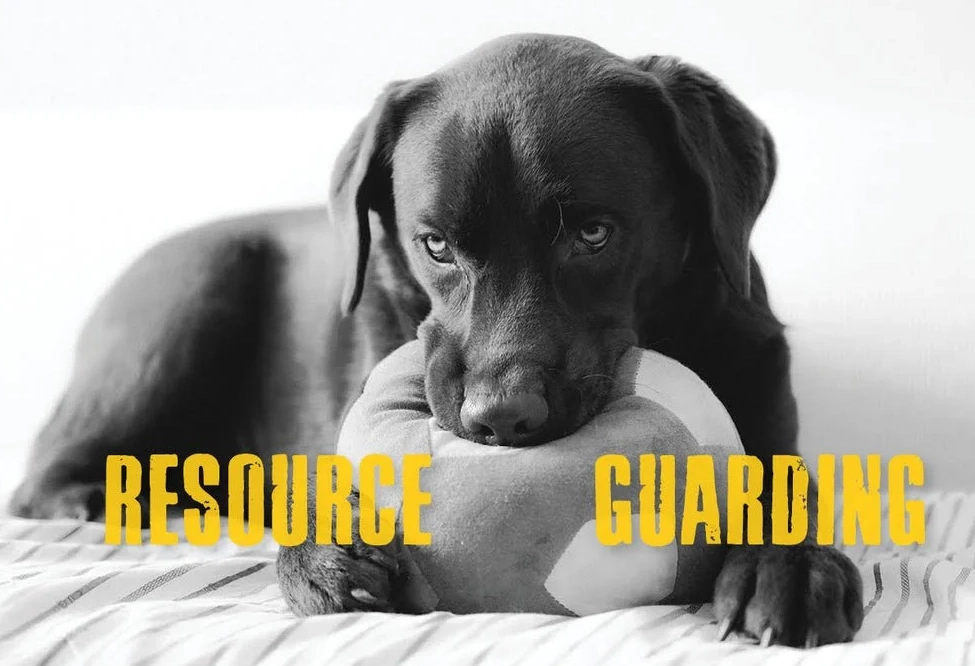
When You Absolutely Need Professional Help
Don't play hero if:
- Your dog has ever bitten or attempted to bite (broken skin) during a guarding incident.
- You feel afraid of your dog.
- The guarding is severe or involves multiple resources.
- You've tried a force-free plan for a few weeks with no progress.
Seek a certified professional—look for credentials like CPDT-KA (Certified Professional Dog Trainer) or, even better for aggression cases, a Veterinary Behaviorist (Diplomate of the American College of Veterinary Behaviorists). They can assess if medication might help lower anxiety to a point where training can be effective.
Your Resource Guarding Questions Answered
The journey to overcome resource guarding requires patience, consistency, and a shift in perspective. See the growl not as a challenge, but as a cry of fear. Your job is to become the source of all good things, not the threat of loss. Start with management, build trust through positive games, and don't hesitate to call in a certified expert if the situation feels beyond your comfort zone. A safer, more trusting relationship with your dog is absolutely worth the effort.
Leave a comment