Your Quick Guide
- First Things First: Why is Your Dog Having Diarrhea?
- The Golden Rule: When to Call the Vet Immediately
- The Step-by-Step Home Management Plan
- Probiotics: The Gut Helper
- Hydration, Hydration, Hydration
- What About Over-the-Counter Human Medicines? (The Danger Zone)
- Common Questions Pet Parents Ask (FAQ)
- Prevention: Keeping the Tummy Happy
- Putting It All Together: Your Action Plan
Let's be honest, cleaning up after a dog with diarrhea is no one's idea of a good time. It's messy, it's worrying, and your first instinct is to figure out what can I give my dog for diarrhea at home to make it stop. You're not alone in that search. I've been there too, pacing the kitchen at midnight with a sick pup, wondering if the pumpkin in the pantry is okay or if I'm about to make things worse.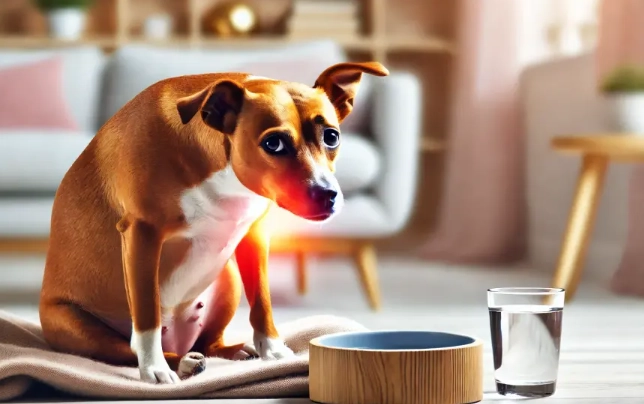
The internet is full of advice, some good, some downright dangerous. My goal here is to cut through the noise. We'll talk about the simple, vet-approved steps you can take, the foods that actually help, and the critical moments when you need to put down the home remedies and pick up the phone. This isn't about replacing your vet – it's about being a smart, prepared pet parent for those common, mild bouts of upset tummy.
Key Takeaway First: For a simple answer, many vets recommend a short period of fasting (12-24 hours, water always available) followed by a bland diet of boiled white meat chicken (no skin, no bones) and plain white rice. This is often the core of a safe home approach for what to give a dog with diarrhea. But there's a lot more to know before you start.
First Things First: Why is Your Dog Having Diarrhea?
Jumping straight to dog diarrhea home remedy without a quick check is like putting a bandage on without looking at the cut. You need a sense of the cause. Most of the time, it's something simple.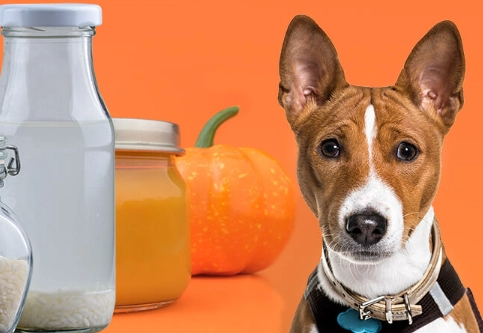
Think about the last 24 hours. Did your dog get into the trash? Snatch a bite of your spicy curry? Have a new treat or food? Stress (like a thunderstorm or a new house guest) can do it too. These are the common, simple causes where home care shines.
But sometimes, it's a sign of something more serious. Things like parasites, bacterial infections, or even underlying diseases like pancreatitis. That's why knowing when to stop the home treatment is just as important as knowing how to start it.
The Golden Rule: When to Call the Vet Immediately
This is the most important section. If you remember nothing else, remember this list. Home treatment is for mild, uncomplicated cases only. If you see any of the following, the internet can't help you – your vet can.
- Blood in the stool (bright red or dark, tarry black).
- Your dog is very lethargic, won't get up, or seems depressed.
- Signs of severe pain – whining, trembling, a hunched back.
- Repeated vomiting along with the diarrhea.
- The diarrhea is frequent and watery and has lasted more than 24-48 hours despite home care.
- Your dog is a puppy, a senior, or has a known health condition (like diabetes). They dehydrate much faster.
- You suspect your dog ate something toxic (chocolate, xylitol, grapes, etc.).
I made the mistake of waiting too long once with my older Lab, thinking it was just a bug. He became lethargic, and it turned out to be a more serious issue. It was a costly lesson in vigilance. Don't gamble with these signs.
Okay, with that crucial warning out of the way, let's assume you've assessed your dog. They're still their usual self, just with a runny bum. They're drinking water. No red flags. Now we can talk about what can I give my dog for diarrhea at home safely.
The Step-by-Step Home Management Plan
Step 1: The Strategic Pause (Fasting)
This often surprises people. The first thing to "give" your dog might be nothing (solid food-wise). A short, 12 to 24-hour fast gives the inflamed gastrointestinal tract a chance to rest and reset. It's like hitting the pause button.
Crucially: Water must always be available.
Do not restrict water. Diarrhea causes fluid loss, and preventing dehydration is priority number one. If your dog isn't drinking, you can try offering ice cubes or a small amount of low-sodium chicken broth (onion-free!) to encourage them. If they refuse water entirely, that's a vet sign.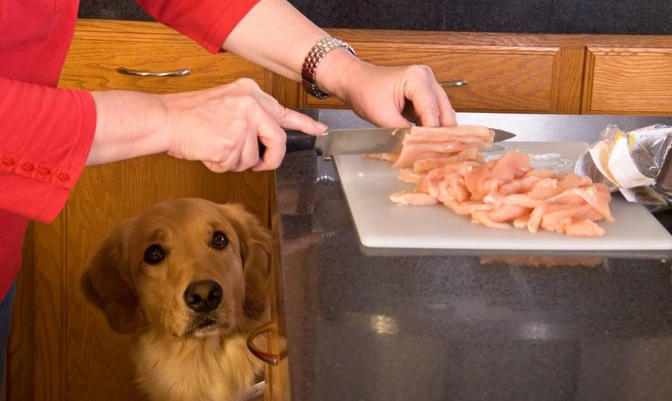
Step 2: The Bland Diet – Your Go-To Answer
After the fast, you introduce a bland, easily digestible diet. This is the core answer to what to give a dog with diarrhea for most owners. The classic combo is:
- Boiled White Meat Chicken: Skinless, boneless. Just boil it in plain water. No oil, no butter, no seasoning.
- Plain White Rice: Well-cooked. Brown rice has more fiber which can be harder to digest during this time.
The ratio is typically 1 part chicken to 2 or 3 parts rice. You feed small, frequent meals – think 3-4 smaller portions throughout the day instead of one or two big bowls. This puts less strain on the gut.
How long? Feed the bland diet until the stools are firm, usually for 2-3 days. Then, you gradually mix in their regular food over the course of 3-4 days. Going straight back to regular kibble can shock the system and restart the problem.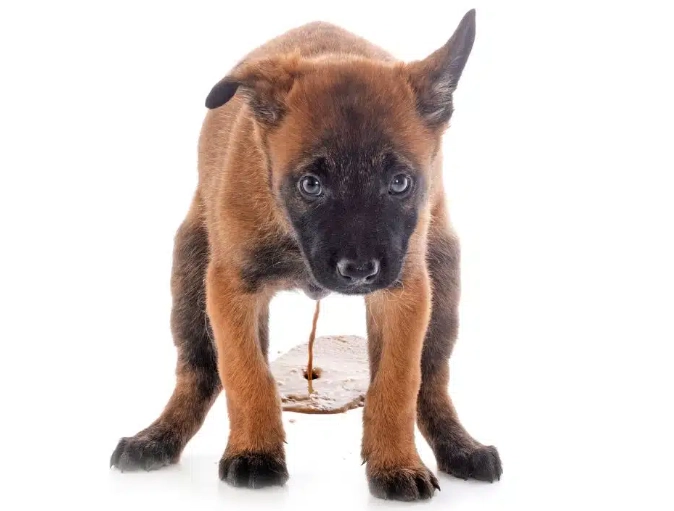
Other Bland Diet Options
Not everyone has chicken and rice on hand. Or, sometimes a dog has a chicken allergy. Here are alternatives:
- Boiled Lean Ground Beef or Turkey: Drain ALL the fat after cooking. Fat can worsen diarrhea.
- Plain Pumpkin (100% pure, not pie filling): A tablespoon or two (depending on dog size) can help firm up stools due to its soluble fiber. It's more of an add-in than a full meal.
- Plain Mashed Sweet Potato: Another easily digestible carb source.
- Commercial Prescription Diets: Your vet may recommend a specific gastrointestinal (GI) diet like Hill's i/d or Purina EN. These are scientifically formulated for digestive upsets.
| Bland Food Option | How to Prepare | Best For / Notes |
|---|---|---|
| Boiled Chicken & White Rice | Boil chicken in water, shred. Cook rice separately in water. | The gold standard. Easy, low-fat, binding. |
| Lean Ground Beef & Rice | Boil or cook, drain ALL fat thoroughly. | Chicken alternative. Must be extra lean. |
| Plain Canned Pumpkin | Serve straight from can (100% pumpkin only). | Adding fiber. Use 1-4 tbsp per meal mixed with food. |
| Boiled White Fish (Cod, Haddock) | Poach in water, no oil or seasoning. | Extremely low-fat, novel protein option. |
Probiotics: The Gut Helper
This is where modern pet care has added a great tool. Probiotics are beneficial bacteria that help restore the natural balance of the gut flora, which gets wiped out during diarrhea. Think of them as reinforcements for your dog's digestive system.
You can find dog-specific probiotics as powders, capsules, or even in some special yogurts. A bit of plain, live-culture yogurt (with no artificial sweeteners, especially xylitol which is toxic) can offer some probiotic benefit, but the concentration in dedicated supplements is much higher. I've used a probiotic paste with good results after a course of antibiotics messed up my dog's stomach.
Organizations like the American Veterinary Medical Association (AVMA) discuss the role of gut health in overall pet wellness, underscoring why supporting it makes sense.
Hydration, Hydration, Hydration
We touched on it, but it bears repeating. Keeping your dog hydrated is the single most important supportive thing you can do. Watch for signs of dehydration: dry gums, loss of skin elasticity (gently pinch the skin on the back of the neck – if it doesn't snap back quickly, that's a concern), and sunken eyes.
If you're worried about hydration, you can offer:
- Electrolyte solutions: Unflavored Pedialyte (not the sports drink versions) can be offered in small amounts. Consult your vet for dosage.
- Ice cubes to lick.
- Watered-down low-sodium broth.
What About Over-the-Counter Human Medicines? (The Danger Zone)
This is a massive point of confusion and danger. People search for dog upset stomach treatment and think of Pepto-Bismol or Imodium. This is where you must be extremely careful.
Do not give your dog any human anti-diarrheal medication without explicit instruction from your veterinarian. Many contain ingredients (like salicylates in Pepto) that can be toxic to dogs in wrong doses. Imodium (loperamide) can be used in some dogs under vet guidance but is deadly for certain breeds like Collies and herding breeds due to a genetic mutation.
Giving the wrong thing trying to solve what can I give my dog for diarrhea at home can lead to poisoning. It's just not worth the risk.
Common Questions Pet Parents Ask (FAQ)
A vet tech friend once told me the most common post-diarrhea mistake she sees is owners getting excited their dog is better and giving a big, rich "get well" meal. It almost always leads to a setback. Go slow when transitioning back to normal food!
Prevention: Keeping the Tummy Happy
Once you've gotten through the episode, think about prevention. Sudden diet changes are a huge culprit. Always transition food over 7-10 days. Be vigilant about what they can scavenge on walks or in the yard. Manage stress. And consider a consistent probiotic, especially for dogs with sensitive stomachs.
For authoritative information on general pet health and nutrition that can support a healthy gut, resources like the Cornell University College of Veterinary Medicine provide excellent, research-backed material. While their feline center is linked, the institution as a whole is a leading voice in veterinary science applicable to all pets.
Putting It All Together: Your Action Plan
So, when you're wondering what can I give my dog for diarrhea at home, here's your mental checklist:
- Assess: Is my dog showing any red flag symptoms (blood, lethargy, vomiting, pain)? If YES → Call Vet. If NO → Proceed.
- Pause: Withhold food for 12-24 hours. Provide unlimited fresh water.
- Bland Diet: Introduce small meals of boiled chicken/rice or alternative bland food.
- Support: Consider a dog-specific probiotic. Prioritize hydration.
- Monitor: Watch stool consistency and your dog's overall energy. If no improvement in 48 hours, or if things worsen at any point → Call Vet.
- Transition Slowly: Once stools are normal for 2-3 days, gradually mix regular food back in over several days.
Having a plan takes the panic out of the situation. You know what safe steps to take and, more importantly, you know the exact signs that mean you need professional help. That balance is what makes a responsible pet owner.
Remember, this guide is for common, mild cases. Your veterinarian knows your individual dog's history and is your ultimate partner in their health. When in doubt, a quick call to their office for advice is always the best policy. It's what I do now, even after years of experience. It gives me peace of mind, and that's worth everything when your furry friend isn't feeling well.
Leave a comment