You're settled on the couch, your cat hops up, circles a few times, and then starts rhythmically pushing their paws into your favorite blanket. That contented, purring push-and-pull motion – often called "making biscuits" or kneading – is one of the most endearing yet puzzling cat behaviors. I've lived with cats for over a decade, and I've been kneaded on by experts. It's a sign of pure bliss, right? Usually, yes. But the story behind why cats knead is more complex and fascinating than most owners realize, weaving together instincts from kittenhood, communication methods, and even health signals.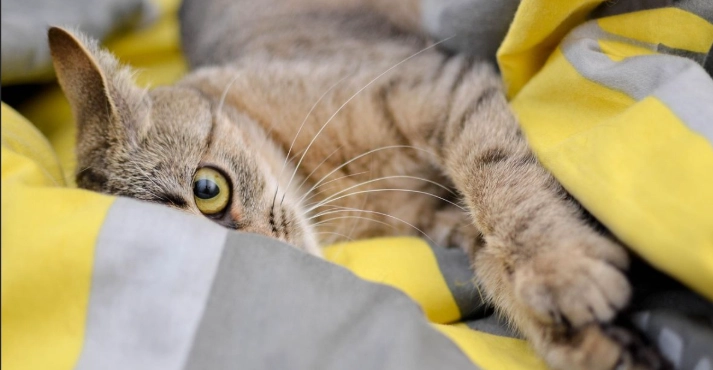
What's Inside: Your Guide to Cat Kneading
What Exactly Is Cat Kneading?
Kneading is when a cat alternates pushing their front paws in and out against a soft surface. They often extend and retract their claws in the process, and you'll usually see them in a state of relaxed contentment, sometimes even drooling. It looks like a baker kneading dough, hence the nickname. While it's most common on blankets, pillows, and laps, some cats will knead the air or even harder surfaces. It's not a trained trick; it's a deeply ingrained, instinctive behavior.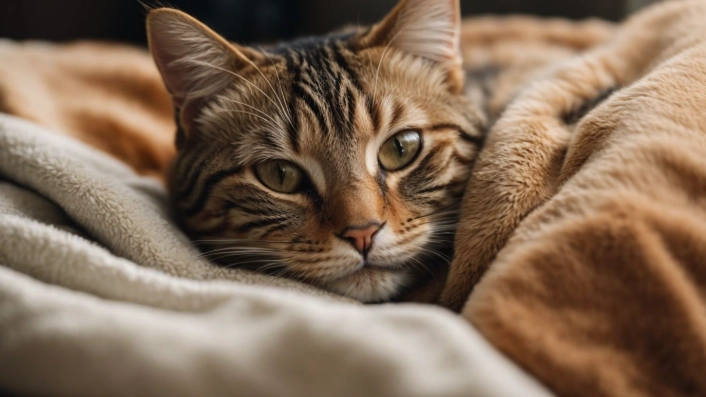
Top 5 Reasons Why Your Cat Kneads
There's no single answer. Cat behaviorists, like those contributing to resources from the American Veterinary Medical Association (AVMA), agree it's a multi-purpose behavior. Think of it as a Swiss Army knife of feline communication and comfort. Here’s a breakdown of the primary motives, from the most to the least common.
| Reason | What's Happening | Typical Context |
|---|---|---|
| 1. Comfort & Contentment | This is the big one. Kneading is a self-soothing, pleasurable action linked to the release of endorphins. It's a cat's ultimate "I'm happy and safe here" signal. | On your lap while being petted, on a warm sunspot, right before settling down for a nap. |
| 2. Nesting & Scent Marking | Cats have scent glands in their paw pads. Kneading deposits their unique scent, claiming the object (or you) as safe and familiar. It's also an ancestral behavior to create a comfortable, flattened nest. | On a new bed or blanket, on your clothes, in a chosen sleeping spot. |
| 3. Kittenhood Muscle Memory | Kittens knead their mother's belly to stimulate milk flow. The comfort and reward association from this period often carries into adulthood as a behavioral "holdover." | Often paired with purring and drooling, sometimes even "nursing" on fabric. |
| 4. Stretching & Muscle Maintenance | The motion is an excellent stretch for the shoulders, paws, and toes. It helps keep their muscles and tendons flexible and claws in good condition. | After waking up from a long sleep, during a general stretching routine. |
| 5. Signaling Readiness to Mate | Unspayed females may knead and vocalize more intensely when in heat. Tomcats might also knead more during this period. This is less common in neutered pets. | Accompanied by loud yowling, restlessness, and a characteristic mating posture. |
The Kitten Connection: Where It All Begins
To really understand kneading, you have to start at the beginning. Newborn kittens are blind and helpless. Their primary survival actions are rooting for a nipple and kneading the mammary gland to stimulate milk let-down. This action is directly linked to nourishment, warmth, and the ultimate feeling of security. Veterinarian and animal behaviorist Dr. Sharon Crowell-Davis has noted that behaviors associated with such a strong positive reward in infancy often persist into adulthood as displacement activities during times of pleasure. In simple terms, the good feelings from kittenhood get permanently wired to the kneading motion.
This is also why some adult cats suckle or drool while kneading. They're fully regressing into that blissful infant state. It's not a cause for concern unless it becomes destructive (like swallowing fabric).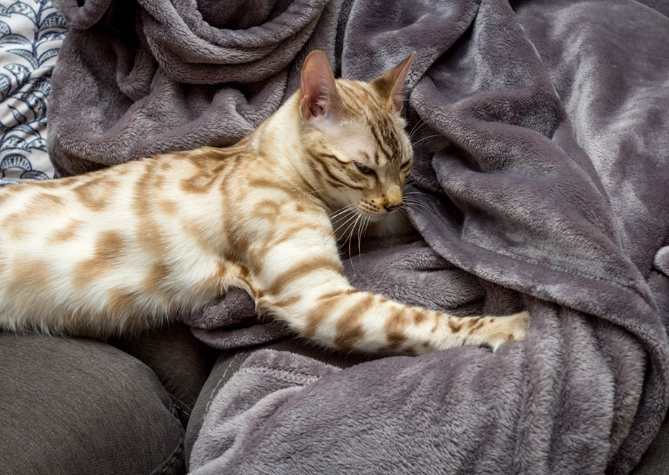
Should You Stop Your Cat From Kneading?
Generally, no. Kneading is a normal, healthy behavior that provides emotional and physical benefits to your cat. Trying to suppress it can cause stress and confusion. The real question isn't whether to stop it, but how to manage it when it becomes uncomfortable for you.
The main pain points for owners are sharp claws and drool on expensive fabrics. I've had a sweater permanently pilled from an enthusiastic kneader. The mistake is yelling "no" or pushing the cat away. This punishes them for showing affection and can damage your bond.
Practical Tips for Living with a Kneading Cat
Instead of stopping the behavior, redirect it or make it more manageable. Here’s what works based on trial and error.
Keep Claws Trimmed: This is the single most effective step. Regularly trimming the tips of your cat's front claws blunts them, making kneading a pleasant experience for everyone. Get them used to it young, use treats, and go slowly.
Provide a Dedicated Kneading Blanket: Keep a specific, thick blanket or pillow in your cat's favorite kneading spot (e.g., the corner of the couch). Encourage its use by placing it on your lap first. The texture matters—most cats prefer fleece, wool, or other nappy fabrics they can really sink their claws into.
The Lap Shield Maneuver: If your cat's claws are too sharp during a lap session, gently slide a cushion, a folded towel, or that dedicated blanket between them and your legs. Most cats will happily continue kneading the new surface.
When to Be Concerned: A sudden, significant increase in kneading, especially if it seems obsessive or is paired with other changes (vocalizing, hiding, not eating), could signal anxiety or pain. Arthritis pain, for example, might make a cat knead more in an attempt to soothe stiff joints. In these cases, a vet visit is warranted.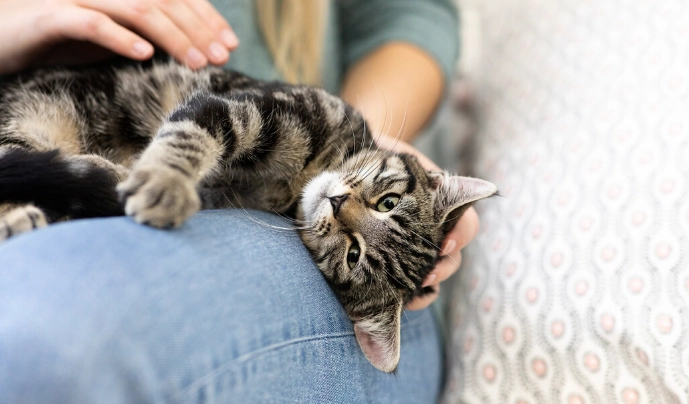
Your Kneading Questions Answered
My cat kneads me but not blankets. Does that mean something special?
Is it true that kneading means a cat was weaned too early?
How can I tell if my cat's kneading is a sign of stress instead of happiness?
My cat drools a lot when kneading. Is this normal?
Why does my cat sometimes knead with all four paws?
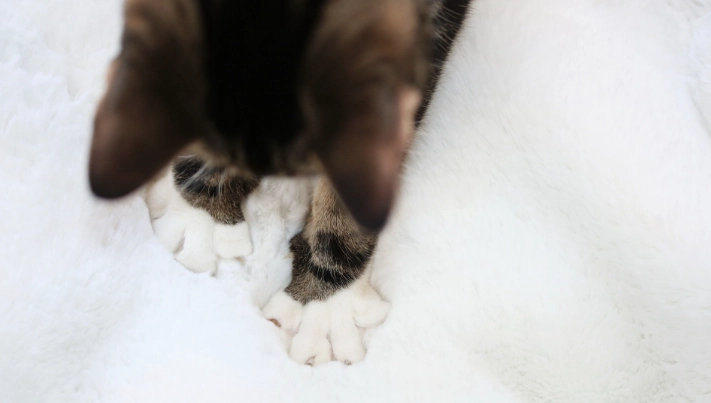 So, the next time your feline friend starts making biscuits on your lap, don't just see it as a quirky habit. See it for what it is: a complex message woven from instinct, memory, and emotion. It's a sign of trust, a claim of ownership, a stretch, and a moment of pure peace—all rolled into one rhythmic, push-and-pull motion. Your job isn't to decode it perfectly every time, but to appreciate the privilege. They feel safe enough with you to act out their most vulnerable, kitten-like behavior. That's the real takeaway. Now, maybe go trim those claws.

Leave a comment