Inside This Guide
- Why Walnuts and Cats Are a Bad Mix (It's Not Just the Choking Hazard)
- Winter-Specific Risks: Why This Question Pops Up Now
- "But My Cat Ate One and Was Fine!" Understanding the Variables
- What to Do If Your Cat Eats a Walnut
- Safe Winter Treats vs. Dangerous Foods: A Clear Comparison
- Answering Your Burning Questions (FAQ)
- Building a Safe and Cozy Winter for Your Cat
- The Bottom Line: Keep It Simple and Safe
Look, I get it. You're probably in your kitchen during the holidays, maybe baking, and a walnut rolls off the counter. Your cat, ever the curious hunter, pounces. Or maybe you're snacking by the fire in the winter, thinking a little nut might be a harmless treat. You type into Google: can cats have walnuts in the winter? The short, no-nonsense answer is no. Not in winter, not in summer, not ever. But that doesn't really help you understand why, does it? And does winter add some extra twist to the danger?
I've had cats for over fifteen years, and I've seen them go after the weirdest things. One of mine once tried to bury a Brussels sprout. So, the question isn't silly. It's a responsible one. This guide isn't about scaring you; it's about giving you the full picture so you can make the best choices for your furry roommate. We're going to dig into the science, the myths, and the practical stuff you need to know.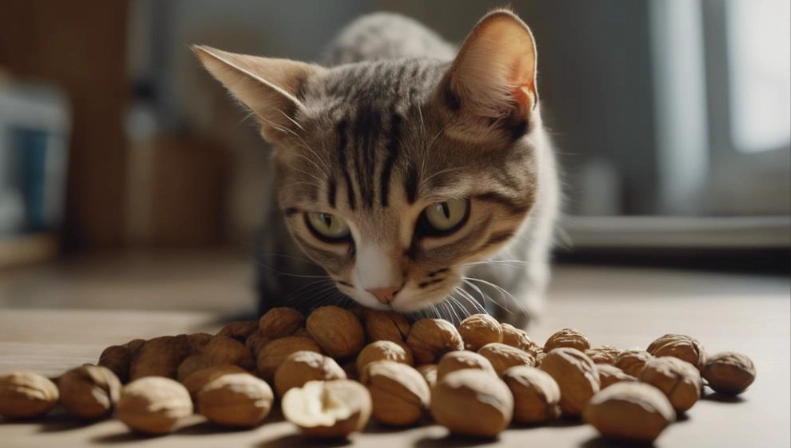
Immediate Takeaway: Walnuts, especially black walnuts and moldy walnuts, are toxic to cats. The "in the winter" part often relates to stored holiday nuts or mold growth in damp conditions, which increases the risk. If you think your cat ate any walnut, contact your vet or the ASPCA Animal Poison Control Center immediately. Don't wait for symptoms.
Why Walnuts and Cats Are a Bad Mix (It's Not Just the Choking Hazard)
Everyone knows nuts can be a choking risk. But that's just the start of the problems with walnuts. Cats are obligate carnivores. Their bodies are designed to process meat, not plant matter and certainly not dense, fatty nuts. Let's break down the specific threats.
The Toxin Trouble: Juglone and Mold
This is the big one. Walnuts, particularly black walnuts (but English walnuts can pose a risk too), contain a compound called juglone. It's a natural toxin the tree uses to ward off competition. For cats, juglone can cause gastrointestinal upset—vomiting, diarrhea, the works. Not fun for anyone involved.
But here's where can cats have walnuts in the winter gets a darker angle. Walnuts stored for winter, especially in damp basements or garages, are prime real estate for mold. This isn't just a little fuzz; the mold that grows on walnuts and other old nuts can produce mycotoxins, specifically tremorgenic mycotoxins. These are nasty. They attack the nervous system and can cause severe symptoms like muscle tremors, seizures, and even liver damage. Winter storage conditions can accidentally turn a bad snack into a potential emergency.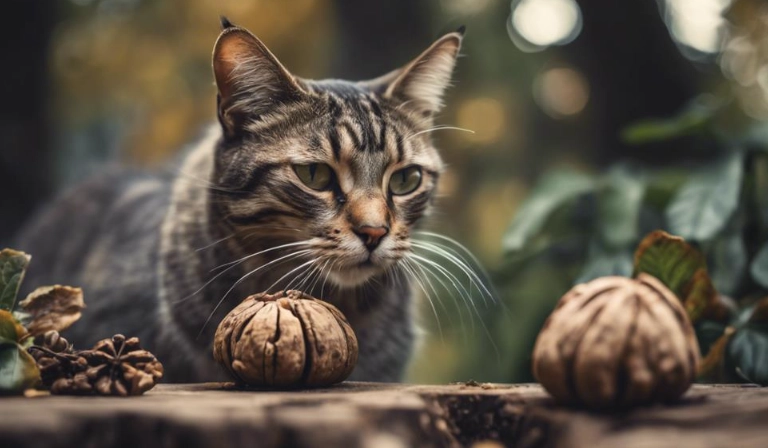
I remember once finding a bag of forgotten mixed nuts in the back of a cupboard. They looked okay at a glance, but when I opened it, that musty smell hit me. If a curious paw had gotten into that... it's a scary thought. It really drove home that it's not just about the fresh nut you're eating, but the old ones lurking around.
The Fat and Pancreas Problem
Walnuts are loaded with fats. Healthy fats for us, but a digestive nightmare for cats. A cat's pancreas isn't built to handle a sudden, large influx of fat. Feeding fatty foods like walnuts can lead to pancreatitis—a painful and serious inflammation of the pancreas. Symptoms include lethargy, severe vomiting, abdominal pain, and dehydration. Treatment often requires hospitalization. Why risk it for a nut they don't even need?
Obstruction and Upset Stomach
Even if the walnut piece is small enough not to choke on, it can cause an intestinal blockage. Cats have narrow digestive tracts. A large, hard, irregularly shaped piece of walnut could get stuck, requiring expensive and invasive surgery to remove. Plus, the high fiber and oil content is a surefire way to give your cat a case of diarrhea or vomiting. Cleaning that up is nobody's idea of a good time.
Winter-Specific Risks: Why This Question Pops Up Now
The season matters. When you ask can cats have walnuts in the winter, you're tapping into a few seasonal realities that other articles might gloss over.
Holiday Food Availability: Walnuts are everywhere from Thanksgiving through New Year's—in baked goods, cheese boards, stuffing, and nut bowls. The opportunities for a cat to snatch one multiply.
Indoor Confinement: Cats are inside more during cold winters. They're bored. A bowl of mixed nuts on the coffee table becomes the most interesting toy in the house.
Storage Hazards: As mentioned, bags of nuts for holiday baking might be stored for weeks. Damp, cool places like a cellar or an uninsulated porch can encourage mold growth, increasing the toxicity risk beyond the juglone.
Human Snacking Habits: We snack more indoors during winter. You're more likely to be eating walnuts on the couch, within leaping distance of your cat, than you are in July.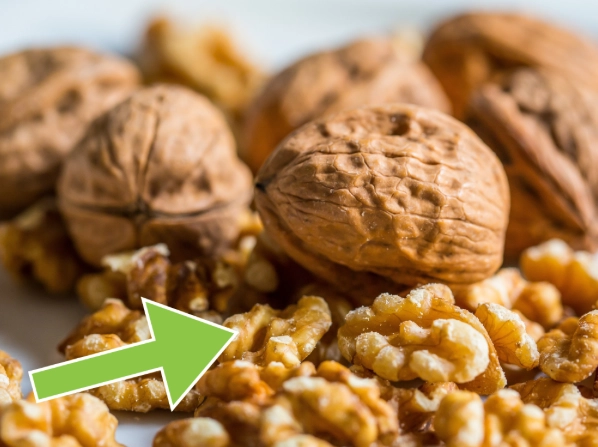
"But My Cat Ate One and Was Fine!" Understanding the Variables
I hear this sometimes. And it's true, some cats might ingest a tiny piece of an English walnut and show no immediate ill effects. But this is dangerous reasoning. It's like saying "I didn't wear a seatbelt and didn't crash today." The risk is still there, and the outcome depends on several factors:
- Type of Walnut: Black walnut vs. English walnut. Moldy vs. fresh.
- Amount Ingested: A crumb vs. a whole nut.
- Your Cat's Size and Health: A tiny kitten vs. a large adult. A cat with a sensitive stomach or pre-existing condition is at higher risk.
- Pure Luck: Whether that particular nut had high juglone content or mold spores.
Gambling with your cat's health based on anecdotal "fine" stories isn't worth it. The official stance from veterinary bodies is clear: avoid.
What to Do If Your Cat Eats a Walnut
Okay, accidents happen. Don't panic, but act quickly. Here’s your step-by-step guide.
Step 1: Don't Induce Vomiting. Unless your vet explicitly tells you to do so. Forcing vomiting on a panicked animal can cause aspiration (inhaling vomit into the lungs).
Step 2: Identify the Culprit. Try to figure out what type of walnut and how much was eaten. Is the rest of the bag moldy? Grab a sample if you can.
Step 3: Call for Help Immediately. Contact your veterinarian right away. If it's after hours, call an emergency vet clinic or a pet poison helpline. The ASPCA Animal Poison Control Center (888-426-4435) is a fantastic, expert resource, though there may be a consultation fee. The American Veterinary Medical Association (AVMA) also provides crucial guidance on poison control.
Step 4: Monitor for Symptoms. Be ready to tell the vet about any symptoms, even mild ones: drooling, pawing at the mouth, vomiting, diarrhea, lethargy, tremors, or difficulty breathing.
Step 5: Follow Professional Advice. They may tell you to monitor at home, or they may instruct you to bring your cat in immediately. Follow their instructions.
Safe Winter Treats vs. Dangerous Foods: A Clear Comparison
You want to give your cat a special little something when it's cold outside. I totally understand that impulse. So let's redirect that energy towards safe options. Here’s a table that cuts through the confusion.
| Food Item | Safe for Cats in Winter? | Notes & Safer Alternatives |
|---|---|---|
| Walnuts (Any kind) | NO | Risk of juglone toxicity, mold, pancreatitis, obstruction. Alternative: A bite of plain, cooked chicken or turkey (no seasoning, bones, or skin). |
| Other Nuts (Almonds, Pecans, etc.) | NOT RECOMMENDED | High fat, salt, choking/obstruction risk. Often coated in harmful seasonings like garlic or onion powder. Best avoided entirely. |
| Pumpkin Puree (Plain, canned) | YES, in moderation | A teaspoon can aid digestion. Ensure it's plain pumpkin, NOT pumpkin pie filling (which has sugar and spices). |
| Plain Cooked Meat | YES, in small amounts | Boiled chicken, turkey, or fish. Absolute best treat. Must be plain—no butter, oil, salt, garlic, or onions. |
| Commercial Cat Treats | YES, per guidelines | Formulated for feline digestion. Still, treats shouldn't exceed 10% of daily calories, even in winter. |
| Dairy (Milk, Cheese) | USUALLY NO | Most adult cats are lactose intolerant. Can cause diarrhea. "Cat milk" products are lactose-free alternatives. |
See? There are plenty of ways to show your cat love without the walnut gamble. A little bit of plain chicken goes a much longer way for them than any nut ever could.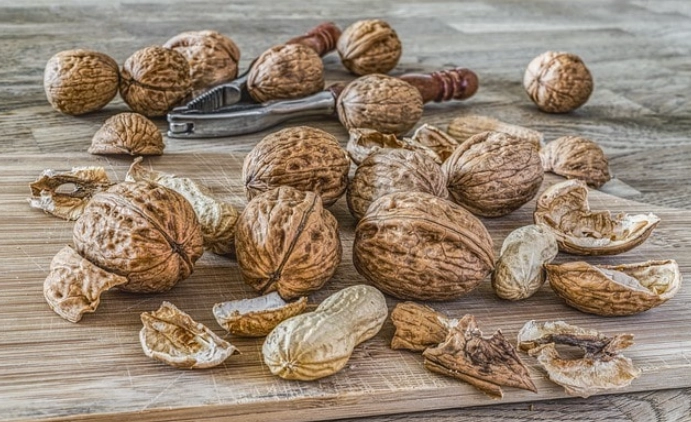
Answering Your Burning Questions (FAQ)
Let's tackle some of the specific questions that might have led you here, beyond just can cats have walnuts in the winter.
What about walnut oil or walnut butter?
Same problem, concentrated. Walnut oil is pure fat, a direct ticket to potential pancreatitis. Walnut butter concentrates the toxins and fats and often contains added salt or sweeteners like xylitol (which is extremely toxic). Don't do it.
My cat licked a walnut shell. Is that dangerous?
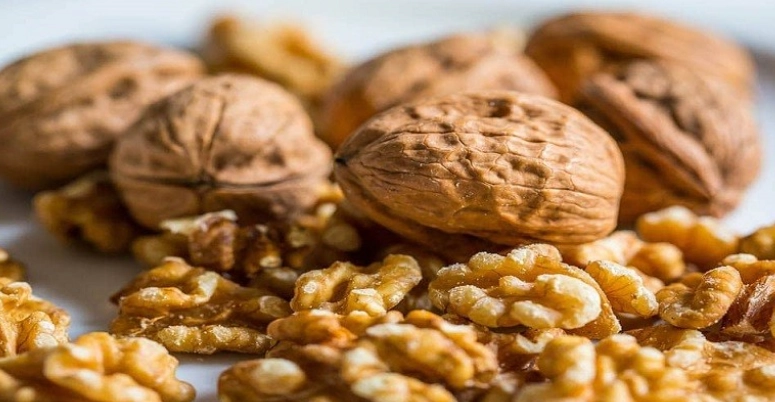
The shell itself is less likely to contain high amounts of juglone, which is more concentrated in the hull and nutmeat. A lick is probably low risk, but wipe their mouth with a damp cloth and watch for any signs of drooling or upset. The main physical danger from shells is sharp edges causing mouth or intestinal cuts if swallowed.
 When in doubt, a quick call to your vet can save you a night of worry.
Are there any nuts that are safe for cats?
Honestly, no nuts are recommended for cats. Their nutritional profile is all wrong for felines—too much fat, wrong kind of protein, risk of additives and molds. The potential downsides consistently outweigh any negligible benefit. Stick to treats made for them.
Why does my cat seem interested in my walnuts?
Cats are curious about anything you're interacting with. The smell of fat and salt might also be intriguing. It's not a sign of nutritional need; it's a sign of curiosity and opportunism. My cat is intensely interested in my avocados, which are also toxic to them. Interest doesn't equal safety.
How can I cat-proof my holiday snacks?
Simple habits make a big difference. Never leave nut bowls unattended. Put baked goods containing nuts in sealed containers or inside a cupboard. Clean up crumbs immediately after baking or snacking. During family gatherings, designate a "cat-safe room" if things get too chaotic and food is everywhere.
Building a Safe and Cozy Winter for Your Cat
Since the core answer to can cats have walnuts in the winter is a firm no, let's focus on what you can do to make the season wonderful for your cat. Their winter needs are more about comfort and engagement than human food.
- Hydration is Key: Winter air is dry. Ensure fresh water is always available. Consider a cat water fountain to encourage drinking.
- Warmth: Make sure their bed is away from drafts. A cozy blanket or a heated cat bed (designed for pets, with low voltage) can be a huge hit.
- Playtime for Energy: They're burning calories to stay warm and are indoors more. Schedule extra play sessions with wand toys or laser pointers (never shine in eyes) to keep them active and prevent boredom-related mischief.
- Diet Check: Discuss with your vet if your cat's food needs adjustment in winter. Indoor-only cats might need slightly fewer calories if they're less active, not more from dangerous table scraps.
My oldest cat, Whiskers, has a ritual of napping on a specific sunbeam that hits the living room rug for exactly 45 minutes on winter afternoons. Making sure that spot is clear and cozy is a better gift to him than any human food. It's about understanding their world, not sharing ours in the wrong way.
The Bottom Line: Keep It Simple and Safe
So, wrapping this all up. Can cats have walnuts in the winter? The answer is a definitive no. The risks—from natural toxins and potential mold to high fat and obstruction hazards—are real and present in every season, but winter circumstances can amplify them.
The best diet for your cat is a high-quality commercial cat food approved by your veterinarian, with the occasional approved treat. When you want to share a moment with them during the cozy winter months, give them your time and attention through play, a new cozy bed, or a vet-approved snack, not a dangerous nut.
Being a great cat owner isn't about knowing every single toxic thing; it's about having the mindset to check when you're unsure. You asking this question, can cats have walnuts in the winter, proves you're already doing that. Now you have the knowledge to keep your curious friend safe, no matter what rolls off the holiday table.




Leave a comment