In This Guide
- What Exactly Are Bromeliads, Anyway?
- The Real Scoop on Bromeliad Toxicity for Dogs
- What to Do If Your Dog Eats a Bromeliad
- Safe Bromeliads vs. Ones to Be Cautious About
- How to Keep Your Dog and Your Bromeliads Happy Together
- Your Bromeliad and Dog Safety FAQs
- Final Thoughts: Making an Informed Choice
So, you're thinking about adding some of those stunning, architectural bromeliads to your home or garden, but there's a furry, four-legged family member giving you the side-eye. I get it. I've got a curious Labrador and a house full of plants, so this topic is close to my heart. The question "Are bromeliads toxic to dogs?" isn't just a simple Google search; it's about peace of mind. You want a straight answer, not a bunch of botanical jargon that leaves you more confused.
Let's cut to the chase.
The short answer? It's complicated. And that's why most quick articles you find online aren't much help. They'll give you a blanket "yes" or "no" without any of the crucial details you actually need to make a decision. A lot of info online is vague or just plain wrong on this topic. I spent a good while cross-referencing scientific sources, veterinary databases, and forums where actual plant and dog people hang out to piece this together.
The Core Takeaway: The vast majority of common bromeliads are considered non-toxic to dogs. However, "non-toxic" doesn't always mean "completely harmless." Some dogs might have mild stomach upset if they decide to make a salad out of your plant, and there are a few specific risks related to the plant's structure that every dog owner should know about.
What Exactly Are Bromeliads, Anyway?
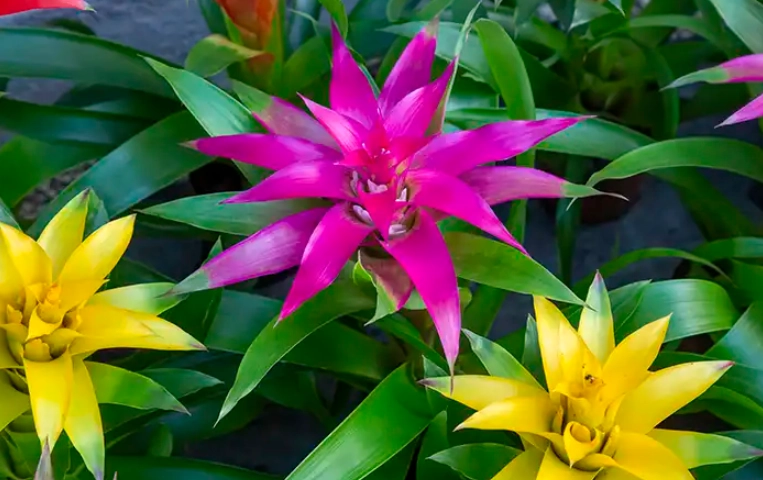
Before we dive into the toxicity question, let's get our terms straight. Bromeliads aren't just one plant. They're a massive family (Bromeliaceae) with over 3,000 species. You've probably seen them without even knowing it. That colorful, spiky centerpiece plant often sold at grocery stores? That's usually a Guzmania or Vriesea. The silvery-gray, fuzzy-looking plant that seems to live on air? That's an air plant, or Tillandsia, which is also a bromeliad. Pineapples? Yep, they're bromeliads too (Ananas comosus).
This diversity is key. Asking "are bromeliads toxic to dogs" is a bit like asking "are flowers poisonous?" It depends entirely on the specific type. Their looks and care needs vary wildly, from desert-dwelling air plants to jungle dwellers that love humidity.
The Real Scoop on Bromeliad Toxicity for Dogs
Here's where we separate fact from fear. To get a reliable answer, I didn't just rely on gardening blogs. I looked at the gold standard for pet owners: the ASPCA (American Society for the Prevention of Cruelty to Animals) Animal Poison Control Center. They maintain an extensive database of plants and their effects on pets.
According to the ASPCA, most popular ornamental bromeliads are listed as non-toxic to both cats and dogs. This includes genera like:
- Aechmea
- Guzmania
- Neoregelia
- Vriesea
- Tillandsia (air plants)
But—and this is a big but—"non-toxic" in the veterinary sense usually means the plant does not contain known systemic toxins that can cause serious organ damage or death. It doesn't guarantee that your dog won't have a reaction.
What Parts of the Bromeliad Could Be Problematic?
Even non-toxic plants can cause issues. Bromeliads have a few features that could bother a nosy pup:
- The Leaves: Many bromeliads have stiff, serrated, or spiny leaves. If a dog chews on them, it could cause mechanical injury to the mouth, tongue, or gums. It's not poisoning; it's more like getting poked by a thorn.
- The Central "Cup" or Tank: This is a big one that many sources miss. Bromeliads like Neoregelia or Aechmea hold water in a central reservoir. This stagnant water can become a breeding ground for mosquitoes, but more importantly for dog owners, it can grow bacteria, mold, or even host small insect larvae. If your dog drinks from this cup, they could get an upset stomach or a bacterial infection.
- The Sap: Some people report that the sap from certain bromeliads can be mildly irritating, causing drooling or lip-smacking. This seems to be an individual sensitivity rather than a universal toxin.
My own dog, a Labrador with a stomach of steel and the curiosity of a cat, once took a big slurp from the center of my Neoregelia. The result? A day of slightly loose stools and a lesson learned for me. No serious harm, but it wasn't pleasant for anyone involved. I'm much more careful about flushing the central cup weekly now.
Are There Any *Actually* Toxic Bromeliads?
This is the critical gap I found in a lot of online content. The general statement "bromeliads are safe" isn't 100% accurate for the entire plant family. While the ornamental ones are generally okay, there are exceptions and related risks.
The primary concern isn't a common houseplant bromeliad, but rather a lookalike. Some plants that have a similar rosette shape to bromeliads are highly toxic. For example, certain agaves or aloes can be mistaken for bromeliads by a novice plant buyer. Always check the plant tag or do a quick image search if you're unsure.
Furthermore, the pineapple plant itself (Ananas comosus), while the fruit is edible, has very sharp, tough leaves that can cause physical injury, and the core of the fruit can be a choking hazard.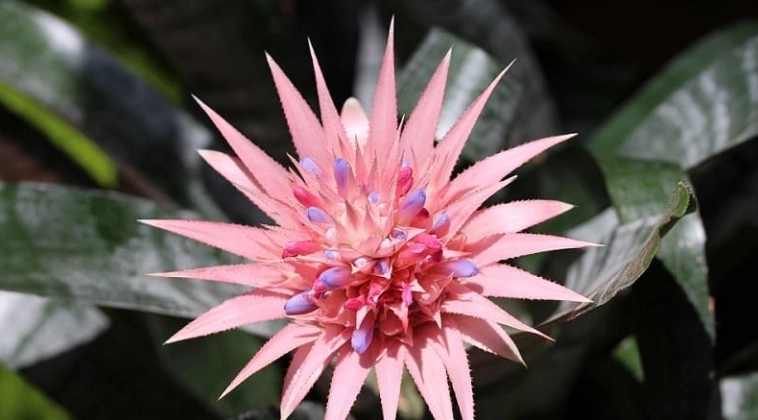
What to Do If Your Dog Eats a Bromeliad
Even with the best intentions, accidents happen. Your dog might knock over a plant and decide it's a new chew toy. Here's your step-by-step action plan. Don't panic—that's rule number one.
- Stay Calm and Assess: How much of the plant did they actually eat? Was it a nibble on a leaf tip or did they devour half the plant? Try to identify the specific bromeliad if you can (take a picture).
- Remove Plant Material: Gently clear any bits of leaves from your dog's mouth, if you can do so safely without getting bitten.
- Observe for Symptoms: Watch for any signs of distress. For a bromeliad, the most likely issues would be:
- Excessive drooling or pawing at the mouth (from leaf spines or sap irritation).
- Vomiting or retching.
- Diarrhea.
- Lethargy or loss of appetite.
- Contact Your Vet or a Poison Hotline: This is the most important step. Even if you think "are bromeliads toxic to dogs" has a 'no' answer, your vet needs to know. Call your regular veterinarian. If it's after hours, contact an emergency vet clinic or a pet poison helpline.
Keep these numbers handy:- ASPCA Animal Poison Control Center: (888) 426-4435 (A consultation fee may apply). Their website is an invaluable resource: ASPCA Poison Control.
- Pet Poison Helpline: (855) 764-7661 (Fee applies).
Having been through a couple of plant-related scares myself, I can't stress enough how valuable it is to have your vet's number and the location of the nearest 24-hour emergency clinic saved in your phone. It saves precious minutes.
Safe Bromeliads vs. Ones to Be Cautious About
Let's make this practical. Here's a quick-reference table to help you navigate the most common bromeliads you'll find at the nursery. Remember, even with "Safe" plants, the central cup water and spiny leaves are potential irritants.
| Bromeliad (Common Name/Genus) | Picture & Features | Toxicity Status for Dogs | Specific Risks & Notes |
|---|---|---|---|
| Tillandsia (Air Plants) | Silvery, fuzzy, no soil needed. Often mounted on wood or in glass globes. | Generally Safe | Very low risk. No central water cup. The main risk is if a dog swallows a whole plant, which could cause a blockage. |
| Guzmania | Bright red, orange, or yellow flower spike from a central rosette of smooth, strap-like leaves. | Generally Safe | Leaves are usually soft and not spiny. The central cup holds water—keep it clean or flush regularly to prevent bacterial growth. |
| Vriesea (Flaming Sword) | Flat, sword-shaped flower head, often bright red/yellow. Leaves form a water-holding vase. | Generally Safe | Similar to Guzmania. Primary concern is the stagnant water in the central tank. |
| Aechmea | Pink, spiky flower head. Leaves are often banded and have small spines along the edges. | Safe but Cautious | ASPCA lists as non-toxic. However, the spiny leaf edges can cause mechanical injury to a dog's mouth. A bigger physical hazard than a chemical one. |
| Neoregelia | Low, spreading rosette. Leaves are often brilliantly colored (pink, purple) in the center. Holds a lot of water. | Safe but Cautious | Non-toxic, but the large, accessible water cup is a major temptation for dogs to drink from. This is the biggest risk factor with this popular type. |
| Cryptanthus (Earth Star) | Low-growing, star-shaped rosettes with wavy, striped leaves. Grows in soil. | Generally Safe | No significant central cup. Leaves are somewhat tough but not usually spiny. Considered very low risk. |
| Dyckia (Sometimes sold as a bromeliad relative) | Looks like a small, very spiky agave. Extremely rigid leaves with sharp teeth. | Physical Hazard | While not systemically toxic, this plant is a physical danger. The spines can seriously injure paws, noses, and mouths. I'd avoid it completely with active dogs. |
How to Keep Your Dog and Your Bromeliads Happy Together
Coexistence is totally possible. It's about smart placement and management, not necessarily getting rid of your plants. If you're a plant lover with a dog, these strategies are lifesavers.
1. Elevate Your Plants: This is the simplest solution. Use tall plant stands, hanging baskets (for lighter bromeliads like Tillandsia), or high shelves. Make sure the shelf is stable and can't be tipped over by a curious nose. My rule of thumb is "nose height or higher."
2. Manage the Water Cup: For bromeliads that hold water (the tank types), make it part of your weekly plant care routine to flush out the old water. Tip the plant over a sink, let the stagnant water drain out, and then refill it with fresh, clean water. This dramatically reduces the risk of bacterial growth that could upset your dog's stomach if they do take a drink.
3. Create a Physical Barrier: A simple decorative garden fence around a plant grouping on the floor, or placing larger plants behind other furniture, can be a gentle deterrent.
4. Use Natural Deterrents: Some dogs dislike the smell of citrus. A light mist of diluted lemon juice on the outer leaves (not in the central cup, as it could harm the plant) might make the plant less appealing to chew. Always test a small area on the plant first to ensure it doesn't cause damage.
5. Provide an Alternative: Sometimes, chewing plants is a sign of boredom or a need for more fiber. Make sure your dog has plenty of appropriate, vet-approved chew toys. You can even grow a pot of pet-safe wheatgrass or oat grass for them to nibble on—it satisfies the urge without risking your decor.
6. Training is Key: A solid "leave it" command is invaluable for any dog owner. Consistently reward your dog for ignoring plants. It takes time, but it's a long-term solution that applies to many situations beyond your bromeliads.
Your Bromeliad and Dog Safety FAQs
Final Thoughts: Making an Informed Choice
So, after all this, what's the final verdict on "are bromeliads toxic to dogs"? For the typical bromeliad you buy at a home and garden store—the Guzmania, the air plant, the Vriesea—you can breathe a sigh of relief. They are not considered poisonous. The risk is low, but it's not zero. The risks are primarily physical (spiny leaves) or bacterial (stagnant water), not chemical.
Your job as a responsible pet and plant parent is to manage those risks. Put spiky plants up high. Keep those water cups fresh. Train your dog. Know the signs of trouble and have a plan.
I love my plants, and I love my dog more. With a little bit of knowledge and precaution, I don't have to choose between them. You don't either. You can have that stunning, tropical look in your home and the peace of mind that your furry friend is safe. Just be smart about it.
If you take away one thing from this, let it be this: Don't just stop at the simple search. Understand the *why* and the *how*. Now you know not just the answer, but all the reasons behind it, and exactly what to do about it. That's the kind of info that lets you enjoy your hobbies without the hidden worry.
Now go give your dog a pat, check the water in your bromeliads, and maybe even feel confident enough to add a new, safe, pet-friendly plant to your collection.




Leave a comment