Key Insights
Picture this. It's a beautiful summer afternoon. Your dog is happily sniffing around the garden, maybe chasing a fly, when suddenly you hear a sharp yelp. He starts pawing frantically at his face, drooling more than usual, and seems genuinely distressed. You get closer and notice his lip or tongue looks puffy. The realization hits you: your dog has been stung by a bee, and the sting is inside his mouth.
That moment is pure panic for any pet owner. I remember when it happened to my friend's Labrador, Max. One second he was trying to catch a bumblebee mid-air (a terrible hobby, by the way), the next he was whining and rubbing his muzzle on the grass. My friend was frozen, not knowing if this was a minor annoyance or a full-blown emergency. It's a scenario that plays out more often than you'd think, especially with curious dogs who explore the world with their mouths.
A dog stung by a bee in the mouth is a different beast compared to a paw or leg sting. The tissues inside the mouth are sensitive, have a rich blood supply, and swelling in that confined space can quickly become serious. This guide isn't about scaring you. It's about giving you the clear, actionable, and calm information you need from the first second of panic through to recovery and prevention. We'll walk through exactly what to do, what to watch for, and how to help your furry friend feel better.
Is a Bee Sting in a Dog's Mouth an Emergency?
This is the first question that floods your mind, and the answer isn't always a simple yes or no. It depends entirely on your dog's individual reaction. For most dogs, a single sting is painful and upsetting but not life-threatening. Their body will react locally to the venom, causing swelling, pain, and redness at the sting site.
However, the location—the mouth—automatically raises the stakes. Swelling that might be a nuisance on a paw can partially obstruct an airway or make swallowing difficult when it's on the tongue, gums, or back of the throat. Furthermore, some dogs are allergic to bee venom. Just like humans, they can have a systemic reaction that affects their entire body, and that's where the real danger lies.
So, let's break it down. How can you tell the difference between a "manage-at-home" situation and a "get-to-the-vet-now" emergency? The symptoms usually give you a pretty clear signal.
Signs It's Probably Not a Major Emergency (But Still Needs Care)
- Localized swelling: Just around the sting site (e.g., one lip, a spot on the tongue).
- Pain and pawing: Your dog is bothered, crying, rubbing his face.
- Excessive drooling: Because it's sore and weird-feeling in there.
- Whining or mild agitation: He's uncomfortable and telling you about it.
Red Flags: Signs You Need Emergency Veterinary Care
- Difficulty breathing: Noisy breathing (wheezing, stridor), gasping, or blue-tinged gums.
- Extensive swelling: Swelling that spreads rapidly to the face, neck, or seems to be moving down the throat.
- Vomiting or diarrhea: Especially if it happens repeatedly.
- Weakness, stumbling, or collapse: A sign of dropping blood pressure.
- Pale gums: Instead of a healthy pink.
- Widespread hives: Bumps or welts appearing all over the body, not just the mouth.
If you see any of the red flags, stop reading and act. Time is critical.
The Step-by-Step Guide: What to Do Right Now
Okay, you've assessed your dog. He's in discomfort, maybe a bit swollen, but he's breathing normally and alert. You're in the "manageable but urgent" category. Here's your action plan. I've found having a mental checklist stops you from running in circles.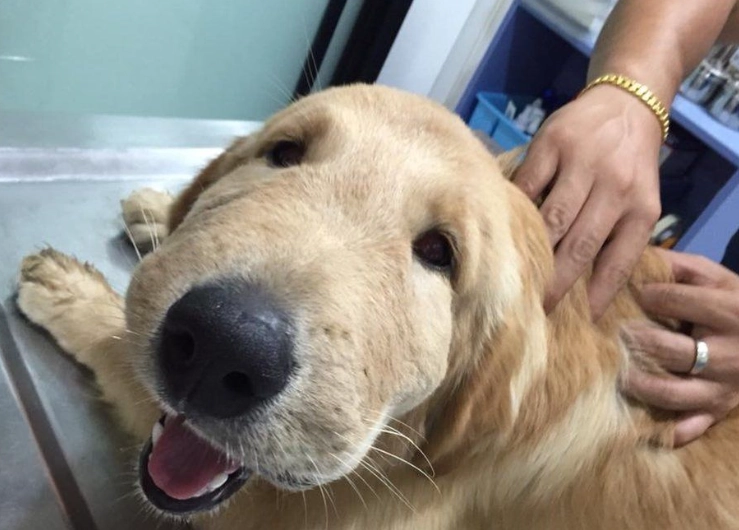
Immediate Action Steps
- Stay Calm: Your dog feeds off your energy. Panicking will make him more anxious. Take a deep breath. You've got this.
- Restrain Gently (If Safe): A hurt, scared dog might snap. If your dog is usually gentle, you can try to gently hold his muzzle or have someone help hold him still. If he's growling or showing teeth, don't risk a bite. Your safety matters too.
- Locate the Stinger: Bees leave a barbed stinger attached to a venom sac. Wasps and hornets do not. If it was a bee, you need to remove it. Do not use tweezers! Pinching the venom sac can inject more venom. Instead, use the edge of a credit card, your fingernail, or a blunt knife to scrape it out. In the mouth, this can be tricky. If you can't see it or it's too deep, don't dig around. The body will eventually encapsulate it.
- Apply a Cold Compress: This is the single most helpful thing you can do. Wrap an ice pack or a bag of frozen peas in a thin towel. Gently hold it against the swollen area on the outside of the muzzle/cheek for 5-10 minutes at a time, with breaks. This reduces swelling, numbs pain, and slows venom spread.
- Offer Cool Water: Let your dog drink small amounts of cool water if he wants to. It can be soothing. Don't force it.
What about giving human medication? This is where you have to be incredibly careful.
Some veterinarians may recommend a specific, weight-appropriate dose of an antihistamine like diphenhydramine (Benadryl) to help with swelling and mild allergic response. However, you must call your vet first to get the correct dosage for your dog's weight and confirm it's safe for them. Benadryl is not a cure-all and won't stop a severe reaction. The American Veterinary Medical Association (AVMA) provides resources on safe medication practices for pets, which is a good starting point for understanding the complexities.
Home Care and Soothing Remedies
Once the immediate crisis is over and you know your dog isn't having a severe reaction, your job shifts to comfort and monitoring. The swelling from a bee sting in a dog's mouth can peak within 6-12 hours and then gradually subside over a couple of days.
Here are some things that can help:
- Soft Food: Swap his kibble for something easy to swallow. Wet dog food, plain boiled chicken and rice, or even soaking his regular food in warm water or low-sodium broth to make a mush. My friend ended up feeding Max meatballs of wet food by hand for a day because his lip was so puffy he couldn't eat from a bowl.
- Cold Treats: A great way to reduce swelling from the inside! Offer ice cubes, frozen low-sodium chicken broth cubes, or a small amount of dog-safe frozen yogurt.
- Quiet Rest: Keep him calm and indoors. Excitement and heat can worsen swelling.
- Monitor Closely: Keep checking on him every hour or so. Look at his gums (they should be pink), listen to his breathing, and watch his behavior. Is the swelling going down or getting worse? Is he drinking water?
Some people swear by a paste of baking soda and water (to neutralize acidic bee venom) or applying aloe vera gel. If you try these, make sure your dog doesn't lick and ingest large amounts. Honestly, in my experience, the cold compress is the MVP of home care.
Understanding Allergic Reactions: The Real Danger
This is the part we all fear. An allergic reaction can turn a simple sting into a nightmare in minutes. It's not common, but it's serious enough that every dog owner should know the signs. The reaction happens when the immune system goes into overdrive against the venom.
There are two main types:
- Localized Severe Reaction: The swelling is massive and disproportionate. Think of the entire muzzle ballooning, or the tongue swelling so much it hangs out of the mouth. It's scary-looking and needs vet attention (steroids and antihistamines) but isn't typically life-threatening if the airway is clear.
- Systemic Reaction (Anaphylaxis): This is the full-body, life-threatening emergency. The venom causes blood vessels to dilate massively, leading to a dangerous drop in blood pressure (shock), difficulty breathing due to airway constriction, and potentially organ failure. It can progress with terrifying speed.
The tricky part? A dog can have a mild reaction to his first sting and a severe one to the next. There's no reliable way to predict it. The Merck Veterinary Manual notes that while rare, anaphylaxis from insect stings does occur in pets and requires immediate aggressive treatment.
If your dog ever has a severe reaction, your vet will likely talk to you about carrying an epinephrine auto-injector (like an EpiPen) for future emergencies if you live in a high-risk area. It's a conversation worth having.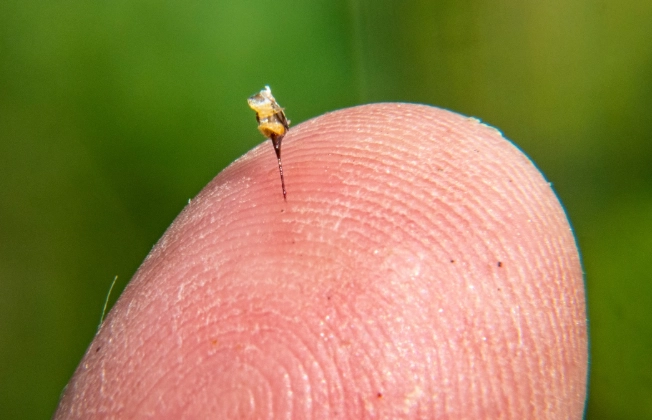
Prevention: How to Stop It From Happening Again
Let's be real. You can't bubble-wrap your dog. If he goes outside, he might encounter bees. But you can make it a lot less likely.
- Bee-Proof Your Yard: This is the big one. Regularly check for and remove ground nests (often in old rodent holes). Fill in holes. Keep garbage cans sealed tightly. If you have a serious wasp or hornet problem, consider professional pest control that uses pet-safe methods.
- Train a "Leave It" Command: This is golden. A solid "leave it" can stop your dog from snapping at that buzzing insect. It takes practice but is one of the most useful commands for overall safety.
- Avoid Attractants: Don't leave sweet drinks, food, or fallen fruit from trees lying around in your yard. These are bee magnets.
- Walk Smart: On walks, keep your dog on a leash and avoid letting him stick his nose into dense flowering bushes or around picnic areas.
- Water Watch: Bees often gather around water sources. Be cautious around outdoor pet water bowls, bird baths, or ponds.
I'm skeptical of most "natural bee repellent" sprays for dogs. The efficacy is questionable, and you have to be careful about ingredients like essential oils, which can be toxic to dogs if applied incorrectly. The ASPCA Animal Poison Control Center lists many common essential oils as toxic to pets. It's better to focus on environmental management and training.
FAQs: Your Top Questions Answered
Over the years, I've heard every question imaginable from worried dog owners. Here are the most common ones, answered straight.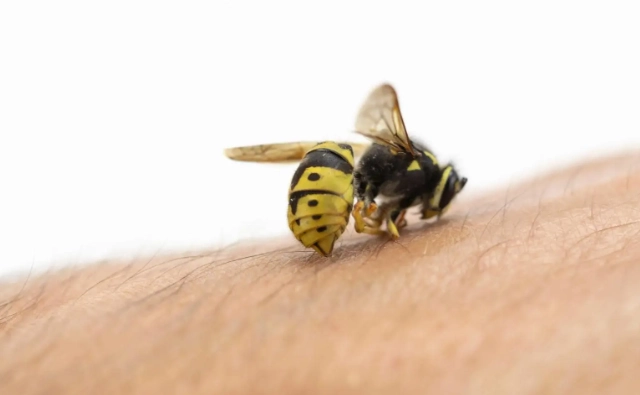
My dog ate the bee after he got stung! Is that bad?
Probably not. The bee itself isn't poisonous to eat (though it's crunchy). The main concern is if there are multiple stings inside the mouth from the bee thrashing. Just monitor for the usual signs of a reaction.
How long does the swelling last from a dog stung by bee in mouth?
It usually starts to go down within 24 hours and should be significantly better or gone within 2-3 days. If swelling persists or worsens after 24 hours, call your vet. It could indicate an infection or a lingering reaction.
Can I give my dog children's Benadryl?
You can give diphenhydramine, which is the active ingredient in most Benadryl. BUT it must be the plain kind—no added decongestants, pain relievers, or alcohol. And you must know the exact dose for your dog's weight. A vet call is non-negotiable here. A typical dose is about 1 mg per pound of body weight, given 2-3 times a day, but your vet may adjust this.
My dog's mouth is stung by a bee and he won't eat. What do I do?
This is normal for the first 12-24 hours. Offer super tempting, soft, smelly foods. Hand-feeding often helps. If he goes more than 24 hours without eating or drinking, it's time for a vet visit. Dehydration is a risk.
Are some dogs more at risk?
Yes. Brachycephalic (short-nosed) breeds like Pugs, Bulldogs, and Boston Terriers are at higher risk because their airways are already compromised. Swelling in their mouth or throat can become critical much faster. Extra caution is needed.
Bee vs. Wasp vs. Hornet: Does it matter?
It can. Bee venom is acidic, and wasp/hornet venom is alkaline. That's where the old "baking soda for bees, vinegar for wasps" advice comes from, but in reality, by the time you've identified the insect, the primary venom injection has happened. The more practical difference: bees leave a stinger, wasps and hornets can sting multiple times. A multiple-sting attack is always more dangerous.
When to Definitely Call the Vet
Sometimes you just need a professional opinion. Don't hesitate to call your vet if:
| Situation | Reason to Call |
|---|---|
| Swelling is severe or not improving after 24 hours | Might need prescription anti-inflammatories or steroids. |
| Your dog is in significant pain | Vets have safe, stronger pain relief options. |
| You can't find/remove the stinger and it's visible | A vet can remove it safely under sedation if needed. |
| Signs of infection appear later (pus, foul smell, fever) | The sting site has become infected and needs antibiotics. |
| Your dog has a history of allergic reactions | They may advise pre-emptive treatment or monitoring. |
| Multiple stings, especially from a swarm | The venom load is higher, increasing risk of systemic effects. |
A quick phone call can give you peace of mind and clear instructions. It's always better to err on the side of caution.
The Bottom Line
Most dogs who experience a dog stung by bee in mouth incident come through it just fine with some quick first aid and TLC. The key is to stay calm, act quickly with cold compresses, and be a hawk about monitoring for those red flags of a severe allergic reaction. Prevention is about smart management of your space and a good "leave it" command. Now you're equipped with the knowledge to handle this scary situation, so you can turn that moment of panic into confident action for your best friend.
Max the Labrador made a full recovery, by the way. His muzzle was comically large for a day, he enjoyed a diet of gourmet chicken mush, and he learned precisely nothing from the experience. He still tries to chase bees. Some dogs never learn. But at least his owner knows what to do now.

Leave a comment