You're staring at your dog's fresh stitches, then at the dreaded plastic "cone of shame," and finally at that comfortable-looking travel neck pillow on your couch. The thought hits you: Can I use a neck pillow as a dog cone? In a pinch, maybe. As a reliable solution, almost never. Let's cut through the hopeful DIY ideas and talk about what actually keeps your dog safe. The short answer is that a human neck pillow is a poor substitute for a proper Elizabethan collar (E-collar) and can lead to failed recovery, infection, or worse. I learned this the hard way years ago with my Labrador, Finn, leading to an expensive and stressful emergency vet visit. This guide will explain why, explore the rare exceptions, and give you a clear roadmap of better, vet-approved alternatives.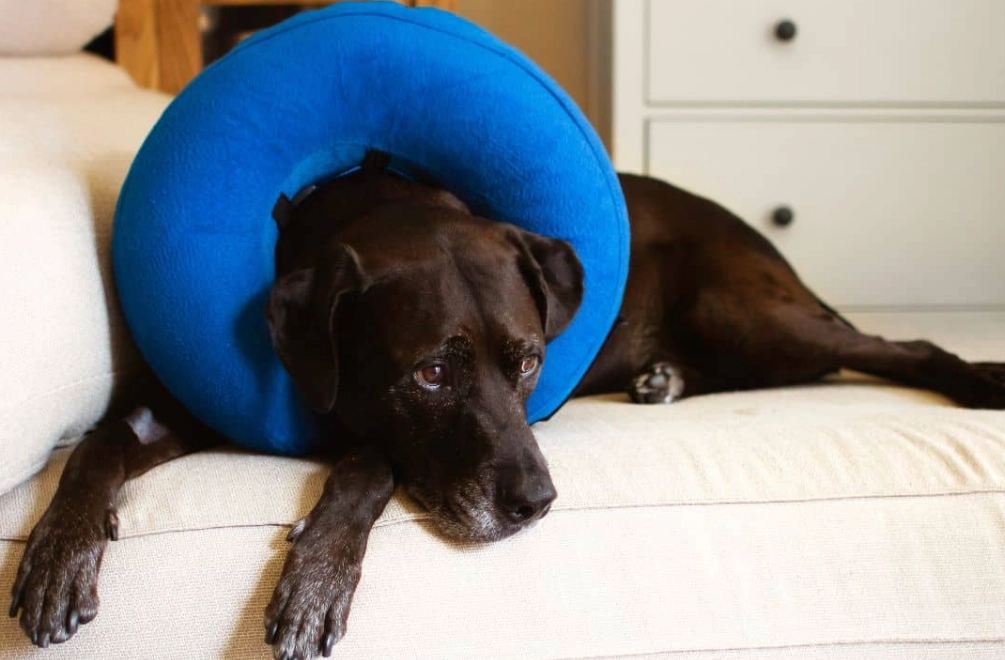
What You'll Learn in This Guide
Why a Neck Pillow Often Fails as a Dog Cone
The core purpose of a recovery collar is simple: prevent the dog's mouth from reaching a wound. A human neck pillow is designed for comfort and neck support, not for creating a physical barrier. Here’s where it falls apart, point by point.
It's too flexible and compressible. A determined dog can easily squish the pillow down with their chin or against furniture to get a lick in. That single lick can introduce bacteria. The American Veterinary Medical Association emphasizes that preventing licking and chewing is critical to avoid infection and allow proper healing. A flimsy barrier is no barrier at all.
The coverage is wrong. Neck pillows are a circle. They don't extend far enough forward from the dog's neck to block the nose from reaching the front legs, chest, or paws. Your dog can simply look down and go to town on a paw bandage.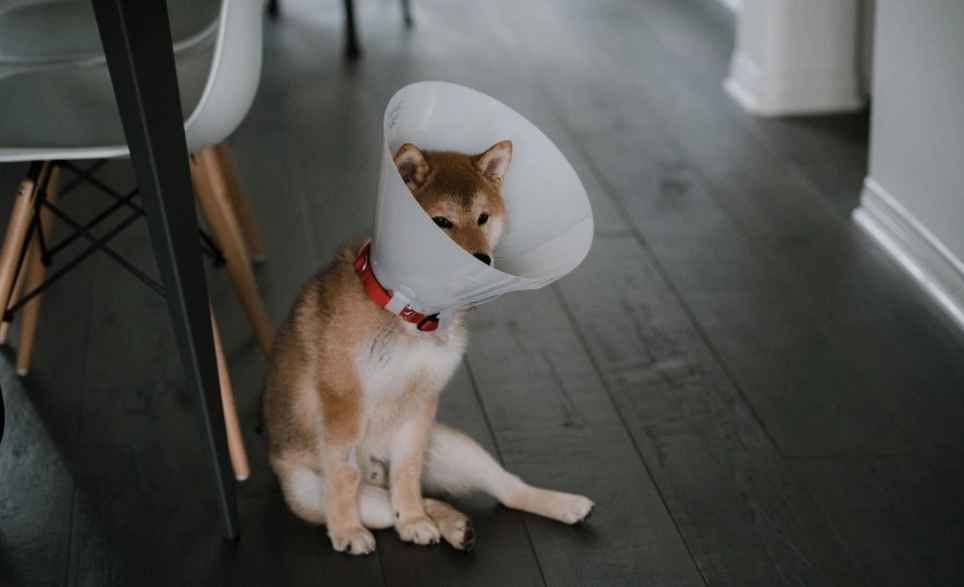
The Big Risk: The most dangerous misconception is using a neck pillow for post-surgical abdominal or flank wounds. Dogs are incredibly flexible. They can twist and contort to reach these areas even with a pillow on. A failed barrier here can mean ripped internal stitches, a life-threatening condition requiring immediate surgery.
It can be a choking or entrapment hazard. Looser neck pillows can shift, and dogs—especially anxious ones—might try to paw them off. Straps or the pillow itself could get caught on crate doors, furniture, or their own legs, causing panic or injury.
I tried the neck pillow trick with Finn after a minor claw injury. It seemed fine for an hour. Then I found him in his crate, having somehow maneuvered the pillow to the side and diligently licking his wound bloody again. The temporary convenience cost me a setback in healing and major guilt.
The Only Scenario Where a Neck Pillow Might Work
Let's be brutally honest. The only time I'd even consider a neck pillow as a temporary, supervised measure is for a very specific, low-risk situation.
Scenario: A very large, calm dog with a high-cut wound on the back of their neck or upper shoulders—a place they can't easily twist to reach. And you need a 30-minute stopgap because the proper cone is in the mail, or you're on your way to the pet store.
Even then, you must modify it. Don't just plop it on. You need to secure it tightly with medical tape or vet wrap so it cannot rotate or be pushed down. The dog must be under your direct eyesight the entire time. No leaving the room. No putting them in a crate with it on.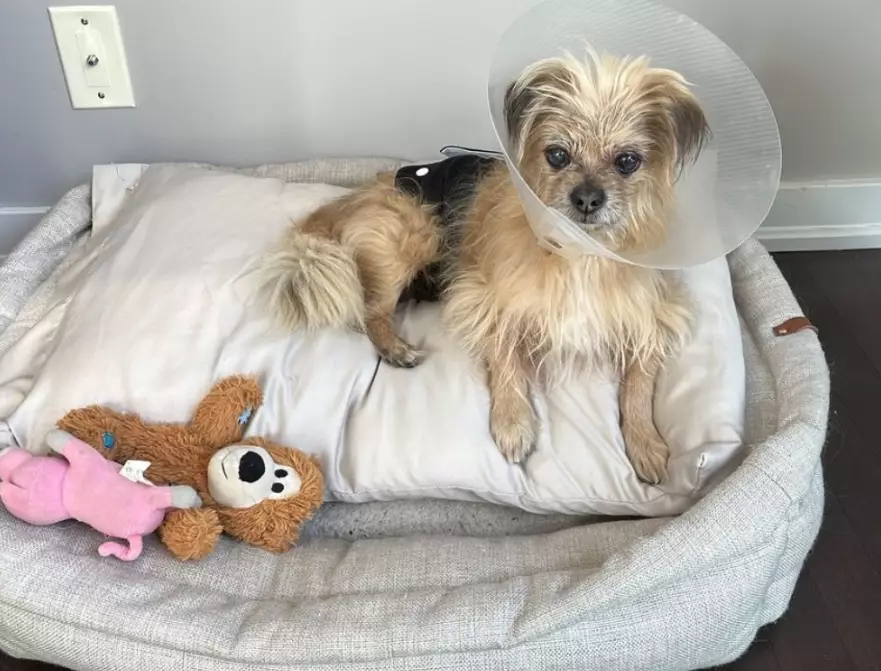
Key Takeaway: Think of a neck pillow in this context as a temporary "reminder" device for a stoic dog, not a protective medical device. If your dog is anxious, persistent, or the wound is anywhere on the front half of their body, skip this idea entirely.
Top 5 Vet-Recommended Dog Cone Alternatives
Forget the neck pillow. The market is full of purpose-built solutions that are safer and more comfortable. Here’s a breakdown of the most effective ones.
| Type | Best For | Pros | Cons | Vet Approval Rating |
|---|---|---|---|---|
| Inflatable Collar (Donut) | Chest, leg, paw wounds. Dogs who need to eat/drink easily. | Soft, allows peripheral vision, less stressful, often more comfortable for sleeping. | May not protect neck/back wounds. Persistent dogs can still reach around it. | High (for appropriate wounds) |
| Soft Fabric E-Collar | Dogs who bang into walls with plastic cones. Home use. | Flexible, quiet, protects from all angles, often machine washable. | Can get dirty/wet easily. May not be as rigid for determined chewers. | High |
| Recovery Suit (Surgical Suit) | Torso, abdominal, flank surgeries. Spay/neuter recovery. | Full-body protection, eliminates cone anxiety, keeps wound clean. | Need to remove for bathroom breaks. Can be warm. Requires correct sizing. | Very High (for body wounds) |
| Neck Brace Collar | Dogs with neck injuries or who can't tolerate wide cones. | Limits head mobility significantly, low profile. | Not for all wound types. Can be uncomfortable for long-term wear. | Medium (specific use) |
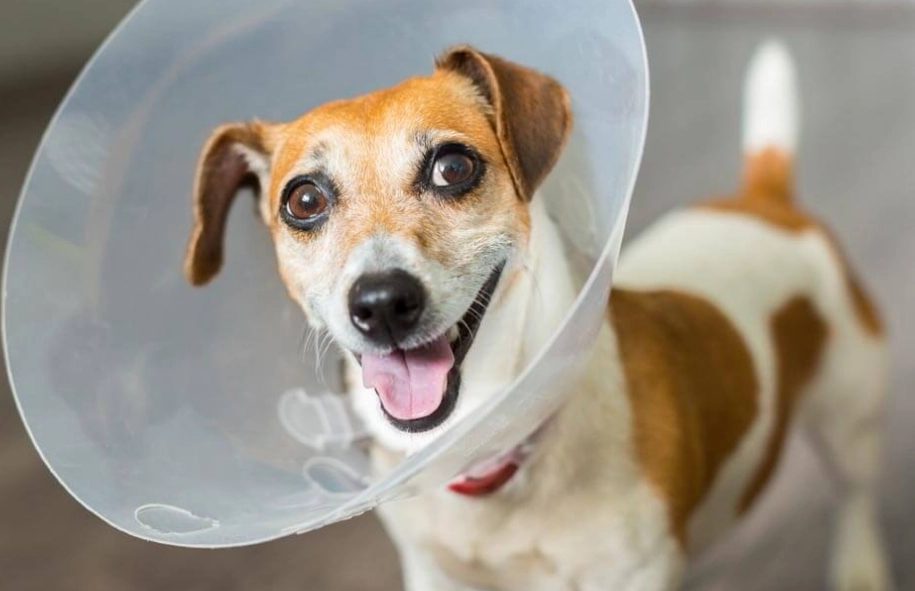
| Traditional Plastic E-Collar | The "gold standard." Persistent chewers, high-risk wounds. | Most effective barrier. Cheap, durable, provides full protection. | Causes stress, blocks vision, noisy, can be hard to navigate with. | Highest (for efficacy) |
My go-to for most situations is now a recovery suit for body wounds and a soft fabric cone for anything else. The difference in my dog's stress level is night and day compared to the hard plastic cone or, heaven forbid, that useless neck pillow.
How to Choose the Right Recovery Collar for Your Dog
Picking an alternative isn't just about the wound location. You have to factor in your dog's personality.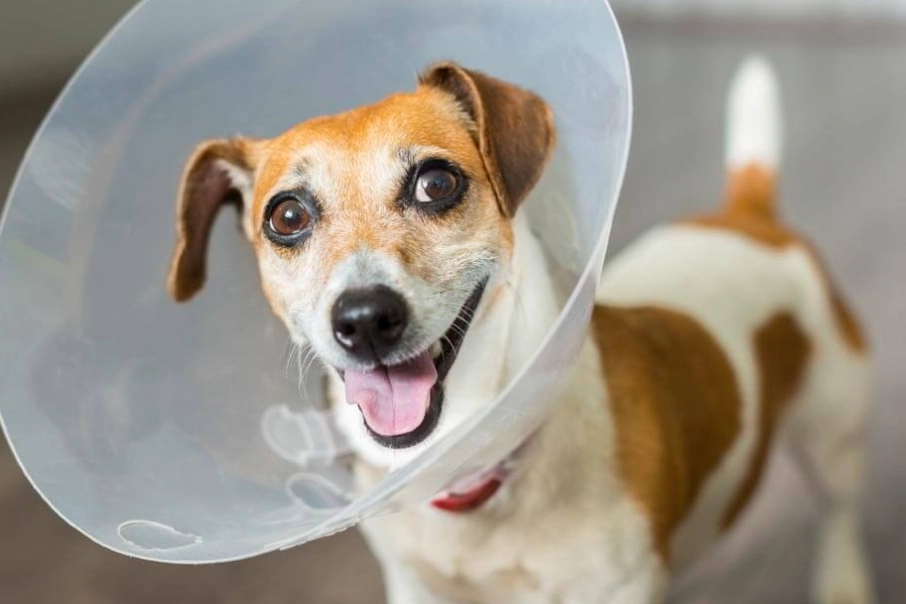
Measure Twice, Order Once
For cones and inflatables, you need the neck circumference. Use a soft tape measure. For recovery suits, you'll need neck, chest, and back length measurements. Sizing charts are crucial—don't guess.
The Personality Test
- The Determined Chewer: You likely need the rigidity of a traditional plastic cone or a very sturdy soft cone. A donut or neck pillow will be defeated.
- The Anxious Claustrophobe: A recovery suit or an inflatable donut can work wonders. The suit feels like a hug, not a barrier.
- The "Bull in a China Shop": A soft fabric cone is safer for your walls and furniture (and your shins).
Always have the collar on before your dog leaves the vet clinic. That way, you can get a professional fit check and your dog starts acclimating immediately.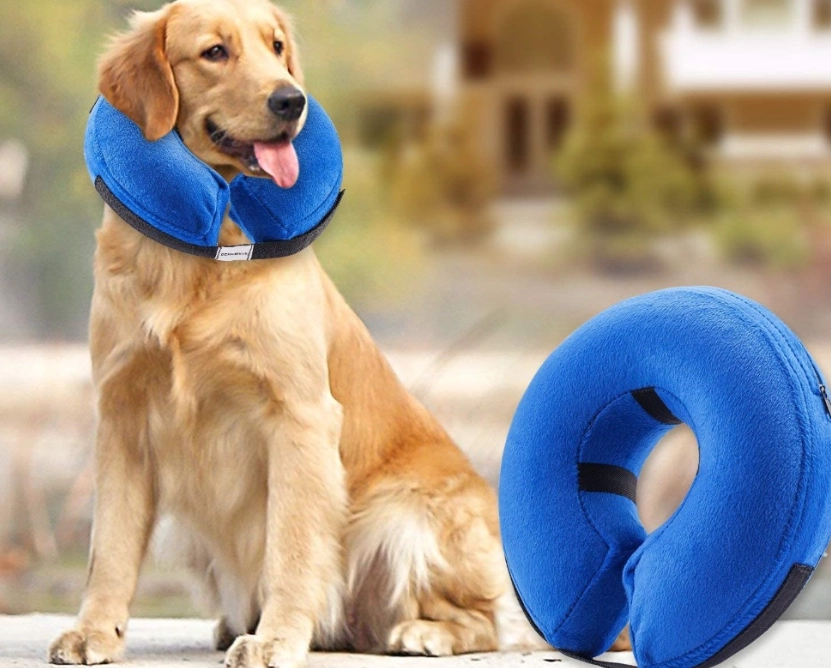
Your Burning Questions Answered (FAQ)
 Can a neck pillow help a dog with anxiety caused by the cone?

Leave a comment